Zinc is a vital mineral found naturally in many foods and water sources. In drinking water, zinc levels can vary depending on the source and treatment methods used.
While zinc is essential for human health, too much of it in drinking water can cause problems like nausea and stomach cramps.
The presence of zinc in tap water often comes from natural deposits or from corrosion of pipes and fittings. Water treatment plants monitor and control zinc levels to ensure safe drinking water for communities.
Some studies have looked at how zinc in water might affect health, including a possible link to type 1 diabetes in children.
For most people, drinking water is not a major source of zinc intake. The body needs small amounts of zinc to stay healthy. But it’s important to keep an eye on zinc levels in water supplies.
Water quality experts use various methods to remove excess zinc from drinking water when needed.
Key Takeaways
- Zinc is present in drinking water from natural and man-made sources.
- Proper zinc levels are important for health, but too much can cause issues.
- Water treatment methods can control zinc content in public water supplies.
Importance of Zinc in Drinking Water
Zinc plays a key role in human health and can be found in drinking water. The amount of zinc in water affects how much we consume daily and its impact on our bodies.
Biological Role of Zinc
Zinc is crucial for many bodily functions. It helps our immune system fight off bacteria and viruses. Zinc also aids in wound healing and supports normal growth and development.
The mineral is needed to make proteins and DNA. It’s important for taste and smell. Zinc acts as an antioxidant, protecting cells from damage.
A lack of zinc can cause problems. These may include:
- Slow growth in children
- Weakened immune system
- Loss of appetite
- Skin issues
Daily Recommended Intake
Adults need 8-11 mg of zinc per day. Pregnant women need more.
Drinking water can provide some of this zinc.
The amount of zinc in water varies. It depends on the water source and pipes. Most drinking water contains less than 0.1 mg/L of zinc.
Some people may get too much zinc. This is rare from water alone. High levels can cause:
- Nausea
- Stomach cramps
- Vomiting
It’s important to note that zinc levels in water should be monitored. Too much can be harmful, while some is beneficial for health.
Sources of Zinc in Water Supply
Zinc enters our water supply through various natural and human-made processes. It can be found in groundwater, released by industrial activities, and leach from plumbing systems.
Natural Occurrence in Groundwater
Zinc naturally occurs in rocks and soil. As water moves through these materials, it can pick up zinc. The amount of zinc in groundwater varies depending on the local geology.
In areas with zinc-rich minerals, levels may be higher. Limestone and dolomite rocks often contain zinc. When these dissolve, they release zinc into the water.
Weathering of rocks also contributes to zinc in water. Over time, rain and other natural processes break down zinc-containing minerals, allowing the metal to enter water sources.
Zinc from Industrial Activities
Industrial processes are a major source of zinc in water. Mining operations, especially lead-zinc mines, can release zinc into nearby water bodies.
Other industries that contribute zinc include:
- Metal plating and galvanizing
- Rubber manufacturing
- Paint production
- Battery manufacturing
Wastewater from these industries may contain high levels of zinc. If not properly treated, this can contaminate drinking water sources.
Agricultural runoff can also add zinc to water supplies. Zinc is used in some fertilizers and animal feed supplements.
Contributions from Plumbing Systems
Zinc can enter drinking water from plumbing systems. Many pipes and fittings contain zinc, either as a component or as a protective coating.
Galvanized steel pipes, common in older homes, have a zinc coating. This coating can corrode over time, releasing zinc into the water.
Brass fittings and fixtures also contain zinc. When water sits in these fixtures, especially hot water, it can pick up zinc.
The amount of zinc from plumbing depends on:
- Water pH
- Temperature
- Hardness
- Time water sits in pipes
While zinc from plumbing is usually not harmful, it can affect water taste and appearance.
Health Effects of Zinc in Water
Zinc is an essential mineral for human health, but the amount in water can impact wellbeing. Both too little and too much zinc can cause health issues.
Deficiency and Overexposure
Zinc deficiency can lead to problems like slow growth, weak immunity, and poor wound healing. Low zinc levels may happen if drinking water lacks this mineral.
On the other hand, high zinc intake from water can also be harmful. Excess zinc may cause nausea, stomach cramps, and vomiting. In severe cases, it can hurt the digestive system.
Copper absorption issues may occur with too much zinc. This can lead to anemia and weaken bones. Pregnant women and young children are more at risk from zinc overexposure.
Zinc Toxicity and Health Risks
Zinc toxicity from drinking water is rare but possible. Signs include:
- Stomach pain
- Diarrhea
- Headaches
- Loss of appetite
Long-term high zinc intake might raise the risk of prostate cancer in men. It can also lower “good” cholesterol levels.
Very high zinc levels in water can cause metal fume fever. This leads to flu-like symptoms such as fever and body aches.
The elderly and people with weak immune systems face greater risks from zinc toxicity. Testing water sources helps ensure safe zinc levels for drinking.
Regulatory Standards for Zinc in Drinking Water
Zinc levels in drinking water are regulated by various agencies to protect public health. These standards set limits on zinc concentrations and provide guidelines for water treatment and quality control.
EPA and Maximum Contaminant Levels
The U.S. Environmental Protection Agency (EPA) oversees drinking water quality through National Primary Drinking Water Regulations (NPDWRs). These rules set legally enforceable standards called Maximum Contaminant Levels (MCLs) for various contaminants.
For zinc, the EPA has not established a primary MCL. This is because zinc is not considered a significant health threat at levels typically found in drinking water. The EPA focuses on more harmful contaminants when setting primary standards.
However, the EPA does monitor zinc levels as part of its overall water quality assessment. Water utilities must regularly test for zinc and report results to ensure compliance with regulations.
Secondary Drinking Water Regulations
While zinc doesn’t have a primary MCL, it is subject to Secondary Drinking Water Regulations. These non-enforceable guidelines address contaminants that may cause cosmetic or aesthetic effects.
The EPA has set a secondary standard for zinc at 5 milligrams per liter (mg/L). This limit aims to prevent:
- Metallic taste in water
- Oily film on boiled water
- Staining of laundry and plumbing fixtures
Water providers are encouraged to meet these secondary standards, but they are not legally required to do so. The goal is to maintain customer satisfaction and prevent complaints about water quality.
International Guidelines by WHO
The World Health Organization (WHO) provides global guidelines for drinking water quality. These recommendations serve as a basis for many countries’ national standards.
WHO does not specify a health-based guideline value for zinc in drinking water. They state that zinc levels found in natural water sources are usually below the taste threshold of 4 mg/L.
The organization notes that water containing zinc above 3-5 mg/L may appear opalescent and develop a greasy film when boiled. These effects are similar to those addressed by the EPA’s secondary standard.
WHO emphasizes that zinc is an essential element for human health. The guidelines focus on preventing aesthetic issues rather than health concerns from zinc in drinking water.
Assessment of Water Quality
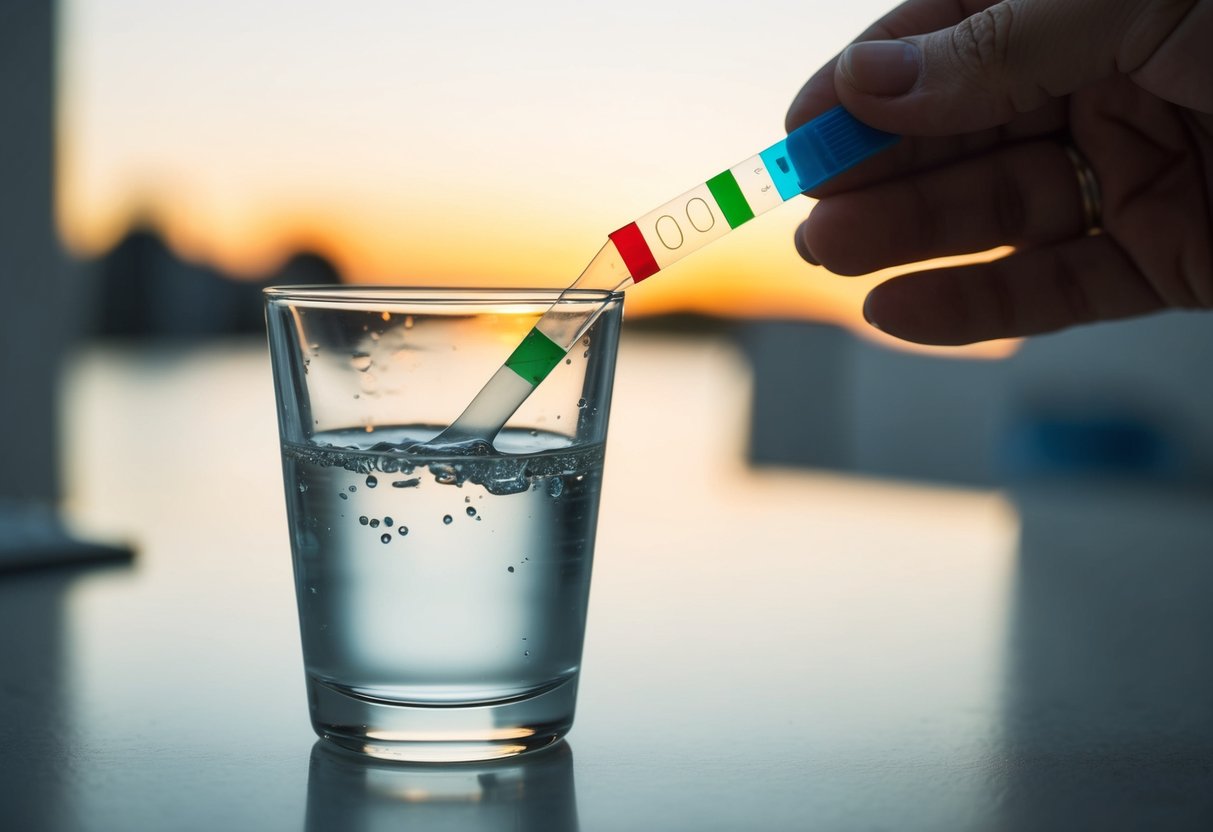
Water quality assessment is crucial for detecting zinc contamination in drinking water. Regular testing and proper interpretation of zinc concentration data help ensure safe water for consumption.
Testing for Zinc Contamination
Water quality testing for zinc involves collecting samples from various points in the water supply system. Samples are taken from source water, treatment plants, and consumer taps.
Laboratory analysis uses atomic absorption spectroscopy or inductively coupled plasma mass spectrometry to measure zinc levels. These methods can detect zinc concentrations as low as parts per billion.
Field testing kits are available for quick screening. These use colorimetric methods to estimate zinc levels but are less accurate than lab tests.
Regular monitoring schedules are important. The frequency depends on the water source, treatment methods, and past test results.
Interpreting Zinc Concentration Data
The World Health Organization sets a guideline value of 3 mg/L for zinc in drinking water. This level is based on taste, not health effects.
Zinc levels below 3 mg/L are generally considered safe. Higher concentrations may cause a metallic taste but are not typically harmful to health.
Water treatment facilities use zinc data to adjust their processes. If levels are high, they may increase pH or add phosphates to reduce corrosion.
Trends in zinc concentrations over time can indicate issues with water sources or distribution systems. Rising levels might suggest increased groundwater contamination or pipe corrosion.
Zinc data should be considered alongside other water quality parameters.
Water Treatment and Filtration Techniques
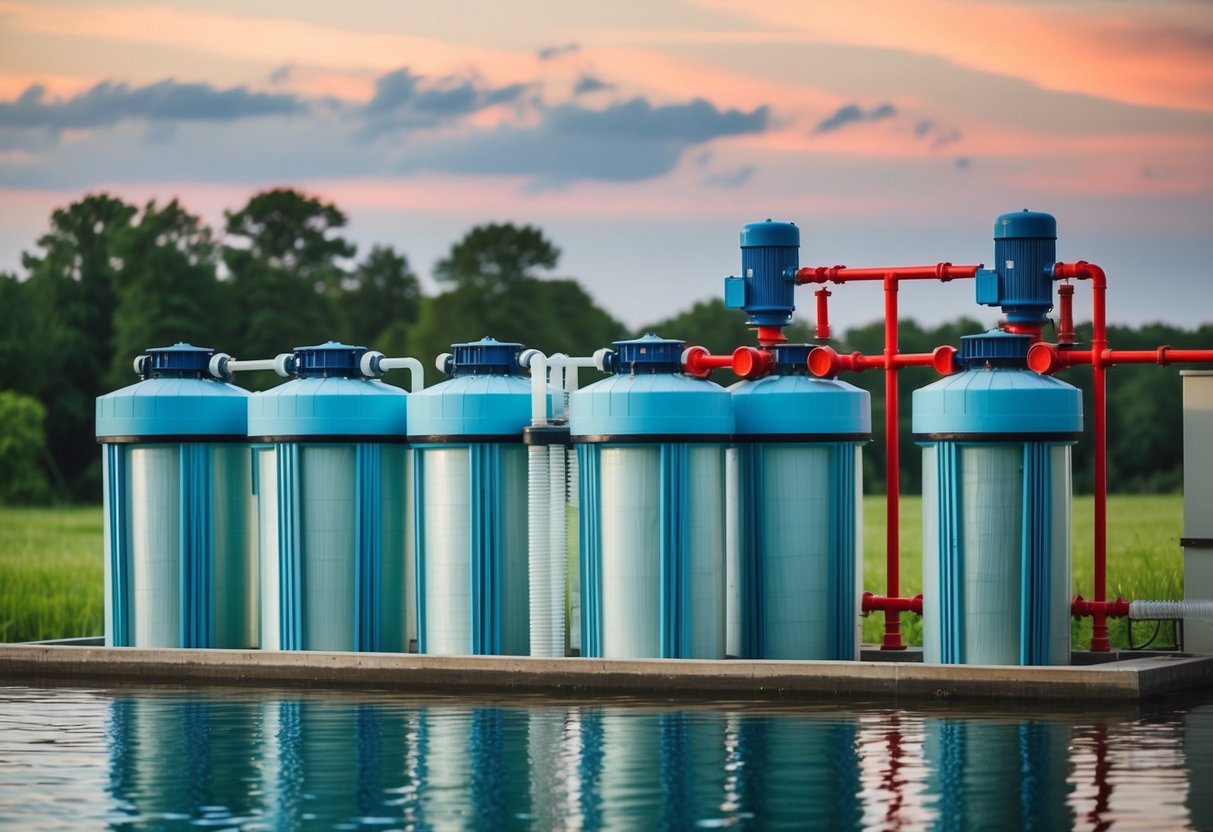
Removing zinc from drinking water requires specific treatment methods. Proper filtration and treatment techniques can effectively reduce zinc levels to safe concentrations.
Filtration Systems for Zinc Removal
Conventional water treatment processes can remove some zinc, but specialized filtration may be needed for high levels.
Activated carbon filters are effective at trapping zinc particles.
Reverse osmosis systems force water through a semipermeable membrane, blocking zinc and other contaminants. This method is highly effective but can be costly for whole-house treatment.
Ion exchange filters use resin beads to swap zinc ions for sodium or potassium. These work well for zinc removal but require regular resin replacement.
Best Practices in Water Treatment
Regular water testing is crucial to monitor zinc levels. Home test kits provide a quick check, but professional lab analysis gives more accurate results.
Coagulation and flocculation are common treatment steps. These processes use chemicals to bind zinc particles, making them easier to remove through filtration.
Maintaining neutral pH levels in water can help prevent zinc from leaching from pipes. This is especially important in areas with older plumbing systems.
For home use, pitcher filters or faucet-mounted systems can provide an extra layer of protection. These point-of-use filters can remove trace amounts of zinc and improve water taste.
Impacts of Zinc on Water Aesthetics
Zinc in drinking water can affect its taste and appearance. It may also cause staining on fixtures and clothing.
Metallic Taste and Turbidity Issues
Zinc can give water a metallic taste when present in high amounts. This taste is often described as bitter or astringent. People may notice it even at low levels.
Zinc can also make water look cloudy or murky. This is called turbidity. Tiny zinc particles scatter light, making the water less clear.
At very high levels, zinc may form a film on the water’s surface. This film can look oily or have a blue-green tint.
Aesthetic and Cosmetic Effects
Zinc in water can stain sinks, tubs, and other fixtures. These stains are often white or bluish-green. They can be hard to remove.
Clothing washed in zinc-heavy water may develop stains. These stains might be yellow, brown, or gray. They can ruin clothes.
Zinc can also affect hair and skin. It may leave a residue that makes hair feel sticky or look dull. Some people might notice dry or itchy skin after bathing in zinc-rich water.
Plumbing pipes can develop scale from zinc. This can reduce water flow over time.
Zinc and Public Water Systems
Zinc is present in many public water systems. It can affect water quality and pose health risks if levels are too high. Proper monitoring and treatment are key to managing zinc in community water supplies.
Community Water System Concerns
Public water systems must test for zinc regularly. The U.S. Environmental Protection Agency sets limits for zinc in drinking water. Too much zinc can cause metallic taste and other issues.
Older pipes may leach zinc into water. This is more common in areas with acidic water. Water treatment plants use various methods to remove excess zinc.
Some natural sources like groundwater can contain zinc. Surface water from mining areas may have higher levels. Water near lead-zinc mines requires extra testing.
Community systems track zinc trends over time. They must act quickly if levels spike. Replacing old infrastructure helps reduce zinc contamination.
Educating the Public on Zinc Risks
Water suppliers inform customers about zinc levels yearly. They explain what zinc is and why it matters. Clear communication builds trust.
Too little zinc is bad for health. But too much can cause nausea and other problems. People need to know the right balance.
Rainwater tanks can accumulate zinc from roofing materials. Homeowners should test tank water regularly.
Some groups are more sensitive to zinc. These include infants and people with certain health conditions. Public education targets these populations.
Water suppliers offer tips to reduce zinc exposure. These may include flushing pipes or using filters. They also explain when bottled water is needed.
Future Challenges and Research Directions

Zinc in drinking water poses ongoing challenges for water quality and safety. New monitoring techniques and chemical safety measures are needed to address emerging contaminants and pollution sources.
Monitoring Emerging Contaminants
Nanoparticles in drinking water present a growing concern. Improved detection methods are crucial to identify zinc oxide nanoparticles in water supplies.
Researchers are developing advanced sensors to measure trace amounts of zinc and other metals. These tools will enable more frequent and widespread water quality testing.
Real-time monitoring systems that can instantly detect zinc level changes are a key area of study. Such systems could provide early warnings about contamination events.
Advancements in Chemical Safety
New water treatment technologies are being explored to remove zinc more effectively. Nanomaterials and advanced filtration methods show promise for zinc reduction.
Safer alternatives to zinc-containing materials in water infrastructure are needed. This includes researching corrosion-resistant pipes and fittings that don’t leach zinc.
Risk assessment models are being updated to better understand the health impacts of long-term, low-level zinc exposure. These will inform future drinking water standards.
Collaboration between chemists and environmental engineers is crucial. Their joint efforts will lead to safer water treatment chemicals and processes.
Frequently Asked Questions
Zinc in drinking water raises several important questions about health effects, contamination sources, safety limits, testing methods, treatment options, and potential benefits. Here are answers to some common queries.
What are the health implications of high levels of zinc in drinking water?
High zinc levels in water can cause health issues. Excess zinc may lead to nausea, vomiting, and stomach cramps. Long-term exposure could affect copper absorption in the body.
How does zinc contamination typically occur in water supplies?
Zinc often enters water through corrosion of pipes and fittings. Old galvanized plumbing is a common source. Industrial runoff and natural deposits can also contribute to zinc in water.
What is the recommended safe limit for zinc concentration in potable water?
The World Health Organization suggests a zinc limit of 3 mg/L in drinking water. This level helps prevent taste issues while ensuring safety for consumption.
How can zinc levels in drinking water be accurately measured?
Water samples can be tested for zinc using atomic absorption spectroscopy. Home test kits are available, but professional lab testing provides more accurate results.
What treatment options are available for removing excess zinc from drinking water?
Ion exchange and reverse osmosis systems can effectively remove zinc from water. Activated carbon filters may also help reduce zinc levels in household water supplies.
Are there any recognized benefits from the presence of zinc in drinking water?
Zinc is an essential nutrient for human health. Small amounts in drinking water can contribute to daily zinc intake. This supports immune function and wound healing.