Volatile organic compounds (VOCs) are a group of chemicals that can seep into drinking water from various sources. These substances may come from industrial processes, agricultural runoff, or even household products.
Many people don’t realize that their tap water could contain these potentially harmful compounds.
VOCs in drinking water can pose serious health risks, including increased cancer risk, liver and kidney damage, and nervous system effects. The Environmental Protection Agency (EPA) sets limits on VOC levels in public water supplies to protect public health. However, private well owners need to be especially vigilant about testing their water regularly.
Water treatment methods like activated carbon filtration and air stripping can effectively remove many VOCs from drinking water. Some home water filters can also reduce VOC levels, but it’s important to choose the right type of filter and maintain it properly.
Regular testing is key to ensuring your drinking water remains safe and free from harmful levels of VOCs.
Key Takeaways
- VOCs in drinking water can come from various sources and may pose health risks
- Regular testing is crucial, especially for private well owners
- Effective treatment methods exist to remove VOCs from drinking water
Understanding VOCs
Volatile organic compounds (VOCs) are a group of chemicals that can contaminate drinking water. These substances pose potential health risks and come from various sources.
Identifying common VOCs, their origins, and why they matter is key to addressing this water quality issue.
Definition and Importance
VOCs are carbon-containing chemicals that easily turn into vapors or gases. In water, they can affect taste, odor, and safety. VOCs are important to monitor because many can harm human health.
Some VOCs may cause cancer, liver damage, or nervous system problems. Even low levels in drinking water can be concerning. Water treatment plants test for VOCs, but private well owners need to check their water too.
Not all VOCs are equally dangerous. Some have stronger health effects than others. Knowing which VOCs are in water helps determine risks and treatment needs.
Common Types of VOCs in Water
Several VOCs often show up in drinking water tests. These include:
- Benzene
- Dichloromethane
- Trichloroethylene
- Tetrachloroethylene
- Carbon tetrachloride
Benzene is a known cancer-causing agent. It can leak from underground fuel tanks. Dichloromethane is used in paint strippers and aerosol products.
Trichloroethylene and tetrachloroethylene are common in dry cleaning and metal degreasing. Carbon tetrachloride was once used in fire extinguishers and cleaning products.
These chemicals can enter water through spills, improper disposal, or leaching from contaminated soil.
Sources and Causes of VOC Contamination
VOCs in drinking water come from both natural and human-made sources. Human activities are the main cause of problematic VOC levels.
Industrial processes release VOCs. Factories, dry cleaners, and gas stations can contaminate nearby water sources. Pesticides and fertilizers used in farming may contain VOCs that seep into groundwater.
Household products are another source. Paints, wood preservatives, and aerosol sprays can introduce VOCs to water. Improper disposal of these items leads to contamination.
Leaking underground storage tanks are a major concern. Old septic systems can also allow VOCs to enter groundwater. Even chlorine used to treat water can create VOCs as byproducts.
Health Impacts of VOCs
Volatile organic compounds (VOCs) in drinking water can cause various health problems. The severity of effects depends on the specific VOC, exposure level, and individual factors.
Short-Term and Long-Term Health Effects
VOCs can lead to both immediate and long-lasting health issues. Short-term effects may include:
• Headaches
• Dizziness
• Nausea
• Eye and respiratory irritation
Long-term exposure to VOCs in drinking water has been linked to more serious health problems. These can include:
• Liver and kidney damage
• Central nervous system issues
• Increased cancer risk
Specific VOCs like benzene and trichloroethylene are known carcinogens. Chloroform can harm the liver and kidneys. Tetrachloroethylene may cause neurological problems.
Vulnerable Populations
Certain groups are more susceptible to the harmful effects of VOCs in drinking water. These include:
• Pregnant women
• Infants and young children
• Elderly individuals
• People with pre-existing health conditions
Developing fetuses and young children are especially at risk. Their bodies are still growing, making them more sensitive to toxic substances. Pregnant women exposed to VOCs may face increased risks of birth defects or miscarriage.
People with weakened immune systems or chronic illnesses may also experience more severe effects from VOC exposure. The elderly often have reduced ability to process toxins, increasing their vulnerability.
Detection and Testing
Detecting volatile organic compounds (VOCs) in drinking water requires careful sampling and advanced analytical methods. Proper techniques ensure accurate identification and measurement of these contaminants.
Sampling Techniques for Water Samples
Collecting water samples for VOC analysis demands precision. Glass vials with Teflon-lined caps are used to prevent contamination. Samples must be filled completely, leaving no air bubbles.
This technique, called zero headspace, stops VOCs from escaping.
Preservatives like hydrochloric acid are often added to samples. These chemicals keep VOCs stable during transport and storage. Samples need to be kept cold, usually at 4°C or below. This slows down chemical reactions and bacterial growth.
The U.S. Geological Survey recommends collecting multiple samples from each site. This helps ensure reliable results and accounts for variations in water quality.
Analytical Methods for Identifying VOCs
Gas chromatography-mass spectrometry (GC-MS) is the gold standard for VOC detection. This method can identify and measure very small amounts of VOCs in water.
GC-MS works by separating compounds and then identifying them based on their unique mass spectra.
Other methods include:
- Purge and trap: Removes VOCs from water using gas bubbles
- Headspace analysis: Tests the air above a water sample
- Liquid-liquid extraction: Uses solvents to extract VOCs
Centrifugation can improve VOC detection in some cases. A 2-minute spin often gives the best results.
Detection limits vary by method. Some can find VOCs at parts per trillion levels. This high sensitivity is crucial for monitoring drinking water safety.
Environmental and Regulatory Aspects
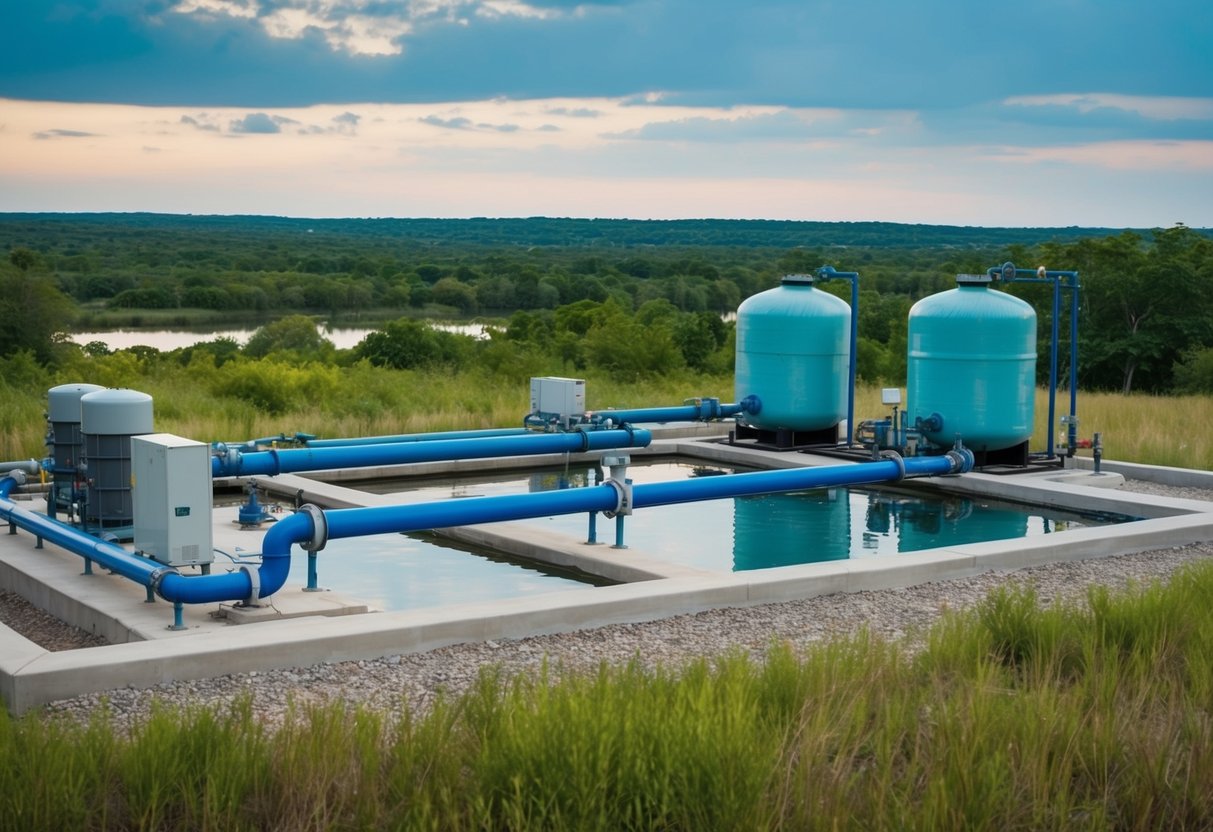
VOCs in drinking water face strict regulations and monitoring. Environmental agencies work to protect public health and water quality through guidelines and protection efforts.
EPA Guidelines and Safe Levels
The Environmental Protection Agency (EPA) sets limits for VOCs in public water systems. These rules aim to keep drinking water safe.
The EPA reviews and updates standards regularly based on new research.
Maximum contaminant levels (MCLs) exist for many VOCs. Water suppliers must test for these chemicals and treat water if levels are too high. Some common regulated VOCs include:
- Benzene
- Trichloroethylene
- Vinyl chloride
The EPA also provides health advisories for unregulated VOCs. These give guidance on potential health risks at different exposure levels.
Environmental Protection Efforts
Efforts to reduce VOCs in water focus on prevention and treatment. Source water protection programs aim to stop contamination before it reaches supplies. This includes:
- Regulating industrial discharges
- Proper disposal of chemicals
- Cleanup of contaminated sites
Water treatment plants use various methods to remove VOCs. Common techniques are:
- Air stripping
- Granular activated carbon filters
- Advanced oxidation processes
The National Water-Quality Assessment program tracks VOC levels in U.S. water sources. This data helps identify trends and emerging issues. It guides policy decisions to protect drinking water quality.
Treatment and Remediation
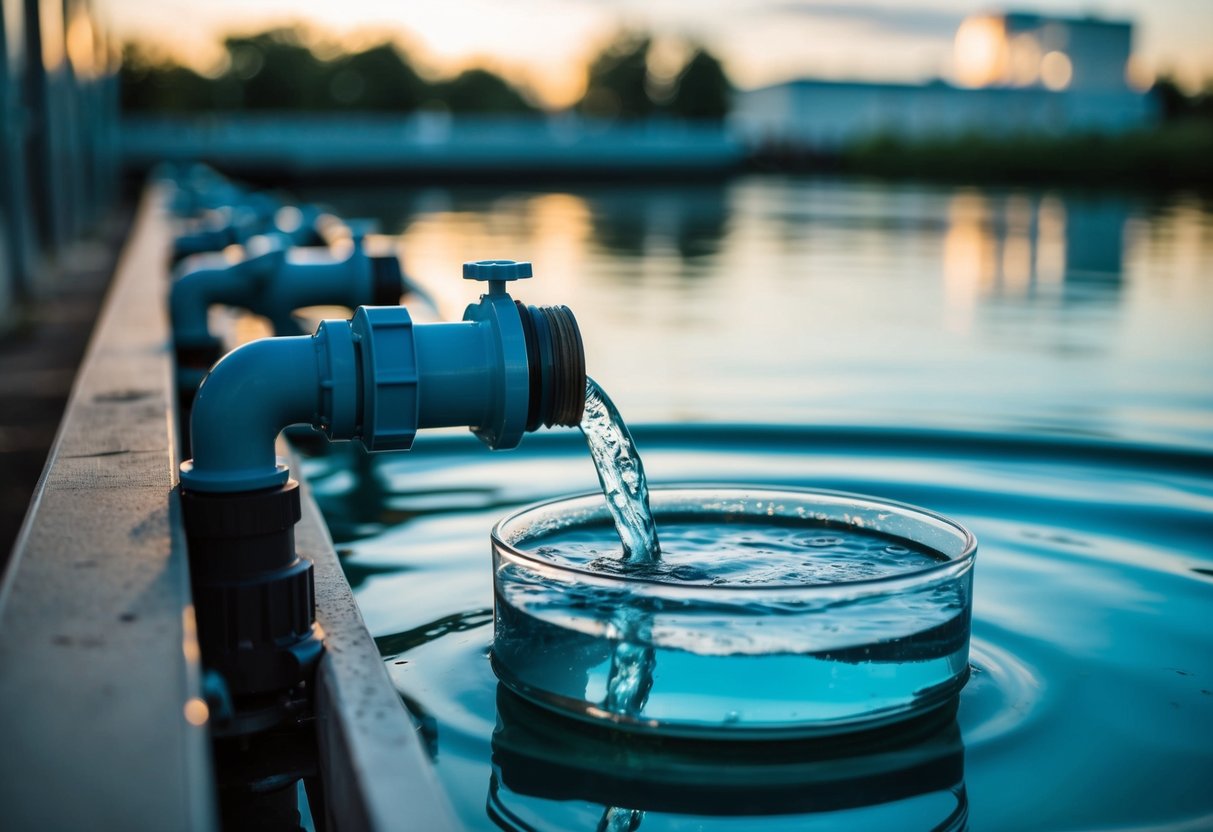
Removing volatile organic compounds (VOCs) from drinking water requires specific techniques. These methods range from common disinfection processes to advanced treatment systems. The approach depends on the type and level of contamination.
Disinfection and Filtration Processes
Chlorine disinfection is a common method for treating drinking water. It can remove some VOCs, but it may also create trihalomethanes as byproducts. These are themselves VOCs and can be harmful.
Activated carbon filtration is very effective for many VOCs. It works by adsorbing the compounds onto the carbon’s surface. This method is used in both large treatment plants and home filtration systems.
Aeration can remove VOCs that evaporate easily. Water is exposed to air, allowing the VOCs to escape as gases. This process works well for benzene and similar compounds.
Advanced Treatment Techniques
Photocatalysis is an emerging method for VOC removal. It uses light to trigger chemical reactions that break down the compounds. This technique can be very effective for hard-to-treat VOCs.
Reverse osmosis forces water through a membrane, leaving contaminants behind. It can remove a wide range of VOCs and other pollutants. However, it requires a lot of energy and produces waste water.
UV light treatment combined with hydrogen peroxide can destroy many VOCs. This advanced oxidation process creates powerful oxidants that break down the compounds.
Handling VOC Contamination in Private Wells
Private well owners need to be especially careful about VOC contamination. Regular testing is crucial to detect problems early.
For low levels of VOCs, activated carbon filters can be effective. These can be installed as point-of-entry or point-of-use systems.
Severe contamination may require more advanced treatment. Options include reverse osmosis systems or professional remediation services.
Preventing contamination is key. This includes proper disposal of chemicals and regular maintenance of septic systems. Avoiding the use of pesticides near wells can also help reduce VOC risks.
Water Resource Management
Protecting drinking water from VOCs requires careful management of water resources. Key strategies focus on safeguarding groundwater and tracking contamination trends over time.
Aquifer Protection and Groundwater Management
Aquifer protection is vital for maintaining clean drinking water supplies.
Managers work to prevent VOC contamination from reaching groundwater sources. This includes regulating potential pollution sources near aquifers.
Industrial sites, gas stations, and landfills must follow strict guidelines. Buffer zones around wells help block contaminants.
Regular inspections ensure compliance with safety standards.
Aquifer recharge areas receive special protection. Land use restrictions in these zones limit risky activities that could introduce VOCs. Education programs teach the public about proper disposal of household chemicals.
This reduces the risk of VOCs seeping into groundwater from everyday sources.
Assessing Water-Quality Conditions and Trends
Regular monitoring of VOC levels in drinking water is crucial. Water utilities test for a wide range of compounds.
Data from these tests help identify contamination sources. They also show long-term trends in water quality.
National assessments provide a big-picture view of VOC issues. The U.S. Geological Survey conducts large-scale studies of groundwater quality.
These assessments track changes over time and help predict future risks to drinking water supplies.
Results guide policy decisions and resource allocation. Areas with rising VOC levels may need stricter regulations or cleanup efforts.
Frequently Asked Questions
VOCs in drinking water can pose health risks and come from various sources. Their levels are monitored and regulated, while removal methods exist for concerned individuals. Some VOCs may have more severe effects than others.
What are the potential health effects of VOCs in drinking water?
VOCs in drinking water may be a concern for human health. Some VOCs are carcinogens and can increase cancer risk.
Exposure to VOCs through drinking water might cause liver and kidney problems. It can also affect the nervous system and reproductive health.
Which methods are effective in removing VOCs from tap water?
Activated carbon filters are effective at removing many VOCs from tap water. These filters can be installed as under-sink or whole-house systems.
Reverse osmosis systems can also remove VOCs, along with other contaminants. Air stripping is another method used by some water treatment facilities to remove VOCs.
What are the common sources of VOC contamination in drinking water?
Industrial activities and chemical spills can lead to VOC contamination in groundwater. Agricultural runoff containing pesticides is another source.
Household products like cleaning solvents can also contribute to VOCs in water. Leaking underground storage tanks are a significant source of VOC pollution in water supplies.
How are VOC levels in drinking water measured and regulated?
VOC levels are measured using specialized analytical techniques. Gas chromatography is a common method for detecting VOCs in water samples.
The Environmental Protection Agency (EPA) sets maximum contaminant levels for VOCs in public water systems. Regular testing is required to ensure compliance with these standards.
Can consuming water with VOCs lead to long-term health issues?
Long-term exposure to VOCs through drinking water may increase the risk of certain cancers. It can also lead to chronic liver and kidney problems.
Skin absorption of VOCs from contaminated water is another potential route of exposure. This can contribute to long-term health effects, even without drinking the water.
Are there specific VOCs that are more harmful than others in water supplies?
Benzene, trichloroethylene, and vinyl chloride are among the most harmful VOCs found in water supplies. These compounds are known carcinogens.
Trihalomethanes, formed as byproducts of water disinfection, are also a concern. They have been linked to increased cancer risk and reproductive issues.