Clean drinking water is essential for health and well-being. Many people use water filters to remove impurities and improve taste. There are several types of water filters available, each with unique features and benefits.
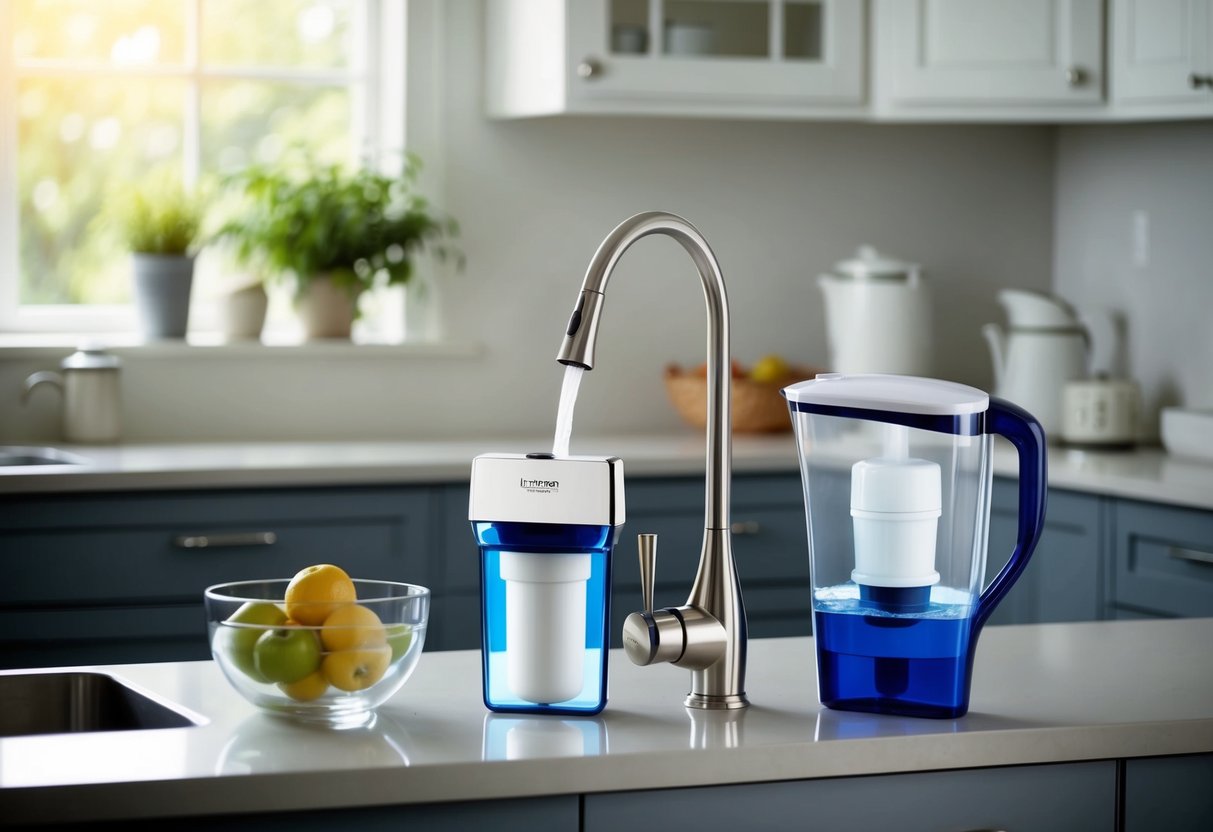
Water filters can remove contaminants like chlorine, lead, and bacteria from tap water. Some filter out microscopic particles, while others use chemical processes to purify water. The right filter depends on local water quality and individual needs.
Choosing a water filter can be confusing with so many options. Factors to consider include filtration method, maintenance needs, and cost. Some popular types are activated carbon filters, reverse osmosis systems, and UV purifiers. Each type has pros and cons to weigh before making a decision.
Key Takeaways
- Water filters remove various contaminants to improve water quality and taste
- Different filter types use distinct methods to purify water
- Filter selection depends on water source, contaminants present, and household needs
Understanding Water Filtration
Water filtration is crucial for ensuring safe drinking water. It removes harmful substances and improves taste. Different methods target specific contaminants to produce clean water for consumption.
Significance of Water Quality
Clean water is essential for health and wellbeing. Ceramic water filters are used in over 20 countries as a point-of-use treatment. These filters use local materials like clay and sawdust.
Good water quality affects more than just drinking. It’s important for cooking, cleaning, and personal hygiene. The EPA sets standards for safe drinking water in the US.
NSF International certifies water treatment products. This helps consumers choose effective filters. Regular testing ensures water meets safety guidelines.
Common Contaminants in Water
Water can contain various unwanted substances. These include:
- Bacteria and viruses
- Sediment and dirt particles
- Chemical pollutants (pesticides, heavy metals)
- Minerals that affect taste and odor
Activated carbon filters are common in home systems. They remove many organic compounds and improve taste.
Some areas have high levels of arsenic or lead in water. These metals require specialized filtration methods to remove.
Fluoride is sometimes added to water for dental health. Some people prefer to filter it out.
Impact of Contaminants on Health
Drinking contaminated water can cause serious health issues. Bacteria and viruses may lead to gastrointestinal illness. This can be severe in young children or those with weak immune systems.
Long-term exposure to certain chemicals increases cancer risk. For example, arsenic in water is linked to skin and lung cancer.
Lead contamination is particularly dangerous. It can cause developmental problems in children. Adults may experience kidney issues and high blood pressure.
Proper hydration is key for health. Clean, filtered water encourages people to drink more. This supports overall wellbeing and bodily functions.
Types of Water Filters
Water filters come in various forms, each designed to address specific contaminants and water quality issues. These systems use different methods to purify water, making it safe and pleasant to drink.
Activated Carbon Filters
Activated carbon filters are popular for home use. They work through adsorption, trapping impurities in their porous surface.
These filters excel at removing:
- Chlorine
- Bad odors
- Unpleasant tastes
- Some organic compounds
Activated carbon comes in two main types:
- Granular activated carbon (GAC)
- Carbon block
Carbon block filters are more effective due to their larger surface area. They can trap smaller particles than GAC filters.
Most activated carbon filters need regular replacement. This ensures they keep working well and don’t become breeding grounds for bacteria.
Reverse Osmosis Systems
Reverse osmosis (RO) systems use pressure to force water through a semipermeable membrane. This process removes a wide range of contaminants.
RO systems can remove:
- Dissolved salts
- Minerals
- Bacteria
- Viruses
These systems are highly effective but can waste a lot of water. They also remove beneficial minerals, which some people see as a downside.
RO systems often include several stages:
- Sediment filter
- Activated carbon pre-filter
- RO membrane
- Post-filter
Many homes use RO systems for drinking water. They’re especially useful in areas with high mineral content in the water.
Distillation Systems
Distillation is one of the oldest water purification methods. It mimics nature’s water cycle.
How distillation works:
- Water is heated to boiling
- Steam rises, leaving contaminants behind
- Steam is cooled and collected as pure water
Distillation removes:
- Minerals
- Bacteria
- Viruses
- Many chemicals
This method is very effective but uses a lot of energy. It also removes beneficial minerals from water.
Distilled water can taste flat due to the lack of minerals. Some people add mineral drops to improve the taste.
Ultraviolet Filters
UV filters use ultraviolet light to kill microorganisms. They’re often used with other filtration methods.
UV light damages the DNA of:
- Bacteria
- Viruses
- Other harmful microorganisms
These filters don’t remove chemicals or minerals. They’re best used as part of a multi-stage filtration system.
UV filters are low-maintenance and don’t use chemicals. They’re eco-friendly and don’t change water’s taste or smell.
Ceramic Filters
Ceramic filters have tiny pores that trap contaminants. They’re often used in portable water filters.
These filters can remove:
- Bacteria
- Protozoa
- Sediment
Many ceramic filters are infused with silver. This helps prevent bacteria growth on the filter itself.
Ceramic filters are durable and can be cleaned for reuse. They don’t remove chemical contaminants on their own.
Ion Exchange Filters
Ion exchange filters are best known for water softening. They replace hard minerals with sodium or potassium ions.
These filters can remove:
- Calcium
- Magnesium
- Some heavy metals like lead
Ion exchange is effective for:
- Reducing water hardness
- Improving soap lather
- Preventing scale buildup in pipes
Most ion exchange systems need regular regeneration with salt. This process flushes out trapped contaminants and recharges the resin beads.
Some systems use potassium instead of sodium. This is helpful for people on low-sodium diets.
Considerations for Filter Selection
Choosing the right water filter involves evaluating several key factors. These include understanding your water source, checking certifications, planning for maintenance, and considering your budget.
Determining Water Source and Contaminants
The first step in selecting a water filter is to identify your water source. Tap water from municipal systems and private well water have different contaminants.
For tap water, check your local water quality report. This document lists common contaminants in your area.
Well water users should test their water annually. Common issues include:
- Bacteria
- Nitrates
- Heavy metals
- Hardness
Once you know what’s in your water, choose a filter that targets those specific contaminants.
Filter Certification and Standards
Look for filters certified by reputable organizations. These ensure the filter works as claimed.
Key certifications include:
- NSF International
- Water Quality Association (WQA)
- Environmental Protection Agency (EPA) registration
NSF/ANSI standards to check:
- Standard 42: Aesthetic effects (taste, odor)
- Standard 53: Health effects (lead, VOCs)
- Standard 401: Emerging contaminants
Certified filters undergo rigorous testing. This gives you confidence in their performance.
Maintenance and Replacement Requirements
Regular maintenance keeps your filter working properly. Consider these factors:
- Filter lifespan
- Replacement costs
- Ease of installation
Some filters need frequent changes. Others last for months or years.
Calculate the yearly cost of replacements. Factor this into your budget.
Look for filters with clear indicators when it’s time for a change. This helps prevent using an ineffective filter.
Budget and Economic Considerations
Water filters range from basic pitchers to whole-house systems. Set a budget that balances initial costs with long-term value.
Consider:
- Upfront costs
- Installation fees (if needed)
- Ongoing maintenance expenses
Cost-effective solutions exist for most budgets. Pitcher filters are affordable for basic filtration. Under-sink systems offer more thorough filtration at a higher cost.
Compare the cost of filtered water to bottled water. Home filtration often saves money over time.
Remember, protecting your health is a valuable investment. Choose a filter that fits your needs and budget for clean, safe water.
Filter Variants for Home Use
Different types of water filters are available for homes. Each type has its own advantages and fits various needs. Some are easy to install while others require more effort.
Pitcher and Faucet-Mounted Filters
Pitcher filters are popular for their ease of use. They come in different sizes and can be stored in the fridge. These filters remove chlorine, lead, and other impurities.
Faucet-mounted filters attach directly to the tap. They are easy to install and provide filtered water on demand. These filters can remove a wide range of contaminants.
Both types use activated carbon to clean water. They need regular filter changes to work well. Pitcher filters are portable, while faucet-mounted ones stay in one place.
Countertop and Under-Sink Filters
Countertop water filters sit next to the sink. They connect to the faucet with a hose. These filters can handle more water than pitchers.
Under-sink filters are hidden below the sink. They need more setup but save counter space. These systems often use multiple filter stages for better water cleaning.
Both types can remove many contaminants. They usually last longer than pitcher filters. Countertop filters are easy to move, while under-sink ones are fixed.
Whole House Filters and Shower Filters
Whole house water filters clean all water entering a home. They are installed at the main water line. These systems can remove sediment, chlorine, and other impurities.
Shower filters attach to shower heads. They mainly remove chlorine and hard water minerals. This can help protect skin and hair from harsh chemicals.
Whole house filters benefit all water outlets in a home. They need less frequent changes than other types. Shower filters are easy to install and can improve shower water quality.
Optimizing Water Filtration Efficiency
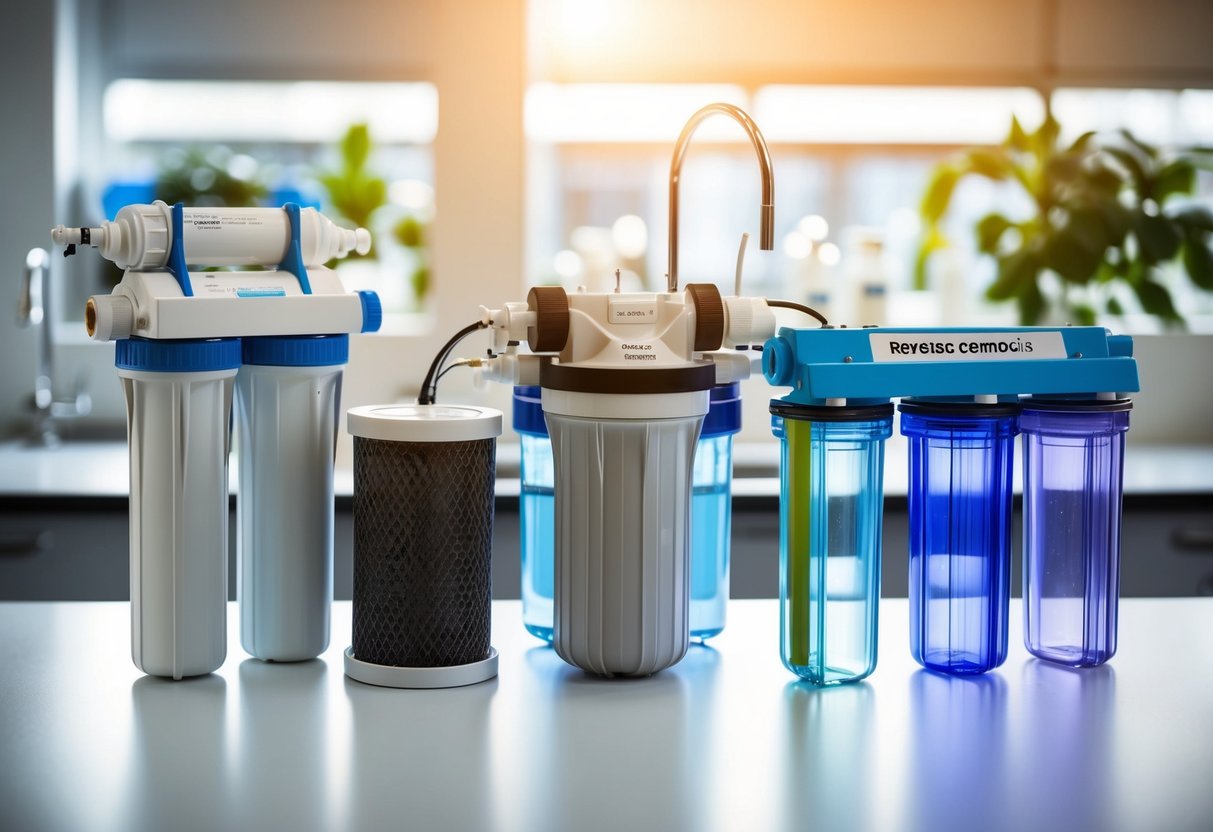
Proper setup, regular monitoring, and balanced filtration are key to getting the most from a water filter. These steps help ensure clean water while maintaining beneficial minerals.
Installation and Setup
Correct installation is crucial for water filter efficiency. Place the system near the main water line for whole-house filters or under the sink for point-of-use filters. Follow the manufacturer’s instructions carefully.
Check all connections to prevent leaks. Use Teflon tape on threaded fittings for a tight seal. Flush new filters before use to remove any loose particles.
Set the right water pressure. Too high can damage filters, while too low reduces flow. Install a pressure regulator if needed.
For reverse osmosis systems, proper drain line installation is vital. Ensure there’s an air gap to prevent contamination.
Monitoring Filter Performance
Regular checks help maintain filter efficiency. Test water quality before and after filtration to gauge effectiveness. Use home test kits or send samples to a lab.
Track flow rates. A sudden drop may indicate clogging. Keep a log of water usage and filter changes.
Check sediment levels in pre-filters. Clean or replace when visibly dirty or when flow slows.
For activated carbon filters, watch for changes in taste or odor. This signals it’s time for replacement.
Test pH levels in alkaline water systems to ensure proper mineral addition.
Balancing Filtration with Mineral Retention
Aim for a balance between purification and keeping healthy minerals. Some filters remove beneficial minerals along with contaminants.
Consider a remineralization stage for reverse osmosis systems. This adds back calcium and magnesium.
Use multi-stage filters with selective membranes. These can target specific contaminants while leaving minerals intact.
For hard water areas, a water softener might be needed. But pair it with a bypass for drinking water to retain some minerals.
Test mineral content regularly. Adjust filtration if levels drop too low. Ceramic filters can be effective for removing contaminants while preserving minerals.
Frequently Asked Questions
Water filters come in many types, each with unique features and applications. Different filtration methods target specific contaminants and serve varied purposes in homes and other settings.
What are the different water filtration methods available for home use?
Common home water filtration methods include activated carbon, reverse osmosis, and UV purification. Activated carbon filters remove chlorine and improve taste. Reverse osmosis systems filter out minerals and contaminants. UV purifiers use light to kill bacteria and viruses.
How do different water filter cartridges vary in function?
Filter cartridges differ based on the contaminants they target. Sediment filters catch large particles. Carbon filters absorb chemicals and odors. Ion exchange filters soften water by removing minerals. Ceramic filters can trap bacteria and protozoa.
What specific uses do various water filters serve?
Whole-house filters treat water for all taps. Under-sink filters purify drinking and cooking water. Pitcher filters are portable and convenient for small volumes. Faucet-mounted filters attach directly to taps. Shower filters remove chlorine to protect skin and hair.
Which type of water filtration system is recommended for the highest contaminant removal?
Reverse osmosis systems typically offer the highest level of contaminant removal. They can filter out dissolved solids, heavy metals, and many other impurities. Multi-stage systems combining reverse osmosis with carbon filtration provide comprehensive purification.
What are the pros and cons of reverse osmosis water filters?
Pros of reverse osmosis include thorough contaminant removal and improved taste. Cons include higher cost, slower filtration, and water waste during the process. These systems also remove beneficial minerals, which some consider a drawback.
How does a ceramic water filter operate compared to other types?
Ceramic filters use tiny pores to physically strain out contaminants. They are effective against bacteria and protozoa. Unlike chemical filters, ceramics don’t remove dissolved substances. They require regular cleaning but can last longer than many other filter types.