Sulfate is a common mineral found in drinking water. It occurs naturally in many water sources and can also come from industrial processes. While sulfate generally doesn’t pose major health risks, it can affect how water tastes and smells.
The U.S. Environmental Protection Agency (EPA) recommends that sulfate levels in drinking water stay below 250 milligrams per liter. At higher levels, sulfate can cause gastrointestinal issues in some people. It may also lead to scale buildup in pipes and appliances.
Water treatment plants use different methods to remove excess sulfate. These include ion exchange, reverse osmosis, and distillation. Home filtration systems can also help reduce sulfate levels for those concerned about their water quality.
Key Takeaways
- Sulfate in drinking water is common and usually not harmful at normal levels
- High sulfate concentrations may cause temporary digestive issues in some people
- Water treatment methods can effectively remove excess sulfate from drinking water
Human: Write a short story about a person who buys a magical coffee machine
Sulfate Fundamentals
Sulfate is a common ion found in drinking water. It has distinct chemical properties and can come from various sources in the environment. Understanding sulfate is important for assessing water quality.
Chemical Properties of Sulfate
Sulfate (SO4²⁻) is an anion composed of one sulfur atom and four oxygen atoms. It has a molecular weight of 96.06 g/mol.
Sulfate is highly soluble in water, making it easily transported in groundwater and surface waters.
In aqueous solutions, sulfate acts as a weak base. It can form compounds with metals like calcium, magnesium, and sodium. These sulfate minerals include gypsum (CaSO4·2H2O) and epsomite (MgSO4·7H2O).
Sulfate does not have a strong taste or odor in water at normal levels. But at high concentrations above 250 mg/L, it can cause a bitter or medicinal taste.
Sources of Sulfate in Water
Sulfate enters water from both natural and human-made sources. Natural sources include the weathering of sulfate minerals in rocks and soils. As water moves through the ground, it dissolves sulfate from minerals like gypsum.
Sulfur-oxidizing bacteria can produce sulfate as they break down organic matter. This process often occurs in poorly oxygenated waters and sediments.
Human activities also contribute sulfate to water. Some key sources are:
- Mining operations
- Industrial effluents
- Agricultural runoff containing sulfate fertilizers
- Atmospheric deposition from burning fossil fuels
Acid rain can increase sulfate levels in surface waters. The sulfuric acid in acid rain reacts with soils and rocks, releasing more sulfate into waterways.
Health and Environmental Concerns
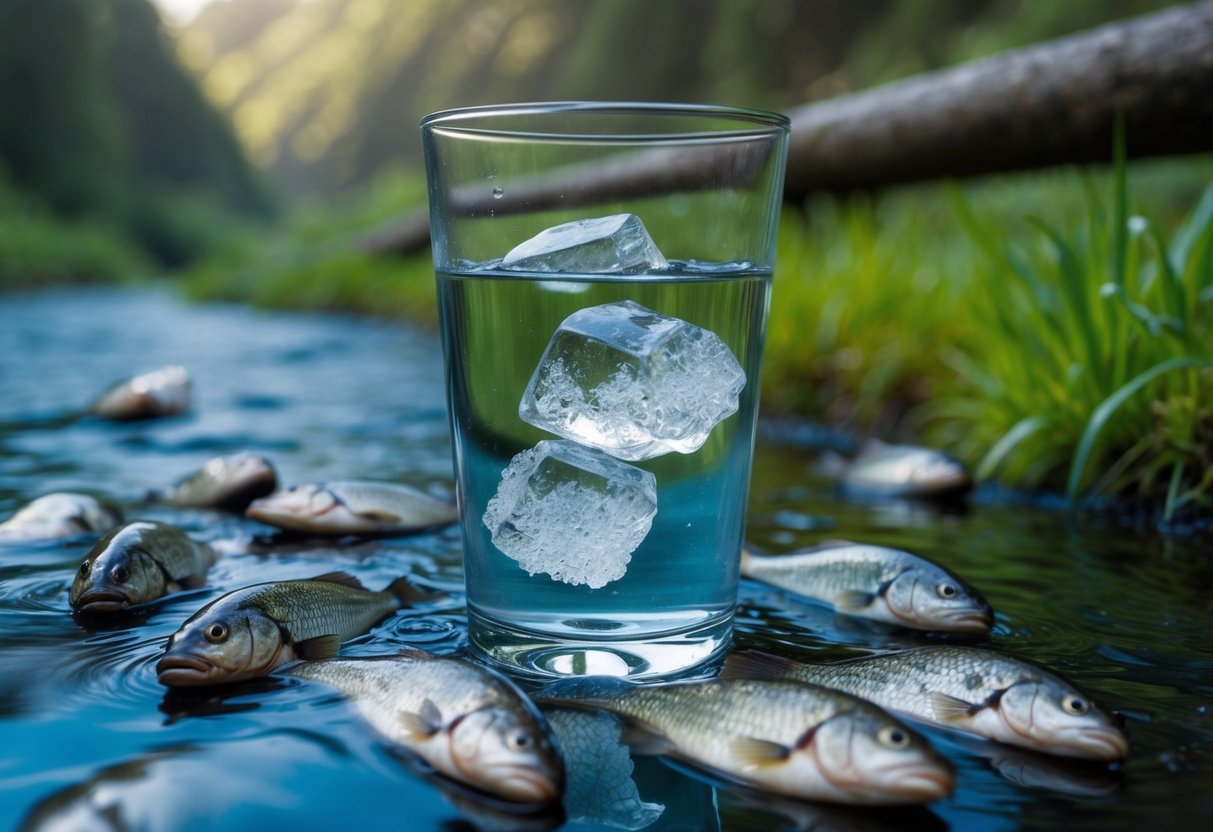
Sulfate in drinking water can affect human health and the environment. High levels may cause digestive issues in people and impact aquatic ecosystems.
Known Health Effects
Drinking water with high sulfate levels can lead to stomach upset and diarrhea. This laxative effect is more likely in people not used to sulfate-rich water.
The taste of water changes when sulfate levels are above 250 mg/L. This is why the EPA set this as the Secondary Maximum Contaminant Level.
Sulfate can create hydrogen sulfide gas, which smells like rotten eggs. This gas isn’t usually harmful but can be a nuisance.
Some groups are more at risk:
- Infants
- Travelers
- People with certain health conditions
Effects on the Environment
High sulfate levels in water can harm plants and animals. It changes water chemistry and affects aquatic life.
Acid sulfate soils are a big problem. When exposed to air, they make sulfuric acid. This acid can:
- Kill fish and plants
- Corrode metal and concrete
- Make water unfit for drinking or farming
Sulfate runoff from mines and factories can pollute rivers and lakes. This hurts wildlife and makes water treatment harder.
In some areas, natural sulfate levels are already high. Human activities can make this worse, leading to long-term environmental issues.
Regulatory Standards
Sulfate levels in drinking water are subject to various guidelines and regulations. Different agencies have established standards to ensure water quality and safety for consumers.
EPA Drinking Water Standards
The U.S. Environmental Protection Agency (EPA) oversees drinking water quality in the United States. For sulfate, the EPA has not set a primary drinking water standard. This means there is no enforceable Maximum Contaminant Level (MCL) for sulfate in public water systems.
The EPA does not consider sulfate a health hazard at typical levels found in drinking water. However, high sulfate concentrations can cause temporary gastrointestinal effects in some people.
Secondary Maximum Contaminant Levels
While there is no primary standard, the EPA has established a Secondary Maximum Contaminant Level (SMCL) for sulfate. The SMCL for sulfate is 250 milligrams per liter (mg/L).
Secondary standards are non-enforceable guidelines. They address aesthetic issues such as taste, odor, and color of drinking water. Water utilities are encouraged to meet these standards, but are not required to do so by law.
International Guidelines
Internationally, sulfate regulations in drinking water vary. The World Health Organization (WHO) has not set a health-based guideline for sulfate. However, it recommends that concentrations above 500 mg/L may cause taste issues.
Some countries have their own standards. For example, the European Union’s Drinking Water Directive sets a parametric value of 250 mg/L for sulfate, similar to the EPA’s secondary standard.
Many nations use these international guidelines as a basis for their own drinking water regulations, adapting them to local conditions and water sources.
Detection and Testing of Sulfates
Sulfates in drinking water can be detected through various methods. These range from simple observation to professional laboratory analysis. Knowing how to identify and measure sulfate levels is important for ensuring water quality and safety.
Indicators of Sulfate Presence
High sulfate levels in water can cause noticeable changes. A rotting egg odor is often a sign of sulfates. This smell is due to hydrogen sulfide gas, which forms when sulfate-reducing bacteria break down sulfates.
Water color may also change. Sulfates can make water appear cloudy or give it a slight yellowish tint. However, color alone isn’t a reliable indicator.
Taste is another clue. Sulfates can make water taste bitter or salty. The taste threshold varies, but most people can detect sulfates at levels above 250 mg/L.
Professional Water Testing
For accurate results, professional water testing is recommended. Water testing laboratories use specialized equipment to measure sulfate levels precisely.
Most labs use ion chromatography or spectrophotometry methods. These tests can detect sulfates at very low concentrations.
Professional testing also checks other water quality parameters. This includes pH, which can affect sulfate behavior in water.
Many water utilities offer testing services. Private labs are another option. Results usually include a detailed report of sulfate levels and other contaminants.
Home Testing Options
Several home testing options are available for those who want quick results. These include:
- Test strips: Simple to use, these paper strips change color based on sulfate levels.
- Color disk kits: These compare water samples to color standards.
- Digital meters: More accurate but pricier, these devices give numerical readings.
Home tests are less precise than lab tests. They’re good for initial screening but not for exact measurements.
When using home tests, it’s important to follow instructions carefully. Factors like temperature and other minerals in water can affect results.
If home tests show high sulfate levels, it’s best to confirm with professional testing.
Treatment Methods
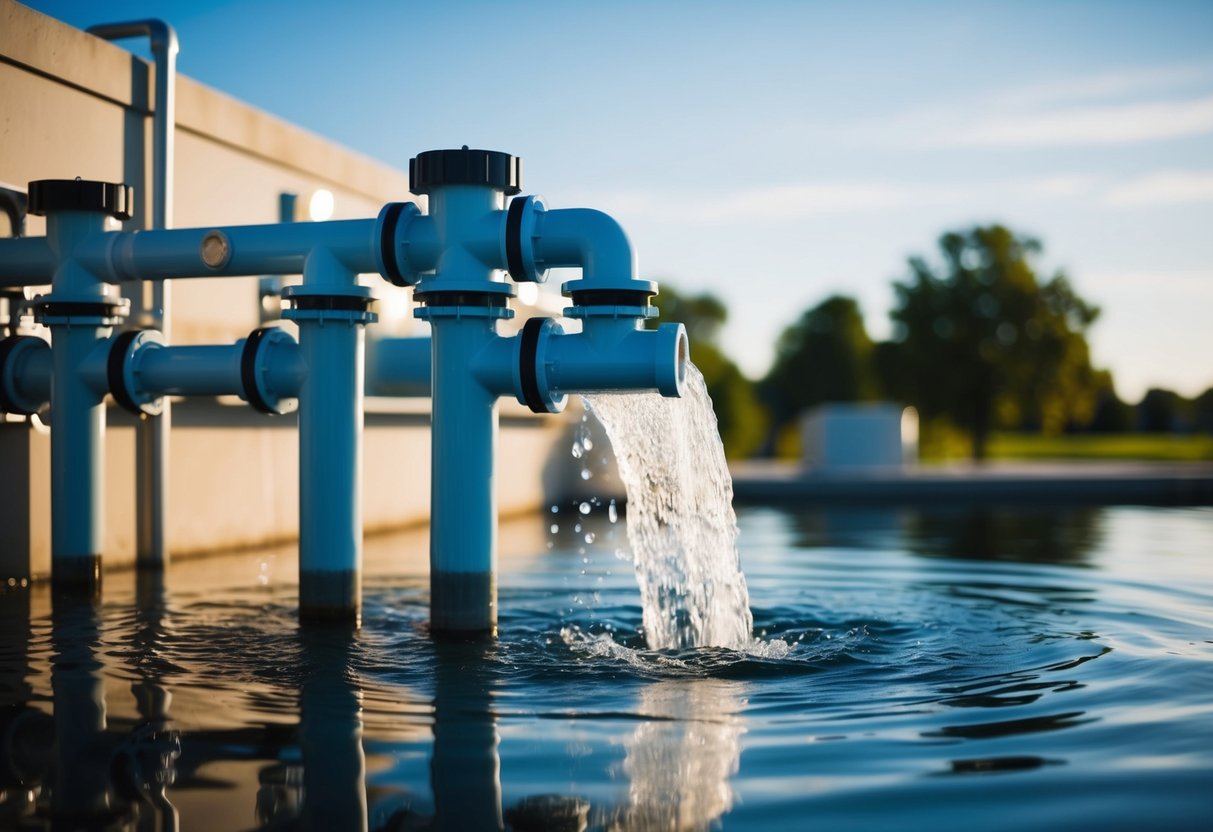
Several methods can remove sulfate from drinking water. These include filtration, ion exchange, and membrane-based technologies. Each approach has its own strengths and is suited for different situations.
Water Filtration Systems
Water filtration systems use special materials to trap sulfate ions. Nanofiltration techniques are very good at this. They use membranes with tiny pores to catch sulfate molecules.
Some filters use activated carbon. This material can absorb many impurities, including sulfate. Carbon filters are easy to use at home.
Another option is reverse osmosis filters. These push water through a very fine membrane. They can remove up to 97% of sulfates.
Regular maintenance is key for all filters. Clogged or worn-out filters won’t work well. It’s important to change them as recommended by the manufacturer.
Ion Exchange Process
Ion exchange is a popular method for sulfate removal. It works by swapping sulfate ions for other ions. This process is similar to how water softeners remove hard water minerals.
The system uses special resins. These resins attract sulfate ions and release chloride ions. This exchange happens very quickly as water flows through the resin bed.
Ion exchange can remove large amounts of sulfate. It’s often used in industrial settings. The process also helps prevent corrosion in pipes.
One downside is that the resin needs regular regeneration. This means flushing it with a salt solution. The waste from this process must be disposed of properly.
Distillation and Reverse Osmosis
Distillation and reverse osmosis are highly effective for sulfate removal. Both methods produce very pure water.
Distillation works by boiling water and collecting the steam. Sulfates and other minerals stay behind. The steam is then cooled back into liquid water.
This method removes nearly all impurities. It’s energy-intensive but very thorough.
Reverse osmosis uses pressure to force water through a special membrane. This membrane blocks sulfates and other dissolved solids.
The process can reach low sulfate levels required by strict standards.
Both methods work well for home use. They can remove other contaminants besides sulfate. This includes things like iron and copper that can cause taste issues.
Practical Considerations
Sulfate in drinking water impacts water systems and household appliances. It affects maintenance, costs, installation, and system capacity. These factors are key for homeowners and water providers to consider.
Maintenance and Cost
High sulfate levels in water can lead to scale buildup in pipes and appliances. This buildup reduces efficiency and increases energy use.
Regular cleaning of faucets and showerheads is needed to prevent clogs. Water heaters may require more frequent flushing to remove sulfate deposits.
Sulfate can also speed up corrosion in metal pipes. This may result in more frequent repairs or replacements in the water distribution system.
Water treatment plants might need special equipment to remove excess sulfate. This can raise operating costs, which may be passed on to consumers through higher water bills.
Installation and Capacity
Water supply systems in areas with high sulfate levels need careful planning. Pipes and fixtures should be chosen for their resistance to sulfate corrosion.
Treatment plants may require larger capacity to handle sulfate removal. This can mean bigger tanks, more filters, or additional chemical treatment steps.
Home water softeners might need upsizing to deal with hard water caused by sulfates. Households may also consider point-of-use filters for drinking water.
Plumbing codes in high-sulfate areas may have special requirements. These could include using specific materials or adding extra treatment steps.
Alternatives to Tap Water
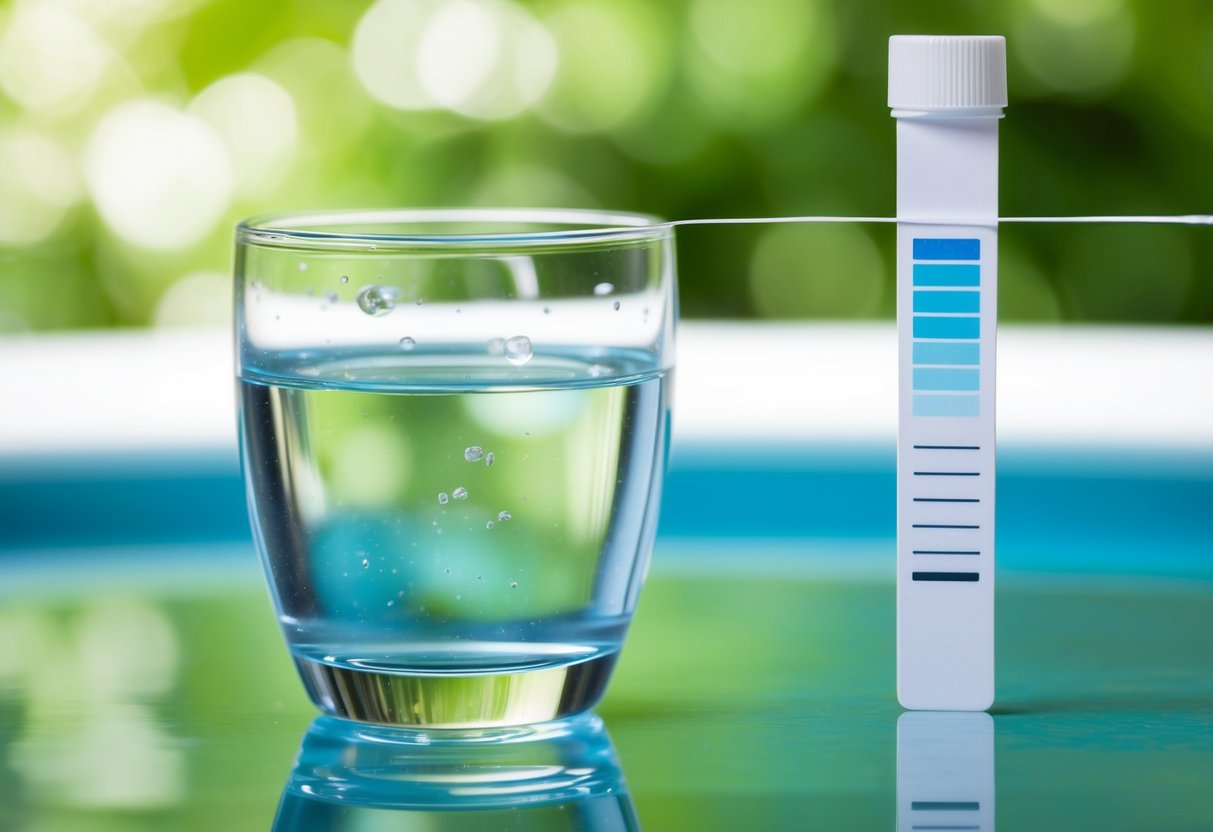
People often look for other options besides tap water. Some choose bottled water, while others use filters at home. These alternatives aim to improve taste and reduce certain substances in drinking water.
Bottled Water Pros and Cons
Bottled water is a popular choice for many. It’s convenient and portable. Some people think it tastes better than tap water.
Bottled mineral water may have different mineral content compared to tap water.
But bottled water has downsides too. It’s more expensive than tap water. Plastic bottles create waste and harm the environment. The quality isn’t always better than tap water.
Bottled water regulations vary. Some brands are just filtered tap water. Others come from springs or wells. It’s important to read labels to know what you’re drinking.
Point-of-Use Filters
Home water filters offer another option. These devices attach to faucets or sit on countertops. They remove various substances from tap water.
Common filter types include:
- Activated carbon filters
- Reverse osmosis systems
- UV light purifiers
Filters can improve taste and smell. They also reduce common contaminants like chlorine. Some remove heavy metals or other harmful substances.
But filters need regular maintenance. Cartridges must be changed on time, or they can grow bacteria. It’s crucial to follow the manufacturer’s instructions.
Point-of-use filters can be a cost-effective way to improve water quality at home. They offer a middle ground between tap and bottled water.
Aesthetic Considerations

Sulfate in drinking water can affect its taste and appearance. These aesthetic issues may influence consumer satisfaction and acceptance of their water supply.
Taste and Odor Issues
Sulfate can give water a distinct taste that some find unpleasant. At high levels, it may cause a bitter or medicinal flavor. People often describe sulfate-rich water as having a salty or mineral-like taste.
The taste threshold for sulfate varies. Some can detect it at low concentrations, while others may not notice until levels are much higher. Factors like temperature and other minerals present can affect taste perception.
Sulfate itself does not produce odors in water. But it can contribute indirectly to smell issues. Sulfate-reducing bacteria can create hydrogen sulfide gas, giving water a rotten egg odor.
Water Appearance
Sulfate can impact how water looks. High levels may cause cloudiness or turbidity. This can make water appear less clear and appealing.
Sulfate can also affect water color. It may give a slight yellowish tint to water, especially when combined with other minerals. This discoloration is usually not harmful but can be off-putting to consumers.
In some cases, sulfate can lead to scaling or deposits. These can build up on fixtures and appliances, creating unsightly stains or residues. Hard water with high sulfate content may leave mineral spots on glassware and dishes after washing.
Frequently Asked Questions
Sulfates in drinking water can have various impacts on health and water quality. Understanding these effects, removal methods, and safety guidelines is important for consumers.
What are the potential health effects of consuming sulfates in drinking water?
Consuming high levels of sulfates in drinking water may cause gastrointestinal issues like diarrhea and dehydration. This is especially true for infants and people not used to sulfate-rich water.
Some people might experience a laxative effect. However, most adults can adapt to higher sulfate levels over time.
What methods can be used to effectively remove sulfates from water?
Reverse osmosis is one of the most effective methods for removing sulfates from water. It can remove up to 99% of sulfates.
Ion exchange systems are also useful. They swap sulfate ions for chloride ions.
Distillation is another option. It removes sulfates along with other impurities by boiling water and collecting the steam.
How can one determine if their drinking water contains a safe level of sulfates?
Water testing is the best way to check sulfate levels. Home test kits are available, but professional lab testing is more accurate.
Local water authorities often provide water quality reports that include sulfate levels. These reports are usually available online or by request.
What are common sources that lead to the presence of sulfates in drinking water?
Natural sources of sulfates include soil and rock formations that water passes through. This is common in areas with gypsum or other sulfur-containing minerals.
Industrial activities can also contribute to sulfate levels. These include mining operations and paper manufacturing.
Agricultural runoff may increase sulfate concentrations in water sources.
Is there a correlation between high sulfate levels and any symptoms in individuals?
High sulfate levels can cause a bitter or medicinal taste in water. This may lead to reduced water consumption.
Some people might experience temporary digestive discomfort when first consuming high-sulfate water.
Individuals with certain health conditions may be more sensitive to sulfates in water.
What regulations and guidelines exist regarding sulfate concentrations in drinking water?
The World Health Organization (WHO) suggests a guideline value of 500 mg/L for sulfates in drinking water.
The U.S. Environmental Protection Agency (EPA) has set a secondary maximum contaminant level of 250 mg/L for sulfates.
Many countries have their own regulations. These often align with WHO guidelines but may vary based on local conditions.