Silver in drinking water has gained attention as a potential method for water purification. Some people believe it can kill harmful bacteria and make water safer to drink.
Silver can be found in drinking water sources and may also be added intentionally for disinfection purposes.
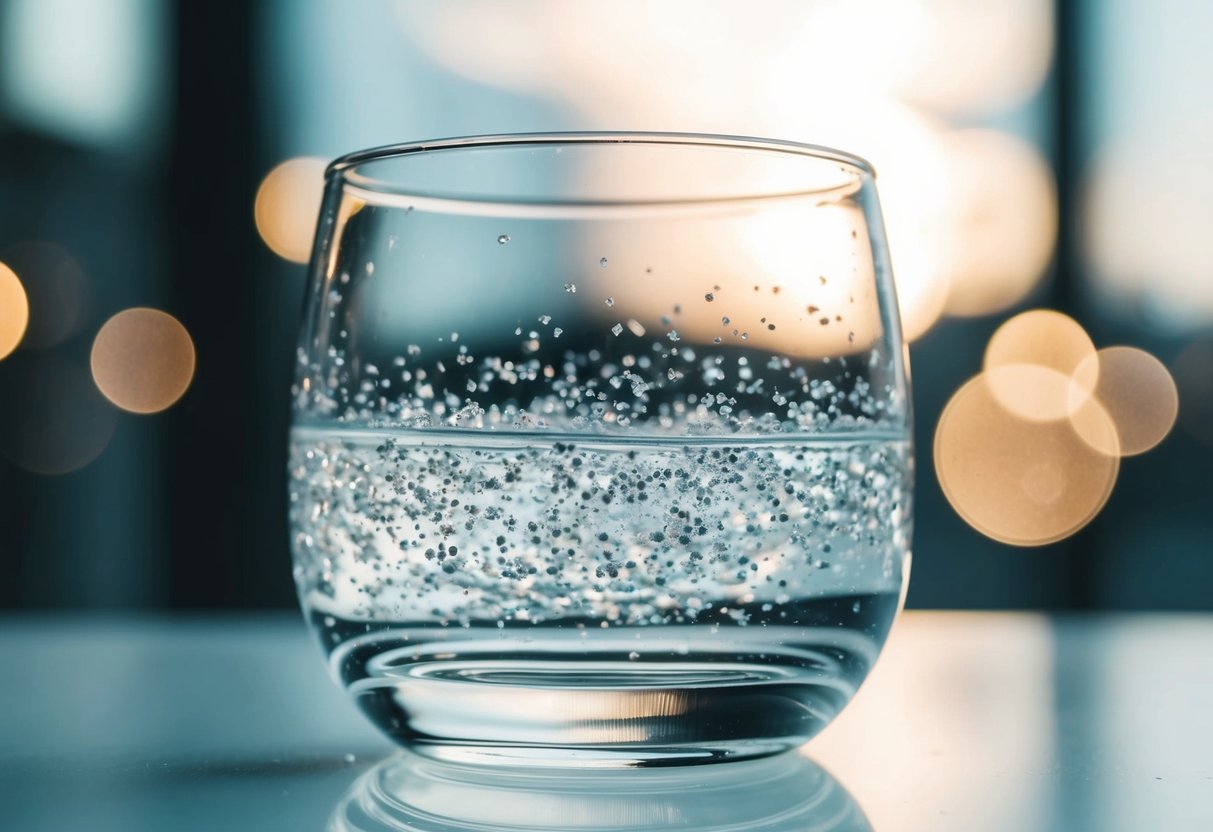
The use of silver in water treatment isn’t new. For many years, silver has been known for its antimicrobial properties. Some water filters and treatment devices now use silver nanoparticles to clean water.
These tiny particles of silver can kill germs and make water safer.
While silver shows promise for water treatment, it’s important to understand its effects. Too much silver in water could pose health risks. Experts are still studying how silver in drinking water impacts people and the environment.
Let’s explore what we know about silver in our water supplies.
Key Takeaways
- Silver has antimicrobial properties that can help disinfect drinking water
- Too much silver in water may have negative health effects
- Regulations exist to limit silver levels in drinking water for safety
Background on Silver
Silver is a precious metal with unique properties. It has been used for thousands of years in various applications, from jewelry to medicine. Silver’s antimicrobial effects make it useful for water purification.
Silver Properties
Silver is a soft, white metal with the highest electrical and thermal conductivity of any element. It has an atomic number of 47 and the symbol Ag. Silver naturally occurs in the Earth’s crust.
At room temperature, silver is stable in air and water. It does not oxidize easily but can tarnish when exposed to sulfur compounds. Silver has a low toxicity to humans but can be harmful to aquatic life.
Silver has strong antimicrobial properties. It can kill bacteria, viruses, and other microorganisms. This makes it useful for medical and water treatment applications.
History of Silver in Medicine
Silver has been used in medicine for centuries. Ancient civilizations used silver vessels to keep water fresh. In the 1800s, doctors used silver nitrate to treat wounds and prevent infections.
Silver compounds were widely used as antibiotics before modern drugs. Colloidal silver was popular in the early 1900s to treat various ailments. The use of silver declined with the rise of antibiotics.
Today, silver is still used in some medical devices and wound dressings. Its antimicrobial properties help prevent infections. Silver is also used in water filters and purification systems.
Colloidal Silver
Colloidal silver is a liquid with tiny silver particles suspended in it. It is made by running an electric current through silver electrodes in water. The resulting solution contains silver ions and particles.
Some people claim colloidal silver has health benefits. However, there is little scientific evidence to support these claims. Drinking colloidal silver can be risky. It may cause a condition called argyria, which turns the skin blue-gray.
Colloidal silver is sometimes used in water filters. It can help kill bacteria and other microorganisms. However, its use in drinking water is controversial due to potential health risks.
Health Benefits and Claims
Silver in drinking water has been associated with various health claims. These include potential immune system support, disease prevention, and water purification benefits. While some claims are backed by research, others require more scientific evidence.
Immune System Boost
Silver is thought to enhance immune function. Some studies suggest it may stimulate the production of white blood cells. These cells help fight off harmful bacteria and viruses in the body.
Silver’s antimicrobial properties may also contribute to immune support. It can kill certain pathogens on contact. This action may reduce the overall burden on the immune system.
However, the effects of silver on human immune function are not fully understood. More research is needed to confirm these potential benefits.
Prevention of Diseases
Proponents claim silver can help prevent or treat various diseases. These include cancer, HIV, Lyme disease, and diabetes. However, scientific evidence for these claims is limited.
Some studies show silver’s antibacterial properties may help fight certain infections. But its effectiveness against viruses and chronic diseases is not well-established.
The EPA and WHO have set guidelines for safe silver levels in drinking water. Excessive silver intake can lead to a condition called argyria, which causes skin discoloration.
Role in Water Disinfection
Silver plays a significant role in water disinfection. It is used in many water filtration systems and portable water purifiers.
Silver ions can effectively kill harmful bacteria and other microorganisms in water. This makes it useful for both large-scale water treatment and point-of-use applications.
Ceramic water filters treated with silver have shown promise in low-income settings. These filters can provide safe drinking water at a relatively low cost.
When used properly, silver-based water disinfection methods can help prevent waterborne diseases. This is especially important in areas lacking access to clean drinking water.
Silver in Drinking-Water
Silver can be found in some drinking water sources. It’s important to understand where it comes from and how it affects water quality. Guidelines exist to ensure safe levels in our tap water.
Sources of Silver
Silver enters drinking water in various ways. Natural sources include soil and rock erosion. Human activities also contribute. These include:
• Mining
• Industrial processes
• Photography (less common now)
• Use of silver-containing water filters
Some water treatment methods use silver as a disinfectant. This can lead to its presence in tap water. Nanosilver particles in water filters may also release silver into drinking water.
WHO Guidelines on Silver in Drinking-Water
The World Health Organization (WHO) sets guidelines for silver in drinking water. These ensure water safety worldwide. Key points include:
• Provisional guideline value: 0.1 mg/L
• Based on a lifetime of consumption
• Aims to prevent argyria (skin discoloration)
The WHO notes that silver levels in drinking water sources are usually low. Most water samples contain less than 5 μg/L. Higher levels may occur where silver is used for water disinfection.
Drinking-Water Quality
Silver affects drinking water quality in several ways:
- Taste: High levels can cause a metallic taste.
- Safety: Very high levels may lead to health issues.
- Disinfection: Silver can help kill bacteria in water.
Water providers monitor silver levels to ensure safety. They use various treatment methods to remove excess silver if needed. Regular testing helps maintain good water quality.
Home water filters with silver can improve taste and kill germs. But they should be used properly to avoid adding too much silver to drinking water.
Health Risks and Side Effects
Silver in drinking water can lead to several health concerns. The main risks include skin discoloration, organ damage, and potential toxicity at high levels. Regulatory bodies have set guidelines to address these issues.
Argyria and Other Side Effects
Argyria is a rare condition caused by excessive silver intake. It turns the skin a blue-gray color. This change is often permanent. Other side effects may include eye irritation and vision problems.
Silver can build up in organs like the liver and kidneys. This accumulation might harm these organs over time. Some people may have allergic reactions to silver. These can cause skin rashes or breathing issues.
Drinking water with high silver levels may lead to stomach upset. Nausea and diarrhea are possible symptoms. In rare cases, nerve damage can occur.
Silver Toxicity
Silver toxicity happens when too much silver enters the body. This can occur through drinking water, food, or other sources. Signs of toxicity include:
- Headaches
- Fatigue
- Digestive problems
- Muscle weakness
Long-term exposure to high silver levels may affect bone health. It can interfere with calcium absorption. This might increase the risk of osteoporosis.
In severe cases, silver toxicity can harm the nervous system. It may cause seizures or other neurological symptoms. These effects are rare but serious.
FDA Stance on Safety
The FDA views silver as generally safe in small amounts. They have not set a specific limit for silver in drinking water. However, they monitor its use in food and medical products.
The EPA has set a guideline for silver in drinking water. The maximum contaminant level goal is 0.1 mg/L. This level aims to prevent health risks from long-term exposure.
The FDA does not approve colloidal silver as a health supplement. They warn against its use for treating diseases. The agency states there’s no proof it works and it may be harmful.
Health experts advise caution with silver-based water filters. These can add silver to drinking water. It’s important to follow manufacturer instructions to avoid excess silver intake.
Regulation and Exposure Guidelines
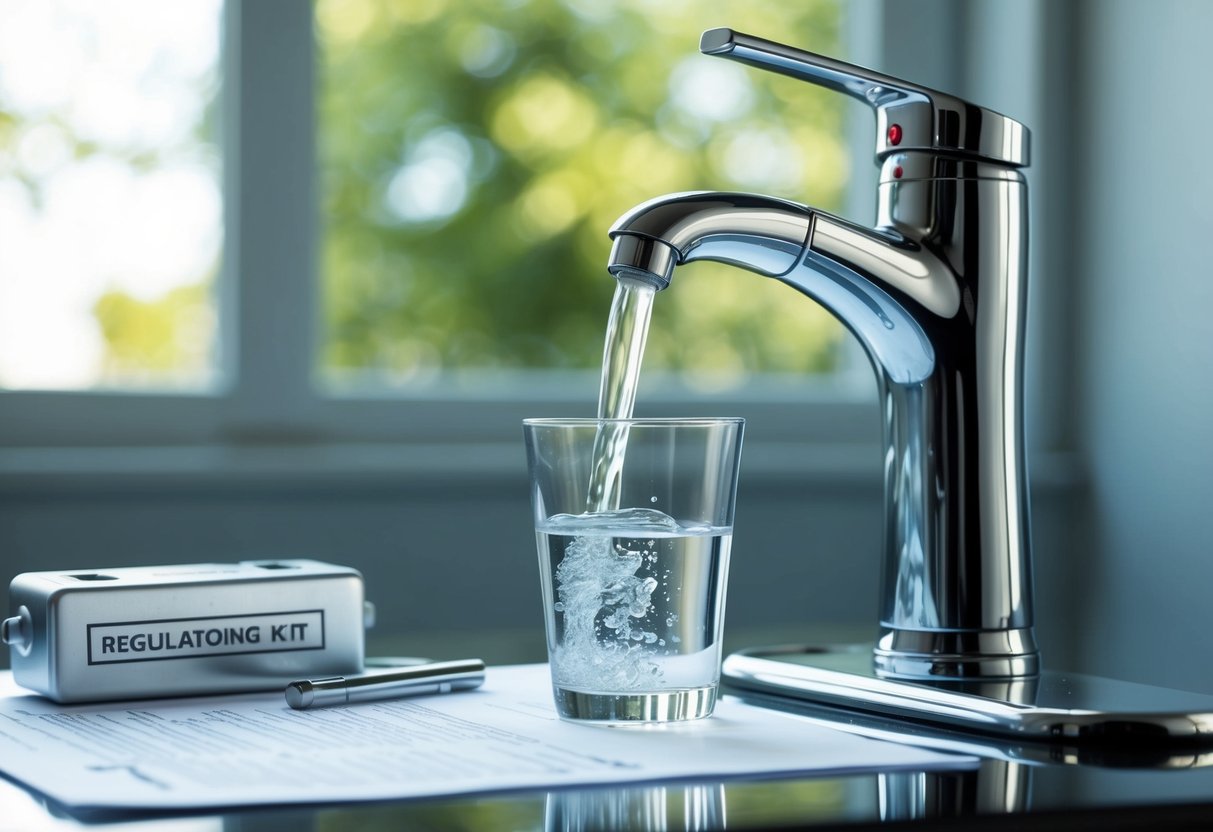
Silver in drinking water is subject to regulatory limits and filtration methods. Guidelines aim to protect public health while allowing beneficial uses of silver compounds.
Safe Exposure Limits
The World Health Organization (WHO) has set guidelines for silver in drinking water. These limits help prevent health issues from long-term exposure.
The current WHO guideline value for silver in drinking water is 0.1 mg/L. This level is considered safe for lifetime consumption.
Some countries have their own limits. The United States Environmental Protection Agency previously had a limit of 0.05 mg/L for silver. However, they later proposed removing this limit.
Regulatory bodies review these limits regularly. They consider new research on silver’s health effects. The goal is to balance safety with practical water treatment needs.
Activated Carbon Filtration
Activated carbon filtration is an effective method for removing silver from drinking water. This process uses specially treated carbon to trap contaminants.
The carbon has a large surface area with many tiny pores. These pores can capture silver ions and particles as water passes through.
Granular activated carbon (GAC) filters are common in home water treatment systems. They can remove up to 99% of silver from water.
For best results, filters should be replaced regularly. The frequency depends on water quality and usage.
Most manufacturers recommend changing filters every 3-6 months.
Activated carbon also removes other contaminants like chlorine and organic compounds. This makes it a versatile option for overall water purification.
Contemporary Uses and Research
Silver has gained attention in water treatment due to its antimicrobial properties. Scientists are exploring its potential while also studying possible health effects.
Silver Nanoparticles in Water Treatment
Silver nanoparticles show promise for cleaning drinking water. These tiny particles can kill harmful germs.
Some water filters now use silver to make water safer.
Researchers are testing new ways to add silver to filters. One study looked at a different method for applying silver to ceramic filters.
This could make the filters work better and cost less.
Silver nanoparticles might replace some antibiotics in water treatment. They can fight bacteria that have become resistant to regular drugs.
Ongoing Studies on Health Impacts
Scientists are still learning about how silver in water affects people. The World Health Organization is reviewing information to set safe levels in drinking water.
Some studies check if silver from pipes gets into tap water. One report found that copper pipes can release silver particles. This was a surprise to many experts.
Research also looks at long-term effects of drinking water with silver. Scientists want to know if it’s safe for daily use.
They test different amounts to find what’s best for killing germs without harming people.
Consumer Advice
Choosing the right water filter and understanding health claims about silver in consumer products can help protect your drinking water.
Knowing what to look for empowers you to make informed decisions about water safety.
Choosing Water Filters
When picking a water filter, look for those certified by reputable organizations. Activated carbon filters are effective at removing many contaminants.
Some new filters use silver nanoparticles for extra germ-fighting power.
Check the filter’s specs to see what it removes. Not all filters take out the same things.
Replace filters as directed to keep them working well.
Consider your local water quality when choosing. If you’re on well water, you may need different filtration than city water users.
Testing your water can help pick the right filter.
Health Claims and Consumer Products
Be wary of exaggerated health claims about silver in water or products. Silver can kill germs, but it’s not a cure-all. The EPA sets limits on silver in drinking water for safety.
Some products claim to use silver as a natural antibiotic. While silver has antimicrobial properties, it’s not the same as medical antibiotics.
Don’t use silver products instead of prescribed medicines.
Check labels on water bottles, filters, and other items. Look for how much silver they contain.
Too much silver can cause health issues. Stick to products with amounts within safety guidelines.
Frequently Asked Questions
Silver in drinking water raises many important questions about health impacts, safety levels, and chemical reactions. Let’s explore some key issues around silver’s presence and behavior in water supplies.
What are the health effects of silver in drinking water?
Silver in drinking water generally has low toxicity to humans. At very high levels, it can cause a condition called argyria, which turns skin bluish-gray. This is mostly a cosmetic issue.
Most people can safely consume small amounts of silver in water. The main concern is long-term exposure to elevated levels.
How does colloidal silver interact with drinking water?
Colloidal silver in water filters can release silver ions. These ions have antimicrobial properties.
The silver interacts with microorganisms in the water. It can help reduce bacteria and other pathogens.
What is the EPA’s maximum contaminant level for silver in drinking water?
The EPA has set a secondary maximum contaminant level of 0.1 mg/L for silver in drinking water. This is not enforceable but serves as a guideline.
The level is based on cosmetic effects rather than health concerns. It aims to prevent discoloration of skin, hair, and other tissues.
Can drinking water from a silver cup impart any health benefits?
Drinking from a silver cup may release tiny amounts of silver ions into the water. Some believe this has antimicrobial benefits.
However, scientific evidence for health benefits is limited. Any effects are likely to be very minor.
What reactions occur when silver is introduced into drinking water?
When silver enters water, it can form various compounds. Silver chloride is a common one in drinking water systems.
Silver ions can also interact with organic matter and other substances in the water. These reactions affect the silver’s behavior and availability.
How does temperature affect the behavior of silver in water?
Temperature influences silver’s solubility and reactivity in water.
Generally, solubility increases with higher temperatures.
Warmer water may lead to more silver ions being released from solid silver sources. This can affect the concentration of silver in the water.