Sea salt in drinking water has gained attention in recent years. Many people believe it can improve hydration and offer health benefits. But is this really true?
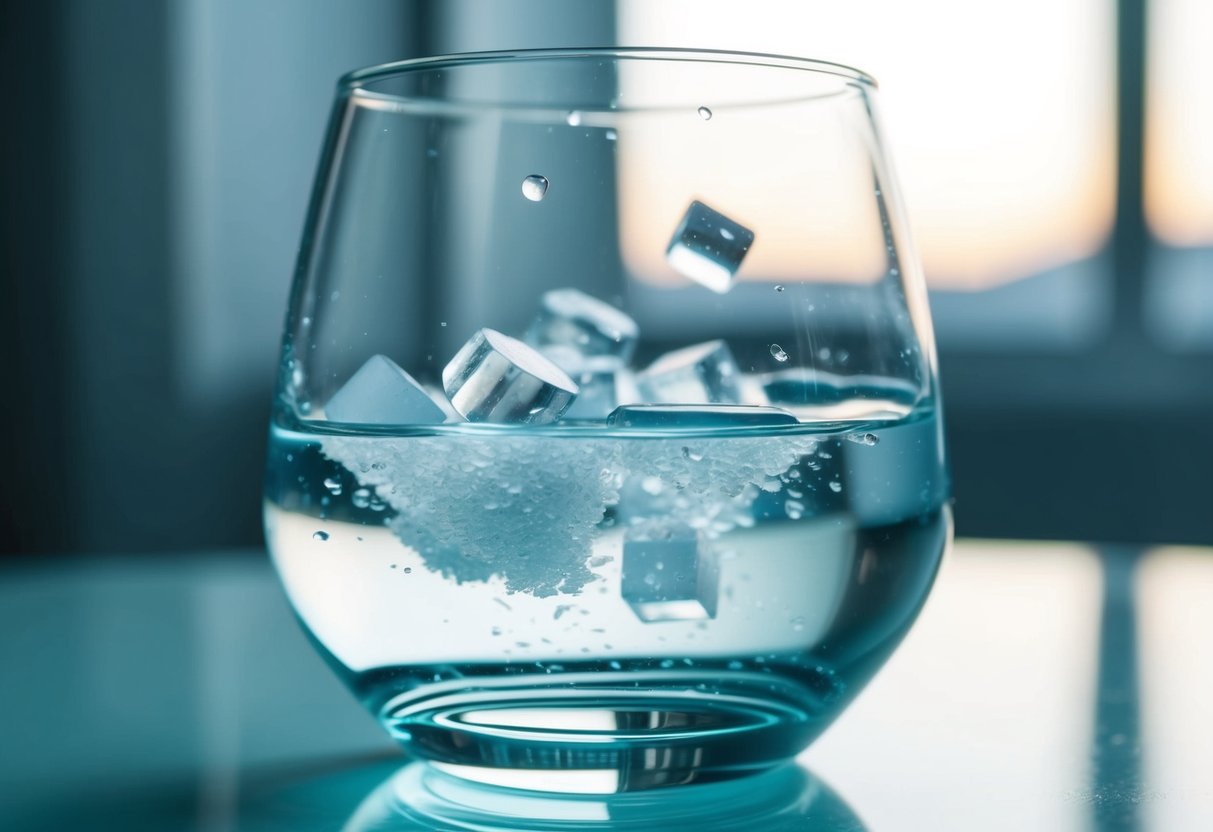
Adding sea salt to drinking water may enhance hydration by helping the body retain fluids better. This is because salt helps maintain the balance of electrolytes in our system.
Some athletes and fitness enthusiasts use this method to stay hydrated during intense workouts or in hot weather.
While sea salt contains trace minerals, the amounts are usually too small to make a significant difference in our diets. It’s important to note that too much sodium can be harmful. People with certain health conditions should be careful about adding extra salt to their diets, even in small amounts through drinking water.
Key Takeaways
- Sea salt in drinking water may improve hydration by helping retain fluids.
- The trace minerals in sea salt are typically present in very small amounts.
- Excessive sodium intake can be harmful, so moderation is key.
The Role of Sea Salt in Hydration
Sea salt plays a key role in hydration by providing essential electrolytes. It helps maintain fluid balance and supports water absorption in the body.
Importance of Electrolytes
Electrolytes are vital for optimal hydration. These minerals, found in sea salt, include sodium, potassium, magnesium, and calcium. They help regulate fluid balance in cells.
Sodium is crucial for maintaining blood volume. It also aids in nerve function and muscle contractions.
Potassium works with sodium to balance fluids inside and outside cells. It’s important for heart health and muscle function.
Magnesium and calcium support various bodily processes. They help with energy production, bone health, and muscle relaxation.
During exercise or hot weather, we lose electrolytes through sweat. Replacing these minerals is key for proper hydration and body function.
Hydration vs. Dehydration
Proper hydration keeps the body functioning well. It supports temperature regulation, nutrient transport, and waste removal.
Dehydration occurs when fluid loss exceeds intake. Signs include thirst, dark urine, dry mouth, and fatigue.
Mild dehydration can impact physical and mental performance. Severe cases may lead to serious health issues.
Sea salt can help prevent dehydration by encouraging water retention. It also stimulates thirst, prompting increased fluid intake.
Balanced electrolyte levels from sea salt support better hydration than plain water alone. This is especially true during intense exercise or in hot climates.
Sea Salt and Water Absorption
Sea salt enhances water absorption in the body. It helps move water from the digestive system into the bloodstream more efficiently.
The sodium in sea salt activates a mechanism called the sodium-glucose transport system. This system pulls water into the cells along with glucose.
Adding a pinch of sea salt to water can improve hydration. It’s more effective than drinking plain water, especially after sweating.
For athletes or those in hot environments, sea salt can aid in quick rehydration. It helps replace lost electrolytes and promotes faster fluid uptake.
Caution is needed when consuming salt water. Too much salt can lead to increased thirst and potential health issues. A small amount in drinking water is beneficial, but moderation is key.
Health Implications of Sea Salt in Drinking Water
Sea salt in drinking water can affect blood pressure, digestion, and kidney function. These impacts vary based on the amount consumed and individual health factors.
Balancing Blood Pressure
Drinking water salinity can influence blood pressure levels. High sodium intake from salty water may lead to increased blood pressure in some people. This is especially true for those already at risk of hypertension.
However, the effects are not the same for everyone. Some individuals may not experience significant changes in blood pressure from sea salt in water.
It’s important to monitor sodium intake from all sources, including drinking water. People with high blood pressure or heart conditions should be extra cautious.
Digestive Benefits and Concerns
Sea salt in water can affect digestive health in various ways. Small amounts may aid in maintaining proper stomach acid levels, potentially improving digestion.
On the flip side, excessive salt intake can cause:
- Increased thirst
- Water retention
- Bloating
- Changes in bowel movements
For some, high salt intake may irritate the stomach lining. This could lead to discomfort or worsen existing digestive issues.
Moderation is key. Too little salt can be just as problematic as too much for digestive health.
Impacts on Kidney Function
The kidneys play a crucial role in regulating sodium levels in the body. Excessive salt intake from drinking water can put extra strain on these organs.
Over time, high salt consumption may contribute to:
- Kidney stones
- Reduced kidney function
- Increased risk of kidney disease
People with existing kidney issues should be particularly careful about their salt intake from all sources, including drinking water.
Regular kidney function tests can help monitor the impact of dietary salt, including that from drinking water.
Comparing Types of Salt
Salt comes in different varieties, each with its own characteristics. The two main types are sea salt and table salt. These salts differ in their processing methods and mineral content.
Sea Salt vs. Table Salt
Sea salt comes from evaporated seawater. It keeps more minerals from its source. Table salt is mined from underground deposits. It goes through more processing.
Sea salt has a coarser texture and stronger flavor. Table salt is fine-grained with a pure salty taste. Some people prefer sea salt for its natural origins and mineral content.
Table salt often has added iodine. This helps prevent thyroid problems. It may also contain anti-caking agents to prevent clumping.
Both types are mostly sodium chloride. The health effects are similar when used in equal amounts.
Mineral Content of Different Salts
Sea salt contains trace minerals like magnesium, potassium, and calcium. The amounts vary based on the water source. These minerals give sea salt a complex flavor.
Table salt is mostly sodium chloride. It has few other minerals due to processing. Some brands add back minerals for health benefits.
Kosher salt is another option. It’s similar to sea salt but comes from land sources. It has no additives and a coarse texture.
Here’s a simple comparison of mineral content:
- Sea salt: Contains trace amounts of various minerals
- Table salt: Mostly sodium chloride, often with added iodine
- Kosher salt: Similar to sea salt, but from land sources
The mineral differences are small. All types provide similar sodium levels when used in cooking.
Practical Tips for Adding Salt to Drinking Water
Adding salt to drinking water can help with electrolyte balance. The right amount depends on your needs and health status. Here are some tips for adding salt to water safely.
Dosage and Concentration
The ideal salt concentration in drinking water is about 1/4 teaspoon per liter. This provides around 500 mg of sodium. People doing intense exercise may need more.
Start with less and increase slowly. Too much salt can cause problems. Listen to your body.
Always use clean, non-iodized salt. Sea salt or kosher salt work well. Avoid table salt with additives.
Measure carefully. Use a small scale for accuracy. Or use pre-measured salt packets made for this purpose.
Mix the salt fully into the water before drinking. Warm water helps it dissolve faster.
Making Sea Salt Water at Home
To make sea salt water at home, use 1/4 teaspoon of sea salt per cup of water. This matches the salt level of human blood.
Use filtered water if possible. Tap water may have chemicals that change the taste.
Here’s a simple recipe:
- 1 liter filtered water
- 1/4 teaspoon sea salt
- Optional: 1/4 teaspoon baking soda for alkalinity
Mix well until salt dissolves. Chill before drinking for best taste.
Make small batches fresh each day. Don’t store for long periods.
Some people add a squeeze of lemon for flavor and extra minerals. This is optional.
Potential Benefits and Risks
Sea salt in drinking water has some possible upsides and downsides. It may help athletes, clean the body, and improve skin. But it can also cause problems if not used carefully.
Enhancing Athletic Performance
Some athletes drink salt water to boost their performance. Salt helps the body hold onto water. This can fight dehydration during exercise. Many sports drinks contain salt for this reason.
Salt water may increase energy levels. The minerals in sea salt can replace what’s lost through sweat. This helps keep the body in balance during hard workouts.
But too much salt can be bad. It may lead to stomach issues or make dehydration worse. Athletes should be careful about how much salt water they drink.
Detoxification and Cleansing
Some people think sea salt water can detox the body. They believe it helps remove toxins. The idea is that salt pulls out bad stuff through the skin or digestive system.
There’s little proof that salt water detoxes work. The body already has ways to clean itself. Drinking too much salt water can even be unsafe.
Salt water may help clean out the colon. But this can also upset the balance of minerals in the body. It’s best to talk to a doctor before trying any detox plans.
Skin Health and Conditions
Sea salt may help some skin problems. Some think it can ease eczema or other skin issues. Salt has minerals that might soothe the skin.
Bathing in salt water could help reduce inflammation. This might make skin look better. Salt can also help clean the skin and kill germs.
But drinking salt water isn’t likely to help skin much. Too much salt can even dry out the skin from the inside. It’s better to use salt water on the outside of the body for skin health.
Recognizing Excessive Sodium Intake
Excessive sodium intake from sea salt in drinking water can lead to several health issues. Knowing the signs of overconsumption is crucial for maintaining wellbeing.
Symptoms of Overconsumption
High blood pressure is a common result of too much sodium intake.
People may notice elevated blood pressure readings during routine check-ups.
Dehydration can occur as the body tries to balance extra sodium.
Signs include increased thirst, dry mouth, and dark urine.
Kidney function may be affected.
The kidneys work harder to remove excess sodium, which can lead to strain over time.
Nausea and stomach discomfort are possible symptoms.
In severe cases, this may progress to vomiting or diarrhea.
Swelling in hands, feet, or face might occur.
This is due to fluid retention caused by high sodium levels.
Some individuals may experience dizziness or fainting spells.
This can happen when blood pressure fluctuates due to sodium imbalance.
Headaches and fatigue are other potential signs.
These symptoms often result from the body’s efforts to manage excess sodium.
Emerging Trends and Research
Scientists are studying how sea salt affects drinking water.
Rising sea levels may increase salt in water supplies. This could change the taste and safety of tap water.
Some researchers look at microplastics in salt and water.
They found tiny plastic pieces in table salt, drinking water, and air. These findings raise questions about health impacts.
Wellness trends focus on mineral-rich waters.
Some people believe sea salt adds helpful minerals to drinking water. But experts say tap water already has minerals we need.
Optimal hydration is a key topic.
Scientists study how different mineral levels affect the body’s water balance. They want to know if sea salt in water helps or hurts hydration.
New research looks at using seawater in construction.
This could affect drinking water sources. Builders might use more sea sand and seawater, changing how we manage freshwater.
Supplements with sea minerals are becoming popular.
Some claim these help replace electrolytes. But more studies are needed to prove if they work better than regular water.
Frequently Asked Questions
Sea salt in drinking water raises important health and safety questions. People want to know about its effects, benefits, and potential risks.
Why is drinking salt water harmful?
Drinking salt water can lead to dehydration.
The high salt content forces your body to expel more water than it takes in. This can cause serious health issues if not addressed quickly.
Salt water also puts strain on your kidneys.
They have to work harder to filter out excess salt. Over time, this can damage kidney function.
What are the benefits of adding sea salt to drinking water?
Adding small amounts of sea salt to water can help replace electrolytes lost through sweat.
This may improve hydration for some people, especially after exercise.
Sea salt contains trace minerals not found in table salt.
These include magnesium, potassium, and calcium. However, the amounts are very small.
How can consuming salt water on an empty stomach affect your health?
Drinking salt water on an empty stomach can irritate your digestive system.
It may cause nausea, vomiting, or stomach pain.
The high salt content can also interfere with nutrient absorption.
This is especially true if done regularly over time.
What is the recommended quantity of sea salt to add to water for hydration?
There is no universally recommended amount of sea salt to add to water.
Most experts suggest no more than a pinch (1/8 teaspoon) per liter of water.
It’s important to note that plain water is usually sufficient for hydration for most people. Adding salt is not necessary unless advised by a doctor.
What are the potential risks of overconsumption of salt water?
Drinking too much salt water can lead to hypernatremia, a dangerous condition where there’s too much sodium in the blood.
Symptoms include thirst, confusion, and seizures.
Long-term overconsumption may increase blood pressure. This raises the risk of heart disease and stroke.
Which type of salt is considered the best to add to drinking water and why?
Unrefined sea salt or Himalayan pink salt are often considered best for adding to water. They contain trace minerals that refined table salt lacks.
However, these salts may also contain trace contaminants. The mineral content is very small, so health benefits are limited.