Phosphorus plays a crucial role in our drinking water. While it’s a vital nutrient for life, its presence in water can have both positive and negative effects.
Phosphorus in drinking water can promote bacterial growth, which may impact water quality and safety.
Water treatment plants work hard to manage phosphorus levels. They use special techniques to remove excess phosphorus from our water supply.
This process helps keep our drinking water clean and safe. Some water treatment residuals can even be used to reduce phosphorus in soils.
Scientists study how phosphorus affects water systems. They look at things like biofilm formation and long-term phosphorus retention.
This research helps improve water treatment methods and protect our drinking water.
Key Takeaways
- Phosphorus in drinking water can affect bacterial growth and water quality.
- Water treatment plants use special methods to remove excess phosphorus.
- Ongoing research helps improve phosphorus management in water systems.
Phosphorus Basics
Phosphorus plays a key role in ecosystems and exists in different chemical forms. It is an essential nutrient that impacts water quality and biological processes.
Role in Environmental Ecosystems
Phosphorus is a limiting nutrient in many ecosystems. It controls the growth of plants and algae in water bodies.
Too much phosphorus can lead to excess algae growth and harm water quality.
In natural waters, phosphorus cycles between living organisms and the environment. Plants take up phosphorus from water and soil.
When organisms die, the phosphorus is released back into the ecosystem.
Phosphorus also impacts soil fertility. It helps plants develop strong roots and produce seeds.
Farmers often add phosphorus fertilizers to boost crop yields.
Chemical Forms and Properties
Phosphorus occurs in two main forms in water: organic and inorganic phosphates. Organic phosphates contain carbon, while inorganic phosphates do not.
Inorganic phosphates include:
- Orthophosphates (PO4^3-)
- Polyphosphates (chains of phosphate molecules)
These dissolve easily in water. Plants can use orthophosphates directly.
Organic phosphates come from living or decaying plant and animal matter. Bacteria break these down into inorganic forms.
Phosphorus strongly binds to soil particles. This property affects how it moves through ecosystems and impacts water quality.
Sources of Phosphorus in Water Bodies
Phosphorus enters water bodies through various natural and human-made sources. These sources contribute to the overall phosphorus levels in streams, rivers, and lakes, affecting water quality and ecosystem health.
Natural Sources
Rocks and minerals contain phosphorus that can leach into water bodies. Weathering of these materials releases phosphorus into the environment. Soil erosion also plays a role, carrying phosphorus-rich sediments into streams and rivers.
Decomposing plant matter and animal waste are natural sources of phosphorus. As organisms break down, they release nutrients, including phosphorus, into the surrounding water.
Atmospheric deposition can contribute small amounts of phosphorus to water bodies. Dust particles and volcanic ash may contain trace amounts of this nutrient.
Human Activities
Agricultural practices are a major source of phosphorus in water bodies. Runoff from farms can carry excess phosphorus from fertilizers and manure into nearby waterways.
This is especially problematic when heavy rains occur soon after fertilizer application.
Urban areas contribute to phosphorus pollution through several means. Wastewater treatment plants, even when functioning properly, can release phosphorus into water bodies.
Failing septic systems in rural and suburban areas can leak phosphorus-rich waste into groundwater and nearby streams.
Lawn and garden care in residential areas often involves the use of phosphorus-containing fertilizers. When overused or improperly applied, these can wash into storm drains and local waterways.
Industrial activities, such as food processing and mining operations, can release phosphorus-rich wastewater. Proper treatment of this water is crucial to prevent excess nutrients from entering natural water bodies.
Impact on Aquatic Environments
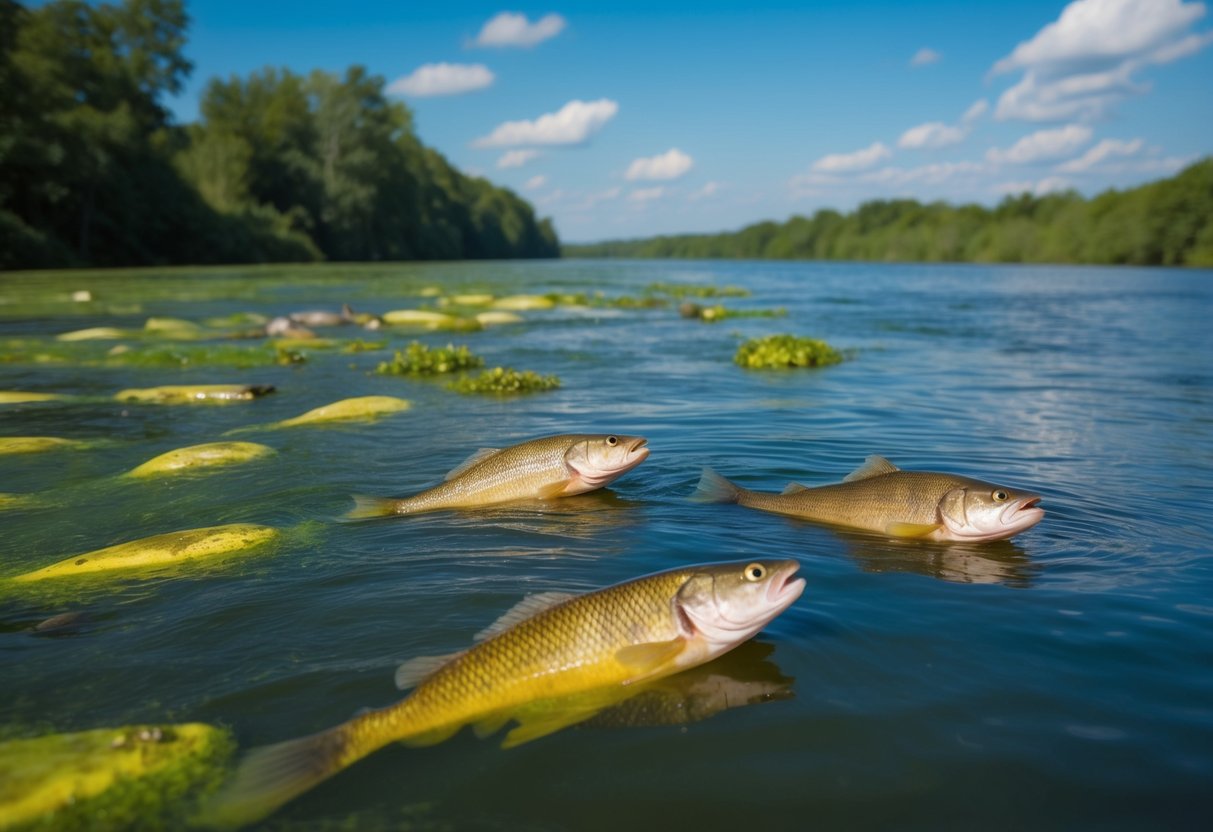
Phosphorus in drinking water can have significant effects on aquatic ecosystems. When excess phosphorus enters lakes, rivers, and other water bodies, it triggers a chain of ecological changes that alter water quality and habitat conditions for aquatic life.
Eutrophication Process
Eutrophication occurs when high levels of nutrients like phosphorus enter aquatic environments. This process stimulates excessive plant and algae growth.
As phosphorus levels rise, algae multiply rapidly, forming dense blooms on the water’s surface.
These algal blooms block sunlight from reaching underwater plants. When the algae die, bacteria break them down, using up dissolved oxygen in the water. This can create oxygen-depleted “dead zones” where aquatic life struggles to survive.
Phosphorus from drinking water can contribute to this issue when it leaks into the environment. Water treatment plants add phosphates to reduce pipe corrosion, but some of this additive may end up in surface waters.
Consequences for Aquatic Life
The effects of phosphorus pollution on aquatic ecosystems can be severe. As dissolved oxygen levels drop, fish and other organisms may die off or be forced to relocate.
This disrupts the food web and biodiversity of affected water bodies.
Harmful algal blooms can produce toxins dangerous to wildlife and humans. These toxins may contaminate drinking water sources and make recreational areas unsafe.
Some algae species can also clog fish gills, suffocating aquatic animals.
Excess phosphorus alters habitat conditions for many species. It can lead to shifts in plant communities and loss of sensitive species that require cleaner water.
The long-term impacts include reduced biodiversity and changes to ecosystem functions.
Phosphorus in Drinking Water Supply
Phosphorus plays a key role in drinking water quality and treatment. It affects public health and water supply systems in various ways.
Regulations and Guidelines
The U.S. Environmental Protection Agency sets limits for phosphorus in drinking water. These guidelines aim to protect public health and maintain water quality.
Typical phosphorus concentrations in drinking water range from 0.01 to 0.5 mg/L. Higher levels may indicate contamination from fertilizers or wastewater.
Some water utilities add phosphates to drinking water. This helps control corrosion in pipes and reduce lead exposure. The amount added is carefully regulated to ensure safety.
Monitoring and Testing Methods
Water suppliers regularly test for phosphorus in drinking water.
Common analytical methods include spectrophotometry and ion chromatography.
Spectrophotometry measures light absorption to determine phosphorus levels. It’s accurate for low concentrations typically found in drinking water.
Ion chromatography separates and quantifies different forms of phosphorus. This method provides detailed information about phosphorus species in water.
Quality control is crucial in phosphorus testing. Labs use certified reference materials and participate in proficiency testing programs.
Water distribution systems are monitored at multiple points. This ensures consistent phosphorus levels throughout the network.
Regular testing helps detect potential issues early. It allows water suppliers to adjust treatment processes as needed.
Treatment Techniques for Phosphorus Removal
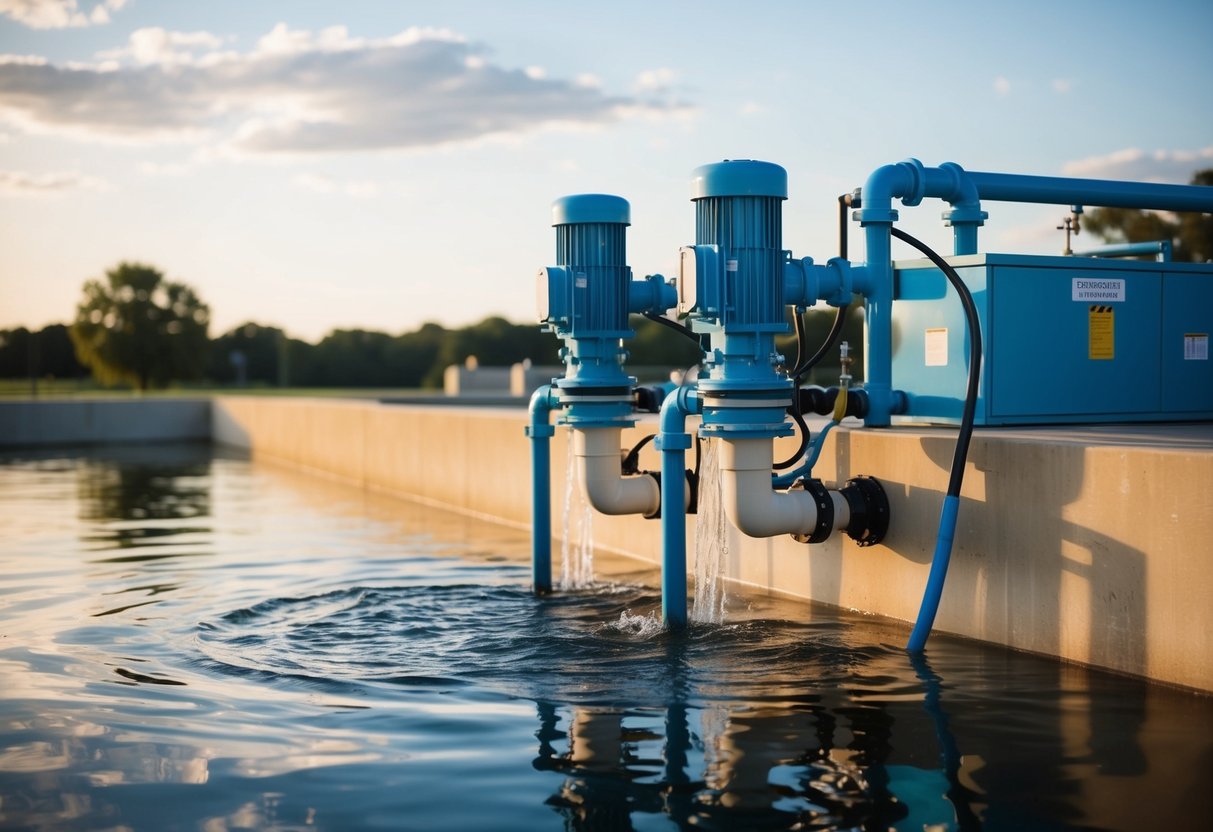
Removing phosphorus from drinking water requires specialized methods. These techniques target different forms of phosphorus and can be applied at various stages of water treatment.
Wastewater Treatment Strategies
Wastewater treatment plants use several processes to remove phosphorus. Chemical precipitation is a common method. It involves adding chemicals like aluminum or iron salts to bind with phosphorus.
The resulting particles then settle out of the water. This process can remove up to 95% of phosphorus.
Biological phosphorus removal uses bacteria to absorb phosphorus. These microbes store phosphorus in their cells. The bacteria are then separated from the water, taking the phosphorus with them.
Some plants combine chemical and biological methods for better results. This approach can achieve very low phosphorus levels in treated water.
Innovative Removal Technologies
New technologies are improving phosphorus removal. Membrane filtration uses tiny pores to catch phosphorus particles. This method works well for removing orthophosphate, a common form of phosphorus in water.
Ion exchange is another effective technique. It uses special resins to swap phosphorus ions for harmless ones. This process is highly selective for phosphorus.
Advanced oxidation breaks down complex phosphorus compounds. It uses powerful oxidants or UV light to make phosphorus easier to remove.
Phosphorus recovery systems are gaining popularity. They turn removed phosphorus into useful products like fertilizer. This helps close the phosphorus cycle and reduces waste.
Environmental and Human Health Effects
Phosphorus in drinking water can affect ecosystems and human wellbeing. It impacts water quality, aquatic life, and may pose health risks.
Impact on Ecosystem Health
Too much phosphorus in water bodies leads to excess algae growth. This process is called eutrophication. It harms aquatic plants and animals.
Algal blooms use up oxygen in the water. Fish and other creatures can’t breathe. Some algae make toxins that hurt wildlife.
Phosphorus buildup affects lakes, rivers, and wetlands. It changes the natural balance. Native species may die off. Invasive plants often take over.
Groundwater can also get polluted. This threatens drinking water sources. Farmers may need to find new water for crops and animals.
Public Health Concerns
High phosphorus in drinking water might not directly harm people. But it can cause other issues that affect health.
Algal toxins can make water unsafe to drink. They may cause skin rashes or stomach problems. Water treatment gets more costly.
Phosphorus helps reduce lead in old pipes. This protects people from lead poisoning. But too much phosphorus has downsides.
Some studies link phosphates to heart and kidney issues. More research is needed. Water quality testing is important to keep people safe.
Prevention and Control Measures
Reducing phosphorus in drinking water requires a mix of practical steps and policy changes. These measures target key sources like farms and cities to limit phosphorus runoff.
Best Management Practices
Farmers can control soil erosion to keep phosphorus on fields.
This includes planting cover crops and creating buffer zones near water.
Urban areas benefit from improved stormwater systems.
These capture phosphorus before it reaches waterways.
Proper fertilizer use is crucial.
Soil testing helps apply only needed amounts.
Timing applications avoids heavy rains that wash away nutrients.
Waste treatment plants can upgrade phosphorus removal technology.
This stops a major source of water pollution.
Homeowners play a role too.
Using phosphate-free detergents and properly maintaining septic systems helps.
Policy and Regulation
Laws can limit phosphorus in detergents and fertilizers.
Some areas ban phosphorus lawn fertilizers unless soil tests show a need.
Governments may require permits for large-scale phosphorus use.
This allows oversight of major sources.
Water quality standards set targets for phosphorus levels.
These guide efforts to clean up polluted waters.
Incentives can encourage farmers to adopt best practices.
This might include tax breaks or cost-sharing for equipment.
Urban planning policies can protect water sources.
This includes limits on development near sensitive areas.
Education programs raise awareness about phosphorus impacts.
They teach ways to reduce personal contributions to the problem.
Global Initiatives and Research
Worldwide efforts are underway to address phosphorus in drinking water.
Scientists and policymakers are working together to find solutions.
International Collaboration Efforts
Many countries are joining forces to tackle phosphorus pollution in water supplies.
The United Nations has set up programs to monitor phosphorus levels in lakes and rivers.
These programs track changes in the phosphorus cycle over time.
The European Union has strict rules about phosphorus in water.
They limit how much can be in drinking water and wastewater. This helps reduce eutrophication in coastal areas.
Some key collaborations include:
- The Global Phosphorus Research Initiative
- The Sustainable Phosphorus Alliance
- The European Sustainable Phosphorus Platform
These groups share data and best practices across borders.
Advancements in Phosphorus Research
Scientists are making progress in understanding phosphorus behavior in water.
New tools can detect very small amounts of dissolved inorganic P. This helps track pollution sources.
The U.S. Geological Survey is studying how phosphorus moves through soil and water.
They use advanced models to predict future trends.
Recent breakthroughs include:
- Better ways to remove phosphorus from wastewater
- New fertilizers that release phosphorus slowly
- Improved methods to measure bioavailability of phosphorus
Researchers are also looking at links between phosphorus and nitrogen pollution. This work may lead to better ways to protect drinking water sources.
Frequently Asked Questions
Phosphorus in drinking water raises important questions about safety levels, health effects, sources, symptoms, removal methods, and regulations. Understanding these key aspects helps ensure safe drinking water for communities.
What are the recommended safe levels of phosphorus in drinking water?
The safe level of phosphorus in drinking water is not strictly regulated.
Water utilities often aim to keep phosphate levels below 1 mg/L to control corrosion and bacterial growth.
Higher levels may be acceptable, but they can lead to water quality issues. The specific safe level can vary based on local water chemistry and treatment methods.
What health effects can be associated with high levels of phosphate in drinking water?
High phosphate levels in drinking water are not directly toxic to humans.
They can cause indirect health risks by promoting algal blooms in water sources.
These blooms may produce toxins and affect water treatment. Excess phosphorus can also interfere with water treatment processes, potentially leading to other contaminants in the water supply.
How does phosphorus get into drinking water?
Phosphorus enters drinking water from various sources.
Agricultural runoff containing fertilizers is a major contributor.
Sewage and wastewater discharges also add phosphorus to water sources.
Natural weathering of phosphorus-containing rocks can contribute to background levels in some areas.
What are the symptoms of exposure to high phosphorus in drinking water?
Direct symptoms from high phosphorus in drinking water are rare.
Indirect effects may occur if phosphorus leads to algal blooms or interferes with water treatment.
These can include taste and odor problems in the water. In severe cases, poorly treated water may cause gastrointestinal issues.
What methods are used to remove phosphorus from drinking water?
Common methods to remove phosphorus include chemical precipitation.
This involves adding iron or aluminum salts to bind with phosphorus.
Biological treatments use microorganisms to absorb phosphorus.
Advanced filtration techniques like reverse osmosis can also effectively remove phosphorus from water.
Are there regulations in place for monitoring phosphate levels in drinking water?
While phosphorus itself is not strictly regulated in drinking water, many countries have guidelines for phosphate levels.
The U.S. Environmental Protection Agency recommends monitoring phosphate as part of corrosion control.
Water utilities often test for phosphate as part of their regular water quality assessments.
Some regions may have specific limits based on local water quality concerns.