Phosphate in drinking water is a topic that sparks both concern and curiosity. Many people wonder about its effects on health and the environment.
Phosphate occurs naturally in water sources but can also enter drinking water through human activities like farming and industry.
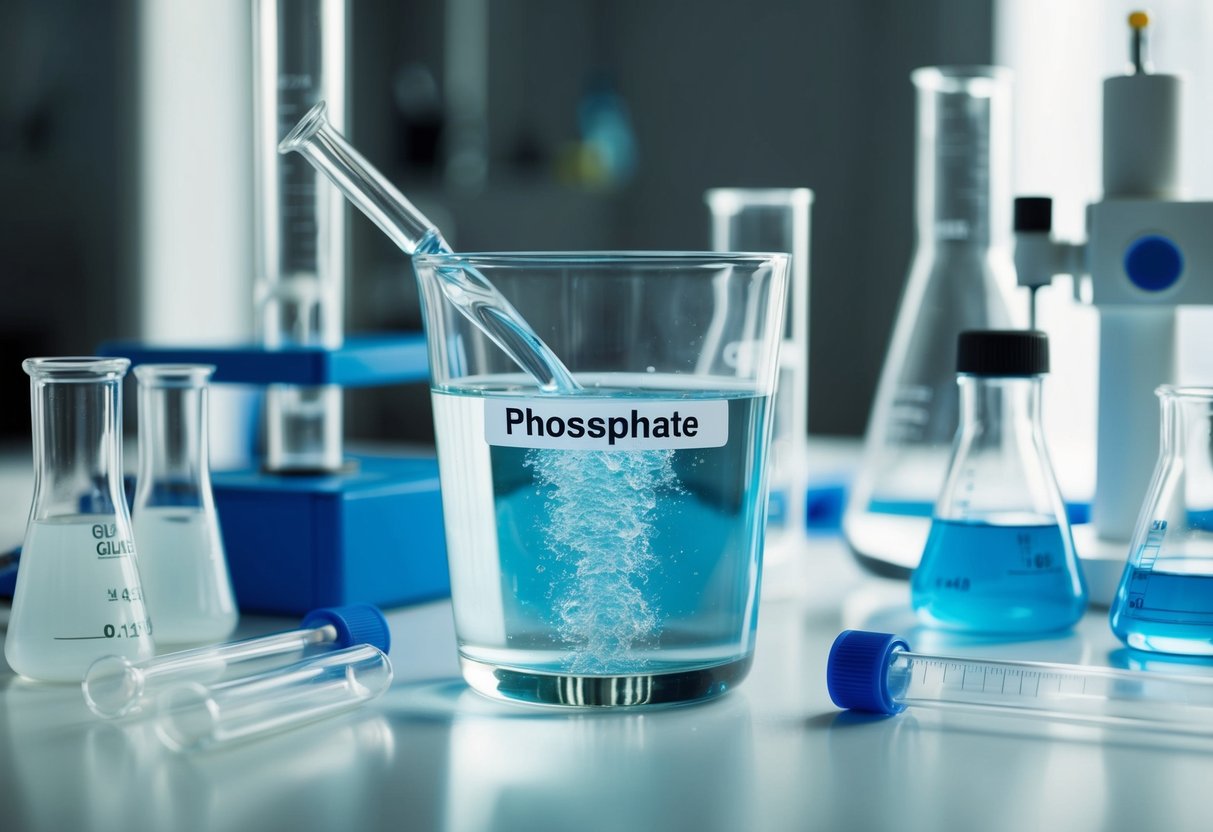
Water treatment plants often add phosphate to drinking water to prevent lead and copper from leaching out of pipes. This practice helps protect public health by reducing exposure to harmful metals. But too much phosphate can cause problems.
High levels of phosphate in water can lead to rapid algae growth. This can harm aquatic ecosystems and make water treatment more difficult.
Scientists are studying ways to remove excess phosphate from drinking water using methods like electrocoagulation.
Key Takeaways
- Phosphate in drinking water comes from natural and human-made sources
- Water treatment plants add phosphate to prevent metal leaching from pipes
- Excess phosphate can harm ecosystems and complicate water treatment processes
Understanding Phosphates in Drinking Water
Phosphates play a key role in water quality and treatment. These compounds affect water chemistry and have important impacts on health and infrastructure.
Let’s explore the types of phosphates found in drinking water and where they come from.
Chemical Characteristics of Phosphates
Phosphates are molecules containing phosphorus and oxygen. In water, they exist as negatively charged ions. The most common forms are orthophosphates (PO4^3-) and polyphosphates.
Orthophosphates have one phosphorus atom. They readily dissolve in water. Polyphosphates contain multiple phosphorus atoms linked together. They break down into orthophosphates over time.
Phosphates can bind with metals like lead and copper. This forms protective coatings inside pipes. The oxygen isotope composition of phosphate can reveal its origins in water supplies.
Sources of Phosphates in Water
Phosphates enter drinking water from natural and human sources. Natural sources include rock and soil erosion. Human sources are more significant in many areas.
Common human sources of phosphates:
- Agricultural runoff (fertilizers)
- Wastewater treatment plants
- Industrial discharges
- Phosphate-based water treatments
Water softeners used in homes can add phosphates to drinking water. Some utilities add phosphates to control corrosion in pipes.
Phosphorus vs. Phosphate: Establishing the Difference
Phosphorus is an element. Phosphate is a molecule containing phosphorus. All phosphates contain phosphorus, but not all phosphorus is in phosphate form.
In water, most phosphorus exists as phosphate ions. These include:
- Orthophosphates (PO4^3-)
- Polyphosphates
- Organic phosphates
Phosphorus can also occur in particulate forms. This includes lead phosphate particles that may form in water pipes.
Orthophosphate, Polyphosphates, and Their Dynamics in Water
Orthophosphates are the simplest and most common phosphates in water. They react quickly with other substances. Utilities often add orthophosphates to control pipe corrosion.
Polyphosphates are chains of phosphate molecules. They break down into orthophosphates over time. This process is called reversion.
Phosphate dynamics in water:
- Orthophosphates form quickly
- Polyphosphates revert to orthophosphates slowly
- pH and temperature affect phosphate behavior
- Phosphates interact with pipe materials
Blended phosphates containing both ortho and polyphosphates are used in some water systems. These provide both quick and long-lasting effects.
Health and Environmental Concerns
Phosphates in drinking water can affect both human health and ecosystems. They play a role in public health, trigger algae blooms, and shape microbial communities in water systems.
Phosphates and Public Health
Too much phosphate in drinking water may cause health issues. The Environmental Protection Agency sets limits on phosphate levels. High amounts can lead to kidney problems and change how the body uses other minerals.
Phosphates in water often come from fertilizers and cleaning products. They can enter the water supply through runoff. Water treatment plants add small amounts of phosphates to prevent pipe corrosion.
People with certain health conditions need to watch their phosphate intake. This includes those with kidney disease. Most healthy people can handle normal phosphate levels in water.
Ecological Effects: Algae Blooms and Eutrophication
Excess phosphates harm water ecosystems. They fuel rapid algae growth in lakes and rivers. This process is called eutrophication.
Algae blooms use up oxygen in the water. This kills fish and other aquatic life. Some algae produce toxins that are dangerous to animals and humans.
Phosphate runoff from farms and cities is a major cause of these problems. It leads to:
- Reduced water clarity
- Loss of plant and animal species
- Bad smells and tastes in drinking water
- Increased water treatment costs
Controlling phosphate pollution helps protect lakes, rivers, and coastal areas.
The Role of Phosphates in Microbial Ecology
Phosphates shape the tiny life forms in water systems. They affect which microbes thrive and which don’t.
In drinking water pipes, phosphates can change bacterial growth patterns. This impacts water quality and safety.
Some bacteria use phosphates as food. Others are harmed by high levels. The right balance is key for healthy water systems.
Phosphates can also:
- Help form biofilms on pipe walls
- Change how microbes respond to disinfectants
- Affect the taste and smell of water
Regulations and Standards
Phosphate levels in drinking water are subject to guidelines set by health organizations and environmental agencies. These standards aim to ensure safe water quality for consumers.
EPA and WHO Guidelines for Phosphate Levels
The Environmental Protection Agency (EPA) in the United States does not set a specific limit for phosphate in drinking water. Instead, it focuses on controlling corrosion that can lead to increased phosphate levels.
The World Health Organization (WHO) also does not specify a health-based guideline for phosphate in drinking water. They consider phosphate’s presence in water as mainly an aesthetic issue.
Some European countries have stricter standards. For example, Slovenia has set limits on phosphate levels from water softeners to control daily intake.
Drinking Water Quality Criteria
Drinking water quality criteria cover various aspects beyond phosphate levels. These include:
- Microbial contaminants
- Disinfectants
- Inorganic chemicals
- Organic chemicals
- Radionuclides
The EPA sets enforceable standards called Maximum Contaminant Levels (MCLs) for many substances in drinking water. While phosphate is not directly regulated, related compounds like arsenic have strict limits.
Water utilities often add phosphate to drinking water as a corrosion inhibitor. This practice helps prevent lead and copper leaching from pipes, which is crucial for public health protection.
Regular testing and monitoring ensure that water meets quality standards. This includes checking pH levels, which can affect phosphate behavior in water systems.
Monitoring and Detection Techniques

Phosphate levels in drinking water can be monitored using advanced methods. These techniques help identify contamination and ensure water safety.
Metagenomics in Monitoring Phosphate Impact
Metagenomics offers powerful tools for studying phosphate’s effects on water ecosystems. Whole metagenome sequencing analyzes all genetic material in a water sample. This reveals the full microbial community affected by phosphate levels.
The 16S rRNA gene is key for identifying bacteria in water. Its analysis shows how phosphate changes bacterial populations. The ITS2 gene serves a similar role for fungi.
Metagenomics also examines biofilm structure. Biofilms form on pipes and can trap phosphates. Understanding their makeup helps manage phosphate buildup.
Use of Biomarkers in Determining Phosphate Levels
Biomarkers are measurable indicators of phosphate presence. Colorimetric nano-sensing uses color changes to detect phosphate. This method is fast and easy to use.
Certain microorganisms react to phosphate levels. Their presence or absence serves as a living biomarker. Algae growth, for example, often indicates high phosphate.
Photoelectric strategies measure light changes caused by phosphate reactions. These can be very precise. Some sensors use this tech for on-site testing.
Enzyme-based tests are also effective. They use natural reactions to phosphate. This makes them environmentally friendly and accurate.
Water Treatment Strategies
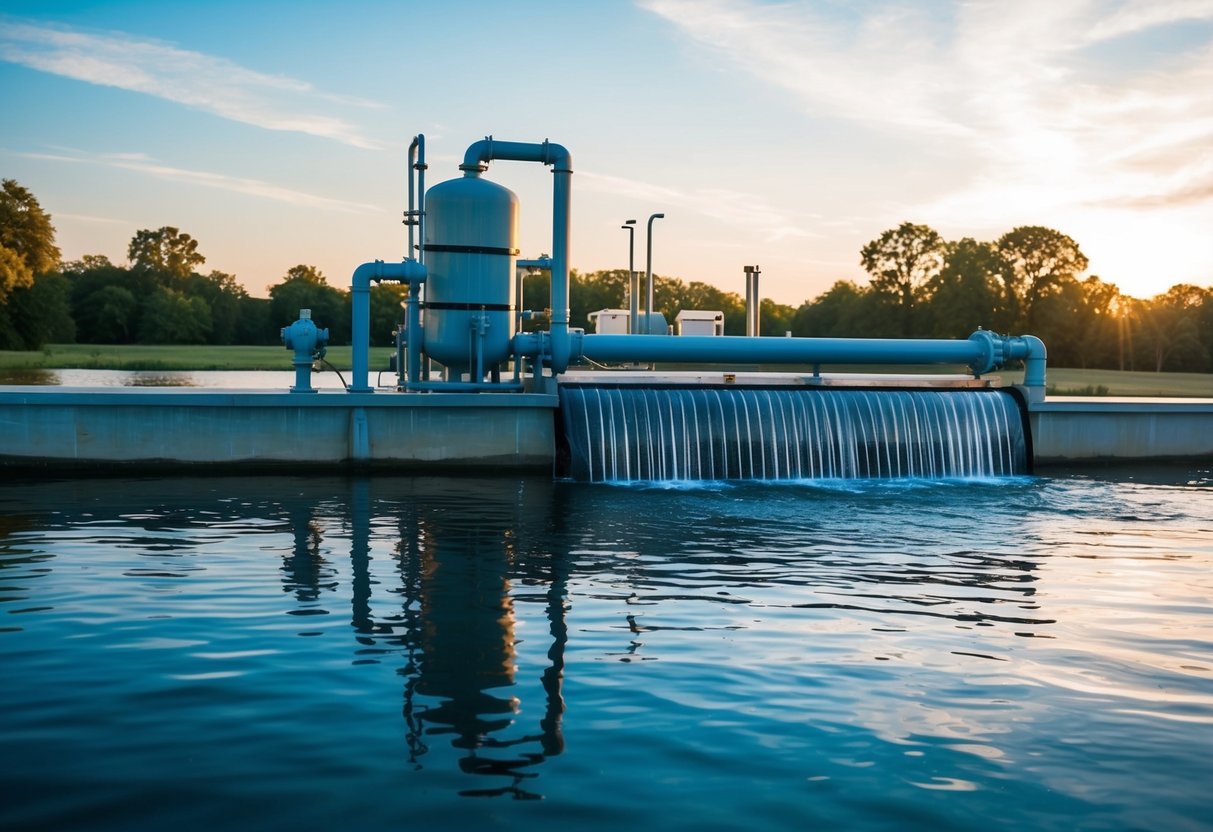
Water treatment plants use various methods to manage phosphate levels in drinking water. These strategies aim to balance corrosion control, public health, and environmental impacts.
Phosphate Dosing in Potable Water
Phosphate dosing is a common technique for controlling corrosion in water distribution systems. Water treatment facilities add small amounts of phosphate compounds to drinking water. This creates a protective coating inside pipes.
There are different types of phosphates used:
- Orthophosphates
- Polyphosphates
- Blended phosphates
The choice depends on water quality and system needs. Dosing levels typically range from 0.5 to 3 mg/L. Regular monitoring ensures optimal phosphate concentrations.
Phosphate dosing helps prevent lead and copper leaching from pipes. This plumbosolvency treatment is crucial for public health protection.
Addressing Phosphate-Induced Corrosion in Distribution Networks
While phosphates help control corrosion, they can sometimes cause issues. High phosphate levels may lead to:
- Scale formation
- Biofilm growth
- Discoloration of water
Water utilities must balance phosphate dosing carefully. They use corrosion control studies to determine the right levels.
Regular flushing of distribution systems helps remove excess phosphates. Some utilities use alternative corrosion inhibitors like silicates or pH adjustment.
Monitoring water quality at consumer taps is essential. This ensures phosphate treatments are effective without causing new problems.
Wastewater Treatment Approaches to Phosphate Management
Wastewater treatment plants play a key role in managing phosphate levels in the environment. They use several methods to remove phosphates from sewage:
- Chemical precipitation: Adding iron or aluminum salts to bind phosphates
- Biological removal: Using microorganisms to absorb phosphates
- Filtration: Employing special filters to capture phosphate particles
Advanced treatment techniques include:
- Ion exchange
- Reverse osmosis
- Adsorption using specialized materials
Some plants recover phosphates for reuse as fertilizer. This turns a potential pollutant into a valuable resource.
Strict regulations govern phosphate discharge levels from treatment plants. This helps protect water bodies from excessive nutrient loads.
Biofilms and Pipe Systems
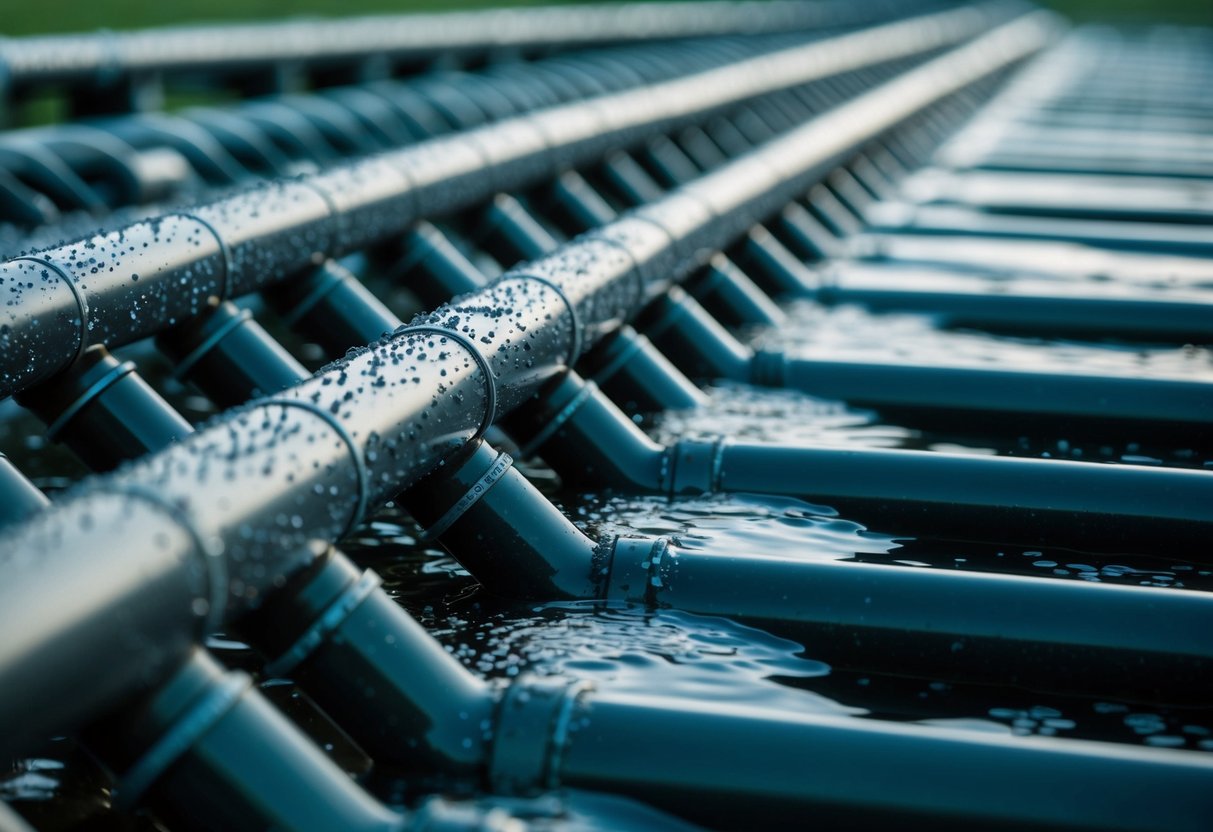
Biofilms in drinking water pipes can affect water quality and infrastructure. Phosphates play a key role in biofilm growth and pipe corrosion. Understanding these interactions is crucial for maintaining safe water systems.
Impact of Phosphates on Biofilm Development in Pipes
Phosphates can promote biofilm growth in drinking water pipes. This effect occurs regardless of pipe material or corrosion level.
At low concentrations, phosphates may encourage biofilm formation. However, higher levels can have mixed effects.
Some studies show that phosphate addition can reduce biofilm cell numbers in certain conditions. This leads to thinner, less evenly distributed biofilms on pipe surfaces.
Phosphate levels influence bacterial community structure within biofilms. This can alter the functional genetic diversity of microorganisms in the pipe system.
Biofilm and Microbial Consortia
Biofilms in pipes host diverse microbial communities. These include bacteria, fungi, and other microorganisms.
The composition of biofilm communities can change over time. Factors like water chemistry, pipe material, and flow conditions affect this.
Chlorine in drinking water impacts biofilm development. It can alter the types of microbes that thrive in these environments.
Fungal species also play a role in pipe biofilms. They can contribute to taste and odor issues in water.
Microbial consortia in biofilms may include both harmful and beneficial organisms. This balance affects water quality and pipe health.
Phosphate Interaction with Metals and Corrosion
Phosphates are often added to drinking water to control pipe corrosion. They form protective layers on metal surfaces.
In iron pipes, phosphates can reduce rust formation. This helps maintain water quality and extends pipe lifespan.
Copper pipes also benefit from phosphate treatment. It reduces copper leaching into the water.
The interaction between phosphates and biofilms affects corrosion rates. Biofilms can sometimes enhance the protective effects of phosphates.
However, excessive biofilm growth can lead to localized corrosion. This is especially true in areas with poor water flow or stagnation.
Ecological and Agricultural Concerns
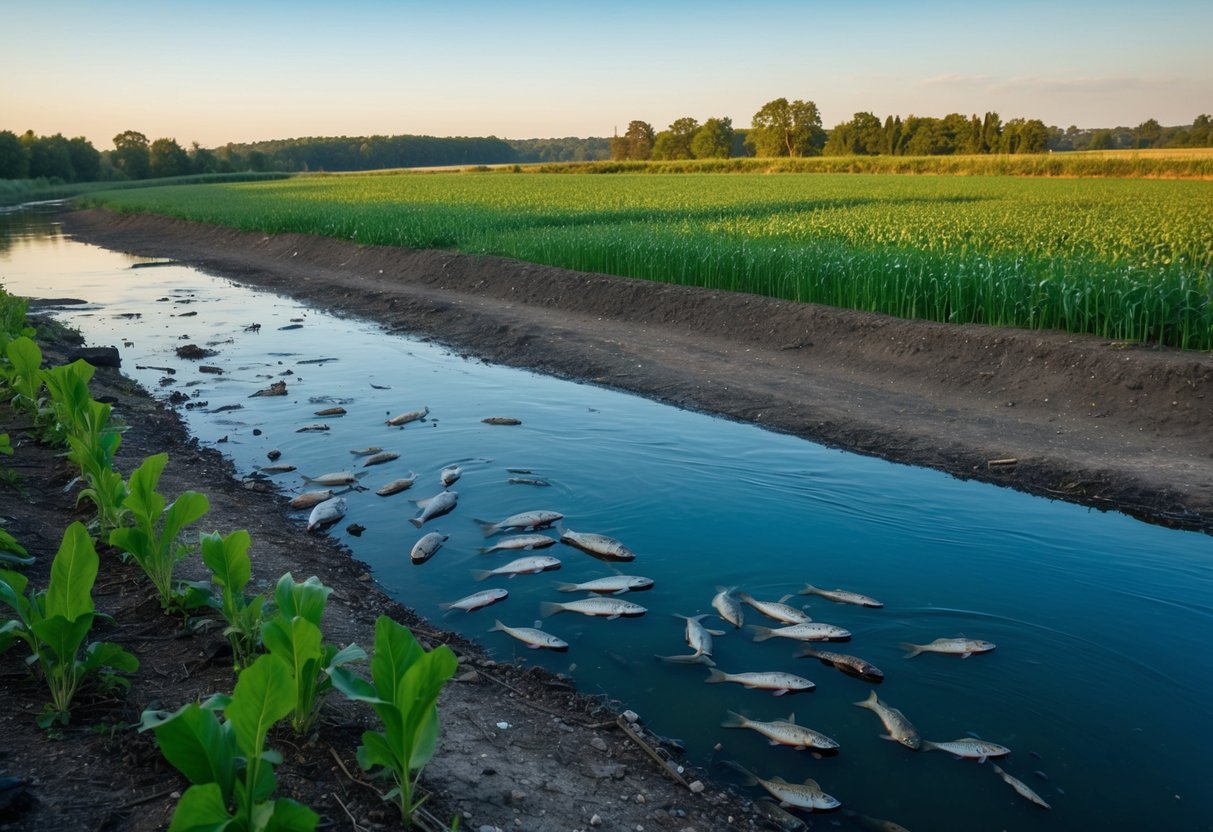
Phosphate in drinking water can come from various sources, impacting both ecosystems and agriculture. These sources include manure, sewage, and runoff from fields. The effects reach surface water, groundwater, and the wider environment.
The Influence of Manure and Sewage on Phosphate Levels
Manure from farms adds phosphate to soil and water. When it rains, this phosphate can wash into streams and lakes. Sewage also contains high levels of phosphate. Treatment plants remove some, but not all of it.
Excess phosphate leads to algae growth in water bodies. This can harm fish and other aquatic life. It also makes water less safe to drink. The Environmental Protection Agency sets limits on phosphate in drinking water to protect public health.
Farmers can reduce phosphate runoff by using less manure or applying it at the right time. Cities can upgrade sewage treatment to remove more phosphate.
Runoff and Its Effects on Surface and Groundwater
Runoff from farms and cities carries phosphate into rivers and lakes. It can also seep into groundwater. This affects both surface water and underground water sources.
Too much phosphate in water causes problems:
- Algae blooms that use up oxygen in the water
- Changes in plant and animal life in water bodies
- Higher costs to treat drinking water
Soil erosion makes runoff worse. Plants and buffers near water can help catch phosphate before it reaches water sources. Better farming practices can also reduce phosphate in runoff.
The Environmental Protection Agency works to limit phosphate pollution. They set rules for wastewater treatment and farming practices. These efforts aim to keep drinking water safe and protect ecosystems.
Advances in Scientific Research
Recent studies have shed new light on phosphate’s effects in drinking water. Scientists are using cutting-edge tools to examine microbes and genes linked to phosphate processing.
Metagenomic Tools in Understanding Phosphate Impact
New metagenomic techniques allow scientists to study microbes in water without growing them in a lab. These tools help identify bacteria that break down phosphates. Researchers have found Pseudomonas and Acinetobacter species that can change phosphate levels in water.
These bacteria play a big role in how phosphates move through water systems. By looking at their genes, scientists can better understand how they work. This knowledge helps water treatment plants manage phosphate levels more effectively.
Exploring Genetic Diversity Through Metagenomics
Metagenomics has opened up new ways to study the genetic makeup of water microbes. Scientists can now see the full range of genes present in a water sample. This includes genes from rare microbes that are hard to grow in labs.
Studies have found surprising genetic diversity in phosphate-processing microbes. Some newly discovered genes help bacteria use phosphates more efficiently. Others allow microbes to store extra phosphate for later use.
This research is uncovering how different microbes work together to handle phosphates in water. It’s helping scientists create better ways to clean up excess phosphates in drinking water supplies.
Futuristic Approaches to Phosphate Management
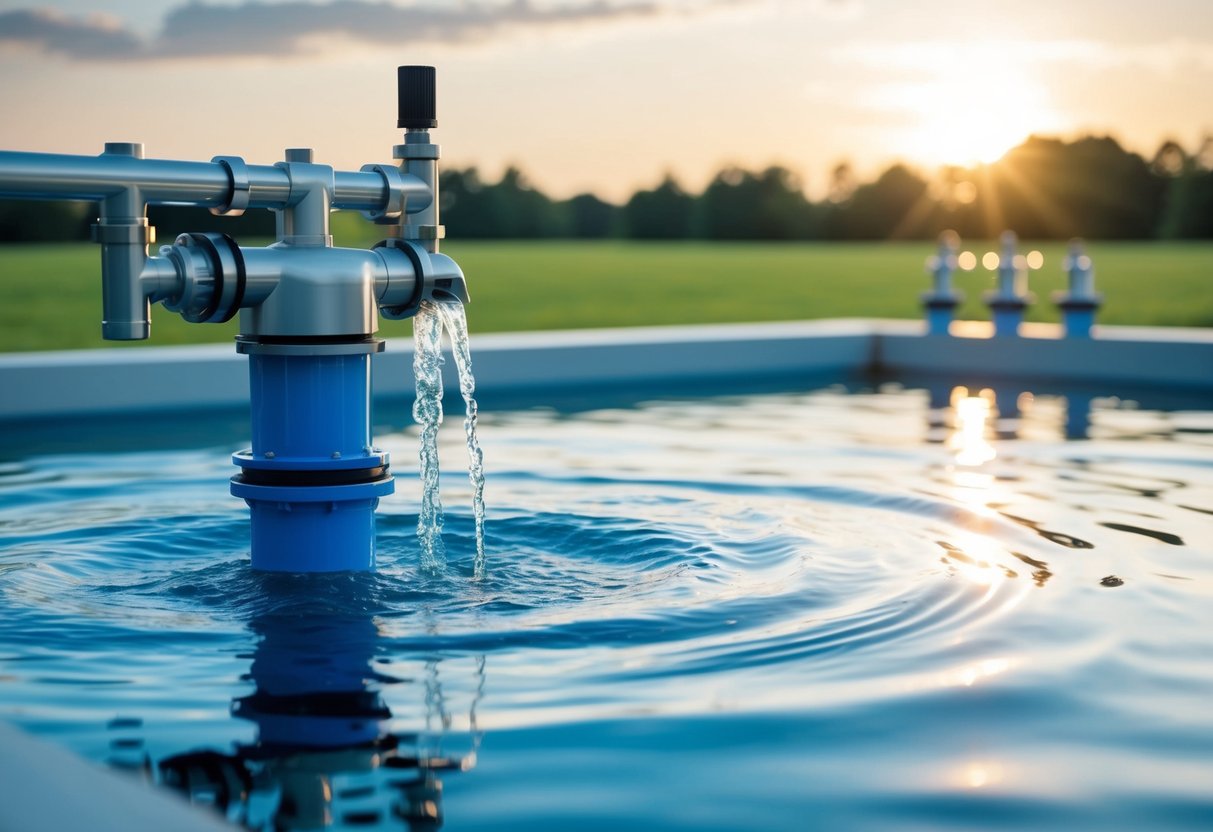
New technologies and practices are emerging to manage phosphate levels in drinking water. These innovative solutions aim to remove excess phosphates while promoting sustainable water treatment methods.
Innovative Technologies for Phosphate Removal
Advanced ion transporters are being developed to target and extract phosphates from water supplies. These transporters can selectively remove phosphate ions while leaving other essential nutrients intact.
Nanotechnology offers promising solutions for phosphate removal. Researchers are exploring nanoparticles that can bind to phosphates and be easily filtered out of water.
Smart sensors are another emerging technology. These devices can continuously monitor phosphate levels in real-time, allowing for more precise and efficient treatment.
Bioremediation techniques using specialized bacteria are also being studied. These microorganisms can naturally break down phosphates, potentially offering a low-cost and eco-friendly treatment option.
Sustainable Practices for Phosphate Control
Water management strategies are evolving to prevent excess phosphates from entering water sources. This includes improved agricultural practices to reduce runoff and better urban planning to manage stormwater.
Circular economy approaches are gaining traction. Wastewater treatment plants are being redesigned to recover and recycle phosphates, turning a pollutant into a valuable resource.
Green infrastructure, such as constructed wetlands and bioswales, is being integrated into urban areas. These natural systems can filter out phosphates before they reach drinking water supplies.
Education and policy initiatives are also key. Governments are implementing stricter regulations on phosphate use, while public awareness campaigns promote responsible fertilizer use and disposal practices.
Frequently Asked Questions
Phosphate in drinking water can impact health and water quality. There are ways to measure, treat, and remove excess phosphate.
What are the health effects of phosphate in drinking water?
High phosphate levels may cause stomach issues in some people. It can also lead to scaling in pipes and appliances. Phosphate is not toxic but can affect water taste and clarity.
What methods are used to treat high levels of phosphate in drinking water?
Common treatment methods include reverse osmosis and ion exchange. Chemical precipitation using lime or alum is also used. Some water filters with activated carbon can reduce phosphate levels.
What is considered a safe level ofophoshate in drinking water by the EPA?
The EPA does not set a legal limit for phosphate in drinking water. It suggests levels stay below 10 mg/L to avoid issues with taste, odor and scaling.
How can phosphate levels in drinking water be accurately measured?
Test strips provide a quick estimate of phosphate levels. For precise measurements, colorimetric methods using a spectrophotometer are used. Professional lab testing gives the most accurate results.
Are there any symptoms associated with consuming water with elevated phosphate levels?
Most people don’t notice symptoms from high phosphate water. Some may experience an upset stomach or diarrhea. The water may taste different or look cloudy.
How can phosphate be effectively removed from drinking water?
Reverse osmosis systems are very effective at removing phosphate.
Ion exchange water softeners also work well.
Activated alumina filters can reduce phosphate levels in home water supplies.