pH is a crucial factor in water quality. It measures how acidic or basic water is on a scale from 0 to 14. Pure water has a pH of 7, which is neutral. Values below 7 are acidic, while those above 7 are basic or alkaline.
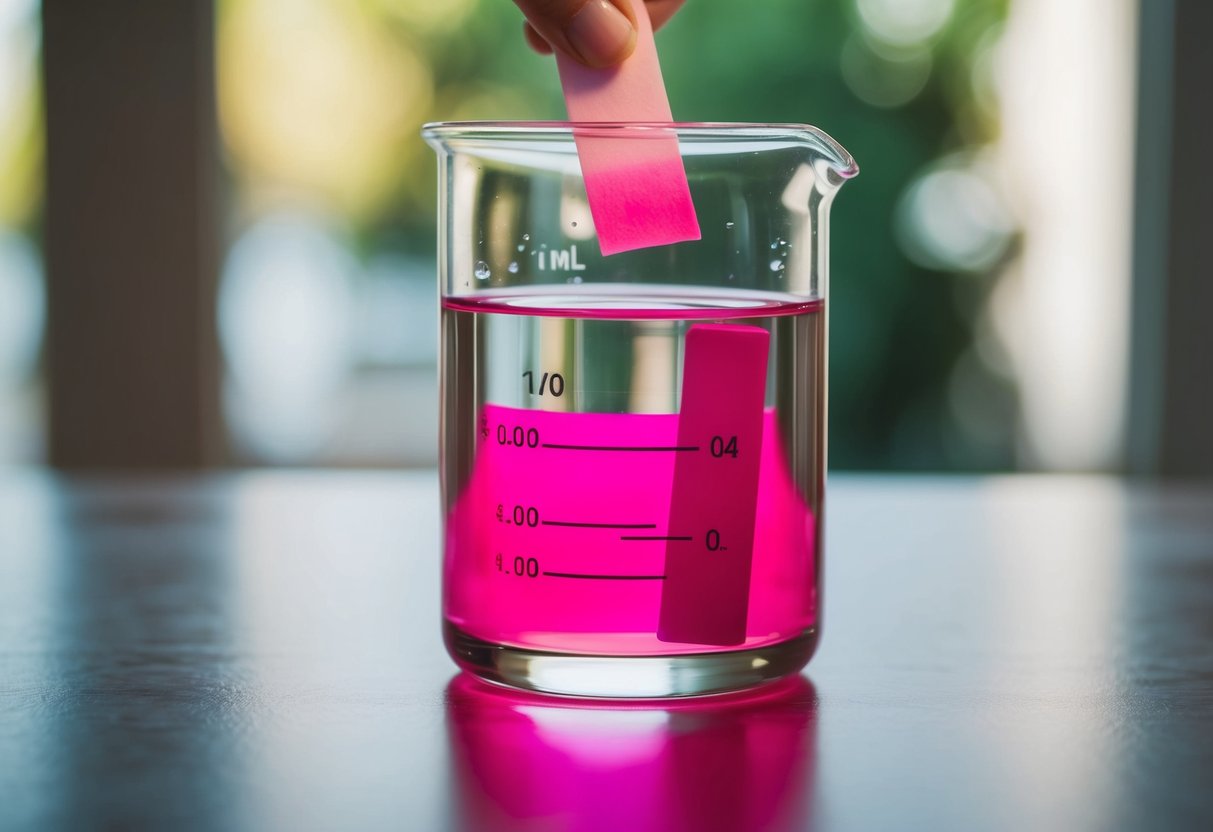
The pH of water affects many things. It can change how chemicals dissolve and react. This impacts water’s taste, smell, and safety. It also affects plants and animals that live in water.
Different water sources have different pH levels. Rainwater tends to be slightly acidic. Ocean water is usually basic. Tap water pH can vary based on local conditions and treatment methods. Water pH affects how it interacts with pipes and other materials.
Key Takeaways
- pH measures water acidity or alkalinity on a 0-14 scale
- Water pH impacts taste, safety, and aquatic life
- pH levels vary in different water sources and can be adjusted
Understanding pH in Water
pH is a key measure of water’s acidity or alkalinity. It affects water quality and impacts aquatic life, human health, and many industrial processes.
The pH Scale and Its Significance
The pH scale ranges from 0 to 14. It measures how acidic or alkaline a substance is. The scale is logarithmic, meaning each unit change represents a tenfold difference in acidity or alkalinity.
A pH of 7 is neutral. Lower values are acidic, while higher values are alkaline. Pure water has a pH of 7.
The scale helps compare the acidity of different substances. For example, lemon juice has a pH of 2, while bleach has a pH of 13.
Acidity, Alkalinity, and Neutral pH
Acidity in water comes from hydrogen ions (H+). More H+ ions mean lower pH and higher acidity. Alkalinity comes from hydroxide ions (OH-). More OH- ions mean higher pH and more alkaline water.
Neutral pH doesn’t always mean no alkalinity. Water can have a neutral pH but still contain dissolved minerals that affect its properties.
Acidic water can corrode pipes and harm aquatic life. Very alkaline water can taste bitter and leave mineral deposits.
The Importance of pH Balance in Water
pH balance is crucial for many reasons:
- Aquatic life: Most fish and plants thrive in water with a pH between 6.5 and 9.
- Human health: Drinking water should have a pH between 6.5 and 8.5.
- Agriculture: Soil pH affects nutrient uptake by plants.
- Industry: Many processes require specific pH levels.
Changes in pH can dramatically affect chemical reactions in water. Even small shifts can have big impacts on water quality and use.
Regulatory Standards for pH Levels
The U.S. Environmental Protection Agency (EPA) sets pH standards for drinking water. They recommend a pH range of 6.5 to 8.5.
The World Health Organization (WHO) suggests a narrower range of 6.5 to 8.0 for drinking water.
Many countries have their own pH standards for different water uses. These can vary based on local conditions and needs.
Regular testing helps ensure water meets these standards. Home test kits can measure pH, but professional labs provide more accurate results.
Health and Safety Considerations
The pH level of water can greatly affect human health and safety. Proper pH balance is crucial for safe drinking water and avoiding health issues.
Effects of pH on Drinking Water Quality
Water pH impacts taste, appearance, and safety. Acidic water with low pH can taste sour or metallic. It may also corrode pipes, releasing harmful metals like lead into the water. Alkaline water with high pH often tastes bitter or soapy.
Water quality testing includes pH checks. The ideal pH range for drinking water is 6.5-8.5. Outside this range, water may be unsafe to drink.
Low pH can cause:
- Pipe corrosion
- Metal leaching
- Bitter taste
High pH can lead to:
- Scale buildup
- Cloudy appearance
- Reduced effectiveness of water treatment
Health Issues Related to pH Imbalances
Drinking water with improper pH can cause health problems. Very acidic or alkaline water may irritate the digestive system.
Acidic water can:
- Worsen acid reflux
- Damage tooth enamel
- Upset stomach
Overly alkaline water might:
- Cause skin irritation
- Lead to alkalosis (high blood pH)
- Interfere with digestion
Long-term exposure to imbalanced pH may affect:
- Bone health
- Blood pressure
- Cholesterol levels
Safe pH Levels for Consumption
The World Health Organization recommends drinking water pH between 6.5-8.5. This range is safe for most people and helps maintain body pH balance.
Neutral pH (7.0) is ideal. It:
- Tastes good
- Doesn’t corrode pipes
- Supports proper hydration
Some people claim alkaline water offers health benefits like:
- Improved immune function
- Better hydration
- Increased cancer resistance
But these claims lack strong scientific proof. Most experts agree that neutral pH water is best for daily consumption.
Effects of pH on Environmental and Biological Processes
pH levels greatly impact ecosystems and living organisms. Changes in water and soil acidity affect plant growth, animal survival, and key biological functions.
pH Influence on Aquatic Biodiversity
Water pH strongly shapes aquatic life. Most freshwater species thrive in a pH range of 6.5-8.0. Metal release from sediments increases at low pH, harming fish and invertebrates.
Acidic water damages fish gills and eggs. It also leaches toxic metals from rocks and soil. This reduces fish populations and food sources for other animals.
Alkaline conditions above pH 9 can be equally harmful. High pH causes ammonia to become toxic. It also interferes with breathing in aquatic organisms.
Some species adapt to extreme pH. Acid-loving bacteria live in volcanic lakes. Alkaline-adapted fish inhabit soda lakes. But most aquatic life struggles in very high or low pH.
Soil pH and Agricultural Impact
Soil pH affects nutrient availability for plants. Most crops grow best in slightly acidic soil (pH 6.0-6.8). This range allows good uptake of essential nutrients.
Very acidic soils (below pH 5.5) can:
- Increase toxic aluminum levels
- Reduce phosphorus availability
- Harm helpful soil bacteria
Alkaline soils (above pH 7.5) may cause:
- Iron deficiency in plants
- Reduced uptake of zinc and manganese
- Poor growth of acid-loving crops
Farmers often adjust soil pH with lime or sulfur. This helps optimize conditions for specific crops. Proper pH management boosts yields and plant health.
pH Role in Photosynthesis and Respiration
pH affects key plant processes. Photosynthesis works best at slightly alkaline pH levels. The enzymes involved function optimally around pH 8.
Inside plant cells, pH changes drive important reactions. Proton gradients across membranes power ATP production. This fuels both photosynthesis and respiration.
Respiration in plants and animals is also pH-sensitive. Blood pH must stay in a narrow range (7.35-7.45) for proper oxygen delivery. Even small shifts can be harmful.
In water, pH influences dissolved oxygen levels. This impacts aquatic respiration. Low pH can reduce oxygen in water, stressing fish and other organisms.
Water Chemistry and Minerals
Water contains many dissolved minerals that affect its chemistry. These minerals influence the water’s pH, acidity, and alkalinity. They also play a key role in neutralizing water.
Common Minerals and Their Effects on pH
Calcium and magnesium are two common minerals in water. They are cations that affect water pH. Calcium tends to raise pH, making water more alkaline. Magnesium has a similar but weaker effect.
Potassium and sodium are also found in water. These minerals don’t impact pH as much as calcium and magnesium. But they do add to the total dissolved solids (TDS) in water.
Some minerals can lower pH. Iron and manganese often make water more acidic. This is why some well water has a low pH and rusty color.
Influence of Dissolved Solids on Acidity and Alkalinity
Total dissolved solids affect water’s acidity and alkalinity. As TDS increases, it usually raises pH. This makes the water more alkaline.
High TDS water often has more buffering capacity. This means it resists changes in pH. Low TDS water, like rainwater, has less buffering. Its pH can change more easily.
Dissolved minerals also impact water hardness. Hard water has high levels of calcium and magnesium. Soft water has low levels of these minerals.
Role of Carbonates in Water Neutralization
Carbonate minerals play a big part in neutralizing water. Calcium carbonate is the most common. It dissolves in water to form bicarbonate.
Bicarbonate acts as a buffer. It can absorb both acids and bases. This helps keep water pH stable.
In nature, water flowing over limestone picks up carbonates. This is why many natural waters have a neutral pH. Carbonate minerals help balance out acids from rainfall or other sources.
pH Variation in Different Water Sources
Water from various sources has different pH levels. These levels can change based on many factors. Let’s look at the pH of tap water, bottled water, spring water, and seawater.
Tap Water and pH Fluctuations
Tap water pH can vary from 6.5 to 8.5. This range is set by the Environmental Protection Agency (EPA) for safe drinking water. The pH of tap water can change due to:
- Pipe materials
- Water treatment methods
- Source water quality
Some cities add chemicals to adjust pH. This helps protect pipes from corrosion. Tap water pH may also shift as it travels through the pipes to your home.
Bottled Water and Its pH Value
Bottled water pH can range from 6.5 to 7.5. Different brands have slightly different pH levels:
- Dasani: 5.6 – 7.0
- Aquafina: 5.5 – 7.0
- Smartwater: 6.5 – 7.5
- Fiji: 7.7
- Evian: 7.2
The pH of bottled water is often more stable than tap water. This is because it’s sealed and doesn’t react with pipes or air. Some brands add minerals to change the taste and pH of their water.
Natural Springs and Alkaline Water
Natural spring water can have a wide pH range. Some springs produce alkaline water with a pH above 7. Others may be more acidic.
Alkaline water has a pH of 8 or 9. Some people believe it has health benefits, but this is not proven. Natural alkaline water comes from springs rich in minerals like calcium and magnesium.
Some companies sell bottled alkaline water. They often use a process called electrolysis to raise the pH of regular water.
Seawater and its Consistent Alkalinity
Seawater has a fairly stable pH, usually between 7.5 and 8.4. This makes it slightly alkaline. The ocean’s pH is kept steady by a natural buffer system.
Factors that affect seawater pH include:
- Depth
- Location
- Marine life activity
- Carbon dioxide levels
Climate change is slowly making the oceans more acidic. This happens as the water absorbs more CO2 from the air. Even small changes in ocean pH can affect marine life.
Impact of Human Activities on Water pH
Human actions can greatly change the pH of water. This affects water quality and harms plants and animals that live in it. Some key ways people alter water pH are through industry, farming, and mining.
Industrial Discharge and Acid Rain
Industrial activities often release acidic pollutants into the air and water. These lower the pH of water bodies. Factories may discharge waste directly into rivers and lakes. This can contain acids that make the water more acidic.
Burning fossil fuels releases sulfur dioxide and nitrogen oxides. These gases mix with water in the air to form acid rain. When acid rain falls, it lowers the pH of lakes, rivers, and soil.
Acid rain harms aquatic life. It can kill fish eggs, young fish, and insects. It also leaches toxic metals from the soil into water.
Agricultural Runoff and Pesticide Contamination
Farming practices impact water pH in several ways. Fertilizers and pesticides wash into nearby water sources. This changes their chemical makeup and pH.
Nitrogen-based fertilizers can make water more acidic. As they break down, they release hydrogen ions. These lower the pH of the soil and runoff water.
Some pesticides are highly acidic. When they enter water bodies, they directly lower the pH. Others break down into acidic compounds over time.
Excess nutrients from farms can cause algal blooms. As algae die and decompose, it lowers oxygen levels and increases acidity in the water.
Mining Operations and Wastewater Effects
Mining activities often expose rocks containing sulfur compounds. When these mix with water and air, they form sulfuric acid. This acid can severely lower the pH of nearby water sources.
Acid mine drainage is a major problem near many mining sites. It creates very acidic water that can flow into streams and rivers. This harms or kills aquatic life.
Wastewater from mining operations may contain heavy metals. These can make water more acidic when released. Proper treatment of mine wastewater is crucial to protect water quality.
Some mining processes use acidic solutions to extract metals. If not handled properly, these can leak into groundwater or surface water.
Water Treatment and pH Adjustment
pH plays a crucial role in water treatment processes. Different methods are used to adjust and control pH levels for safe drinking water. These methods include neutralization, filtration, and advanced treatments.
Neutralization Processes in Water Treatment
Neutralization is key in water treatment. It adjusts pH to a safe range, typically between 6.5 and 8.5. Acids or bases are added to balance the water’s pH.
For acidic water, lime or soda ash is often used. These raise the pH and make the water less corrosive. For basic water, carbon dioxide is added to lower the pH.
Chlorine, used for disinfection, can affect pH. Treatment plants must balance chlorine’s disinfection power with its pH impact. The goal is to maintain a stable pH value throughout the treatment process.
Effects of Filtration Systems on pH
Filtration systems can impact water pH. Common household filters like Brita use activated carbon. These filters remove contaminants but have minimal effect on pH.
Some filters, like those in PUR systems, may slightly raise pH. This happens when the filter media contains minerals that dissolve in water.
Reverse osmosis (RO) systems can lower pH. They remove minerals that naturally buffer water. This can make RO-treated water slightly acidic.
Regular testing of filtered water’s pH is important. It ensures the water remains in a safe pH range for drinking.
Advanced Treatments: Reverse Osmosis and Ion Exchange
Reverse osmosis and ion exchange are advanced water treatment methods. They significantly affect water pH and mineral content.
RO systems force water through a semi-permeable membrane. This removes most contaminants, including those affecting pH. The resulting water often has a lower pH than the source.
Ion exchange systems swap ions in water for others. This process can alter pH. For example, softening hard water replaces calcium and magnesium with sodium. This may slightly increase pH.
Both methods produce high-quality water. But they can also strip beneficial minerals. Some systems add minerals back to balance pH and improve taste.
Measuring and Monitoring Water pH
Water pH levels are crucial for many applications. Regular testing helps maintain optimal pH balance. There are several reliable methods to measure and monitor water pH.
Traditional and Electronic pH Meters
pH meters are accurate tools for measuring water acidity or alkalinity. Traditional meters use a glass electrode to detect hydrogen ion activity. They display pH values on a digital screen.
Electronic pH meters are more advanced. They often include features like temperature compensation. Some can store data or connect to computers for analysis.
Portable pH meters are handy for field use. They allow quick measurements of different water sources. Lab-grade pH meters offer higher precision for scientific research.
Proper calibration is key for accurate readings. Most meters need calibration with buffer solutions before use.
Using pH Test Strips
pH test strips offer a simple, low-cost way to check water pH. They change color when dipped in water. Users compare the strip color to a chart to determine pH level.
Test strips come in different ranges. Some cover the full pH scale from 0 to 14. Others focus on narrower ranges for more precise readings.
These strips are easy to use and don’t need calibration. They’re great for quick checks at home or in the field. However, they’re less accurate than pH meters.
Some strips can test for other water qualities too. This might include chlorine levels or water hardness.
Importance of Regular pH Testing
Regular pH testing is vital for many water systems. It helps maintain the right balance for aquariums, pools, and drinking water.
In aquariums, proper pH levels keep fish healthy. Different species need different pH ranges. Testing helps ensure the water stays in the right range.
For swimming pools, pH affects chlorine effectiveness. It also impacts swimmer comfort. Regular testing prevents eye and skin irritation.
In drinking water systems, pH testing ensures water safety. It helps prevent pipe corrosion and metal leaching. This protects both the water supply and plumbing infrastructure.
Frequent testing catches pH changes early. This allows for quick adjustments to maintain optimal levels.
The Correlation Between pH and Water Infrastructure
pH levels in water greatly affect pipes, appliances, and overall water quality. The acidity or alkalinity of water can cause damage to infrastructure and impact the safety of drinking water.
Corrosion in Pipes and Appliances
Low pH water is acidic and can corrode metal pipes. This leads to leaks and contamination from dissolved metals like iron and copper. Acidic water also damages appliances such as water heaters and dishwashers.
High pH water is alkaline and can cause scale buildup in pipes. This narrows pipes and reduces water flow. It also makes appliances less efficient.
Both low and high pH can shorten the lifespan of plumbing systems. This increases maintenance costs for homeowners and utilities.
Maintaining an Optimal pH in Water Systems
Water treatment plants aim for a pH between 6.5 and 8.5. This range minimizes corrosion and scale formation.
Treatment methods include adding lime or soda ash to raise pH. Acids like carbon dioxide can lower pH if needed.
Regular testing helps utilities monitor pH levels. This allows quick adjustments to maintain water quality.
Some areas have naturally acidic or alkaline water due to local geology. In these cases, extra treatment may be needed to protect infrastructure.
Proper pH balance also affects the effectiveness of disinfectants like chlorine. This is crucial for safe drinking water.
Frequently Asked Questions
pH levels play a crucial role in water quality and safety. Understanding pH helps ensure water is suitable for drinking and other uses.
What is the ideal pH level for drinking water?
The ideal pH for drinking water is between 6.5 and 8.5. This range is considered safe and pleasant for consumption.
Water with a pH of 7 is neutral. Below 7 is acidic, while above 7 is alkaline.
Why is pH important in water quality?
pH affects how water interacts with pipes, appliances, and the human body. It influences the taste and safety of drinking water.
Proper pH levels help prevent corrosion in water systems and reduce the risk of contaminants leaching into the water supply.
How does pH affect water safety for consumption?
Extreme pH levels can make water unsafe to drink. Very acidic or alkaline water may contain harmful substances.
Water with a pH outside the safe range can cause stomach discomfort, skin irritation, or damage to pipes and appliances.
What factors can cause changes in the pH of water?
Natural factors like rock and soil composition affect water pH. Human activities such as industrial pollution can also alter pH levels.
Climate change and acid rain can lead to more acidic water in some areas.
Can consuming water with a high pH level be detrimental to health?
Drinking water with a very high pH may cause skin irritation and gastrointestinal issues. It can also affect the body’s natural pH balance.
Long-term consumption of highly alkaline water might interfere with digestion and nutrient absorption.
How is pH measured in water and what does it indicate?
pH is measured using a pH meter or test strips. The scale ranges from 0 to 14, with 7 being neutral.
A pH reading indicates the concentration of hydrogen ions in the water, showing how acidic or alkaline it is.