PFAS, short for per- and polyfluoroalkyl substances, are a group of man-made chemicals that have been used in many products since the 1940s. These chemicals have raised concerns due to their persistence in the environment and potential health effects.
In recent years, PFAS have been found in drinking water sources across the world, sparking worry among communities and health experts.
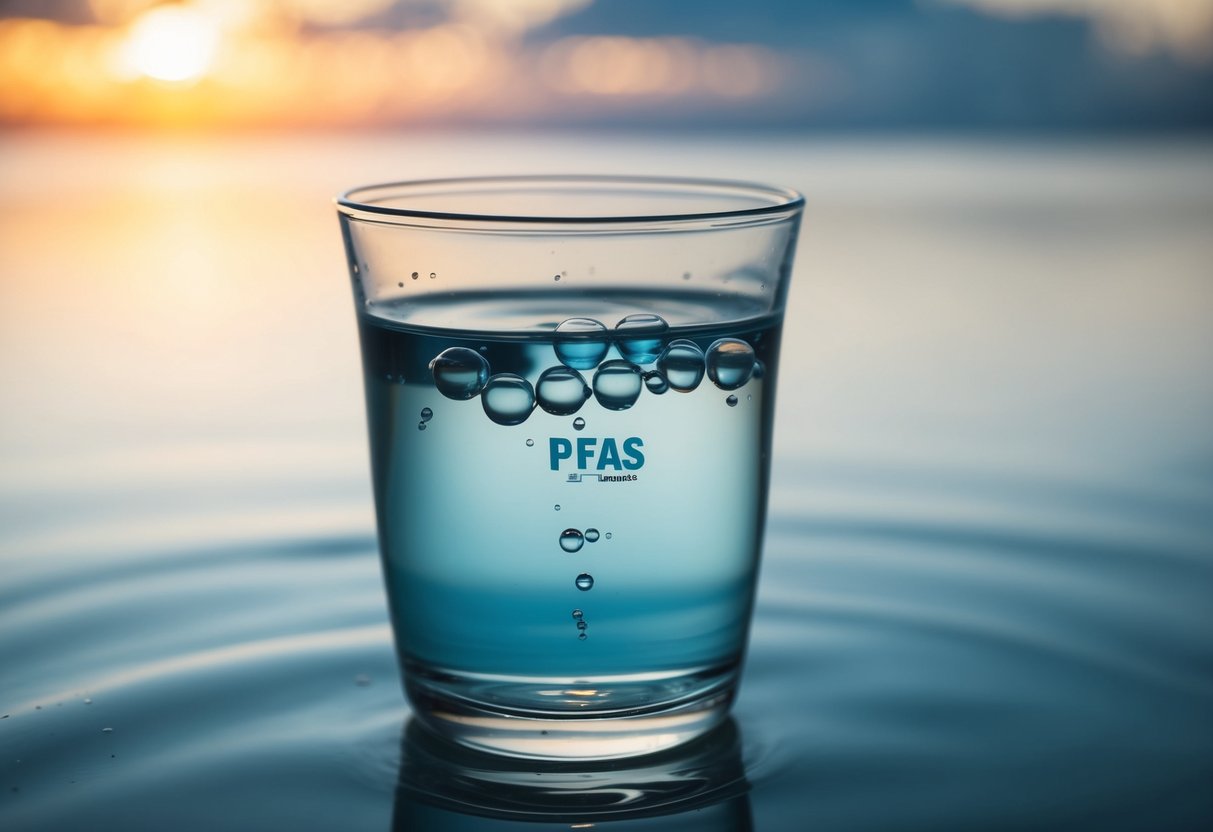
The presence of PFAS in drinking water poses potential health risks, including effects on the immune system, hormone disruption, and increased risk of certain cancers. Studies have shown that even low levels of exposure to these chemicals over time may be harmful.
This has led to increased efforts to detect and remove PFAS from water supplies.
Many water treatment facilities are now implementing new technologies to remove PFAS from drinking water. These methods include activated carbon filtration, ion exchange, and reverse osmosis. Despite these efforts, the widespread occurrence of PFAS in tap and bottled water remains a challenge for water providers and regulators alike.
Key Takeaways
- PFAS are widespread in drinking water sources and can pose health risks to humans.
- Various treatment methods are being used to remove PFAS from drinking water supplies.
- Ongoing research and regulation are needed to address PFAS contamination in water resources.
Understanding PFAS
PFAS are synthetic chemicals with unique properties that have been widely used in consumer and industrial products. They persist in the environment and can accumulate in living organisms, raising health concerns.
Definition and Classes of PFAS
PFAS stands for Per- and Polyfluoroalkyl Substances. These are man-made chemicals with carbon-fluorine bonds, which make them resistant to heat, water, and oil.
There are thousands of PFAS compounds. Some common types include:
- PFOA (Perfluorooctanoic acid)
- PFOS (Perfluorooctane sulfonic acid)
- PFHxS (Perfluorohexane sulfonic acid)
- PFBS (Perfluorobutane sulfonic acid)
- GenX chemicals (replacements for PFOA)
PFAS are often grouped into long-chain and short-chain compounds. Long-chain PFAS tend to stay in the body longer and may pose greater health risks.
Historical and Current Uses
PFAS have been used since the 1940s in various products due to their unique properties. Common applications include:
- Non-stick cookware
- Water-repellent clothing
- Stain-resistant fabrics and carpets
- Fire-fighting foams
- Food packaging
While some PFAS like PFOA and PFOS have been phased out in many countries, they’re still found in the environment. New PFAS compounds have replaced older ones in many products.
Some industries continue to use PFAS for specialized applications where their properties are hard to replace.
Prevalence of PFAS in the Environment
PFAS are widespread in the environment due to their long-lasting nature. They can be found in:
- Water sources (both surface and groundwater)
- Soil and sediment
- Air
- Plants and animals
PFAS can travel long distances through water and air. They’ve been detected in remote areas far from production sites.
Studies have found PFAS in the blood of humans and animals worldwide. The chemicals can enter drinking water systems through industrial discharges, landfill leachate, and firefighting foam use.
The persistence of PFAS in the environment poses challenges for cleanup efforts. Even after stopping their use, these chemicals can remain in ecosystems for many years.
Health Implications of PFAS
PFAS exposure through drinking water can lead to various health issues. These chemicals have been linked to several concerning health effects and specific risks.
Exposure and Health Effects
PFAS can enter the body through contaminated drinking water. Once inside, they tend to build up over time.
The body struggles to break down PFAS. This means they can stay in a person’s system for years.
Long-term exposure to PFAS may cause health problems. Some of these issues include:
- Liver damage
- Kidney problems
- Thyroid disorders
- Weakened immune system
Pregnant women and young children may be more vulnerable to PFAS effects.
Specific Health Risks Associated with PFAS
PFAS have been linked to several serious health conditions. These include:
Cancer: Some types of PFAS may increase the risk of kidney and testicular cancer.
High Cholesterol: PFAS exposure can lead to higher levels of cholesterol in the blood.
Reproductive Issues: PFAS may cause fertility problems and pregnancy complications.
Developmental Delays: Children exposed to PFAS might experience growth and learning delays.
Public health experts are concerned about these risks. They advise minimizing PFAS exposure when possible.
Regulations and Guidelines
The EPA sets rules for PFAS in drinking water through health advisories and federal laws. States also create their own drinking water standards for PFAS. These guidelines aim to protect public health.
EPA Oversight and Safe Drinking Water Act
The EPA uses the Safe Drinking Water Act to control PFAS in public water. This law lets the EPA set legal limits on harmful chemicals. For PFAS, the EPA has not yet set firm limits.
Instead, the EPA gives advice to states and water systems. They suggest ways to test for PFAS and clean it up. The EPA also funds research on PFAS health effects and treatment methods.
States can make their own PFAS rules. Some states have set stricter limits than the EPA’s advice. This has led to a mix of PFAS rules across the country.
Health Advisories and Drinking Water Standards
The EPA issues health advisories for PFAS in drinking water. These are not laws, but suggestions based on science. They tell water systems and the public about PFAS risks.
In 2016, the EPA set a health advisory of 70 parts per trillion for two types of PFAS. Some states use this level. Others have made tougher standards.
The EPA plans to set legal limits on PFAS soon. This will create the first national drinking water standard for PFAS. It will force water systems to test for and remove these chemicals.
PFAS Contamination and Detection
PFAS contamination in drinking water is a growing concern. These chemicals can enter water supplies through various sources and persist in the environment. Monitoring efforts and research are helping to better understand the scope of the problem.
Sources of Contamination
PFAS can enter drinking water from several sources. Industrial sites that manufacture or use PFAS are major contributors. Firefighting foam containing PFAS can seep into groundwater when used to extinguish fires. Landfills may leach these chemicals into nearby water sources.
Wastewater treatment plants can also spread PFAS. The plants often can’t fully remove these chemicals, leading to contaminated water discharge. Some consumer products like food packaging can contribute smaller amounts of PFAS to water supplies when disposed of improperly.
Monitoring and Testing of Public Water Systems
Many public water systems now test for PFAS regularly. The EPA requires monitoring for some PFAS compounds under its Unregulated Contaminant Monitoring Rule. Some states have stricter requirements.
Water utilities use specialized lab tests to detect PFAS. These tests can find very small amounts of the chemicals. New analytical methods are being developed to detect a wider range of PFAS compounds.
If high levels are found, utilities may need to use special treatment methods. These can include activated carbon filters or reverse osmosis systems.
Research on Environmental Presence
Scientists are studying how widely PFAS have spread in the environment. The U.S. Geological Survey (USGS) tests water sources across the country. Their research helps track PFAS levels over time.
Studies have found PFAS in many types of water bodies. These include rivers, lakes, and groundwater aquifers. Some research focuses on identifying the origins of contamination.
Scientists are also looking at how PFAS move through ecosystems. This includes studying how the chemicals accumulate in plants and animals. The research aims to better understand the full impact of PFAS on the environment and human health.
Treatment and Mitigation Strategies
PFAS removal from drinking water requires advanced methods. New technologies are emerging to address this challenge. Communities are taking steps to protect their water supplies.
Existing Water Treatment Methods
Activated carbon treatment is a common method for removing PFAS from water. This process uses special carbon filters to trap PFAS molecules.
Reverse osmosis is another effective technique. It forces water through a membrane, leaving PFAS behind. Many water treatment plants use these methods to clean drinking water.
These treatments can remove a large portion of PFAS. But they may not catch all types of these chemicals. Regular testing is needed to ensure water safety.
Emerging Technologies
Scientists are working on new ways to remove PFAS from water. Some promising methods include:
- Advanced oxidation processes
- Electrochemical treatment
- Plasma-based destruction
These technologies aim to break down PFAS molecules completely. This could solve the problem of what to do with captured PFAS.
Research is ongoing to make these methods more efficient and cost-effective. As they improve, water treatment plants may adopt them widely.
Mitigation in Affected Communities
Communities are taking action to protect their water. The Bipartisan Infrastructure Law provides funding for PFAS cleanup. This helps both urban and rural areas improve their water systems.
Military installations often face PFAS contamination from firefighting foam. They are working to clean up affected sites and find safer alternatives.
Some steps communities are taking include:
- Installing household water filters
- Providing bottled water to residents
- Connecting to cleaner water sources
Public education is also important. Communities are teaching residents about PFAS risks and how to reduce exposure.
Case Studies and Areas of Concern

PFAS pollution in drinking water has affected many regions across the United States. Some areas have faced significant contamination events, while others deal with ongoing concerns about PFAS levels.
Significant PFAS Pollution Events
In 2016, high levels of PFAS were found in drinking water in Hoosick Falls, New York. The contamination came from a nearby manufacturing plant. This led to widespread testing and concern among residents.
Another major case occurred in North Carolina. The Cape Fear River, a key drinking water source, was polluted with a type of PFAS called GenX. A chemical company upstream had been releasing the substance for years.
In Michigan, PFAS contamination affected several communities. Wolverine World Wide, a shoe company, left PFAS-laden waste in disposal sites. This seeped into groundwater and private wells.
Regional Focus: Great Lakes, Great Plains, and More
The Great Lakes region faces ongoing PFAS issues. Many sites around the lakes have been contaminated by industrial activities. This affects millions who rely on the lakes for drinking water.
In the Great Plains, PFAS pollution is less widespread but still concerning. Military bases in states like South Dakota have found PFAS in groundwater from firefighting foam use.
The Eastern Seaboard has seen several PFAS contamination cases. New Jersey and Pennsylvania have both dealt with pollution from chemical plants and military bases.
Southern California faces unique challenges. The arid climate means limited water sources. PFAS found in groundwater basins can have a big impact on drinking water supplies.
Public Engagement about PFAS
Public engagement plays a key role in addressing PFAS in drinking water. It involves working with communities and educating the public about these chemicals and their impacts.
Involvement of Local and National Communities
Local and national groups take part in PFAS-related issues. They push for testing and cleanup of contaminated water. These groups also advocate for stricter rules on PFAS use.
Some communities have sued companies that made PFAS. They want help paying for water treatment. Public interest in PFAS contamination is growing in many areas.
People can get involved by attending town meetings. They can also contact their representatives about PFAS concerns. Community action has led to more testing and awareness in some places.
Public Education and Outreach
Education helps people understand PFAS risks. Many don’t know about these chemicals in drinking water. Public awareness of PFAS varies across the U.S.
Health departments share info on PFAS health effects. They explain how to reduce exposure. Schools may teach about water pollution and safety.
Online resources offer facts about PFAS. These include government websites and environmental groups. Social media also spreads information about PFAS.
Some areas hold workshops on water testing. They teach people how to check their own water for PFAS. This helps expand testing beyond public water systems.
Looking Towards the Future
The future of PFAS in drinking water involves advancing research, evolving regulations, and improving water safety measures. These areas will shape how we address PFAS contamination in the coming years.
Advancements in PFAS Research
Scientists are developing new methods to detect and remove PFAS from water. Improved analytical techniques will allow for more accurate measurement of PFAS in tap water and private wells. Researchers are exploring innovative treatment technologies like advanced oxidation and electrochemical destruction.
Studies on PFAS health effects continue to expand. This research will help establish safer drinking water standards. Scientists are also investigating PFAS alternatives and their potential impacts.
Environmental fate and transport studies of PFAS will improve. This knowledge will aid in predicting contamination risks and guiding remediation efforts.
Potential Alterations in Legislation
Stricter PFAS regulations are likely in the future. More states may set their own PFAS limits for drinking water. The EPA could establish federal maximum contaminant levels for additional PFAS compounds.
New legislation may require regular PFAS testing for public water systems and private wells. Manufacturers might face tighter controls on PFAS production and use.
Cleanup standards for contaminated sites could become more stringent. This would impact remediation efforts at industrial facilities and military bases.
Future of Drinking Water Safety
Water treatment plants will likely upgrade their systems to better remove PFAS. Advanced filtration technologies may become more common in both large and small water systems.
Home water treatment options for PFAS removal may improve and become more accessible. This could help protect households relying on private wells or concerned about tap water quality.
Community-led initiatives to monitor and address PFAS contamination may increase. These efforts could drive local policy changes and improve public awareness.
Water utilities may adopt more proactive approaches to source water protection. This could include working with local industries to reduce PFAS releases into the environment.
Frequently Asked Questions
PFAS in drinking water raise many important questions. People want to know about removing these chemicals, safety standards, testing methods, health impacts, and symptoms of exposure.
How can PFAS be removed from drinking water?
Activated carbon filters can remove PFAS from drinking water. Reverse osmosis systems are also effective at filtering out these chemicals.
Home water pitchers with special PFAS filters offer another option. For whole-house treatment, granular activated carbon systems work well.
What is the EPA’s standard for PFAS levels in drinking water?
The EPA has set a health advisory level of 70 parts per trillion for PFOA and PFOS combined. This is not an enforceable limit.
Some states have set their own, stricter standards. The EPA is working on setting enforceable national standards for certain PFAS in drinking water.
How can I find out if my water supply has PFAS contamination?
Contact your local water utility and ask for their latest water quality report. This should include PFAS test results if they’ve been conducted.
You can also hire a certified lab to test your water. Home test kits are available but may be less reliable than professional testing.
What health effects are associated with PFAS in drinking water?
Studies have linked PFAS exposure to several health issues. These include certain cancers, liver damage, thyroid problems, and high cholesterol.
PFAS may also affect growth and learning in children. They can weaken the immune system and increase the risk of infections.
Are certain brands of bottled water free from PFAS contamination?
No bottled water brand can guarantee zero PFAS. Some companies test for these chemicals and publish results.
Look for brands that use reverse osmosis or activated carbon filtration. These methods can remove many PFAS from water.
What are the common symptoms associated with exposure to PFAS?
PFAS exposure doesn’t usually cause immediate symptoms.
Long-term effects may include thyroid problems, high cholesterol, and weakened immunity.
In areas with high PFAS contamination, people might notice more frequent infections.
Skin rashes and digestive issues have also been reported.