Nitrite in drinking water is a concern for many people. It can come from various sources and may pose health risks if present at high levels.
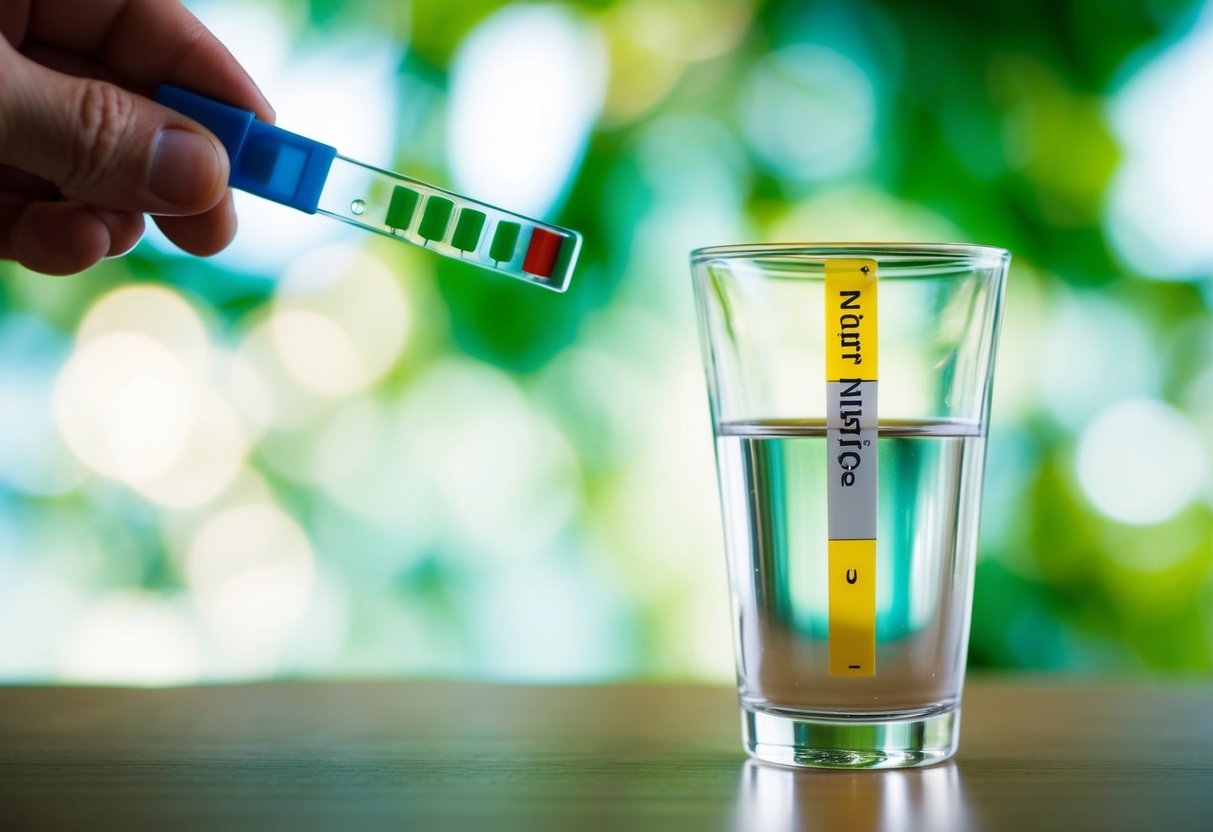
Nitrite forms when nitrogen combines with oxygen or ozone. In drinking water, it often comes from fertilizers, sewage, or naturally occurring sources.
While small amounts are generally not harmful, higher levels can be dangerous, especially for infants and pregnant women.
Many countries have set limits on nitrite levels in drinking water to protect public health.
Regular testing and proper water treatment can help keep nitrite levels low.
People can also use home filters or choose bottled water if they are worried about nitrite in their tap water.
Key Takeaways
- Nitrite in drinking water can come from various sources and may pose health risks at high levels.
- Regular testing and treatment help keep nitrite levels within safe limits set by regulations.
- Home filters and bottled water are options for those concerned about nitrite in their tap water.
What Is Nitrite?
Nitrite is a chemical compound made up of nitrogen and oxygen atoms. Its chemical formula is NO2-. Nitrite is closely related to nitrate, which has one extra oxygen atom.
In drinking water, nitrite can form when nitrate is converted by certain bacteria. This process often happens in oxygen-poor environments.
Nitrite can enter water supplies from several sources:
- Agricultural runoff
- Sewage and septic systems
- Natural soil and rock formations
- Industrial processes
The presence of nitrite in drinking water is a concern because it can be harmful to human health in high amounts.
Water testing can detect nitrite levels. The Environmental Protection Agency sets limits on how much nitrite is allowed in public drinking water.
Nitrite is not just found in water. It’s also used as a food preservative, especially in cured meats. In the body, nitrite can form from the breakdown of nitrate from food or water.
While nitrite itself isn’t always harmful, it can form compounds called nitrosamines under certain conditions. These compounds may increase cancer risk.
Sources of Nitrite in Drinking Water
Nitrite in drinking water comes from many places. These sources can be natural or made by humans. Some key places nitrite comes from are farms, homes, and factories.
Agricultural Impact on Water Quality
Farms play a big role in nitrite levels in water. Fertilizers and animal waste are key sources.
Farmers use fertilizers to help crops grow. But rain can wash these into streams and lakes.
Animal waste from farms is also a problem. Large animal feedlots make a lot of waste. This waste has nitrates that can turn into nitrites.
Groundwater in farm areas often has high nitrate levels. This is due to years of fertilizer use. As water moves through soil, it picks up nitrates.
Household Contributions to Nitrite Levels
Homes can also add nitrites to water. Septic systems are a main source. If they don’t work right, they leak waste into the ground.
Lawn care can be an issue too. People use fertilizers on grass and plants. Like on farms, rain can wash these into water sources.
Even human and pet waste can add nitrites. This is why it’s key to clean up after pets and use toilets properly.
Industrial and Environmental Factors
Factories and other industries can put nitrites in water. Some make fertilizers or explosives using ammonium nitrate. If not handled well, this can get into water.
Landfills are another source. As trash breaks down, it can release nitrites. These can seep into groundwater.
Natural factors play a role too. Rocks and soil have some nitrates. Water moving through them picks this up. In some areas, this is the main source of nitrites in water.
Health Effects and Safety Concerns
Nitrite in drinking water can lead to serious health problems. The main issues are methemoglobinemia in infants, cancer risks, and other chronic diseases.
Methemoglobinemia and Blue Baby Syndrome
Methemoglobinemia, also known as blue baby syndrome, is a major concern with nitrite in drinking water. It affects infants under 6 months old. The condition happens when nitrite changes how blood carries oxygen.
Symptoms include:
- Blue or gray skin color
- Shortness of breath
- Nausea and vomiting
In severe cases, it can cause death. The risk is highest for bottle-fed babies. Their formula may be mixed with nitrite-contaminated water.
Potential Cancer Risks
Nitrite can form N-nitroso compounds in the body. These compounds are potentially carcinogenic. They may increase the risk of certain cancers.
Studies have linked nitrite exposure to:
- Stomach cancer
- Colorectal cancer
- Bladder cancer
The risk depends on the amount and duration of exposure. More research is needed to fully understand the connection.
Other Chronic Diseases from Nitrite Exposure
Long-term nitrite exposure may contribute to other health issues. Thyroid disease is one potential concern. Nitrite can interfere with iodine uptake by the thyroid gland.
Other possible effects include:
- Reproductive problems
- Developmental issues in children
High nitrite levels may also harm the cardiovascular system. It can lead to increased blood pressure and heart disease risks.
More studies are needed to confirm these links. The full range of health effects from chronic nitrite exposure is still being explored.
Regulations and Guidelines
Governments and health organizations have set limits for nitrite in drinking water. These standards aim to protect public health, especially for infants and pregnant women.
U.S. Environmental Protection Agency Standards
The U.S. Environmental Protection Agency (EPA) regulates nitrite in drinking water under the Safe Drinking Water Act. The EPA has set the Maximum Contaminant Level (MCL) for nitrite at 1 milligram per liter (mg/L) as nitrogen.
Public water systems must test for nitrite regularly. Large systems test more often than small ones. If levels exceed the MCL, water providers must notify the public and take action to lower nitrite levels.
The EPA requires more frequent monitoring for:
- Systems with a history of high nitrite levels
- Areas with a lot of farming or sewage treatment plants
World Health Organization Recommendations
The World Health Organization (WHO) provides global guidelines for drinking water quality. WHO recommends a maximum nitrite level of 3 mg/L for short-term exposure.
For long-term exposure, WHO suggests a lower guideline value of 0.2 mg/L. This stricter limit aims to protect against potential long-term health effects.
WHO advises countries to consider local factors when setting their own standards. These may include:
- Diet
- Climate
- Water consumption patterns
State-Level Regulations
In the United States, states can set stricter standards than the EPA. California, for example, has adopted a more stringent MCL for nitrite.
Some states require additional testing in areas with:
- High agricultural activity
- Known groundwater contamination
States may also have different rules for:
- Private wells
- Small water systems
Monitoring and Compliance
Water suppliers must regularly test for nitrite. The frequency depends on the system size and past results.
Community water systems share yearly reports with customers. These reports include:
- Nitrite levels
- Any violations
- Actions taken to fix problems
If a system violates the MCL, it must:
- Notify the public within 24 hours
- Provide alternative water sources
- Take steps to reduce nitrite levels
The EPA and state agencies track compliance. They can take legal action against systems that repeatedly violate standards.
Nitrite Testing and Prevention
Testing drinking water for nitrite is crucial for protecting public health. Regular monitoring and effective removal methods help keep nitrite levels safe. Proper maintenance of water systems also prevents nitrite contamination.
Public Water System Testing Protocols
Public water suppliers must test for nitrite regularly. The Environmental Protection Agency sets standards for safe nitrite levels in drinking water. Most systems test quarterly or annually, depending on previous results.
If nitrite levels exceed limits, suppliers must notify the public quickly. They then increase testing frequency and take steps to reduce nitrite. This may include adjusting treatment processes or finding new water sources.
Labs use specialized equipment to measure nitrite accurately. Results are reported in milligrams per liter (mg/L). The maximum allowed level is 1 mg/L for public water.
Private Well Testing and Maintenance
Private well owners are responsible for testing their own water. Experts recommend testing for nitrite at least once a year. More frequent testing is needed if nitrite has been detected before.
Well owners can use home test kits or send samples to certified labs. It’s important to follow proper sampling procedures for accurate results.
Regular well maintenance helps prevent nitrite contamination. This includes:
- Inspecting the well cap and casing
- Keeping contaminants away from the well
- Properly disposing of household chemicals
- Pumping the septic system as needed
Nitrite Removal Technologies
Several methods can remove nitrite from drinking water. The best choice depends on initial nitrite levels and other water quality factors.
Reverse osmosis is highly effective for nitrite removal. It forces water through a membrane, leaving nitrite behind. This method also removes many other contaminants.
Ion exchange uses special resins to swap nitrite for harmless ions. It’s often used for whole-house treatment.
Biological denitrification uses bacteria to convert nitrite to nitrogen gas. This method is more common in large-scale water treatment plants.
For small-scale use, some activated carbon filters can reduce nitrite levels. However, their effectiveness varies, so it’s important to choose a filter certified for nitrite removal.
Consumer Choices and Healthier Alternatives
People can take steps to reduce their nitrate intake from drinking water. There are options for safer water sources and ways to remove nitrates at home. Diet changes can also help lower overall nitrate consumption.
Bottled vs. Tap Water
Bottled water may contain less nitrate than some tap water sources. Many bottled water brands use filtration to remove contaminants. However, bottled water quality varies. Some may still have nitrates.
Tap water nitrate levels differ based on location. Municipal water systems test and treat water to meet safety standards. Well water can have higher nitrate levels in some areas.
People can check their local water quality reports. This helps compare nitrate content in tap vs. bottled options. Cost is also a factor to consider. Bottled water is more expensive for daily use.
Dietary Approaches to Reduce Nitrate Intake
Diet affects total nitrate intake. Some vegetables are high in nitrates. These include leafy greens, beets, and celery. Moderate consumption of these foods is still healthy for most people.
Nitrate in vegetables can have health benefits. The body uses it differently than nitrate from water. Eating a varied diet helps balance nitrate levels.
Processed meats often contain sodium nitrite as a preservative. Limiting these foods can reduce overall nitrate/nitrite intake. Fresh, unprocessed meats are a lower-nitrate option.
Using Water Filters at Home
Home water filters can remove nitrates. Reverse osmosis systems are very effective. They can reduce nitrate levels by over 90%.
Activated carbon filters don’t remove nitrates well. Ion exchange filters work better for nitrate removal. Distillation systems also reduce nitrates.
Regular maintenance is key for filter effectiveness. Follow manufacturer instructions for replacements. Test water after filtering to confirm nitrate reduction.
Some filters are more costly than others. Consider both upfront and long-term costs. The right choice depends on local water quality and budget.
Awareness and Education
Public knowledge about nitrite in drinking water is crucial. Efforts to inform people and communities can make a big difference in protecting health. Groups and media play key roles in sharing facts.
Public Information Campaigns
Water suppliers often run campaigns to tell customers about water quality. They send out yearly reports with nitrite levels. Some use social media to share updates. Local health departments may put out flyers or hold town halls. These explain allowable levels of nitrite set by the FDA.
Campaigns teach people how to test their water. They explain risks of high nitrite. Simple steps like boiling water don’t remove nitrite. Filters that can help are described. People learn when to use bottled water instead.
Roles of Health and Community Organizations
Health groups spread facts on nitrite risks. They work with doctors to spot signs of nitrite poisoning. Community water systems team up with these groups. Together they reach more people.
Some groups focus on at-risk populations like babies and pregnant women. They may go door-to-door in areas with high nitrite. Schools get involved by teaching kids about safe water. Local clubs might host experts to speak on the topic.
Media and Public Perception
News stories shape how people see nitrite in water. Clear reporting helps the public grasp the facts. But eye-catching headlines can cause fear. Good media coverage explains nitrite sources and health impacts.
TV shows and podcasts invite experts to discuss water safety. Social media spreads both true and false claims. People need to check info sources. Studies show that many don’t know about nitrite in their water. Media can help fix this gap in knowledge.
Frequently Asked Questions
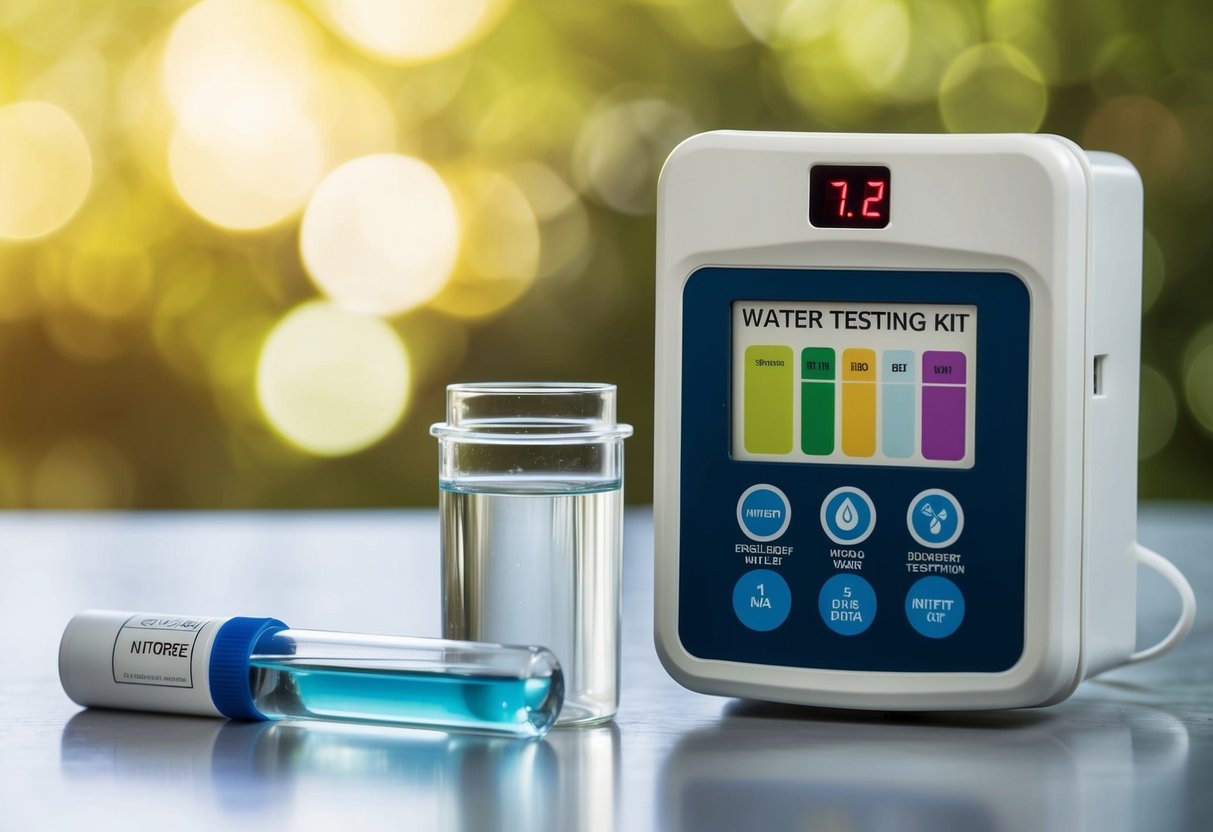
Nitrite in drinking water raises important health and safety concerns. People often wonder about safe levels, health impacts, testing methods, and removal options.
What is considered a safe level of nitrite in drinking water?
The safe level of nitrite in drinking water is typically set at 1 mg/L or lower by health authorities. This limit aims to protect public health, especially for infants and pregnant women who are more sensitive to nitrite exposure.
Levels above this threshold may pose risks. Regular testing is important to ensure water stays within safe limits.
How can nitrite in drinking water impact human health?
Nitrite in drinking water can affect health in several ways. It can interfere with oxygen transport in the blood, leading to a condition called methemoglobinemia.
This is especially dangerous for babies. High nitrite levels may also potentially increase cancer risk, though more research is needed to confirm this link.
Which health issues can arise from excess nitrate in drinking water?
Excess nitrate can cause various health problems. It can lead to blue baby syndrome in infants, a serious condition affecting oxygen flow.
Long-term exposure might increase risks of certain cancers and thyroid problems. Pregnant women may face higher risks of complications.
What are common methods for nitrate and nitrite analysis in water?
Water testing labs use several methods to check nitrate and nitrite levels. These include colorimetric tests, ion chromatography, and spectrophotometry.
Home test kits are also available. They provide quick results but may be less accurate than professional lab tests.
What are the possible sources of nitrite contamination in water?
Nitrite can enter water from various sources. Agricultural runoff containing fertilizers is a major contributor.
Sewage and septic system leaks can also introduce nitrites. Industrial waste and natural soil processes may add to nitrite levels in some areas.
How can nitrite be removed from drinking water effectively?
Several methods can remove nitrite from water.
Reverse osmosis systems are highly effective at filtering out nitrites. Ion exchange and distillation also work well.
For larger scale treatment, biological denitrification can be used to convert nitrite to harmless nitrogen gas.