Nickel is a metal found in our environment, including our drinking water. It’s important to understand its presence and potential effects on health.
While nickel occurs naturally in soil and water, human activities can increase its levels.
The World Health Organization (WHO) has set guidelines for nickel in drinking water to protect public health. These guidelines help ensure that water is safe to drink.
Most people get small amounts of nickel from food and water without harm. But some individuals may be more sensitive to nickel.
Research shows that nickel absorption from water can vary based on when and how we drink it. This knowledge helps us understand how to minimize potential risks.
Experts continue to study nickel’s effects and update safety recommendations as needed.
Key Takeaways
- Nickel is present in drinking water from natural and human sources
- Guidelines exist to keep nickel levels in water safe for consumption
- Individual sensitivity to nickel can affect how it impacts health
Nickel Basics
Nickel is a metallic element found in the environment and used in many industrial applications. It can enter drinking water through natural and human-made sources.
Chemical Properties
Nickel is a silvery-white metal with the atomic number 28. It’s hard, ductile, and highly resistant to corrosion.
Nickel melts at 1455°C and boils at 2913°C.
This metal readily forms alloys with other elements. It dissolves slowly in dilute acids but resists alkalis.
Nickel exists in several oxidation states, with +2 being the most common in aqueous solutions.
Sources in the Environment
Nickel occurs naturally in soil, water, and air. Volcanic activity and weathering of rocks release nickel into the environment.
Human activities also contribute to nickel pollution. These include:
- Mining and smelting operations
- Burning of fossil fuels
- Waste incineration
- Stainless steel production
Nickel can enter water sources through industrial runoff and leaching from soil.
Common Uses
Nickel has many industrial and consumer applications due to its unique properties.
Key uses include:
- Stainless steel production
- Alloys for coins, jewelry, and electronics
- Rechargeable batteries
- Electroplating
- Catalysts in chemical reactions
Food processing equipment often contains nickel, which can lead to small amounts in food.
Occupational exposure to nickel occurs in industries like mining, welding, and battery manufacturing.
Nickel in Drinking Water
Nickel can be present in drinking water from natural sources and human activities. Its concentration, health effects, and removal methods are important considerations for water quality.
Assessing Nickel Concentration
Nickel levels in drinking water vary widely. Tap water samples have shown concentrations ranging from less than 1 μg/L to over 10 μg/L.
Monitoring nickel in water supplies is crucial. Water utilities regularly test for nickel content. Home test kits are also available for consumers.
Factors affecting nickel levels include:
- Water source (groundwater vs. surface water)
- Plumbing materials
- Industrial activities nearby
Hot water often contains more nickel than cold water due to leaching from pipes and fittings.
Guideline Value and Standards
The World Health Organization (WHO) has set a guideline value for nickel in drinking water at 70 μg/L. This value aims to protect public health.
Many countries have adopted similar or stricter standards:
- European Union: 20 μg/L
- United States: No federal standard, but some states regulate
The European Food Safety Authority (EFSA) has assessed risks related to nickel in food and water. They found that current exposure levels are generally safe for most people.
Some individuals may be sensitive to nickel. For them, even low levels can cause skin reactions.
Water Treatment Methods
Several methods can remove nickel from drinking water:
- Ion exchange
- Reverse osmosis
- Activated carbon filtration
These treatments are effective but can be costly for large-scale use.
For home use, certified water filters can reduce nickel levels. It’s important to choose a filter specifically rated for nickel removal.
Public water systems may use corrosion control to prevent nickel leaching from pipes. This involves adjusting water chemistry to make it less corrosive.
Regular maintenance of plumbing systems can also help reduce nickel contamination.
Health Implications of Nickel
Nickel in drinking water can lead to various health issues. It affects different people in different ways, with some groups being more at risk than others.
Toxicity and Human Health Risks
Nickel exposure through drinking water can cause health problems when levels are much higher than normal. Water-soluble nickel compounds are the most concerning for health risks.
High nickel intake may lead to:
- Stomach issues
- Kidney problems
- Lung irritation
Long-term exposure might increase the risk of certain cancers. However, this is more common in occupational settings rather than from drinking water.
Nickel Sensitivity and Dermatitis
Some people are more sensitive to nickel than others. For these individuals, even small amounts can cause reactions.
Symptoms of nickel sensitivity include:
- Skin rashes
- Itching
- Redness
Systemic contact dermatitis can occur in nickel-sensitive people who consume nickel-rich foods or water. This can lead to widespread skin reactions, not just where nickel touches the skin.
Impact on Specific Populations
Children, infants, and adolescents may be more vulnerable to nickel’s effects. Their bodies are still developing, which can make them more sensitive to contaminants.
Pregnant women should also be careful about nickel intake. High levels might affect fetal development.
Adults with existing health conditions, like kidney problems, may face greater risks from nickel exposure. Their bodies might have a harder time removing the metal.
Regulation and Risk Assessment

Nickel in drinking water is subject to regulations and risk assessments by several international health organizations. These bodies set guidelines, evaluate potential health impacts, and classify nickel’s carcinogenicity.
WHO Guidelines and Recommendations
The World Health Organization (WHO) provides Guidelines for Drinking-water Quality (GDWQ). These guidelines set a recommended limit for nickel in drinking water.
WHO bases its recommendations on scientific evidence and risk assessments. The guidelines aim to protect public health from potential nickel-related health effects.
Regular updates to the GDWQ ensure they reflect the latest scientific knowledge. WHO encourages countries to use these guidelines when setting their own national standards for nickel in drinking water.
EFSA Risk Assessment Process
The European Food Safety Authority (EFSA) conducts risk assessments of nickel in food and drinking water. Their process involves:
- Data collection
- Hazard identification
- Exposure assessment
- Risk characterization
EFSA’s assessments undergo peer review to ensure scientific rigor. The authority considers both acute and chronic effects of nickel exposure.
EFSA’s findings inform European Union regulations on nickel levels in drinking water. Their work helps protect public health across EU member states.
IARC Classification
The International Agency for Research on Cancer (IARC) classifies substances based on their cancer-causing potential. IARC has evaluated nickel compounds for carcinogenicity.
IARC’s classification process involves:
- Reviewing scientific literature
- Assessing human, animal, and mechanistic evidence
- Expert panel discussions
The agency’s findings on nickel influence global risk assessments and regulations. IARC classifications help policymakers and health authorities make informed decisions about nickel exposure limits in drinking water.
Preventative Measures

Protecting people from nickel in drinking water requires action at different levels. Key steps include testing water supplies, using filters, and reducing nickel pollution sources.
Public Health Strategies
Regular water quality monitoring is crucial. Water utilities should test for nickel levels often. If high levels are found, they must notify the public quickly.
Treatment plants can use methods to remove nickel from water supplies. These include ion exchange and reverse osmosis. Updating old pipes and plumbing can also help. Many older systems may leach nickel into the water.
Public education is important too. People need to know about nickel risks and how to reduce exposure. Health departments can provide this information through various channels.
Individual Protection Measures
Homeowners can take steps to protect themselves:
- Use certified water filters that remove nickel
- Let tap water run for 30 seconds before using it
- Avoid using hot tap water for cooking or drinking
- Get home water tested, especially if on well water
For those sensitive to nickel, extra care is needed. They should use bottled water or highly filtered water for drinking and cooking.
Environmental Controls
Reducing nickel pollution at the source is key. Industries must follow strict rules for nickel waste disposal. This helps keep it out of water sources.
Proper management of landfills and waste sites is crucial. These can be major sources of nickel contamination in groundwater.
Protecting water sources is also vital. This includes creating buffer zones around rivers and lakes. It also means controlling urban runoff that can carry nickel into water supplies.
Soil conservation practices help too. They can prevent nickel in soil from washing into water sources during rain.
Comparative Analysis of Metals in Water

Drinking water can contain various metals that affect human health.
Nickel levels often correlate with other metal contaminants.
Different storage methods may influence metal concentrations in water supplies.
Nickel vs. Other Metals
Nickel is one of several metals found in drinking water. Studies comparing bottled and tap water have examined levels of nickel alongside other metals.
Common metals include chromium, antimony, arsenic, copper, and lead.
Nickel concentrations tend to be lower than some other metals. For example, copper levels are often higher due to plumbing materials.
Lead can be a major concern in older water systems.
Storage containers can affect metal content. Research on different vessels found metal tanks may increase certain contaminants.
Plastic containers typically result in lower metal levels.
Correlation with Health Outcomes
Metal concentrations in water relate to various health effects. Nickel intake from food and water has been linked to skin reactions in some people.
High levels may cause more serious issues.
Other metals pose different risks. Arsenic is tied to cancer.
Lead affects brain development in children. Nitrates can cause blue baby syndrome.
Chromite mining areas show higher metal contamination in water sources. This increases health risks for local populations.
Testing is crucial to identify unsafe levels of multiple metals.
Comparing metal concentrations helps prioritize treatment methods. Removal techniques may target groups of similar metals.
Regular monitoring ensures drinking water stays safe for consumption.
Advancements in Detection and Removal Technologies
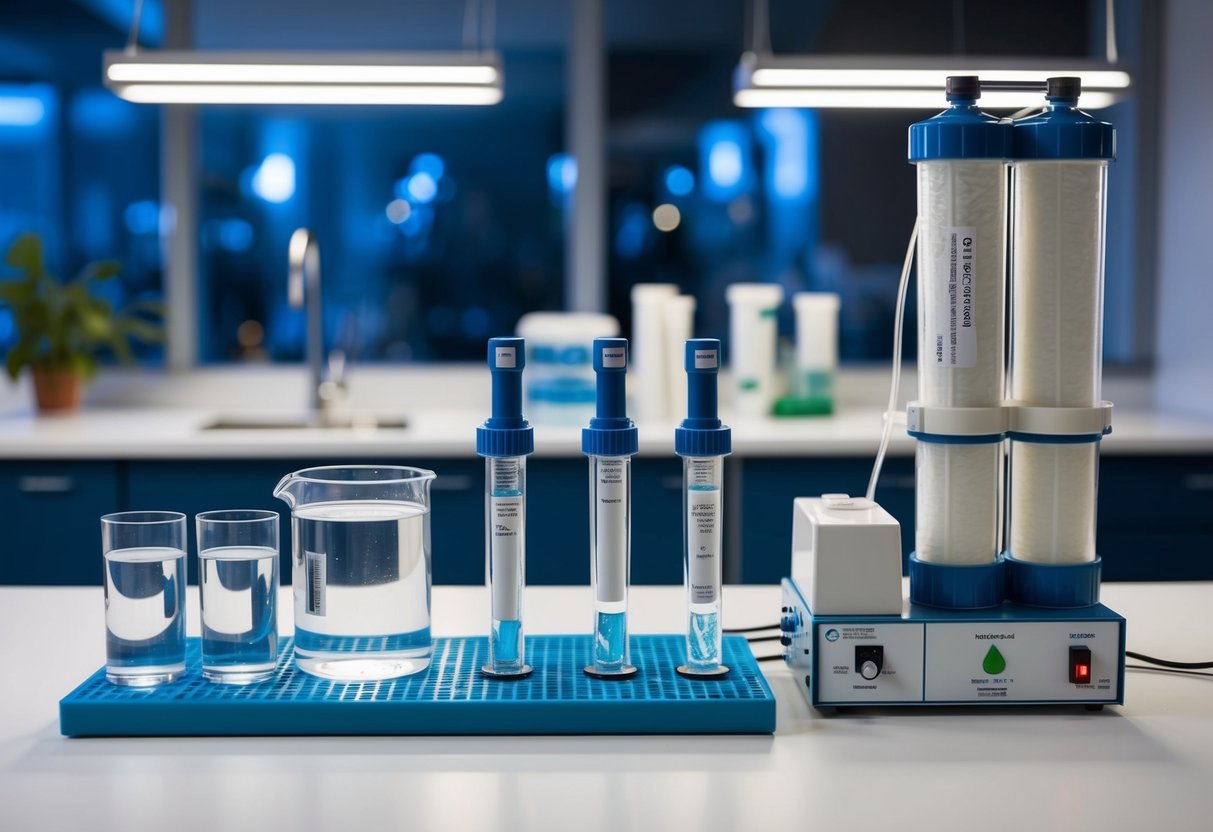
New tools and methods are making it easier to spot and get rid of nickel in drinking water. These changes help protect people’s health and make water safer.
Innovations in Monitoring
Water testing for nickel is getting faster and more exact. Handheld sensors now allow quick checks of water supplies.
These small devices can find even tiny amounts of nickel on the spot.
Lab tests are also improving. New ways to look for nickel can find smaller amounts than before. This helps catch problems early.
Some cities now use real-time monitoring systems. These keep track of nickel levels all the time.
If levels get too high, water workers can act fast to fix it.
Next-Generation Treatment Solutions
Better ways to clean nickel from water are being created. One new method uses tiny particles called nanoparticles.
These can pull nickel out of water very well.
Some new filters can remove more nickel than older types. They work faster and need less energy.
This makes clean water cheaper to produce.
Scientists are also trying out natural materials to clean water. Things like special plants or rocks might help soak up nickel.
These could be a cheap way to make water safer in some places.
Frequently Asked Questions
Nickel in drinking water raises concerns about health impacts and regulatory limits. Testing methods, removal techniques, and potential allergic reactions are key issues to consider.
What is the permissible limit for nickel in drinking water according to international guidelines?
The World Health Organization recommends a maximum of 70 micrograms per liter of nickel in drinking water. This guideline aims to protect public health while considering practical factors.
Different countries may set their own standards. The European Union, for example, has a stricter limit of 20 micrograms per liter.
What are the potential health effects of nickel in drinking water?
Nickel exposure through drinking water can cause various health issues. Short-term effects may include nausea, vomiting, and diarrhea.
Long-term exposure risks include kidney problems and increased cancer risk. People with nickel allergies may experience skin reactions from drinking water with high nickel levels.
What methods are available for testing the presence of nickel in water?
Several methods can detect nickel in water. Common techniques include atomic absorption spectroscopy and inductively coupled plasma mass spectrometry.
Home test kits are also available. These kits use chemical reactions to indicate nickel presence, but they may be less accurate than lab tests.
What standards does the EPA set for nickel content in drinking water?
The U.S. Environmental Protection Agency (EPA) does not currently have an enforceable standard for nickel in drinking water. They previously set a limit of 100 micrograms per liter.
The EPA continues to study nickel’s health effects. They may update regulations based on new scientific evidence.
How can nickel be removed from drinking water effectively?
Several methods can remove nickel from water. Ion exchange systems are effective for nickel removal.
Reverse osmosis filters can also reduce nickel levels. Activated carbon filters may help, but they’re less effective for nickel compared to other contaminants.
Can drinking water be a source of nickel for people with allergies?
Yes, drinking water can be a source of nickel exposure for people with allergies.
Nickel-sensitized individuals may react to nickel in water.
Boiling water in certain kettles can increase nickel levels.
People with nickel allergies should use nickel-free appliances and consider water filtration systems.