Mold in drinking water is a hidden problem that many people don’t think about. It can grow in water systems and pipes, affecting the quality and safety of our tap water.
Studies have found mold in both ground and surface water supplies across different countries.
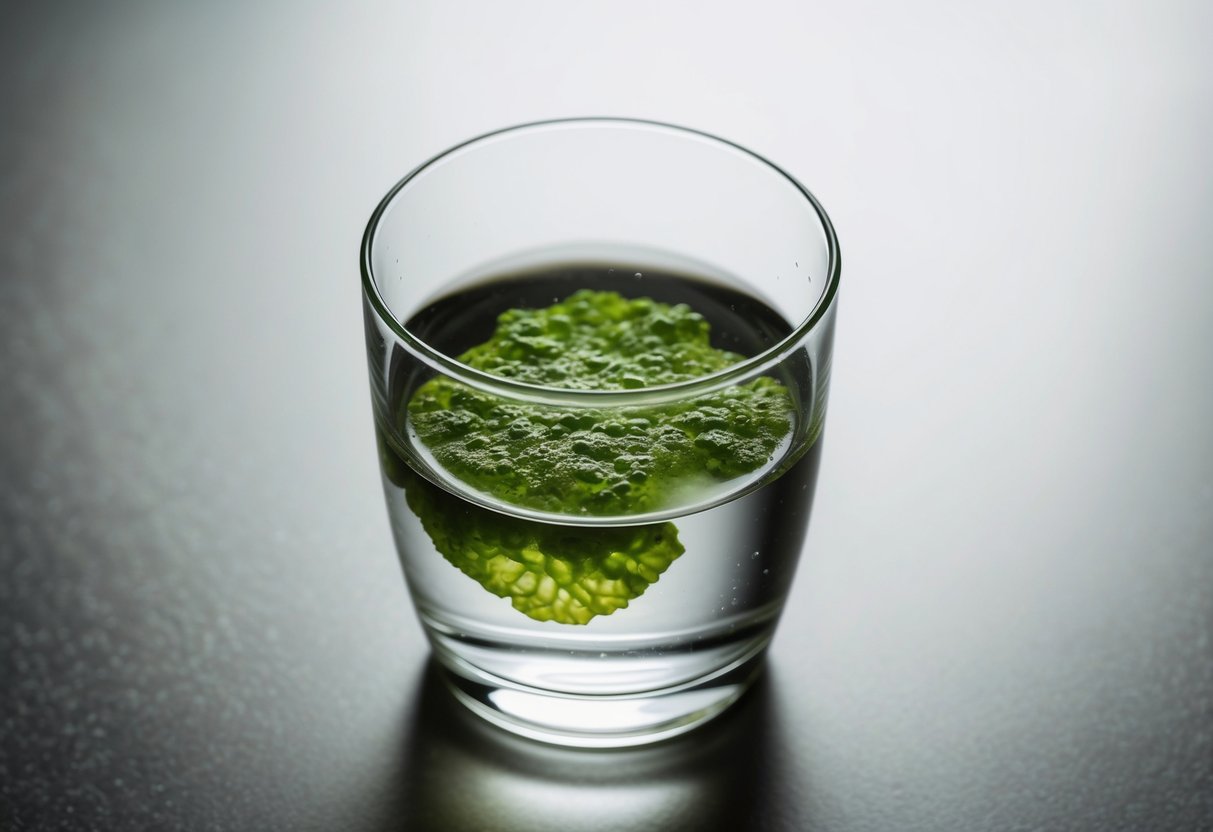
Drinking water contaminated with mold can pose health risks, especially for people with weakened immune systems or existing respiratory issues. Mold spores may cause allergic reactions or make breathing problems worse when inhaled.
Some types of mold can also produce toxins that are harmful if ingested.
Mold grows in many water systems, from public networks to home plumbing. It thrives in damp, dark places like pipes and storage tanks.
Regular testing and proper water treatment are key to keeping mold out of our drinking water and protecting public health.
Key Takeaways
- Mold can grow in various parts of drinking water systems, affecting water quality and safety
- Exposure to mold in water may cause health issues, particularly for vulnerable individuals
- Regular testing and proper water treatment help prevent mold growth in drinking water supplies
Understanding Mold and Its Types
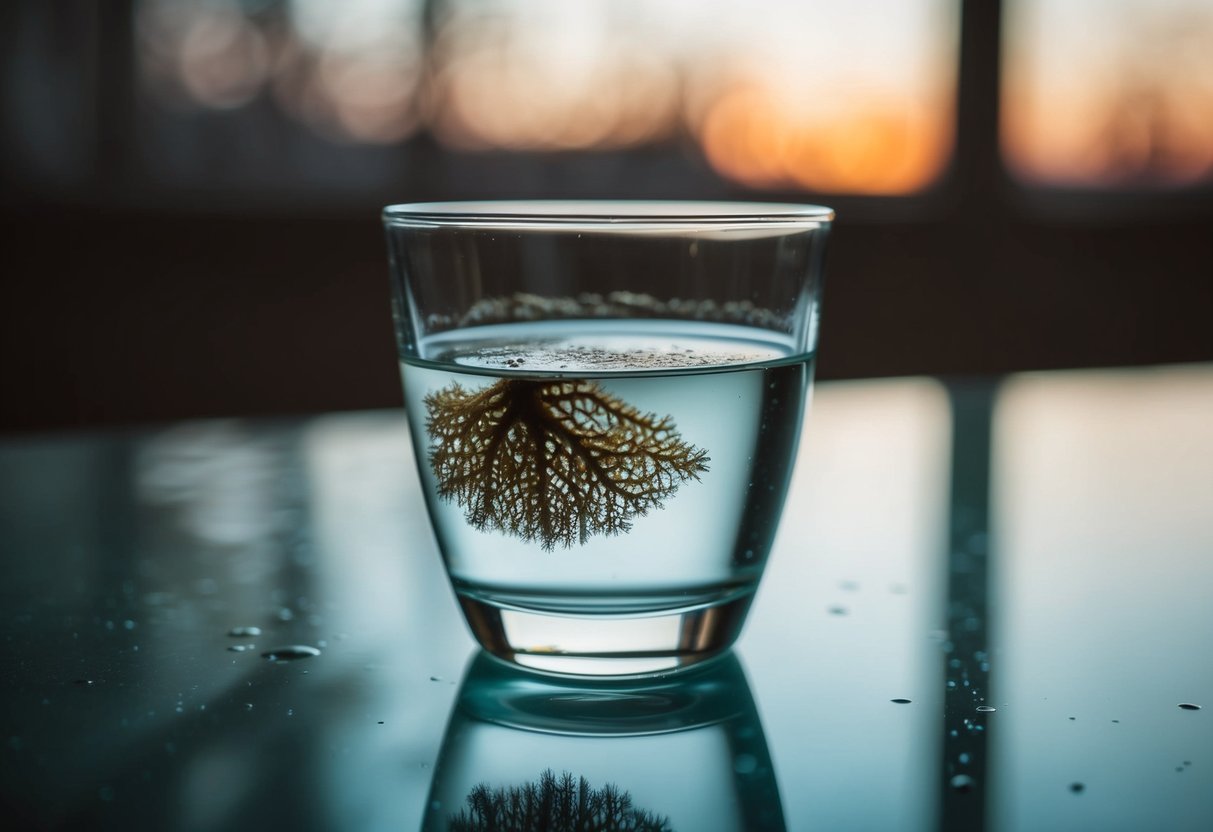
Mold is a common problem in water systems. It comes in many forms and can affect drinking water quality.
Characteristics of Mold
Mold is a type of fungus that grows in damp places. It spreads through tiny spores that float in the air.
Mold needs water and food to grow. It can eat many things, like wood, paper, and even dust.
Some types of mold grow fast. They can spread in just a few days if conditions are right.
Mold often has a musty smell. This can be a sign of mold growth in pipes or water tanks.
Not all mold is bad, but some kinds can make people sick. Mold spores in drinking water may cause health issues if swallowed or breathed in.
Common Types of Mold in Water
Several mold types can live in water systems. Here are some of the most common:
- Penicillium: Often blue or green, found in many places
- Aspergillus: Can be many colors, grows well in damp areas
- Cladosporium: Usually green or black, likes cool spots
Black mold is a term for some dark-colored molds. Not all black mold is toxic, but some types can be harmful.
Fusarium is another mold type found in water. It can grow even in cold water pipes.
Some molds make the water taste or smell bad. Others might not change the water at all.
Testing is the best way to know what types of mold are in water. This helps choose the right way to clean the water.
Health Risks Associated With Mold
Mold in drinking water can lead to various health issues. These range from mild allergic reactions to severe respiratory problems and even toxic effects. People with weakened immune systems or existing health conditions may face greater risks.
Allergic Reactions and Respiratory Conditions
Mold exposure can trigger allergic reactions in some people. Common symptoms include:
- Sneezing
- Runny or stuffy nose
- Itchy eyes, nose, and throat
- Coughing
- Wheezing
These reactions may be more intense in individuals with existing allergies or respiratory conditions. Prolonged exposure to mold can also lead to more serious respiratory issues. Some people may develop chronic sinusitis or bronchitis.
Asthma and Mold Sensitivity
Mold can worsen asthma symptoms in those who already have the condition. It may also trigger new cases of asthma in previously healthy individuals. People with mold sensitivity might experience:
- Increased frequency of asthma attacks
- Difficulty breathing
- Chest tightness
- Coughing fits
Children and the elderly are often more susceptible to these effects. Regular exposure to mold in drinking water can lead to long-term respiratory problems.
Mycotoxins and Severe Health Concerns
Some molds produce mycotoxins, which are toxic substances that can cause serious health issues. These toxins may lead to:
- Neurological problems
- Immune system suppression
- Liver damage
- Kidney damage
In rare cases, exposure to high levels of mycotoxins can be life-threatening. People with compromised immune systems, such as those undergoing chemotherapy or with HIV/AIDS, are at higher risk for severe reactions to mold and mycotoxins.
Sources of Mold in Drinking Water
Mold can enter drinking water through various paths. These include household plumbing systems, water storage tanks, and even personal hydration gear.
Household Plumbing as a Mold Habitat
Fungi occur widely in drinking water sources. Water pipes can become ideal habitats for mold growth. This is especially true in areas with high humidity or poor ventilation.
Leaky pipes create damp environments perfect for mold. Old or damaged plumbing materials may also foster mold growth.
Regular maintenance of plumbing systems is key to prevent mold. Fixing leaks promptly and ensuring proper drainage can help keep pipes mold-free.
Water filters and softeners, if not cleaned regularly, can also harbor mold. These devices should be checked and maintained according to manufacturer guidelines.
Water Storage Tanks and Mold Contamination
Mold has been found in both ground and surface water sources. Water storage tanks, whether above or below ground, can become breeding grounds for mold.
Factors that promote mold growth in tanks include:
- Poor tank design or maintenance
- Lack of proper sealing
- Infrequent cleaning
- Presence of organic matter
Regular inspection and cleaning of water tanks is crucial. This helps prevent mold contamination and ensures safe drinking water.
Proper tank design with good ventilation and tight seals can also deter mold growth.
Reusable Water Bottles and Hydration Gear
Personal hydration equipment can be unexpected sources of mold in drinking water. Reusable water bottles, if not cleaned properly, may harbor mold.
Mold thrives in moist environments. The inside of a water bottle, especially in hard-to-reach areas, can be perfect for mold growth.
To prevent mold in hydration gear:
- Clean bottles thoroughly after each use
- Allow bottles to dry completely before refilling
- Use bottle brushes to clean hard-to-reach areas
- Replace bottles regularly, especially if they show signs of wear
Proper care of hydration equipment is essential for safe and clean drinking water.
Identifying and Diagnosing Mold Issues
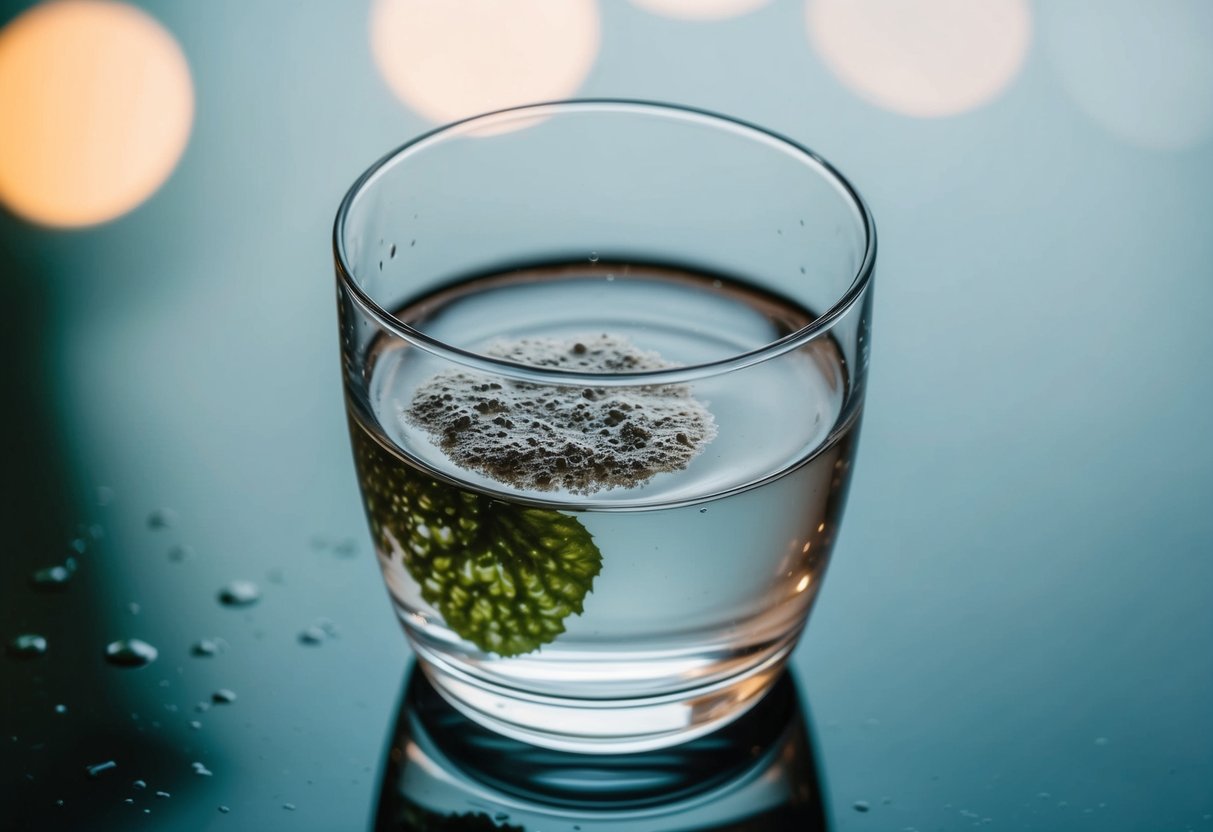
Mold in drinking water can cause various health problems and alter water quality. Recognizing the signs and symptoms of mold exposure is crucial for addressing the issue promptly.
Signs of Mold in Water
Visible mold growth may appear as fuzzy or slimy patches on water surfaces or containers. The water might have a cloudy appearance or contain floating particles. A musty, earthy odor is often present in moldy water.
Color changes in water can indicate mold growth. Greenish, brownish, or black tints may be visible. In some cases, a thin film may form on top of the water.
Tap fixtures and pipes may develop stains or discoloration due to mold buildup. Regular inspection of these areas can help detect early signs of mold issues.
Symptoms of Mold Exposure
People exposed to mold in water may experience various health effects. Common symptoms include:
- Nasal congestion
- Runny nose
- Sore throat
- Coughing
- Wheezing
- Eye irritation
- Skin rashes
Some individuals may develop more severe reactions, such as difficulty breathing or asthma attacks. Prolonged exposure can lead to chronic respiratory issues.
People with weakened immune systems, allergies, or pre-existing respiratory conditions are at higher risk for mold-related health problems.
Professional Mold Testing and Analysis
When mold is suspected in drinking water, professional testing is recommended. Experts use specialized techniques to identify and quantify mold species.
Morphological identification involves examining mold structures under a microscope. This method helps determine the genus and sometimes species of mold present.
Genetic analysis techniques can provide more precise identification of mold species. These tests look at the DNA of mold samples for accurate results.
Culture-based methods involve growing mold samples on specific media. This approach helps assess the viability and quantity of mold spores in water.
Professional testing can also determine the source of mold contamination, such as issues with water distribution systems or problems within the building’s plumbing.
Preventative Strategies and Solutions
Effective mold prevention in drinking water systems requires a multi-faceted approach. Regular maintenance, proper hygiene practices, and the use of appropriate water treatment methods can significantly reduce the risk of mold growth and exposure.
Preventing Mold Growth in Water Systems
Clean water pipes regularly to stop mold from growing. Use a water filter to remove mold spores and other contaminants. Install a water purifier to kill any remaining microorganisms. Water softeners can help by reducing mineral buildup that mold might feed on.
Key prevention steps:
- Flush pipes with hot water weekly
- Replace old or damaged pipes promptly
- Keep water temperature below 122°F (50°C) to discourage mold growth
- Use UV light systems to kill mold spores
Regular testing of water quality can catch mold problems early. If mold is found, shock chlorination can help eliminate it from the system.
Maintenance of Plumbing and Water Storage
Proper care of water storage tanks is crucial. Clean and inspect tanks yearly. Look for signs of mold or algae growth. Fix leaks right away to prevent moisture buildup.
Maintenance checklist:
- Check for cracks or damage in tanks
- Clean tank interior with approved disinfectants
- Ensure proper sealing and ventilation
- Replace old or worn tank components
For plumbing, insulate pipes to prevent condensation. This stops mold from growing on pipe surfaces. Drain and clean rarely used pipes and fixtures regularly.
Best Practices for Water Bottle Hygiene
Reusable water bottles can harbor mold if not cleaned properly. Wash bottles daily with hot, soapy water. Use a bottle brush to scrub all surfaces, especially the cap and straw.
Bottle cleaning tips:
- Rinse immediately after each use
- Air dry completely before storing
- Use vinegar or baking soda for deep cleaning
- Replace bottles with signs of wear or damage
Avoid leaving water in bottles for long periods. This can lead to mold growth. If using filtered pitchers, change filters as recommended by the manufacturer to prevent mold buildup.
Frequently Asked Questions
Mold in drinking water can pose health risks and requires proper identification and removal.
Testing methods exist to detect mold contamination, and there are steps to take if exposed.
What are the health risks of drinking mold-contaminated water?
Drinking water with mold can cause stomach upset, nausea, and diarrhea. Some people may have allergic reactions like sneezing or skin rashes.
Those with weak immune systems face higher risks of infections.
Mold exposure through contaminated water can trigger asthma attacks in sensitive individuals. Long-term consumption may lead to more serious health issues.
What steps should be taken if you’ve accidentally consumed water with mold?
Monitor for symptoms like stomach pain, nausea, or diarrhea. Drink plenty of clean water to help flush out the system.
If symptoms persist or worsen, seek medical attention.
Inform the doctor about the mold exposure. They may recommend tests or treatments based on the severity and duration of symptoms.
How can you identify mold in your drinking water?
Look for visible signs like floating particles or discoloration. Mold often appears as black, green, or white specks in water.
A musty or earthy smell can indicate mold growth.
Fungal contamination may also cause an unusual taste in the water. If unsure, have the water professionally tested.
What methods are effective for removing mold from household water pipes?
Flush pipes with hot water and a mild bleach solution. Use a pipe brush to scrub away buildup.
For persistent problems, consider hiring a professional plumber.
Install water filters to prevent future mold growth. Regularly clean and maintain water storage tanks and fixtures.
How is mold in drinking water tested?
Water samples are collected and sent to a laboratory. Technicians use microscopic examination and culture techniques to identify mold species.
Microscopy is a common method for detecting fungal spores in water samples. Some tests can also measure the concentration of mold in the water.
Can mold in a water bottle cause illness and how should the bottle be cleaned?
Mold in water bottles can cause similar health issues as mold in other water sources.
Clean bottles thoroughly with hot, soapy water and a bottle brush. Rinse well and let the bottle dry completely before reuse.
For stubborn mold, use a vinegar solution or sanitize with boiling water.