Tiny plastic particles have become a big concern in our water supply. These microplastics, smaller than 5 millimeters, come from many everyday items like clothes and packaging.
They have been found in tap water, bottled water, and freshwater sources around the world.
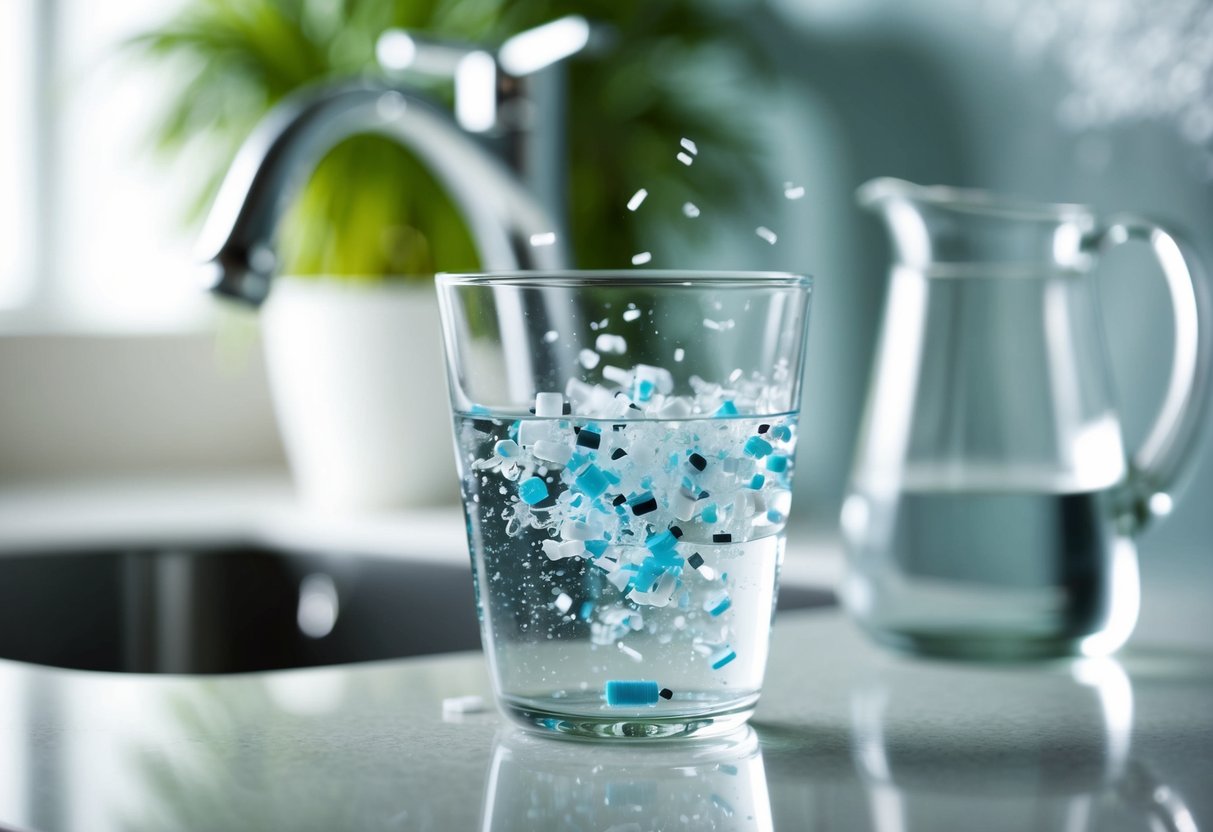
Scientists are working to understand how these particles affect our health and the environment. Recent studies have shown that microplastics are present in drinking water, but their impact on human health is not yet fully known.
This has led to increased research and public interest in the topic.
Water treatment plants are not designed to remove all microplastics. This means that some particles may end up in our glasses and bottles.
As awareness grows, there is a push for better filtering methods and ways to reduce plastic use overall.
Key Takeaways
- Microplastics are found in various water sources, including tap and bottled water.
- The health effects of ingesting microplastics through drinking water are still being studied.
- Improved water treatment and reduced plastic use are key strategies to address this issue.
Microplastics: Definition and Sources
Microplastics are tiny plastic particles that pollute water sources. They come from various products and industrial processes. These particles can be harmful to wildlife and may enter our drinking water.
Types of Microplastics
Microplastics are plastic pieces smaller than 5 millimeters. They come in different shapes and sizes. Common types include:
• Fragments: Broken pieces of larger plastics
• Fibers: Thin strands from clothing and textiles
• Beads: Tiny spheres used in cosmetics
• Films: Thin plastic sheets
Nanoplastics are even smaller, measuring less than 100 nanometers. These are harder to detect and study.
Microplastics can be made of various materials. Common ones are polyethylene, polypropylene, and polystyrene. Each type has different properties and effects on the environment.
Primary and Secondary Sources
Primary sources release microplastics directly into the environment. These include:
• Personal care products with microbeads
• Synthetic fabrics that shed fibers when washed
• Industrial scrubbers used for cleaning
Secondary sources create microplastics through breakdown of larger items. Examples are:
• Plastic bags and bottles that degrade over time
• Car tires that shed particles on roads
• Fishing gear left in oceans
Both freshwater and marine environments contain microplastics. Rivers and lakes often carry plastic debris to the sea.
Urban areas tend to have higher levels of microplastic pollution. This is due to more human activity and waste.
Occurrence of Microplastics in Water Sources
Microplastics have been found in various water sources, from rivers and lakes to groundwater and tap water. Their presence poses potential risks to aquatic ecosystems and human health.
Surface Water and Freshwater Sources
Microplastic pollution is widespread in surface water bodies. Rivers and lakes often contain microplastics from urban runoff, wastewater discharge, and atmospheric deposition.
Studies have detected microplastics in major rivers worldwide. Concentrations vary but can reach hundreds of particles per cubic meter. Lakes also accumulate microplastics, with higher levels near populated areas.
Freshwater sources used for drinking water are not immune. Researchers have found microplastics in raw water supplies before treatment. This includes reservoirs and other surface water sources.
Microplastic types in surface waters include fibers, fragments, and microbeads. Their small size allows them to persist and spread throughout aquatic environments.
Groundwater and Drinking Water Sources
Groundwater, once thought protected from contamination, can contain microplastics. Studies have detected microplastics in aquifers used for drinking water supply. Particles likely enter through soil infiltration or poorly sealed wells.
Tap water often contains microplastics, even after treatment. Research has found microplastics in both bottled and municipal drinking water worldwide. Concentrations are typically low but vary by location and water source.
Water treatment plants are not designed to remove all microplastics. Some particles pass through filters and enter distribution systems. This leads to microplastic presence in drinking water at the point of use.
The most common microplastics in drinking water are fibers and fragments. Their small size makes complete removal challenging with current treatment methods.
Microplastics in Drinking Water Treatment
Drinking water treatment plants use various methods to remove microplastics from water. These processes have different levels of success in filtering out tiny plastic particles.
Drinking Water Treatment Plants and Processes
Drinking water treatment plants (DWTPs) clean water before it reaches our taps. They use several steps to remove contaminants, including microplastics. Common processes include:
- Coagulation: Chemicals are added to make particles clump together.
- Flocculation: The clumps are gently mixed to form larger groups.
- Sand filtration: Water passes through sand to trap particles.
- Membrane filtration: Water is forced through tiny holes to catch pollutants.
These methods were not originally designed for microplastics. Still, they can catch many of these tiny particles. Some DWTPs are now testing new ways to target microplastics more directly.
Efficacy of Treatment Methods
Studies show that treatment plants can remove many microplastics from water. Sand filtration catches about 70-80% of particles. Membrane filtration is even better, removing up to 99.9% of microplastics.
But some very small pieces still get through. Nanoplastics, which are even tinier than microplastics, are especially hard to filter out.
Bottled water is not always better than tap water. Tests have found microplastics in both. The type of treatment matters more than the source of the water.
Researchers are working on new methods to catch more microplastics. These include special filters and chemical processes. The goal is to make drinking water as clean as possible.
Human Exposure and Health Implications
Microplastics in drinking water pose potential risks to human health. People can be exposed through different routes, and these tiny particles may have various effects on the body.
Routes of Exposure
People can come into contact with microplastics in drinking water through several paths. Tap water and bottled water both contain microplastics, with bottled water often having higher levels.
When someone drinks water with microplastics, they ingest these particles.
Microplastics can also enter the body through food. Many foods and beverages are made using water that may contain microplastics. Cooking with contaminated water can transfer microplastics to meals.
Inhalation is another exposure route. When water containing microplastics is heated, particles can become airborne. This allows people to breathe them in during activities like showering or boiling water.
Potential Health Risks
The health effects of microplastics in drinking water are not fully known. Research on human exposure risks is ongoing.
Some potential concerns include:
- Inflammation: Microplastics may trigger inflammatory responses in the body.
- Oxidative stress: These particles could cause cell damage through oxidative stress.
- Chemical exposure: Microplastics can carry harmful chemicals that may leach into the body.
- Gut microbiome changes: There’s a possibility that microplastics could alter gut bacteria.
Particle size plays a key role in health risks. Smaller particles may be able to enter the bloodstream and reach organs. Larger particles are more likely to pass through the digestive system.
More research is needed to fully understand the long-term health impacts of microplastic exposure through drinking water. Current risk assessments are limited due to gaps in knowledge about exposure levels and toxicity.
Risk Assessment and Public Health Concerns
Microplastics in drinking water pose potential health risks that require careful assessment. Regulators and health officials are working to set safety standards and provide guidance to the public.
Regulations and Quality Assessment
Water quality standards are evolving to address microplastic contamination. The World Health Organization is developing guidelines for microplastics in drinking water. Some countries have started testing programs to measure microplastic levels.
Current methods to assess microplastic levels include:
• Filtering water samples
• Microscopic analysis
• Chemical identification of particles
Experts say more research is needed on health effects. Long-term studies are lacking. This makes it hard to set firm safety limits right now.
Public Health Recommendations
Health officials advise some precautions about microplastics in drinking water:
• Use water filters certified to remove small particles
• Avoid plastic water bottles when possible
• Choose tap water over bottled water
Regular tap water may have fewer microplastics than bottled water. Boiling water does not remove microplastics.
More studies are needed on how microplastics affect human health. For now, experts say drinking water with some microplastics is likely low risk. Following basic water safety guidelines is still important.
Environmental Impact of Microplastics
Microplastics pose significant threats to ecosystems and wildlife. These tiny plastic particles contaminate water bodies and soil, harming animals and plants.
Ecological Impacts in Aquatic and Terrestrial Environments
Microplastics in freshwater systems can harm aquatic life. Fish and other organisms often mistake microplastics for food. This can lead to:
• Blocked digestive tracts
• Reduced feeding
• Malnutrition
In rivers and lakes, microplastics can:
• Alter sediment structure
• Affect bottom-dwelling creatures
• Disrupt food chains
On land, microplastics in soil can:
• Change soil structure
• Affect plant growth
• Harm earthworms and other soil organisms
Microplastics can also carry harmful chemicals. These toxins can build up in animals’ bodies over time. This poses risks to entire food webs, including humans.
As plastic waste breaks down, it releases greenhouse gases. This contributes to climate change, further stressing ecosystems.
Advancements in Detection and Analysis
Scientists have made big strides in finding and studying tiny plastic bits in drinking water. New tools and methods help spot these plastics better than before.
Analytical Methods and Challenges
Detecting microplastics in water is tricky. Researchers use many ways to find them. Some common methods are:
• Filtering water samples
• Looking at particles under microscopes
• Using special dyes to make plastics show up
Each method has pros and cons. Filtering can miss the smallest pieces. Microscopes take a lot of time. Dyes might not work on all plastics.
Labs face other issues too. Samples can get mixed up with other plastics. Air can add more plastic bits. Scientists work hard to keep things clean.
Emerging Technologies in Microplastic Identification
New tech is making it easier to spot microplastics. Advanced tools can tell what kind of plastic each bit is. This helps track where they come from.
Some cool new methods are:
• Raman spectroscopy: Uses lasers to ID plastics
• FTIR: Checks how plastics absorb light
• Pyrolysis-GC/MS: Breaks down plastics to see what’s inside
These tools work fast and can find very tiny pieces. They also help count how many microplastics are in water.
Research teams keep improving these methods. They want to make them cheaper and easier to use. This will help more people test their water for microplastics.
Mitigation Strategies and Sustainable Practices
Tackling microplastic pollution in drinking water requires a two-pronged approach. We need to cut off pollution at its source and improve water treatment methods. Both steps are key to cleaner, safer water.
Reducing Microplastic Pollution at the Source
Banning single-use plastics is a powerful way to reduce microplastic pollution. Many cities have outlawed plastic bags and straws. This helps keep plastics out of waterways.
Better waste management also plays a big role. Proper trash disposal and recycling stop plastics from entering water systems. Cities can set up more recycling bins and educate people on correct waste sorting.
Capturing microfibers from washing machines is another useful step. Special filters can trap these tiny plastic pieces before they enter wastewater. Some new washing machines come with built-in filters.
Companies can switch to eco-friendly packaging. Using paper or biodegradable plastics cuts down on plastic waste. This change can have a big impact on pollution levels.
Improvements in Water Treatment Technology
Advanced filtration systems are crucial in removing microplastics from drinking water. Membrane filtration and activated carbon can catch very small plastic particles.
Drinking water treatment plants are upgrading their tech. Many now use multi-stage filtration to remove more microplastics. This includes sand filters and chemical treatments.
Biofilms show promise in cleaning up water systems. These natural films of microbes can break down some types of microplastics. Scientists are looking at ways to use biofilms in wastewater treatment.
Wastewater treatment plants are key in stopping microplastics. Improved settling tanks and filters can catch more plastic particles before water is released back into the environment.
Current Research and Future Directions
Scientists are working hard to learn more about microplastics in drinking water. They are looking at past studies and finding new areas to research. This will help us better understand the problem.
Systematic Review and Meta-Analysis of Existing Studies
Researchers are doing systematic reviews of past studies on microplastics in drinking water. This means they carefully look at all the research that’s been done so far.
They use meta-analysis to combine results from different studies. This gives a bigger picture of what we know about microplastics in water.
These reviews help show what kinds of microplastics are found most often. They also tell us how much is usually in drinking water.
Scientists look at data from tap water, bottled water, and treated water. This helps them understand where the microplastics come from.
Identifying Gaps and Opportunities for Research
By looking at current research, scientists can see what areas need more study. This helps them plan future research projects.
One big gap is understanding how water treatment affects microplastics. Scientists want to know which methods work best to remove them.
Another area for study is how microplastics might affect human health. There’s still a lot to learn about this.
Researchers are also looking for better ways to detect and measure microplastics in water. This will help make future studies more accurate.
New research is focusing on different types of microplastics and where they come from. This can help find ways to stop them from getting into our water.
Frequently Asked Questions
Microplastics in drinking water raise important concerns about health impacts, detection methods, and removal techniques. People often wonder about differences between bottled and tap water contamination.
What are the potential health effects of microplastics in drinking water?
The health effects of microplastics in drinking water are not fully known. Some studies suggest they may cause inflammation or carry harmful chemicals.
More research is needed to understand long-term impacts on human health. Current knowledge is limited on how microplastics interact with the human body.
How can microplastics be detected and measured in drinking water?
Scientists use several methods to detect microplastics in water. Common techniques include filtration, microscopy, and spectroscopy.
These methods can identify the size, shape, and type of plastic particles. Sampling from water sources is complex and requires careful procedures.
Are there differences in microplastic contamination between bottled and tap water?
Both bottled and tap water can contain microplastics. Studies have found varying levels of contamination in different water sources.
Some research suggests bottled water may have higher microplastic levels than tap water. This could be due to the packaging process.
What methods are effective in removing microplastics from water?
Several methods can remove microplastics from water. These include filtration, reverse osmosis, and advanced oxidation processes.
Home water filters with small pore sizes may help reduce microplastic levels. Large-scale water treatment plants also use various techniques to remove contaminants.
How do microplastics in drinking water impact human health?
The impact of microplastics in drinking water on human health is not fully understood. Potential concerns include physical damage to organs and chemical leaching.
More studies are needed to determine the long-term effects of ingesting microplastics. Current evidence does not show clear health risks from typical exposure levels.
What guidelines has the World Health Organization provided regarding microplastics in drinking water?
The World Health Organization (WHO) has stated that microplastics in drinking water do not appear to pose a health risk at current levels.
They recommend more research to better understand potential impacts. The WHO also calls for reducing plastic pollution to prevent increases in microplastic contamination.