Microbes in drinking water are tiny organisms that can affect our health. These microscopic life forms include bacteria, viruses, and protozoa.
While many are harmless, some can cause illness if consumed.
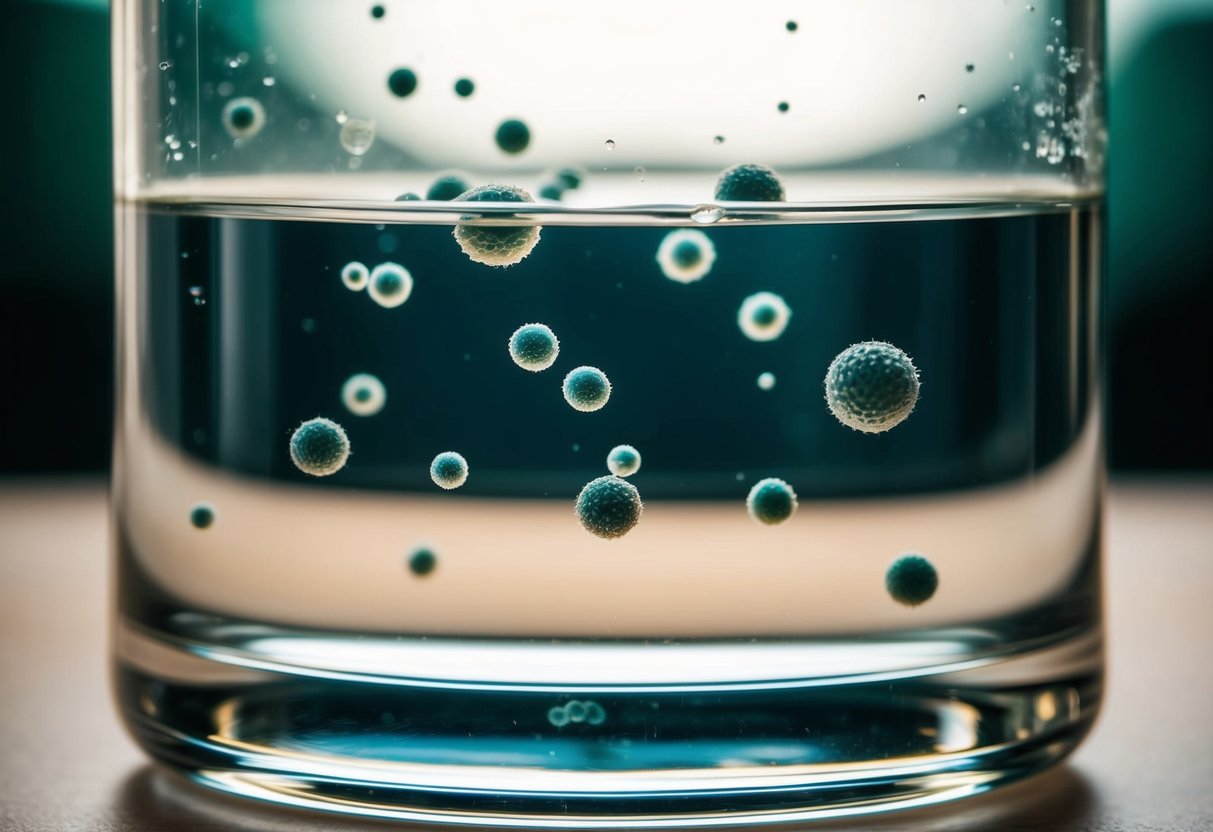
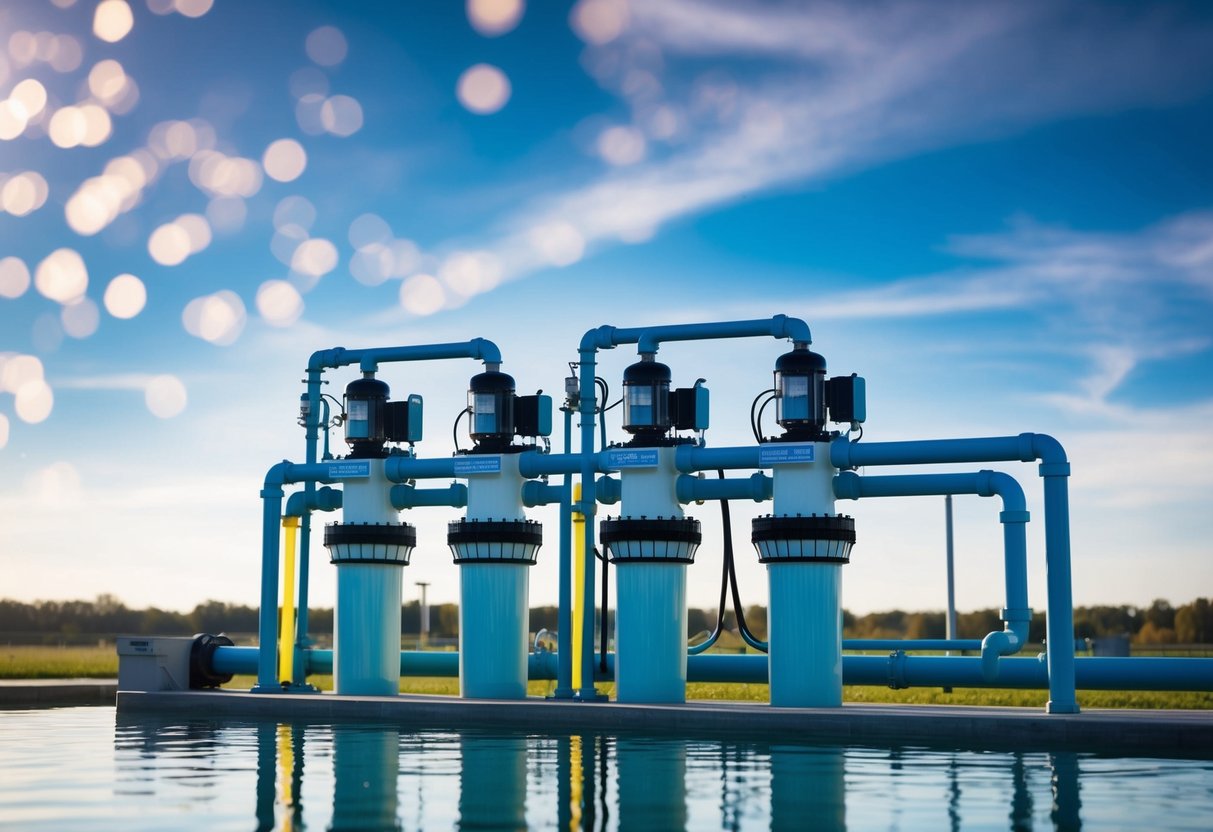
Most drinking water in developed countries is treated to remove or kill harmful microbes, making it safe to drink. Water treatment plants use methods like filtration and disinfection to clean the water.
This process removes diverse microbes simultaneously and helps protect public health.
Despite these efforts, some microbes may still be present in drinking water. Factors like pipe age, water source, and treatment methods can impact microbial levels.
Regular testing and monitoring help ensure water safety and identify any potential issues.
Key Takeaways
- Microbes in drinking water can include harmful and harmless organisms
- Water treatment processes aim to remove or inactivate dangerous microbes
- Regular testing helps maintain safe drinking water quality
Overview of Microorganisms in Water
Microorganisms are tiny living things found in drinking water. Some can make people sick. Water systems must check for and remove harmful microbes to keep water safe.
Types of Microorganisms
Bacteria are the most common microbes in water. E. coli and Salmonella are examples of bacteria that can cause illness. Viruses like hepatitis A and norovirus can also spread through water.
Protozoa such as Giardia and Cryptosporidium are larger single-cell organisms.
Some microbes are helpful and part of healthy water ecosystems. Others can make people very sick if they drink contaminated water. Testing helps identify which microbes are present.
Routes of Microbial Contamination
Microbes enter water supplies in many ways. Animal and human waste are major sources. Leaky pipes let contaminants seep in. Flooding can wash microbes into wells and reservoirs.
Poor sanitation practices at water treatment plants pose risks. Biofilms that grow inside pipes harbor bacteria. Old or damaged infrastructure increases contamination chances.
- Sewage leaks
- Agricultural runoff
- Wildlife
- Inadequate treatment
- Distribution system issues
Assessing Water Microbiology
Water quality labs test for microbes using different methods. They look for indicator organisms that signal contamination.
Total coliform bacteria tests are common. Specific tests can find E. coli and other pathogens.
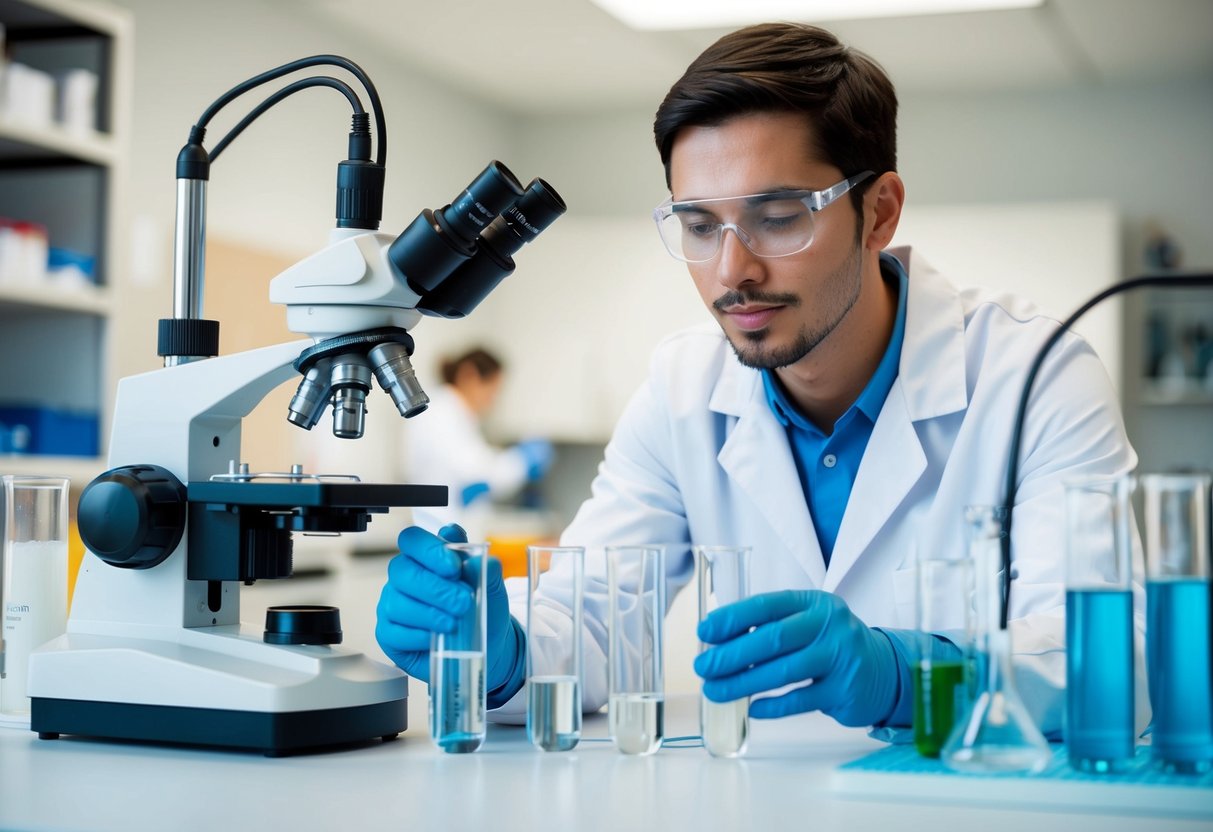
Microscopes let scientists see and count microorganisms. DNA tests find hard-to-culture microbes. Automated systems give fast results for large-scale monitoring.
Regular testing helps catch problems early. It guides water treatment decisions. Long-term data shows microbial trends in water sources over time.
Health Implications
Microbes in drinking water can lead to serious illnesses. These range from mild stomach upset to life-threatening infections. The type and severity of health effects depend on the specific microorganism involved.
Waterborne Diseases
Waterborne diseases are caused by pathogenic microbes in contaminated water. Common waterborne illnesses include cholera, hepatitis A, and legionnaires’ disease.
Cholera is caused by Vibrio cholerae bacteria. It causes severe diarrhea and dehydration. Hepatitis A virus infects the liver. Legionella bacteria cause a type of pneumonia.
Other microbes in water can lead to gastroenteritis. This causes nausea, vomiting, and diarrhea. Cryptosporidium and Giardia parasites are often to blame.
Public health protection focuses on preventing these diseases. This includes water treatment and testing. Early detection of outbreaks is also key.
Symptoms and Health Effects
The symptoms of waterborne illness vary. Many cause digestive issues like diarrhea. Others affect different body systems.
Cholera leads to watery diarrhea, vomiting, and leg cramps. Severe cases can be fatal within hours if untreated. Hepatitis A causes jaundice, fever, and abdominal pain. It can last for weeks.
Legionnaires’ disease mimics pneumonia. Symptoms include high fever, cough, and chest pain. It can be deadly, especially for older adults.
Cryptosporidium causes watery diarrhea. This can last weeks and lead to weight loss. Giardia also causes diarrhea, along with gas and nausea.
Safe drinking water is crucial to avoid these health risks. Proper treatment removes or kills harmful microbes.
Drinking Water Standards and Regulation
Rules ensure safe drinking water for all. These rules set limits on harmful substances and guide water treatment methods.
Water Quality Guidelines
Water quality guidelines set standards for safe drinking water. They limit amounts of bacteria, viruses, and chemicals in water supplies. The Environmental Protection Agency (EPA) sets these rules in the United States.
The EPA checks for over 90 contaminants. These include lead, arsenic, and E. coli. Water suppliers must test their water often. They report results to the EPA and the public.
Guidelines also cover treatment methods. Water providers must use approved ways to clean water. This helps remove or kill harmful microbes.
Health-Based Targets
Health-based targets aim to protect public health. They set specific goals for water safety. These targets focus on reducing waterborne diseases.
The World Health Organization (WHO) provides guidance on setting these targets. Countries use this advice to make their own rules. Targets may differ based on local needs and resources.
Water providers must meet these targets. They do this through proper treatment and testing. Regular monitoring helps ensure water stays safe to drink.
Water Treatment and Safety
Clean drinking water is essential for public health. Effective treatment removes harmful microbes and contaminants. Regular monitoring ensures water safety standards are met.
Conventional Treatment Processes
Drinking water treatment plants use several steps to purify water. First, coagulation and flocculation help particles clump together. Then sedimentation allows these clumps to settle out.
Filtration removes remaining particles. Sand and activated carbon filters catch tiny contaminants. Membrane filtration can remove even smaller microbes.
Proper treatment greatly reduces waterborne pathogens. But some resistant bacteria may survive. Ongoing research aims to improve removal of emerging contaminants.
Disinfection Methods and Effectiveness
Disinfection kills harmful microbes in water. Chlorination is the most common method. It leaves a residual disinfectant in the water system.
Other options include:
- UV light
- Ozone
- Chloramine
Each has pros and cons. Chlorine is effective against many pathogens. But it can form harmful byproducts. UV light kills microbes without chemicals. But it provides no lasting protection.
Combining methods often works best. This creates multiple barriers against contamination.
Emerging Contaminants and Treatment Techniques
New water pollutants pose challenges. These include:
- Pharmaceuticals
- Microplastics
- PFAS chemicals
Standard treatments may not remove them fully. Advanced oxidation shows promise for breaking down complex molecules.
Nanofiltration and reverse osmosis can catch tiny particles. Biofilms may help remove certain contaminants. But they can also harbor harmful bacteria.
Next-generation sequencing aids in detecting new microbes. This helps target treatment efforts.
Monitoring and Safety Plans
Regular testing is key to ensure safe drinking water. Utilities check for:
- Bacteria levels
- Chemical contaminants
- Disinfectant residuals
Water safety plans help manage risks. These identify hazards and control measures throughout the system.
Rapid tests can detect contamination quickly. This allows fast responses to protect public health.
Online monitoring provides real-time data on water quality. But proper sampling and lab analysis remain important.
Impact of Environmental Factors
Environmental factors play a big role in how microbes grow and spread in drinking water. These factors can change water quality and increase health risks.
Climate Change and Waterborne Microbes
Rising temperatures from climate change help some harmful microbes thrive in water. Warmer water boosts bacteria growth rates. This makes waterborne illnesses more likely.
Extreme weather also impacts water quality. Heavy rains can wash contaminants into water sources. Droughts concentrate pollutants in shrinking water supplies.
Climate change alters rainfall patterns too. This affects how microbes move through watersheds. New disease patterns may emerge as a result.
Coliform bacteria levels often rise after heavy rains. These bacteria show possible fecal contamination.
Natural Disasters and Water Contamination
Floods, hurricanes, and earthquakes can damage water systems. This leads to microbial contamination of drinking water.
Flooding mixes sewage into water sources. It also damages water treatment plants. This leaves people without clean water for days or weeks.
Earthquakes can crack pipes and contaminate groundwater. Landslides may block rivers or damage reservoirs.
After disasters, lack of sanitation spreads disease. Crowded shelters face higher risks of waterborne illnesses.
Emergency water treatment becomes crucial. But it’s often hard to reach affected areas quickly.
Water Scarcity and Microbial Risks
Water scarcity forces people to use unsafe sources. This raises the risk of exposure to waterborne microbes.
In dry areas, people may drink from polluted streams or ponds. These sources often contain harmful bacteria and parasites.
Water shortages also affect hygiene. Less water for handwashing spreads more germs.
Poor sanitation worsens the problem. It allows microbes to spread through communities.
Economic growth can strain water resources too. This may lead to cuts in water treatment to save money.
Prevention and Control Measures
Keeping drinking water safe requires a mix of methods. These focus on stopping microbes from getting into water and killing any that do. Good practices at home and in communities help a lot.
Hygiene and Public Awareness
Clean habits are key for safe water. People should wash hands often, especially after using the bathroom and before handling food or water.
Storing water in clean, covered containers stops germs from growing.
Public education is vital. Schools and health centers can teach about water safety. This helps people understand risks and take steps to protect themselves.
Simple acts like boiling water can kill many germs.
Posters and ads can spread tips on safe water use. These might show how to clean water containers or treat water at home. When people know more, they can make better choices about their water.
Community-Based Approaches
Local action is powerful for water safety. Community groups can work together to protect water sources. They might fence off wells or clean up areas near rivers.
Source water protection is a key step. This means stopping pollution before it reaches water supplies.
Communities can set rules about waste dumping and farming near water sources.
Local water committees can help too. They can check water quality and fix problems fast.
Training local people to test water and fix pipes builds skills in the community.
Risk Management Strategies
Smart planning helps keep water safe. Water suppliers use many tools to manage risks. They test water often to catch problems early.
Treatment processes like filtering and adding chlorine kill most germs. Suppliers must keep these systems working well.
They also need backup plans for emergencies.
Mapping risks is important. This means knowing where germs might enter the water system.
Weak points in pipes or storage tanks need extra care. Regular checks and fixes prevent many issues.
New tech helps too. Some systems use sensors to spot problems fast.
Quick action can stop small issues from becoming big ones.
Emerging Issues and Innovations
Microbes in drinking water face new challenges and opportunities. Scientists are making progress in understanding and addressing key issues related to water safety and public health.
Antimicrobial Resistance
Antibiotics in water sources are causing concern. Bacteria can develop resistance to these drugs. This makes infections harder to treat.
Some microbes in drinking water carry antibiotic-resistant genes. These genes can spread to other bacteria.
This increases health risks for people.
Water treatment plants are testing new methods to remove antibiotics. Advanced filtration and chemical processes show promise. Researchers are also looking at natural ways to break down these drugs.
Microbiome Research and Public Health
Scientists are studying the drinking water microbiome. This is the community of microbes living in water systems.
Next-generation sequencing helps map these tiny ecosystems. It shows which microbes are present and in what amounts.
The DW microbiome affects water quality and safety. Some microbes help clean the water. Others can cause problems.
Understanding this balance is key for public health. It may lead to new ways to keep drinking water safe and healthy.
Advancements in Detection Technologies
New tools are making it easier to find harmful microbes in water. Rapid tests can spot bacteria in minutes instead of days.
Portable devices allow testing right at water sources. This helps catch problems faster.
AI and machine learning improve water quality predictions. They analyze data from sensors and past tests.
DNA-based methods can find very small amounts of microbes. This includes those that are hard to grow in labs.
These advances help water systems respond quicker to threats. They also support better long-term planning for safe drinking water.
Frequently Asked Questions
Drinking water can contain various microbes that pose health risks. Treatment methods, classification systems, and detection techniques help ensure water safety and quality.
What are the microbial contaminants in drinking water?
Drinking water may contain bacteria, viruses, and parasites.
Common bacterial contaminants include E. coli and Salmonella.
Viruses like hepatitis A and norovirus can also be present.
Parasites such as Giardia and Cryptosporidium are sometimes found in water supplies. These microbes can come from human and animal waste or natural sources.
What methods are used to kill microbes in drinking water?
Chlorination is a widely used method to disinfect drinking water. It effectively kills many harmful bacteria and viruses.
UV light treatment is another option that destroys microorganisms’ genetic material. Ozonation uses ozone gas to eliminate pathogens.
Filtration systems, including membrane filters, can also remove microbes from water. Boiling water is a simple but effective method for killing most pathogens.
How are the types of pathogens in drinking water classified?
Pathogens in drinking water are typically classified into three main groups: bacteria, viruses, and protozoa.
Bacteria are single-celled organisms that can multiply quickly. Viruses are smaller than bacteria and require a host to reproduce.
Protozoa are larger, single-celled organisms that can form protective cysts. This classification helps in selecting appropriate treatment methods.
What is the acceptable bacterial count limit in drinking water?
The acceptable bacterial count in drinking water varies by region and regulatory body.
Many countries use the heterotrophic plate count (HPC) as a measure of overall bacterial presence.
In the United States, the EPA requires that no more than 5% of samples test positive for total coliforms in a month. For E. coli, the limit is zero in drinking water.
Are there health risks associated with consuming microbes in drinking water?
Yes, consuming contaminated drinking water can lead to various health problems.
Common symptoms include diarrhea, nausea, and stomach cramps.
More severe illnesses can occur, especially in vulnerable populations like young children and the elderly. Some waterborne pathogens can cause serious diseases such as cholera and typhoid fever.
How are microbes detected and quantified in drinking water?
Several methods are used to detect and count microbes in water.
Culture-based techniques involve growing bacteria on specialized media.
Molecular methods like PCR can detect specific genetic material of microorganisms.
Flow cytometry allows for rapid counting of individual cells.
Indicator organisms, such as coliform bacteria, are often used to assess overall water quality and potential contamination.