Clean water is vital for life. It keeps us healthy, supports ecosystems, and fuels our world. Water quality refers to the chemical, physical, and biological features of water that make it safe for drinking, swimming, and other uses.

Many factors can affect water quality. These include pollution, runoff, and natural events. Poor water quality can lead to health problems and harm the environment. It’s important to test and monitor water regularly.
Fuzzy logic and other methods help assess water quality. Experts look at things like pH levels, bacteria counts, and chemical content. This information guides water treatment and protection efforts. Clean water is key for a healthy planet and people.
Key Takeaways
- Water quality impacts human health, ecosystems, and economic activities
- Regular testing and monitoring are essential for maintaining safe water
- Water treatment and protection efforts rely on scientific assessment methods
The Fundamental Importance of Water Quality
Water quality is crucial for life on Earth. Clean water is essential for health, making it a basic human right. Safe drinking water keeps people healthy and prevents diseases.
Poor water quality can lead to many health issues. These include:
- Stomach problems
- Skin infections
- Serious illnesses like cholera
Access to safe water is key for public health. It helps stop the spread of waterborne diseases. This is especially important in crowded areas.
Water quality affects more than just people. It impacts:
- Plants
- Animals
- Ecosystems
Good water quality supports biodiversity. It keeps rivers, lakes, and oceans healthy.
Water quality management is vital for human activities. Clean water is needed for:
- Farming
- Industry
- Recreation
Protecting water quality helps ensure these activities can continue safely.
Monitoring water quality is an ongoing task. It involves testing for:
• Chemicals
• Bacteria
• Other pollutants
Regular checks help catch problems early. This allows for quick action to keep water safe.
Global Water Quality Challenges
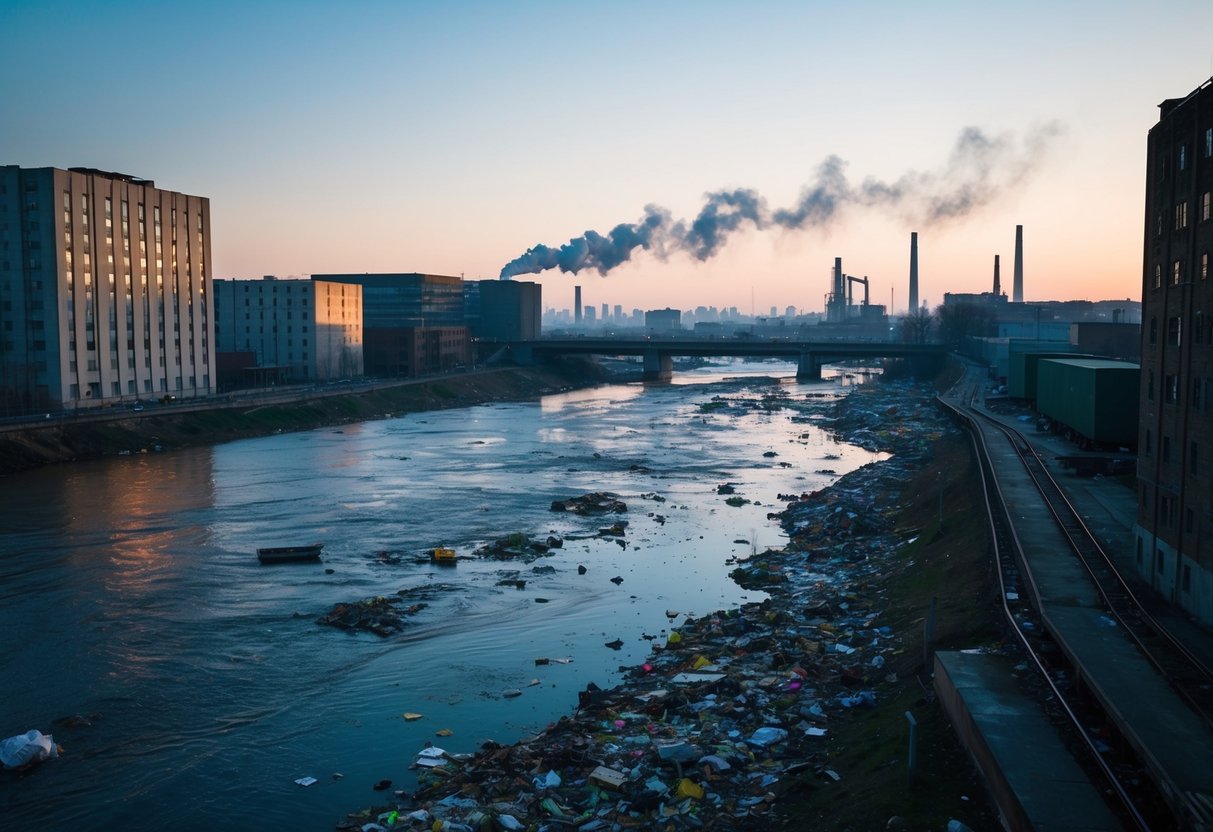
Clean water is vital for human health and the environment. Many factors threaten water quality worldwide. These issues affect both developing and developed nations.
Impact of Climate Change on Water Resources
Climate change alters rainfall patterns and water availability. Rising temperatures increase water evaporation. This leads to more droughts in some areas. Other regions face more floods.
Warmer waters harm aquatic life. They also boost algae growth. This can make water unsafe to drink. Extreme weather events linked to climate change damage water infrastructure.
Climate change melts glaciers and ice caps. This affects freshwater supplies for millions. Coastal areas face saltwater intrusion into groundwater due to rising sea levels.
Urbanization and Water Quality
Cities strain water resources. Urban growth often outpaces water treatment capacity. This leads to untreated wastewater polluting rivers and lakes.
Water-borne diseases are a major health risk in rapidly growing cities. Poor sanitation spreads illness.
Urban runoff carries pollutants into water bodies. These include oil, chemicals, and trash. Paved surfaces prevent water from soaking into the ground. This increases flood risks.
Many cities have aging water systems. Leaky pipes waste water and allow contaminants in. Upgrading infrastructure is costly but necessary.
Population Growth and Water Scarcity
More people means higher water demand. This strains limited freshwater supplies. Many regions face water scarcity.
Agriculture uses most freshwater globally. Growing food for more people increases water use. This can lead to dried-up rivers and depleted aquifers.
Water scarcity creates conflicts between users. Farmers, cities, and industry compete for limited supplies. This problem will likely worsen as populations grow.
Clean water shortages hurt health and economic growth. Lack of safe water and sanitation traps communities in poverty. Addressing water scarcity is key to sustainable development.
Health Risks Associated with Poor Water Quality
Poor water quality poses serious dangers to human health. Contaminated water can spread diseases, expose people to harmful chemicals, and introduce dangerous microbes into the body.
Waterborne Diseases and Pathogens
Waterborne diseases are a major health risk linked to unsafe water. Pathogens like bacteria, viruses, and parasites can cause illnesses when ingested.
Common waterborne diseases include:
- Cholera
- Diarrhea
- Dysentery
- Typhoid fever
- Polio
These diseases often spread through water contaminated with human or animal waste. Symptoms range from mild stomach upset to severe dehydration and even death.
Cryptosporidium is a parasite that causes diarrheal illness. It has a tough outer shell that helps it survive outside the body and resist chlorine disinfection.
Chemical Contaminants and Heavy Metals
Chemical pollutants in water can lead to both short-term and long-term health issues. Common contaminants include:
- Lead: Can cause developmental problems in children
- Arsenic: Linked to skin damage and increased cancer risk
- Fluoride: Excess amounts may damage bones and teeth
Heavy metals like mercury and cadmium can build up in the body over time. This may result in kidney damage, neurological problems, and other serious conditions.
Microplastics in drinking water are an emerging concern. While their health effects are not fully known, they may carry harmful chemicals.
Microbial and Biological Dangers
Microbes in water can cause immediate and severe health problems. Bacteria like E. coli can lead to gastrointestinal illness and dehydration.
Algal blooms produce toxins that are harmful if ingested. These can cause liver damage and neurological issues.
Protozoa such as Giardia can survive in water for long periods. They cause intestinal infections with symptoms like diarrhea and abdominal cramps.
Helminths, or parasitic worms, can enter the body through contaminated water. They may cause malnutrition and impaired growth in children.
Water Quality Indicators and Measurements
Water quality indicators help assess the health and safety of water bodies. These measurements include physical, chemical, and biological factors that give a clear picture of water conditions.
Physical and Chemical Indicators
Water quality indices often use physical and chemical indicators. pH is a key measure, showing if water is acidic, neutral, or basic. Temperature affects oxygen levels and aquatic life.
Turbidity measures water clarity. High turbidity can harm ecosystems and increase treatment costs. Nitrate levels indicate fertilizer runoff and can cause algae blooms.
Continuous monitoring helps track these indicators over time. Remote sensing allows for wide-area assessments of large water bodies.
Biological and Ecosystem Health Indicators
Biological indicators reveal the overall health of aquatic ecosystems. These include the presence and diversity of fish, plants, and small organisms.
Biomonitoring uses living organisms to assess water quality. For example, certain insects only live in clean water.
Ecosystem health indicators look at the whole water system. This includes checking for invasive species and monitoring native plant growth.
Manganese levels can affect both human health and aquatic life. High levels may indicate industrial pollution or natural geological sources.
Water Quality Standards and Guidelines
Water quality standards and guidelines play a crucial role in protecting public health and the environment. They set benchmarks for safe drinking water and environmental water quality.
International and National Authorities
The World Health Organization (WHO) develops international guidelines for drinking water quality. These guidelines serve as a basis for many countries to create their own standards.
In the United States, the Environmental Protection Agency (EPA) sets and enforces national drinking water standards. These standards are legally enforceable and apply to public water systems.
The United Nations works to improve global access to safe water through its Sustainable Development Goals. Goal 6 specifically targets clean water and sanitation for all.
NOAA monitors coastal water quality in the U.S. They provide data on parameters like temperature, salinity, and dissolved oxygen.
Health-Based Regulations
Health-based regulations aim to protect people from waterborne diseases and contaminants. These rules set maximum allowed levels for various substances in drinking water.
Common regulated contaminants include:
- Microorganisms (e.g., E. coli, Giardia)
- Disinfectants and their byproducts
- Inorganic chemicals (e.g., lead, nitrates)
- Organic chemicals (e.g., pesticides)
Water safety plans help ensure consistent compliance with these regulations. They involve:
- Assessing risks in the water supply system
- Implementing control measures
- Monitoring water quality regularly
Ambient water quality standards protect lakes, rivers, and coastal waters. These standards support aquatic life and recreational use of water bodies.
Water Treatment and Sanitation
Clean water and proper sanitation are vital for human health. They stop diseases from spreading and keep communities healthy. Treatment and sanitation work together to make sure water is safe to use.
Wastewater Treatment Processes
Wastewater treatment cleans dirty water before it goes back into the environment. It happens in several steps:
- Screening: Big objects are removed.
- Primary treatment: Solids sink to the bottom.
- Secondary treatment: Bacteria break down organic matter.
- Tertiary treatment: Chemicals or filters remove leftover pollutants.
Modern plants use advanced methods to make water even cleaner. Some even turn waste into energy.
Water suppliers play a key role in this process. They make sure treated water meets safety standards before it reaches homes and businesses.
Access to Sanitation and Hygiene
Good sanitation means having clean toilets and ways to get rid of waste safely. It also includes handwashing with soap.
Many people still lack basic sanitation:
- 2 billion people don’t have toilets at home
- 3 billion can’t wash hands with soap and water
Proper sanitation and hygiene stop diseases from spreading. They are crucial for public health.
Governments and aid groups work to build toilets and teach good hygiene habits. This helps more people stay healthy and safe.
Strategies for Water Quality Protection
Protecting water quality requires a mix of planning and action. Key approaches focus on preventing contamination and restoring damaged ecosystems.
Water Safety Plan Implementation
Water safety plans provide a framework to manage risks to drinking water supplies. These plans identify threats and establish controls to ensure safe water.
Key steps include:
• Assessing the water system
• Identifying hazards
• Implementing control measures
• Monitoring effectiveness
Water safety plans use a team approach. They bring together water suppliers, health officials, and community members.
Regular reviews help keep plans up-to-date. This allows for quick responses to new threats or changes in water quality.
Ecosystem Restoration and Conservation
Protecting aquatic ecosystems is vital for water quality. Healthy ecosystems naturally filter and clean water.
Restoration efforts may include:
• Replanting native vegetation
• Removing invasive species
• Improving stream habitats
Conservation focuses on preserving existing healthy ecosystems. This can involve creating protected areas or limiting development near water sources.
Community involvement is key. Education programs help people understand their impact on local water quality. Volunteer projects like stream cleanups get people directly involved in protection efforts.
Community and Public Health Initiatives
Clean water is vital for healthy communities. Public health efforts focus on improving water quality through education and local programs. These initiatives aim to reduce poverty and support human development.
Educational Programs and Community Outreach
Community water quality programs play a key role in public health. Many towns offer free water testing kits to residents. This helps people check their tap water for contaminants.
Schools teach kids about water safety. Students learn how to prevent water pollution. They also discover ways to conserve water at home.
Local health departments hold workshops on well maintenance. These events show homeowners how to protect their water sources. Topics include proper septic system care and safe fertilizer use.
Local and Global Health Initiatives
Cities invest in water treatment plants to ensure safe drinking water. Regular testing checks for bacteria and chemicals. When issues arise, officials alert the public quickly.
The United Nations Sustainable Development Goals include clean water access. This global effort aims to provide safe water to all people by 2030.
Aid groups build wells in areas lacking clean water. They also teach communities how to maintain these water sources. This work helps reduce waterborne diseases and improve lives.
Some towns create watershed protection plans. These efforts safeguard rivers and lakes from pollution. Clean watersheds lead to better drinking water for everyone.
Frequently Asked Questions
Water quality affects many aspects of life and the environment. It impacts health, ecosystems, food production, and more. Understanding these effects helps us grasp why clean water matters so much.
Why is maintaining high-quality water crucial for ecological health?
Clean water is vital for plants and animals to thrive. It supports diverse habitats and keeps ecosystems in balance. Good water quality allows aquatic life to flourish and helps maintain biodiversity.
Poor water quality can harm or kill fish and other organisms. It can lead to algal blooms that choke out other life. Clean water is key to preserving natural environments.
How does water quality impact agricultural practices and crop production?
Water quality greatly affects crop growth and farm productivity. Clean water leads to healthier plants and higher yields. It reduces the need for extra fertilizers or treatments.
Polluted water can stunt plant growth or make crops unsafe to eat. It may contain harmful chemicals or pathogens. Farmers rely on good water quality to produce food efficiently and safely.
What role does water quality play in aquaculture sustainability?
Water quality is crucial for fish farming success. Clean water keeps fish healthy and growing well. It reduces disease outbreaks and the need for antibiotics.
Poor water quality can stress or kill fish. It can lead to slower growth and lower production. Monitoring water quality is essential for sustainable aquaculture operations.
What are the key parameters that define water quality?
Several factors determine water quality. These include pH, dissolved oxygen, temperature, and nutrient levels. Contaminants like bacteria, pesticides, and heavy metals also affect quality.
Turbidity, or water cloudiness, is another important measure. Chemical pollutants can significantly impact overall water quality.
Why is it essential to have access to safe drinking water?
Safe drinking water is crucial for human health. It prevents waterborne diseases and helps maintain proper hydration. Clean water is especially important for children, the elderly, and those with weakened immune systems.
Lack of safe water can lead to serious illnesses. It can cause diarrhea, cholera, and other potentially fatal conditions. Access to clean drinking water is a basic human right and necessity.
How does the Water Quality Act contribute to environmental protection?
The Water Quality Act sets standards for water pollution control. It requires monitoring and treatment of water sources. The act helps prevent harmful substances from entering water supplies.
This legislation promotes cleaner rivers, lakes, and coastal waters. It supports efforts to restore polluted water bodies. The act plays a key role in safeguarding water resources for humans and wildlife.