Water quality plays a crucial role in our daily lives. Clean water is essential for drinking, cooking, and basic hygiene. When water becomes contaminated, it can lead to serious health issues.
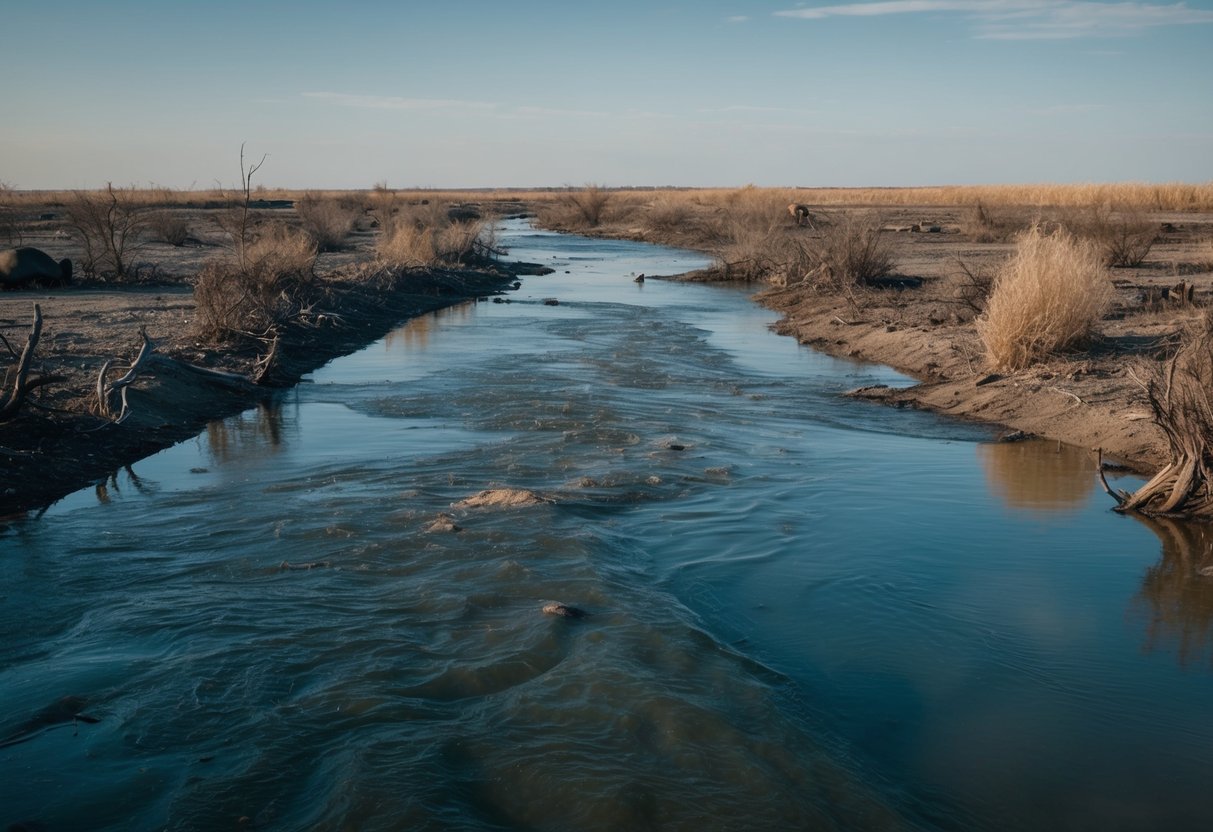
Poor water quality can cause a range of health problems, from mild stomach upset to severe illnesses like cholera and typhoid fever. Many people around the world still lack access to safe drinking water. This puts them at risk for waterborne diseases that can be life-threatening, especially for young children and the elderly.
Water pollution comes from many sources. These include industrial waste, agricultural runoff, and improper sewage treatment. Improving water quality requires efforts at local, national, and global levels. Better water treatment, stricter pollution controls, and public education are all important steps.
Key Takeaways
- Poor water quality can lead to serious health issues and waterborne diseases
- Contamination sources include industrial waste, agricultural runoff, and inadequate sewage treatment
- Improving water quality requires multi-level efforts in treatment, pollution control, and public awareness
Understanding Water Quality and Health
Water quality plays a crucial role in human health. It affects our daily lives through drinking, cooking, and hygiene. Poor water quality can lead to various health issues.
Fundamentals of Water Quality
Water quality refers to the chemical, physical, and biological traits of water. It includes factors like pH levels, dissolved oxygen, and the presence of contaminants. Good quality water is clear, odorless, and free from harmful substances.
Key aspects of water quality include:
- Chemical composition
- Microbial content
- Physical properties
Water sources can be natural or man-made. Rivers, lakes, and groundwater are common natural sources. Reservoirs and water treatment plants are examples of man-made sources.
Human activities often impact water quality. Pollution from industries, agriculture, and urban areas can introduce harmful substances into water bodies.
Health Implications of Water Contaminants
Poor water quality can have serious health effects. Contaminants in water can cause various illnesses, ranging from mild to severe.
Common water contaminants include:
- Bacteria (e.g., E. coli)
- Viruses (e.g., hepatitis A)
- Parasites (e.g., Giardia)
- Chemicals (e.g., lead, pesticides)
These contaminants can lead to diseases like cholera, typhoid, and dysentery. Long-term exposure to certain chemicals in water can cause chronic health issues.
Children, elderly people, and those with weakened immune systems are most at risk. They may suffer more severe effects from contaminated water.
Importance of Safe Drinking Water
Safe drinking water is essential for human health and well-being. It helps prevent water-borne diseases and ensures proper hydration.
Access to safe drinking water is a basic human right. Yet, millions of people worldwide lack this access. This leads to health problems and reduced quality of life.
Safe drinking water should meet specific standards. These include:
- Free from harmful microorganisms
- Low levels of chemicals and minerals
- Pleasant taste and odor
Proper water treatment and sanitation are key to ensuring safe drinking water. Regular testing and monitoring help maintain water quality standards.
Governments and organizations work to improve water access globally. This effort aims to reduce water-related health issues and improve public health.
Sources and Types of Water Pollutants
Water pollution comes from many places. Some pollutants are made by people, while others occur naturally. Different sources add unique harmful substances to water.
Agricultural Runoff
Farms are a big source of water pollution. When it rains, chemicals wash off fields into rivers and lakes. Pesticides and fertilizers are common farm pollutants. These can harm plants and animals in the water.
Excess nutrients like nitrogen and phosphorus cause problems. They make algae grow too fast. This uses up oxygen in the water. Fish and other creatures may die as a result.
Animal waste is another farm pollutant. It can carry harmful bacteria. These germs can make people sick if they drink the water.
Industrial Waste
Factories release many types of water pollutants. Heavy metals like lead and mercury are toxic. Even small amounts can harm health. Oil spills from industry can coat water surfaces and kill wildlife.
Many industries use chemicals in their processes. These may end up in nearby water. Dyes, solvents, and acids change water chemistry. This makes it unsafe for living things.
Some pollutants are hard to remove from water. Microplastics are tiny plastic bits. They come from industrial products and waste. These can harm animals that mistake them for food.
Household Contamination
Our homes add pollutants to water too. Soap and detergents contain chemicals. These can change water quality when they go down the drain. Medicines flushed down toilets end up in rivers and lakes.
Trash and litter often find their way into water bodies. Plastic bags and bottles can harm wildlife. They may also release harmful chemicals as they break down.
Leaky septic tanks are another problem. They let human waste into groundwater. This can spread diseases through drinking water.
Natural Sources of Contamination
Not all water pollution comes from human activities. Some happens naturally. Rocks and soil can release substances into water. Arsenic and fluoride are examples of natural pollutants.
Volcanic eruptions add ash and gases to water. This can make it acidic. Wildfires leave behind ash that washes into streams. This changes water chemistry.
Even dead plants and animals can pollute water. As they decay, they use up oxygen. This makes it hard for fish and other creatures to breathe.
Water-Borne Diseases and Health Effects
Poor water quality leads to many health problems. Drinking contaminated water can cause infectious diseases and long-term health issues. Some common water-borne illnesses include cholera and dysentery.
Infectious Diseases
Contaminated water spreads many infectious diseases. Diarrhea is a common symptom of water-borne infections. It can be caused by bacteria, viruses, or parasites in dirty water.
Cholera is a severe diarrheal disease. It’s caused by the Vibrio cholerae bacteria. Cholera can lead to rapid dehydration and death if not treated quickly.
Other water-borne infections include:
- Hepatitis A
- Typhoid fever
- Polio
- E. coli infection
These diseases often spread in areas with poor sanitation and unsafe drinking water.
Chronic Health Conditions
Long-term exposure to contaminated water can cause chronic health problems. These issues may develop slowly over time.
Some chronic conditions linked to poor water quality:
- Kidney damage
- Liver problems
- Neurological disorders
- Certain cancers
Children are especially at risk. Drinking unsafe water can affect their growth and development. It may also harm their immune systems.
Pregnant women face risks too. Contaminated water can lead to complications during pregnancy and affect the health of the baby.
Case Studies: Cholera and Dysentery
Cholera outbreaks show the dangers of unsafe water. In 1854, a cholera epidemic hit London. Dr. John Snow traced it to a contaminated water pump. This discovery helped prove that cholera spreads through water.
More recently, cholera outbreaks have occurred in Haiti and Yemen. These cases highlight the need for clean water and good sanitation.
Dysentery is another serious water-borne illness. It causes severe diarrhea with blood and mucus. Shigella bacteria often cause dysentery. Like cholera, it spreads through contaminated water and poor hygiene.
Both cholera and dysentery can be deadly, especially in areas with limited healthcare. Clean water and proper sanitation are key to preventing these diseases.
Vulnerable Populations and Water Quality
Poor water quality poses greater risks to certain groups. Children, the elderly, and those with weakened immune systems face higher dangers from contaminated water.
Children Under Five and Safe Water Access
Kids under 5 are very vulnerable to water quality issues. Their developing bodies can’t fight off waterborne illnesses as well as adults. Unsafe water leads to diarrhea, which can cause severe dehydration.
Malnutrition makes the problem worse. It weakens children’s defenses even more. This creates a cycle where dirty water causes illness, leading to poor nutrition.
Access to clean water is key for child health. Families need reliable sources of safe drinking water. Proper sanitation also helps prevent the spread of disease.
Elderly and Immunocompromised Individuals
Older adults face higher risks from contaminated water. Their immune systems weaken with age, making it harder to fight off waterborne germs. Chronic health conditions can make them even more susceptible.
People with compromised immune systems are in danger too. This includes those with HIV/AIDS, cancer patients, and organ transplant recipients. Even minor water contamination can cause severe illness for them.
Safe water is vital for these groups. They need to be extra careful about water sources. Boiling or filtering water can help reduce risks. Public health efforts should focus on protecting these vulnerable populations.
Effects of Environmental Changes
Environmental changes have a big impact on water quality and health. These changes come from things like climate shifts, more people living in cities, and not having enough clean water to go around.
Impact of Climate Change on Water Quality
Climate change affects water in many ways. It can cause more droughts and floods, which change how much water is available. When there’s less water, pollutants become more concentrated. This makes the water dirtier and harder to clean.
Warmer temperatures can also lead to more algae in water. This can make people sick if they drink it. Climate change might also cause more extreme weather events like heavy rain. These can wash more pollution into rivers and lakes.
In some places, sea levels are rising due to climate change. This can make well water salty, which isn’t good for drinking or farming.
Role of Urbanization and Population Growth
As more people move to cities, it changes water quality. Cities use a lot of water, which can lower water levels in nearby rivers and lakes. This makes pollution worse because there’s less water to dilute it.
More people also mean more waste. If cities don’t have good ways to clean sewage, it can end up in drinking water. This causes health problems like diarrhea.
Building more houses and roads in cities means less open ground. When it rains, water can’t soak into the soil. Instead, it runs over dirty surfaces and into water sources, carrying pollution with it.
Water Scarcity and Quality
When water is scarce, it often becomes dirty too. People might have to use water that isn’t clean because there’s no other choice. This can spread diseases.
In dry times, people dig deeper wells. But deep groundwater can have natural pollutants like arsenic or fluoride. These can cause serious health issues if people drink this water for a long time.
Water scarcity also leads to overuse of rivers and lakes. This leaves less water for nature, which can harm ecosystems that help keep water clean.
Regulatory Standards and Guidelines
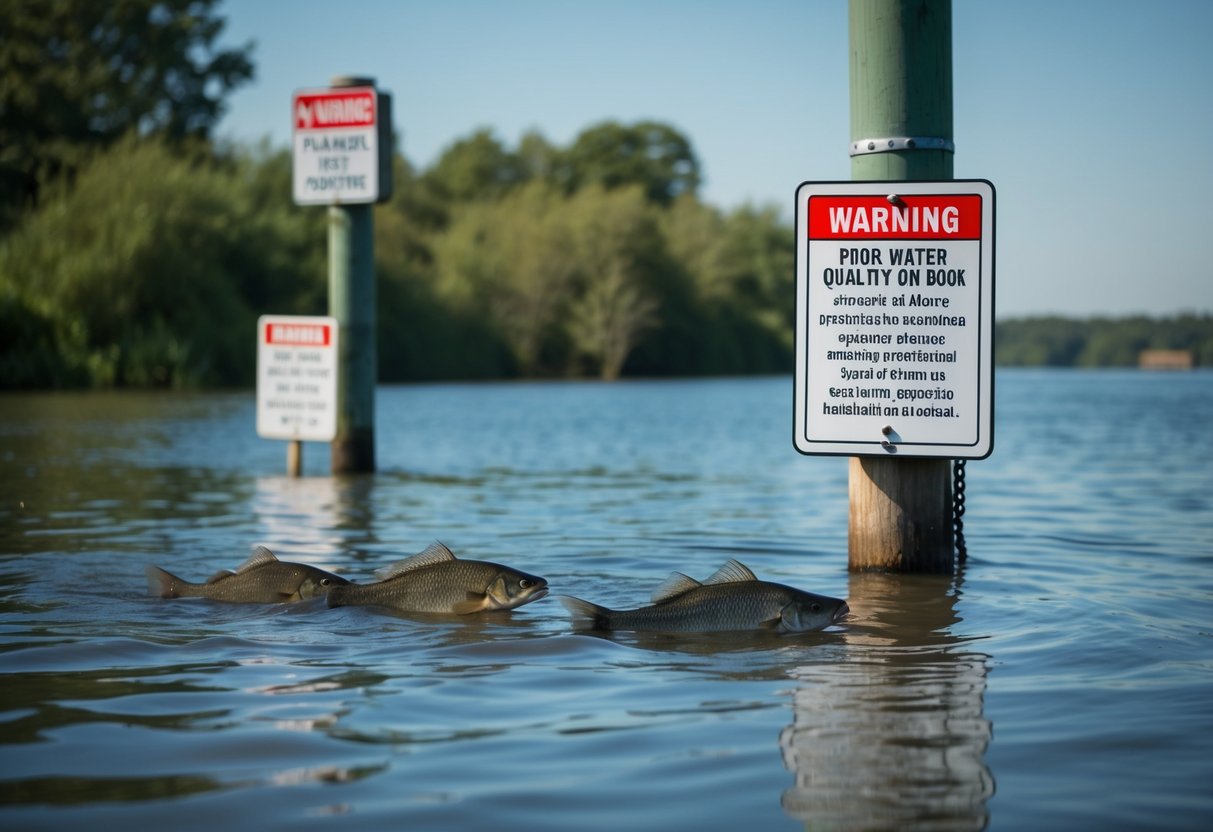
Clean water is crucial for health. Many organizations set rules to keep drinking water safe. These guidelines aim to protect people from waterborne diseases and contaminants.
WHO Guidelines for Drinking Water
The World Health Organization (WHO) creates global standards for safe drinking water. These guidelines cover a wide range of contaminants and their health effects. They set limits for chemicals, microbes, and other substances in water.
WHO updates its guidelines regularly based on new scientific evidence. The standards apply to both natural and treated water sources. They help countries develop their own regulations for water safety.
The guidelines also address water treatment methods. This includes disinfection and filtration techniques. WHO aims to ensure that water is safe to drink worldwide.
EPA Regulations for Water Safety
In the United States, the Environmental Protection Agency (EPA) sets and enforces drinking water standards. The EPA’s rules are legally binding for public water systems. They cover over 90 contaminants that may be found in drinking water.
Key EPA regulations include:
- Maximum Contaminant Levels (MCLs)
- Treatment techniques
- Testing and monitoring requirements
The EPA reviews and updates these standards periodically. They work with water utilities to ensure compliance. The agency also provides public information about local water quality.
International Standards
Many countries have their own water quality standards. These often build on WHO guidelines but may be stricter. The European Union, for example, has a Drinking Water Directive that all member states must follow.
Some key aspects of international standards include:
- Microbial safety limits
- Chemical contaminant thresholds
- Monitoring and reporting requirements
Countries may adjust standards based on local conditions. This can include natural water quality and available treatment technology. International cooperation helps improve global water safety standards.
Technologies for Water Treatment and Quality Assurance
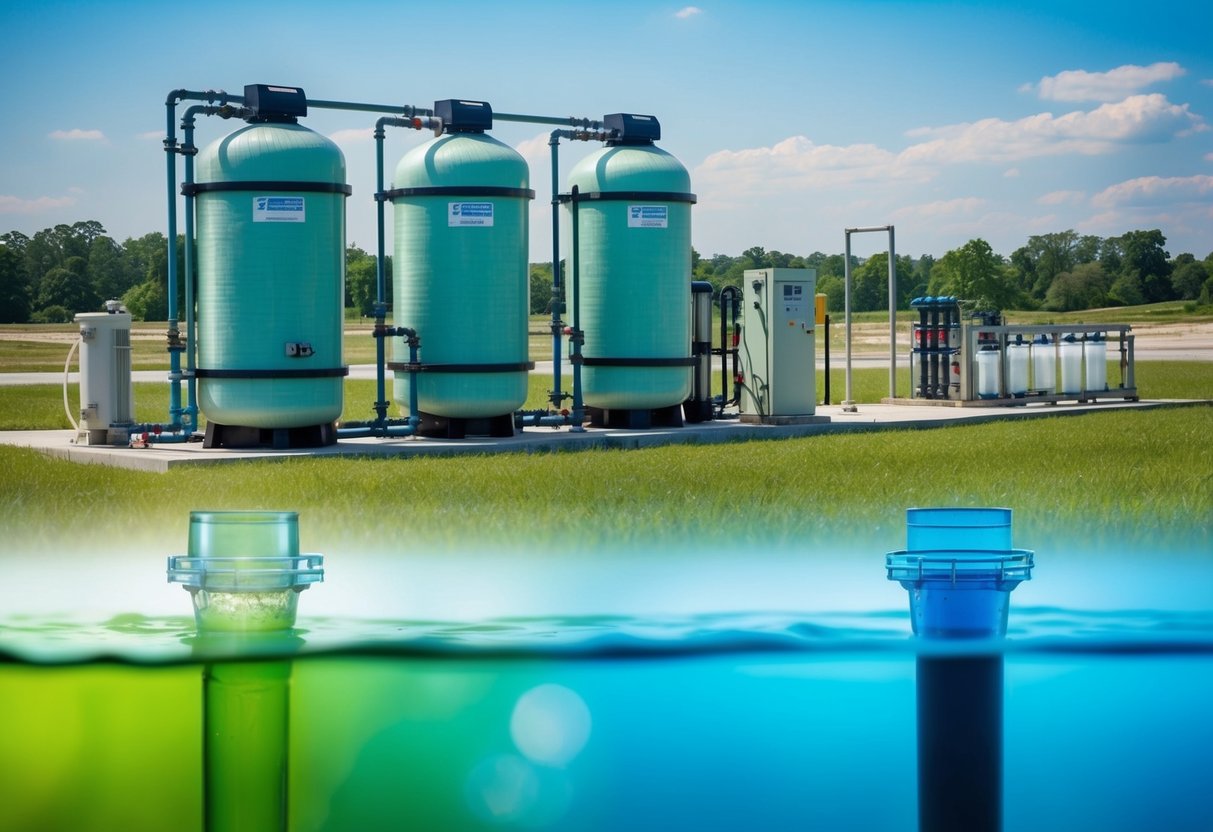
Water treatment technologies and quality assurance measures are crucial for providing safe drinking water. These methods remove contaminants and ensure water meets health standards.
Water Treatment Processes
Water treatment plants use several steps to clean water. The process often starts with screening to remove large objects.
Next is coagulation and flocculation. Chemicals are added to make small particles clump together.
Sedimentation follows, where the clumps sink to the bottom of tanks.
Filtration then removes smaller particles. Sand, gravel, or charcoal filters are common.
Disinfection is the final step. Chlorine or UV light kills harmful microorganisms.
Some plants use advanced methods like reverse osmosis or ion exchange for specific contaminants.
Water Safety Plans
Water Safety Plans (WSPs) are risk management tools. They help ensure safe drinking water from source to tap.
WSPs identify potential hazards in the water supply system. This includes risks at the source, during treatment, and in distribution.
They establish control measures to address these risks. Regular monitoring is a key part of WSPs.
WSPs also include procedures for responding to incidents. This helps maintain water quality even when problems occur.
Many countries now require WSPs for water utilities. They have proven effective in reducing waterborne diseases.
Emerging Technologies and Innovation
New technologies are improving water treatment. Nanotechnology is one promising area.
Nanofilters can remove very small contaminants. They are more effective than traditional filters.
Membrane bioreactors combine filtration with biological treatment. They are useful for wastewater treatment.
Smart sensors and AI are enhancing water quality monitoring. They can detect problems in real-time.
UV-LED systems are becoming more common for disinfection. They are energy-efficient and chemical-free.
Desalination technologies are advancing. They make seawater treatment more affordable.
These innovations are making water treatment more effective and sustainable.
Global Initiatives for Improved Water Quality
Clean water is vital for health. Many groups work to make water safer worldwide. Their efforts aim to reduce illness and improve lives.
Sustainable Development Goals
Clean water and sanitation is Goal 6 of the UN’s Sustainable Development Goals. This goal targets safe water for all by 2030. It pushes countries to improve water quality and cut pollution.
The goal also focuses on water management. This includes protecting water sources and ecosystems. Countries track their progress using set targets.
Many nations have made water quality a top priority. They’ve created new laws and invested in water treatment. These efforts help move toward the 2030 goal.
Programs in Developing Countries
Developing countries face big water quality challenges. Many global programs aim to help. These include building new water systems and fixing old ones.
Some programs teach people about clean water habits. Others give out water filters or purification tablets. These simple tools can make a big difference.
Water quality testing is also key. Programs help set up labs and train local staff. This lets communities check their water and take action if needed.
Partnerships and Funding
Water quality work needs money and teamwork. Many groups join forces to make a bigger impact. These include governments, charities, and businesses.
The World Bank funds many water projects. It gives loans to countries for new water plants and pipes. Other groups like UNICEF focus on schools and health centers.
Private companies also play a role. Some donate water filters or sponsor village wells. Others share their water treatment know-how.
These partnerships help spread costs and skills. This lets programs reach more people and last longer.
Strategies for Enhancing Water Safety
Improving water safety requires a multi-faceted approach. Key strategies focus on education, community action, and policy changes to protect public health.
Hygiene and Sanitation Education
Proper hygiene and sanitation are crucial for water safety. Schools and community centers can teach handwashing techniques and safe water handling. Posters and demonstrations help reinforce good habits.
Radio ads and social media campaigns spread awareness to wider audiences. These efforts explain how germs spread and why clean water matters.
Training local health workers boosts impact. They can share knowledge door-to-door and answer questions. Regular reminders keep safety tips fresh in people’s minds.
Community-Based Interventions
Local action is key for lasting change. Water committees can oversee local sources and infrastructure. They check for contamination and organize repairs.
Community-led projects often focus on:
- Building latrines
- Installing handwashing stations
- Protecting water sources
These efforts directly improve WASH conditions. They also build community pride and ownership.
Partnering with NGOs can provide resources and expertise. This support helps communities tackle bigger projects like water treatment systems.
Policy Recommendations
Strong policies set the foundation for safe water. Governments should create clear water quality standards. Regular testing and enforcement are vital.
Funding for infrastructure upgrades is crucial. This includes:
- Repairing old pipes
- Building new treatment plants
- Extending water networks to underserved areas
Water safety plans help manage risks from source to tap. These plans identify hazards and control measures. They guide ongoing improvements to water systems.
Policies should also support research into new detection and treatment methods. This helps water providers stay ahead of emerging threats.
Frequently Asked Questions
Poor water quality poses serious health risks. Contaminated water can cause immediate illness and long-term health problems. Children are especially vulnerable to waterborne diseases and pollutants.
What are the potential health risks associated with consuming contaminated water?
Drinking contaminated water can lead to gastrointestinal issues like diarrhea, vomiting, and stomach cramps. It may also cause hepatitis, cholera, and other severe illnesses.
Some contaminants can affect multiple body systems. For example, arsenic in water can damage the skin, lungs, and cardiovascular system.
How can poor water quality contribute to the spread of waterborne diseases?
Inadequate water treatment allows harmful microorganisms to thrive. These pathogens spread easily when people consume or come into contact with contaminated water.
Common waterborne diseases include giardiasis, cryptosporidiosis, and shigellosis. These illnesses can lead to dehydration and other complications, especially in young children and the elderly.
What long-term health effects can result from consistent exposure to polluted water?
Prolonged exposure to contaminated water can cause chronic health issues. These may include kidney and liver damage, reproductive problems, and neurological disorders.
Some pollutants, like lead, can accumulate in the body over time. This bioaccumulation increases the risk of serious health problems later in life.
In what ways does water pollution lead to adverse health outcomes in children?
Children are more susceptible to the effects of water pollution. Their developing bodies absorb contaminants more readily than adults.
Exposure to polluted water can impair children’s growth and development. It may also lead to learning disabilities and behavioral problems.
How does the presence of industrial pollutants in water sources affect public health?
Industrial pollutants in water can cause a wide range of health issues. These may include skin irritation, respiratory problems, and damage to the nervous system.
Some industrial chemicals are known to disrupt hormone function. This can lead to reproductive issues and developmental problems in children.
Can the chemical contamination of water sources have carcinogenic effects on individuals?
Yes, certain chemical contaminants in water can increase cancer risk. For example, arsenic and chromium are known carcinogens that can be found in polluted water sources.
Long-term exposure to these chemicals may lead to various types of cancer, including bladder, lung, and skin cancer. Regular water testing and treatment are crucial to minimize these risks.