Hard water is a common issue in many households. It contains high levels of minerals like calcium and magnesium. These minerals can affect our daily lives in various ways.
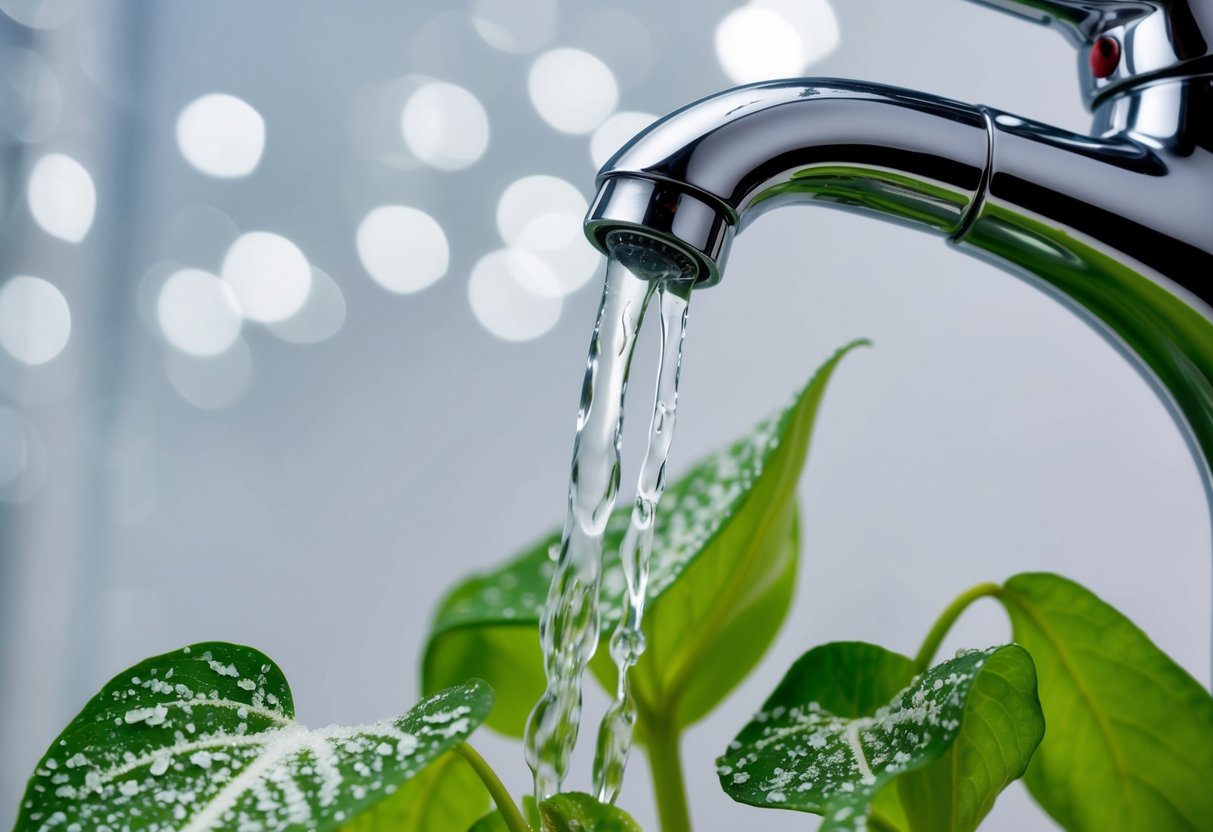
Many people wonder about the health effects of hard water. Research shows that drinking hard water does not generally cause harmful health effects. In fact, some studies suggest that the extra calcium and magnesium in hard water might have some health benefits.
While hard water is safe to drink, it can cause other problems. It may leave spots on dishes and make soap less effective. Hard water can also build up in pipes and appliances, potentially causing damage over time.
Key Takeaways
- Hard water is generally safe for drinking and may provide some mineral benefits
- Water hardness can affect household tasks and appliance efficiency
- Treatment options exist to reduce water hardness and its effects
Understanding Hard Water
Hard water contains high levels of dissolved minerals. It forms when water moves through deposits of limestone, chalk, or gypsum. The main minerals in hard water are calcium and magnesium.
Definition and Characteristics
Hard water is water with high mineral content. It contains dissolved calcium and magnesium ions. These minerals give hard water its unique properties.
Hard water doesn’t lather well with soap. It can leave a scaly buildup on fixtures and appliances. This buildup is called limescale.
The hardness of water is measured in grains per gallon (gpg) or parts per million (ppm). Water with more than 7 gpg or 120 ppm is considered hard.
Hard water tastes different from soft water. Many people describe it as having a mineral or chalky taste.
Sources and Geography
Hard water occurs naturally in many areas. It’s common in regions with limestone, chalk, or gypsum deposits.
Hard water is found in many parts of the world. In the United States, the Midwest and Southwest have the hardest water.
Groundwater is often harder than surface water. As it moves through rock and soil, it picks up minerals.
Lakes, streams, and rivers can also be sources of hard water. The hardness depends on the geology of the area.
Some cities treat their water to reduce hardness. But many homes, especially those with well water, have hard water.
Chemistry of Hard Water
The chemistry of hard water involves dissolved mineral ions. Calcium (Ca2+) and magnesium (Mg2+) are the main culprits.
These ions enter water as it passes through certain types of rock:
- Limestone (calcium carbonate)
- Gypsum (calcium sulfate)
- Dolomite (calcium magnesium carbonate)
The hardness of water is calculated by adding the concentrations of calcium and magnesium ions. Other ions like iron can contribute, but they’re usually present in smaller amounts.
Hard water can form scale when heated. This happens when calcium carbonate precipitates out of solution. The reaction looks like this:
Ca(HCO3)2 → CaCO3 + H2O + CO2
This scale can build up in pipes and appliances over time.
Health Effects of Hard Water
Hard water can affect human health in various ways. It may impact cardiovascular health, skin conditions, and other aspects of well-being. The effects can be both positive and negative, depending on the specific health condition and individual factors.
On Cardiovascular Health
Hard water consumption has been linked to potential cardiovascular benefits. Some studies suggest it may lower the risk of cardiovascular disease and mortality. The minerals in hard water, especially magnesium, could play a protective role.
The British Regional Heart Study found lower rates of cardiovascular deaths in areas with harder water. This effect might be due to increased magnesium intake from drinking water.
However, the evidence is not conclusive. More research is needed to fully understand the relationship between hard water and heart health.
On Dermatological Health
Hard water can have mixed effects on skin health. Some people may experience skin irritation or dryness when using hard water for bathing or washing.
The minerals in hard water can potentially worsen skin conditions like eczema or dermatitis. They may leave a residue on the skin that clogs pores or causes irritation.
On the other hand, some individuals report improvements in certain skin conditions when using hard water. The mineral content might have a soothing effect for some types of dermatitis.
Effect on Other Health Conditions
Hard water may influence various other health conditions. Some studies suggest a possible link between hard water consumption and a lower risk of osteoporosis. The calcium in hard water could contribute to bone health.
There’s limited evidence that hard water might affect digestive health. Some people report changes in bowel habits or constipation when switching between hard and soft water.
Research has also explored potential connections between hard water and conditions like diabetes or cancer. However, the findings are often inconclusive or contradictory.
The effects of hard water on health can vary widely between individuals. More research is needed to fully understand its impact on different health conditions.
Impact on Daily Living
Hard water affects many aspects of daily life. It can change how appliances work, make cleaning harder, and impact personal care routines.
Effect on Household Appliances
Hard water can reduce the lifespan of household appliances. Dishwashers and washing machines may not clean as well. Mineral buildup can clog pipes and reduce water pressure.
Water heaters often suffer from scale buildup. This makes them less efficient and can lead to higher energy bills. Kettles and coffee makers may also get mineral deposits inside.
Plumbing systems can face issues too. Pipes may narrow over time due to mineral buildup. This can lead to reduced water flow and potential blockages.
Influence on Cleaning and Sanitation
Hard water makes cleaning more challenging. Soap doesn’t lather well, so more is needed. This can leave a residue on dishes, clothes, and surfaces.
Laundry washed in hard water may look dingy. Clothes might feel stiff or scratchy. White fabrics can turn gray over time.
Soap scum is a common problem in hard water areas. It can build up on sinks, tubs, and shower walls. This makes bathrooms harder to keep clean.
Cleaning products may not work as well in hard water. More detergent is often needed, which can be costly.
Personal Care and Wellness
Hard water can affect hair and skin. Hair may become dry, dull, or brittle when washed in hard water. It can be harder to rinse out shampoo completely.
Skin might feel dry or itchy after bathing in hard water. Some people find that hard water makes skin conditions worse.
Soap doesn’t lather well in hard water. This can make it feel like soap isn’t washing off properly. Some people use more soap to compensate, which can dry out skin.
Hard water may leave a film on skin and hair. This can make them feel less clean, even right after washing.
Water Hardness and Plumbing Systems
Hard water can have significant effects on plumbing systems. It leads to scale buildup, causes corrosion, and requires specific maintenance strategies to prevent damage.
Scale Formation and Damage
Hard water contains high levels of minerals like calcium and magnesium. As water flows through pipes and appliances, these minerals can deposit and form scale. Scale buildup narrows pipe openings, reducing water flow. It also decreases the efficiency of water heaters and boilers.
In extreme cases, scale can completely block pipes. This leads to costly repairs and replacements. Scale also makes surfaces rough, which can trap bacteria and affect water quality.
Heating systems are particularly vulnerable to scale damage. The heat causes minerals to precipitate faster, forming thick layers in boilers and water heaters.
Corrosion and Metal Leaching
Hard water can cause corrosion in plumbing systems. This is especially true when combined with low pH levels. Corrosion can lead to leaks and pipe failures.
Different metals react differently to hard water. Copper pipes may develop pinhole leaks. Iron pipes can rust, giving water a reddish tint. Lead pipes are particularly dangerous, as corrosion can cause lead to leach into drinking water.
Galvanic corrosion occurs when two different metals in the plumbing system interact. This accelerates the corrosion process, causing faster deterioration of pipes and fixtures.
Maintenance and Prevention Strategies
Regular maintenance is crucial to prevent hard water damage. Water softeners can reduce mineral content, preventing scale formation. These devices use ion exchange to remove calcium and magnesium.
Descaling treatments can remove existing scale buildup. Chemical descalers or mechanical cleaning methods may be used, depending on the severity.
For new construction, using PVC or polyethylene pipes can prevent many hard water issues. These materials resist both scale formation and corrosion.
Regular inspections can catch problems early. Look for signs of leaks, reduced water flow, or discolored water. Promptly addressing these issues can prevent more serious damage.
Water Softening and Treatment Options
Hard water can be improved through softening methods. These techniques remove minerals and offer benefits, but also have some drawbacks. Choosing the right system depends on individual needs and preferences.
Methods of Water Softening
Ion exchange is a common water softening method. It uses resin beads to swap calcium and magnesium ions for sodium or potassium. This process effectively reduces water hardness.
Lime treatment is another option for large-scale softening. It involves adding lime to precipitate out hardness minerals. This method is often used in municipal water treatment plants.
Reverse osmosis filters water through a membrane, removing most minerals. It produces very soft water but can be slower and wastes some water during the process.
Magnetic and electronic descalers are alternative technologies. They claim to alter mineral structures to prevent scaling, but their effectiveness is debated among experts.
Benefits and Side Effects
Soft water reduces soap scum and scale buildup in pipes and appliances. This can extend the life of plumbing and improve efficiency of water heaters.
Softened water requires less soap for cleaning, potentially saving money on detergents. It also helps prevent dry skin and hair that some experience with hard water.
On the downside, softened water may not taste as good to some people. The added sodium can be a concern for those on low-sodium diets.
There’s ongoing debate about potential health impacts. Some studies suggest hard water might have some health benefits, while very soft water could potentially increase corrosion in pipes.
Selecting a Water Softening System
Choose a system based on your water hardness level and daily water usage. Consider the initial cost, ongoing maintenance, and operating expenses.
Salt-based ion exchange systems are effective but require regular salt additions. Salt-free systems avoid this but may be less efficient at softening.
Look for systems certified by reputable organizations. These ensure the system meets quality and performance standards.
Consider the impact on water pressure. Some systems can reduce flow rates, especially in homes with low water pressure.
For those concerned about sodium, potassium-based softeners or reverse osmosis systems might be better options. Always consult with a water treatment professional for personalized advice.
Factors Influencing Water Hardness and Quality
Water hardness varies based on local geology and human activities. These factors affect the types and amounts of minerals present in water sources.
Regional Variations and Soil Composition
Rock and soil types strongly impact water hardness. Areas with limestone or chalk have harder water due to high calcium levels. Granite regions often have softer water.
Groundwater typically contains more dissolved minerals than surface water. As water moves through rock and soil, it picks up minerals. This process increases hardness.
Wells in hard water areas may produce water with very high mineral content. This can lead to scale buildup in pipes and appliances.
Some regions are known for their mineral-rich waters. These “mineral waters” often come from natural springs in areas with specific geological features.
Industrial and Agricultural Impacts
Human activities can change water hardness levels. Farming practices may increase calcium and magnesium in water sources. Fertilizers and soil treatments can leach into groundwater.
Industrial processes sometimes release minerals into water bodies. This can raise hardness levels in nearby water sources.
Some lakes become eutrophic due to excess nutrients. This process can indirectly affect water hardness by changing the lake’s chemical makeup.
Water treatment plants may adjust hardness levels. They might soften very hard water or add minerals to very soft water.
Climate change can impact water hardness. Droughts may concentrate minerals in water bodies. Heavy rains can dilute mineral content.
Guidelines for Consumption and Use
Hard water contains minerals that can affect health and daily life. Knowing proper usage helps make informed choices about drinking and using hard water.
Dietary Considerations
Hard water can be a source of dietary calcium and magnesium. These minerals are important for bone health and other bodily functions. People on low-sodium diets may benefit from hard water’s mineral content.
Magnesium intake from hard water can help meet daily needs. The body absorbs magnesium from water more easily than from food. This can be helpful for those with low magnesium levels.
Hard water’s mineral content varies by location. It’s best to test local water to know exact levels. A balanced diet is still needed to get all required nutrients.
Drinking Water Standards
Water hardness is not a health concern in most cases. The World Health Organization does not set a specific limit for hardness in drinking water quality guidelines.
Many countries have their own standards for water hardness. These often focus on taste and household use rather than health effects. In the U.S., the Environmental Protection Agency suggests a limit of 500 mg/L for total dissolved solids.
Very hard water can cause scale buildup in pipes and appliances. This may lead to increased soap and detergent use. Some people prefer the taste of softer water.
Water softeners can reduce hardness but may increase sodium content. This is a concern for those on low-sodium diets. Regular testing and maintenance of water systems helps ensure safe drinking water.
Environmental Considerations
Hard water affects more than just our homes and health. It plays a big role in nature and how we manage our water resources. Let’s look at two key areas.
Aquatic Ecosystems and Hard Water
Hard water shapes the life in lakes, streams, and rivers. It comes from minerals in rocks and soil. These minerals add calcium and magnesium to the water.
Some animals and plants thrive in hard water. Snails and clams need calcium to build their shells. Algae grow better in hard water too. This can be good or bad for fish.
Hard water can help buffer against acid rain. It keeps the pH stable. This protects fish and other water life.
But very hard water can cause problems. It might make it hard for fish to absorb oxygen. It can also leave mineral deposits in fish gills.
Sustainability of Water Treatment
Treating hard water uses energy and chemicals. This has an environmental cost. Water softeners often use salt. The salty waste can harm plants and animals.
Some areas are looking for better ways to deal with hard water. They want to cut down on salt use. New tech like template-assisted crystallization is promising.
Hard water can also damage pipes and appliances. This leads to more waste and the need to replace things sooner. It’s a hidden environmental cost.
Balancing the need for soft water with environmental care is tricky. It’s an ongoing challenge for water managers and homeowners alike.
Frequently Asked Questions
Hard water contains high levels of minerals like calcium and magnesium. These minerals can affect the human body in various ways. Some people worry about potential health impacts from drinking or using hard water.
Is drinking hard water bad for your kidneys?
Drinking hard water is not inherently bad for your kidneys. The effects of hard water consumption on kidney function have been studied using mathematical models. These models suggest that hard water does not directly harm kidney function in most people.
However, those with existing kidney problems may need to be cautious. High mineral content could potentially increase the risk of kidney stones in susceptible individuals.
What are the potential health effects of hard water on the human body?
Hard water can have both positive and negative effects on health. The minerals in hard water may provide small amounts of calcium and magnesium to the diet.
Some studies have found correlations between water hardness and cardiovascular risk factors. However, more research is needed to fully understand these relationships.
Can hard water contribute to any skin conditions?
Hard water can sometimes contribute to skin dryness or irritation. The minerals may leave a residue on the skin after washing or bathing.
This residue can potentially clog pores or exacerbate existing skin conditions like eczema. People with sensitive skin may notice more effects from using hard water.
Does hard water intake affect gut health?
There is limited research on how hard water directly affects gut health. The minerals in hard water are generally considered safe for consumption.
Some people report digestive discomfort when drinking hard water, but this is not well-studied. The mineral content could potentially influence the gut microbiome, but more research is needed.
What does hard water do to your organs?
Hard water does not typically cause direct harm to internal organs. The body can process and eliminate excess minerals from hard water through normal functions.
Long-term consumption of very hard water may lead to mineral buildup in some organs. However, this is rare and usually only a concern for those with pre-existing health conditions.
Are there any cardiovascular risks associated with consuming hard water?
Studies have examined potential links between water hardness and cardiovascular health. Some research suggests hard water may have a protective effect against cardiovascular disease.
However, the evidence is not conclusive. More studies are needed to fully understand the relationship between hard water consumption and heart health.