Glyphosate, a common weed killer, has sparked concerns about its presence in drinking water. This chemical is widely used in agriculture and landscaping, but its potential effects on human health have raised questions.
Studies have found that glyphosate can be detected in drinking water sources, though typically at low levels.
Water treatment facilities face challenges in removing glyphosate from drinking water. Traditional methods may not always be effective, leading researchers to explore new techniques for glyphosate removal.
These efforts aim to ensure that water supplies meet safety standards and protect public health.
The debate around glyphosate in drinking water continues as scientists investigate its long-term impacts. While some argue that current levels pose little risk, others push for stricter regulations.
As research progresses, it’s crucial to stay informed about this topic and its potential implications for water quality and human health.
Key Takeaways
- Glyphosate can be found in drinking water, but usually at low concentrations.
- Water treatment facilities are working on improved methods to remove glyphosate.
- Ongoing research seeks to clarify the long-term health effects of glyphosate exposure.
Glyphosate Overview
Glyphosate is a widely used herbicide with important applications in agriculture and forestry. It has unique chemical properties and a complex history tied to Monsanto.
Chemical Properties and Uses
Glyphosate is a broad-spectrum herbicide that kills weeds by blocking an enzyme plants need to grow. It’s the active ingredient in Roundup and many other weed killers.
Key facts about glyphosate:
- Chemical formula: C3H8NO5P
- White, odorless crystalline solid
- Highly soluble in water
- Low toxicity to animals
Glyphosate is used to control weeds in:
- Crops like corn, soybeans, and cotton
- Orchards and vineyards
- Lawns and gardens
- Forestry
It’s popular because it’s effective on many types of weeds and breaks down in soil.
Historical Context and Monsanto’s Role
Monsanto developed and patented glyphosate as an herbicide in the 1970s. The company introduced Roundup in 1974 as a weed control product for farmers and gardeners.
Glyphosate use grew rapidly in the 1990s when Monsanto created “Roundup Ready” crops. These genetically modified plants can survive glyphosate treatment, allowing farmers to spray entire fields.
By the 2000s, glyphosate became the most widely used herbicide in agriculture. Its patent expired in 2000, leading other companies to make generic versions.
Concerns about glyphosate’s health and environmental impacts have grown in recent years. Some countries have restricted or banned its use.
Health and Environmental Impact
Glyphosate in drinking water raises concerns about its effects on human health and ecosystems. Research has linked it to various health issues and environmental impacts.
Toxicity and Contamination Concerns
Glyphosate and its breakdown product AMPA can contaminate groundwater sources. This happens through runoff from agricultural areas where glyphosate-based herbicides are used. The chemical can persist in water and soil for extended periods.
Studies suggest glyphosate may be linked to kidney problems and hormone-dependent cancers. The International Agency for Research on Cancer has classified glyphosate as a probable carcinogen.
Glyphosate’s impact extends beyond human health. It has been associated with bee mortality and other ecological effects on non-target species.
Regulatory Perspectives and Standards
Different countries have set varying limits for glyphosate in drinking water. In Europe, the maximum allowed concentration is 0.1 μg/L.
The U.S. Environmental Protection Agency has set a higher limit of 700 μg/L. This difference highlights the ongoing debate about safe exposure levels.
Regulatory bodies continue to review glyphosate’s status as new research emerges. Some countries have banned or restricted its use due to health and environmental concerns.
Studies on Human and Ecological Effects
Research on glyphosate’s long-term effects is ongoing. Some studies suggest links to various health issues, while others find no significant risks at current exposure levels.
Ecological studies have shown impacts on soil microorganisms and aquatic ecosystems. Glyphosate can alter nutrient cycling and affect biodiversity in exposed areas.
Human exposure occurs mainly through food and water contamination. Occupational exposure in agriculture presents higher risks.
More research is needed to fully understand the long-term consequences of chronic low-level exposure through drinking water.
Glyphosate in Water Supplies
Glyphosate, a widely used herbicide, can enter water supplies through various means. Its presence in drinking water has raised concerns about potential health impacts.
Detection Methods in Drinking Water
Scientists use several methods to find glyphosate in water. High-performance liquid chromatography (HPLC) is a common technique. It separates glyphosate from other substances in water samples.
Mass spectrometry is often paired with HPLC. This combo allows for very precise measurements. It can detect even tiny amounts of glyphosate.
Electrochemical sensing is a newer method. It’s faster and can be used in the field. This makes it useful for quick tests of water supplies.
These methods help track glyphosate levels in tap water, streams, and rivers. They’re key to making sure drinking water is safe.
Prevalence of Glyphosate in Water Sources
Glyphosate can be found in many water sources. It gets there through surface runoff from farms and gardens. Rain washes it into streams and rivers.
In the United States, studies have found glyphosate in public water supplies. The levels are usually low. But they can vary depending on nearby land use.
Private wells may also contain glyphosate. This is more likely in farming areas. Well owners should test their water regularly.
The amount of glyphosate in water changes with seasons. It’s often higher after rainy periods. This is when more runoff occurs.
Mitigation and Filtration Techniques
Removing glyphosate from drinking water requires specific treatment methods. Some are used by water treatment plants, while others can be applied at home. Let’s explore the most effective approaches.
Treatment Processes for Glyphosate Removal
Water treatment facilities use several methods to remove glyphosate. Oxidation techniques are common, using chemicals like chlorine or ozone. These break down glyphosate into harmless compounds.
Membrane filtration is another effective method. Nanofiltration uses a semi-permeable membrane to separate glyphosate from water. This process can remove up to 98% of glyphosate.
Activated carbon filters also work well. They trap glyphosate molecules as water passes through. This method is used in both large-scale and home treatment systems.
The Environmental Protection Agency sets a maximum contaminant level goal for glyphosate. Water treatment plants aim to meet or exceed this standard.
At-home Water Treatment Solutions
Homeowners can take steps to remove glyphosate, especially if they use private wells. Reverse osmosis systems are highly effective. They force water through a semi-permeable membrane, leaving glyphosate behind.
Activated carbon filters are also popular for home use. They come in various forms, including pitcher filters and under-sink systems. These filters can significantly reduce glyphosate levels.
For those on well water, regular testing is crucial. This helps identify any glyphosate contamination. If levels are high, professional treatment may be needed.
It’s important to note that boiling water does not remove glyphosate. In fact, it can concentrate the chemical as water evaporates.
Regulatory Limits and Public Policy
Governments worldwide set limits on glyphosate in drinking water to protect public health. These regulations vary between countries and regions, with different approaches to testing and enforcement.
Maximum Contaminant Levels and Guidelines
The EPA sets a maximum contaminant level (MCL) for glyphosate in U.S. drinking water at 700 parts per billion (ppb). This limit aims to prevent potential health risks from long-term exposure.
The limit of detection for glyphosate in water varies depending on the testing method used. More sensitive methods can detect levels as low as 0.1 ppb.
Some countries have stricter limits. The European Union, for example, caps glyphosate in drinking water at 0.1 ppb.
EPA and Worldwide Regulations
The U.S. EPA regularly reviews its glyphosate regulations based on new scientific data. They consider factors like toxicity studies and environmental impacts when setting limits.
Many countries lack specific regulations for glyphosate in drinking water. In these cases, general pesticide limits may apply.
The National Pesticide Information Center provides resources on glyphosate regulations and safety guidelines for the public and professionals.
Monitoring and enforcement of these limits can be challenging, especially in areas with limited resources for water quality testing.
Advancements in Detection Technology
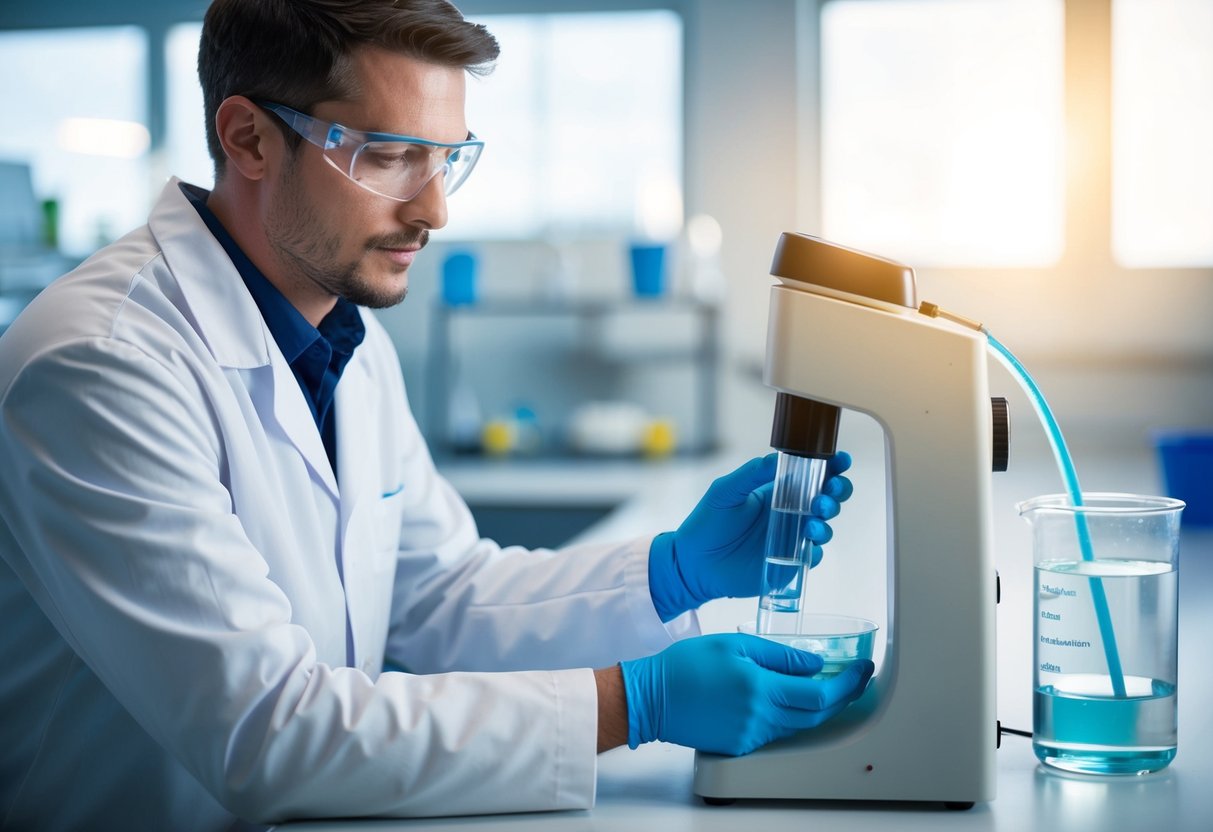
New methods to find glyphosate in drinking water have improved in recent years. These changes make testing faster, more accurate, and easier to do outside of labs.
Electrochemical and Chromatographic Techniques
Electrochemical sensing offers quick ways to detect glyphosate. This method uses electrical signals to spot the chemical. Scientists use tools like screen-printed electrodes and gold electrode surfaces.
Amperometric measurements track tiny changes in electric current. This helps find even small amounts of glyphosate. Labs often use a device called a potentiostat for these tests.
Other methods include:
- Cyclic voltammetry
- Square wave voltammetry
- LC-MS/MS (a very precise lab test)
These tools can find glyphosate at very low levels in water samples.
Innovations in Sensor Technology
New sensors make testing easier outside of labs. Some can test water right at the source. This is helpful for checking rivers or taps quickly.
Surface enhanced Raman spectroscopy (SERS) is a promising method. It uses light to spot glyphosate molecules. When paired with tiny fluid channels, it can test water samples fast.
Researchers are also working on:
- Better ELISA tests (a common lab method)
- Sensors that work with smartphones
- Automated systems for continuous monitoring
These new tools aim to make glyphosate testing more widespread and user-friendly.
Impact on Agriculture and Food Safety
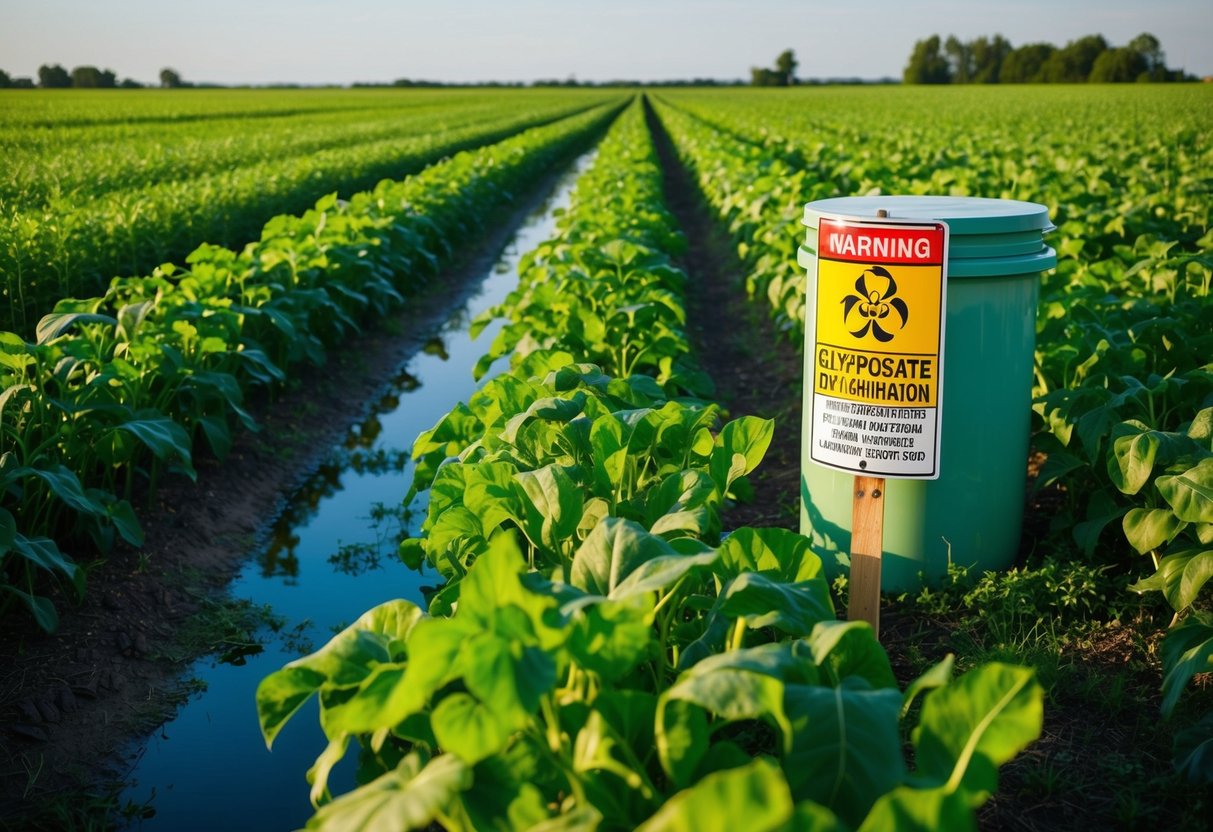
Glyphosate use affects crop production and raises concerns about food safety. Its widespread application leaves residues in agricultural products and influences the development of genetically modified crops.
Glyphosate Residues in Agricultural Products
Glyphosate residues are found in various crops and foods. Common crops affected include maize, beans, and soybeans.
Testing shows residue levels vary depending on farming practices and environmental conditions. Some countries set maximum residue limits to protect consumers.
Food processing can reduce glyphosate levels in final products. However, traces may still remain in processed foods like cereals and snacks.
Organic farming prohibits glyphosate use. This results in lower or no detectable residues in organic produce compared to conventional crops.
Implications for Genetically Modified Crops
Genetically modified (GM) crops designed to be glyphosate-resistant are widely grown. These allow farmers to use the herbicide without damaging their crops.
GM crops like “Roundup Ready” soybeans and corn dominate in some regions. This has led to increased glyphosate use in agriculture.
Concerns exist about glyphosate accumulation in GM crops. Some studies suggest higher residue levels compared to non-GM varieties.
The long-term impacts of glyphosate-resistant crops on biodiversity and soil health are still being studied. Researchers are examining potential effects on beneficial insects and soil microorganisms.
Frequently Asked Questions
Glyphosate in drinking water raises important concerns about safety, testing, health effects, and removal methods.
Is glyphosate in drinking water considered safe for consumption?
The EPA sets a maximum contaminant level goal of 0.7 mg/L for glyphosate in drinking water. At or below this level, it’s deemed safe for consumption. Regular testing helps ensure water stays within these limits.
What methods are available for testing glyphosate levels in well water?
Labs use liquid chromatography or gas chromatography to test for glyphosate. Home test kits are also available. These kits use immunoassay technology to detect glyphosate presence above certain thresholds.
What are the potential health effects of glyphosate on humans?
Studies link glyphosate exposure to increased cancer risk, particularly non-Hodgkin lymphoma. Other potential effects include kidney and liver damage, reproductive issues, and disruption of gut bacteria.
Can glyphosate use lead to poisoning, and what are its symptoms?
Acute glyphosate poisoning can occur from high-level exposure. Symptoms may include nausea, vomiting, diarrhea, and abdominal pain. Severe cases might cause breathing difficulties, seizures, or loss of consciousness.
Are there any effective water filtration systems that specifically remove glyphosate from tap water?
Activated carbon filters can remove glyphosate from water. Reverse osmosis systems are also effective. Some specialized filters are designed to target glyphosate and other herbicides.
Have any countries or regions banned the use of glyphosate, and if so, why?
Several countries have banned or restricted glyphosate use. Austria banned it in 2019 due to health concerns. Germany plans to phase it out by 2023. Some cities and regions in the U.S. have local bans in place.