Fungi can be found in various water sources, including drinking water systems. These microorganisms pose potential health risks, especially for certain groups of people.
Occurrence and Types of Fungi
Many types of fungi have been found in drinking water. Common species include Aspergillus and Penicillium. Yeasts are also present in some water supplies.
Fungi can enter water systems through different ways:
- Contamination of water sources
- Biofilm formation in pipes
- Improper treatment processes
The number of fungi in water can vary. Some studies have found hundreds of fungal colonies per liter.
Factors affecting fungal growth in water:
- Temperature
- pH levels
- Nutrient availability
- Disinfection methods
Pathogenic Fungi and Human Health
Some fungi in drinking water can cause health problems. Pathogenic fungi are especially dangerous for people with weak immune systems.
Health risks of fungi in water:
- Allergic reactions
- Respiratory issues
- Skin infections
Aspergillus species are of particular concern. They can cause serious lung infections in some people.
Not all fungi in water are harmful. But their presence can indicate poor water quality. This may point to other contamination issues.
Waterborne Diseases and Fungal Infections
Fungi in drinking water can lead to various health issues. While rare, fungal infections from water do occur.
Common waterborne fungal diseases:
- Swimmer’s ear
- Skin rashes
- Thrush
Fungal spores in water can also cause problems when inhaled. This is a risk during showering or using humidifiers.
People at higher risk for fungal infections from water:
- Infants and elderly
- Cancer patients
- Organ transplant recipients
- HIV/AIDS patients
Impact on Drinking Water Quality
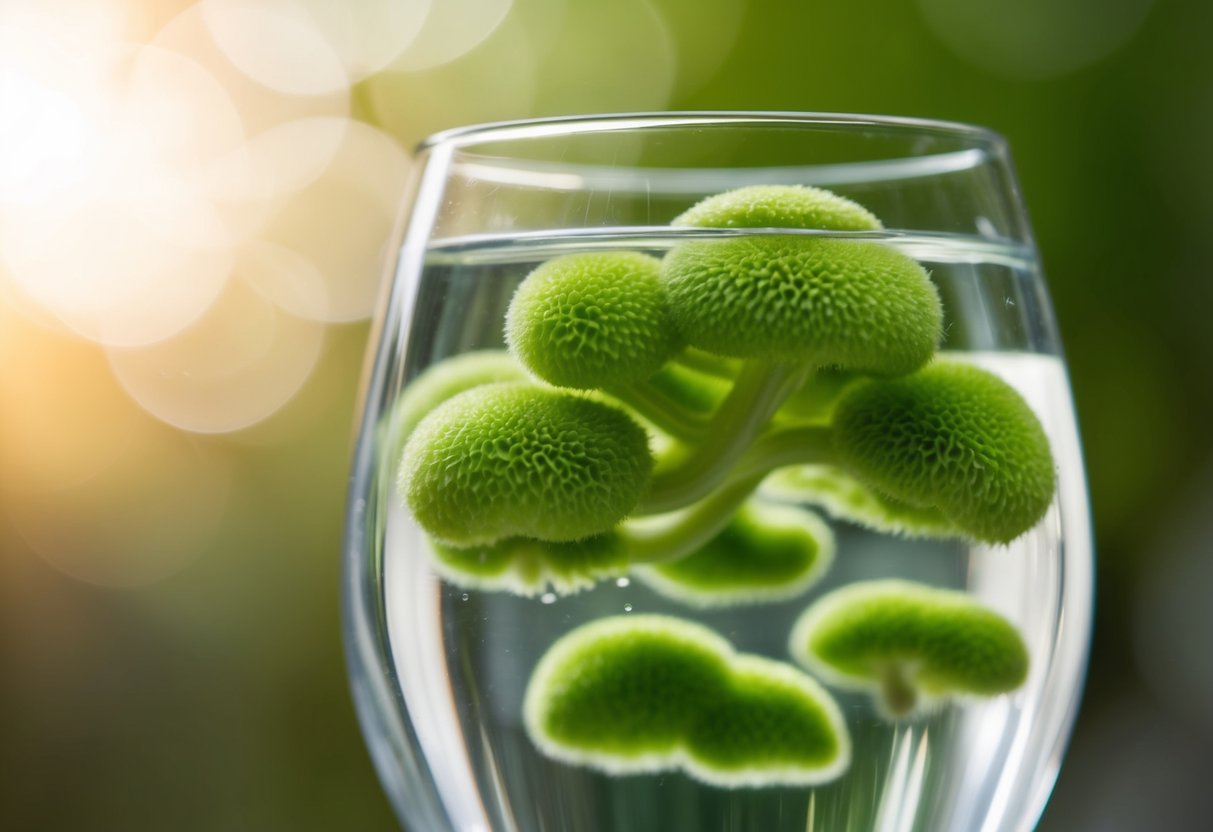
Fungi in drinking water can affect water quality in several ways. They can change how water tastes and smells. Some fungi also make toxins that may pose health risks.
Taste and Odor Issues
Fungi growing in water systems can cause unpleasant tastes and smells. Fungi in biofilms inside pipes and taps often lead to these problems. They can make water taste musty or earthy.
Some fungi produce chemicals that cause bad odors even in small amounts. These smells may be described as:
- Moldy
- Fishy
- Rotten eggs
Water utilities test for taste and odor issues. But fungi are not always part of routine checks. This can make it hard to find the source of taste and smell problems.
Health Risks of Mycotoxins in Water
Some fungi make harmful substances called mycotoxins. These toxins can get into drinking water. Mycotoxins in treated water may pose health risks.
Mycotoxins can cause different health issues:
- Liver damage
- Kidney problems
- Immune system effects
Some mycotoxins may even be cancer-causing. But more research is needed on the effects of low levels in drinking water.
It’s hard to test for all possible fungal toxins in water. New methods are being developed to find and measure mycotoxins. This will help assess the real risks to public health.
Contamination and Disinfection
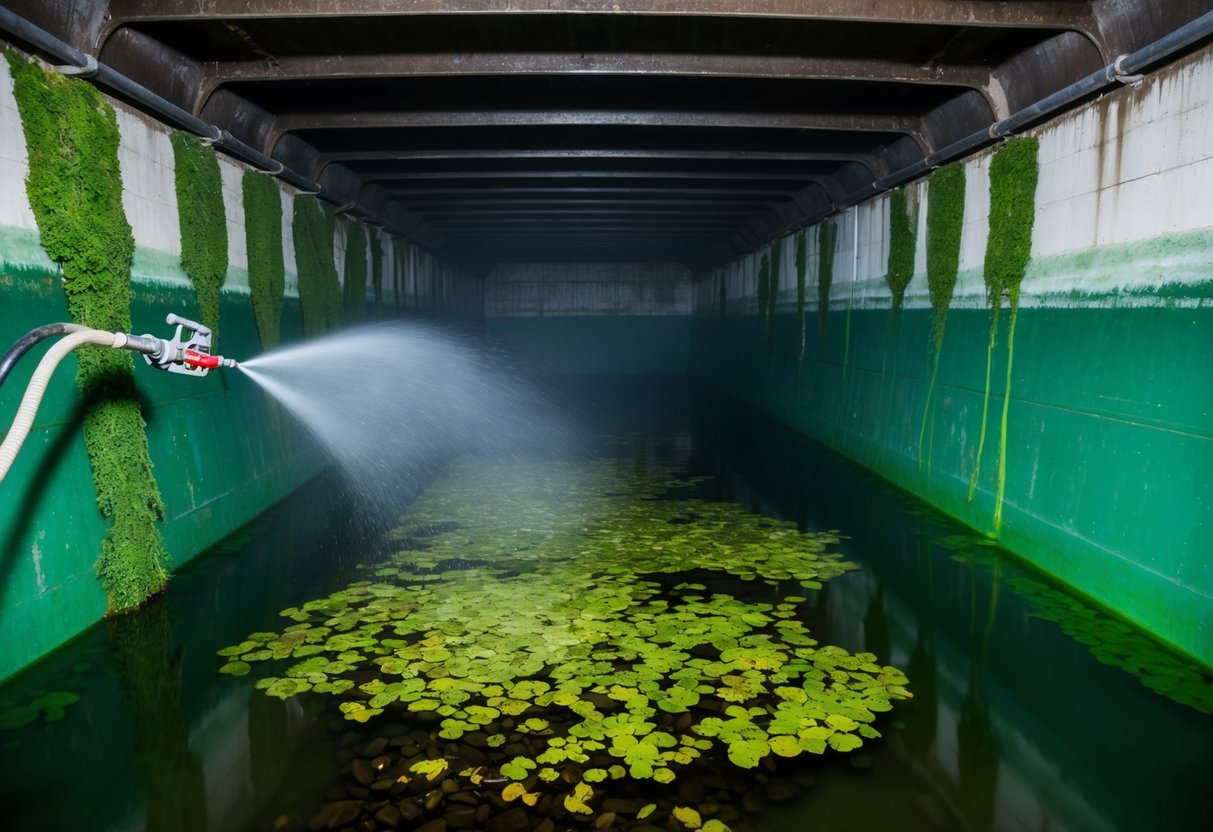
Fungi can enter drinking water through various sources and survive treatment processes. Effective disinfection methods are crucial to ensure safe, clean water for consumption.
Sources of Fungal Contamination
Fungi can contaminate drinking water in multiple ways. Surface water sources like rivers and lakes often contain fungi from soil and vegetation. Rainwater can wash fungal spores into these water bodies.
Water distribution systems are another entry point. Cracks in pipes or tanks allow fungi to enter. Old or poorly maintained infrastructure is especially vulnerable.
Biofilms in pipes and storage tanks harbor fungi. These slimy layers protect microorganisms from disinfectants. Fungal-bacterial biofilms are particularly resistant to treatment.
Some fungi survive conventional water treatment. They may pass through filters or resist initial disinfection. This allows them to reach taps and potentially cause issues.
Disinfection and Removal Techniques
Water treatment plants use several methods to combat fungal contamination. Chlorination is a common and effective technique. It kills many types of fungi and prevents regrowth.
UV irradiation is another powerful tool. It damages fungal DNA, stopping reproduction. This method is especially useful for chlorine-resistant species.
Filtration helps remove fungal particles from water. Advanced filters can catch even tiny spores. Regular cleaning and replacement of filters is essential.
Ozonation is highly effective against fungi. It oxidizes cell membranes, killing the organisms. However, it’s more expensive than other methods.
Maintaining proper disinfectant levels throughout the distribution system is crucial. This prevents fungal regrowth in pipes and storage tanks. Regular testing and monitoring help ensure water safety.
Distribution System and Biofilm Formation
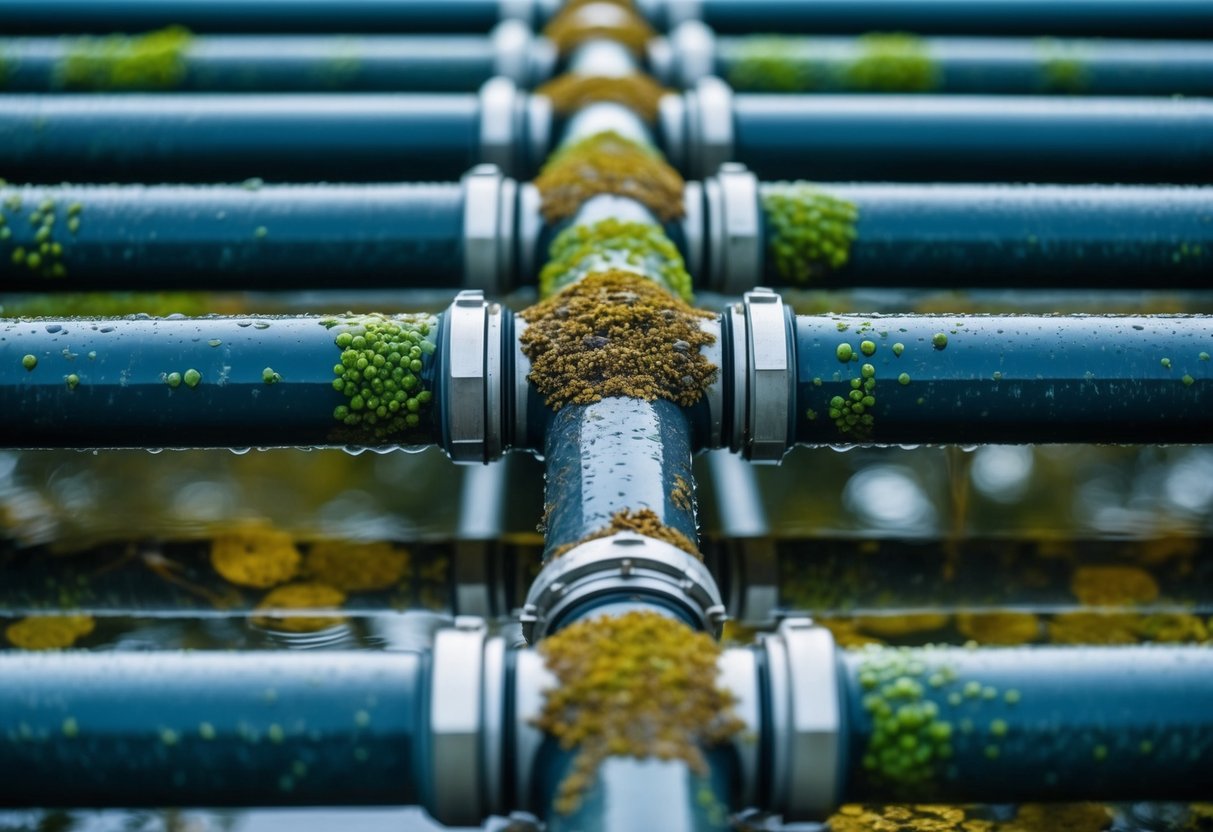
Fungal growth in water distribution systems often leads to biofilm formation. These biofilms can impact water quality and system performance in several ways.
Biofilm Development in Water Systems
Biofilms form when microorganisms attach to surfaces in water pipes and equipment. Fungi play a key role in this process. Species like Aspergillus fumigatus can colonize pipe walls and other surfaces.
The biofilm starts as a thin layer of microbes. Over time, it grows thicker as more organisms join. Fungi help create the sticky matrix that holds the biofilm together.
Nutrients in the water feed biofilm growth. Organic matter provides food for fungi and bacteria. As the biofilm matures, different microbial communities develop.
Fungal and bacterial interactions in biofilms are complex. Some species compete while others work together. This affects how the biofilm spreads through the system.
Impact on Water Distribution Systems
Biofilms in drinking water systems can cause several problems. They may release harmful microbes into the water supply. This includes opportunistic pathogens that can make people sick.
Biofilms also affect water taste and odor. Fungi produce compounds that give water an earthy or musty flavor. This leads to customer complaints about water quality.
Thick biofilms can restrict water flow in pipes. This reduces system efficiency and increases energy costs for pumping. Biofilms may also speed up pipe corrosion.
Controlling biofilms is crucial for safe drinking water. Water treatment plants use disinfectants to limit growth. Regular cleaning and maintenance of pipes and equipment is also important.
Monitoring and Regulations
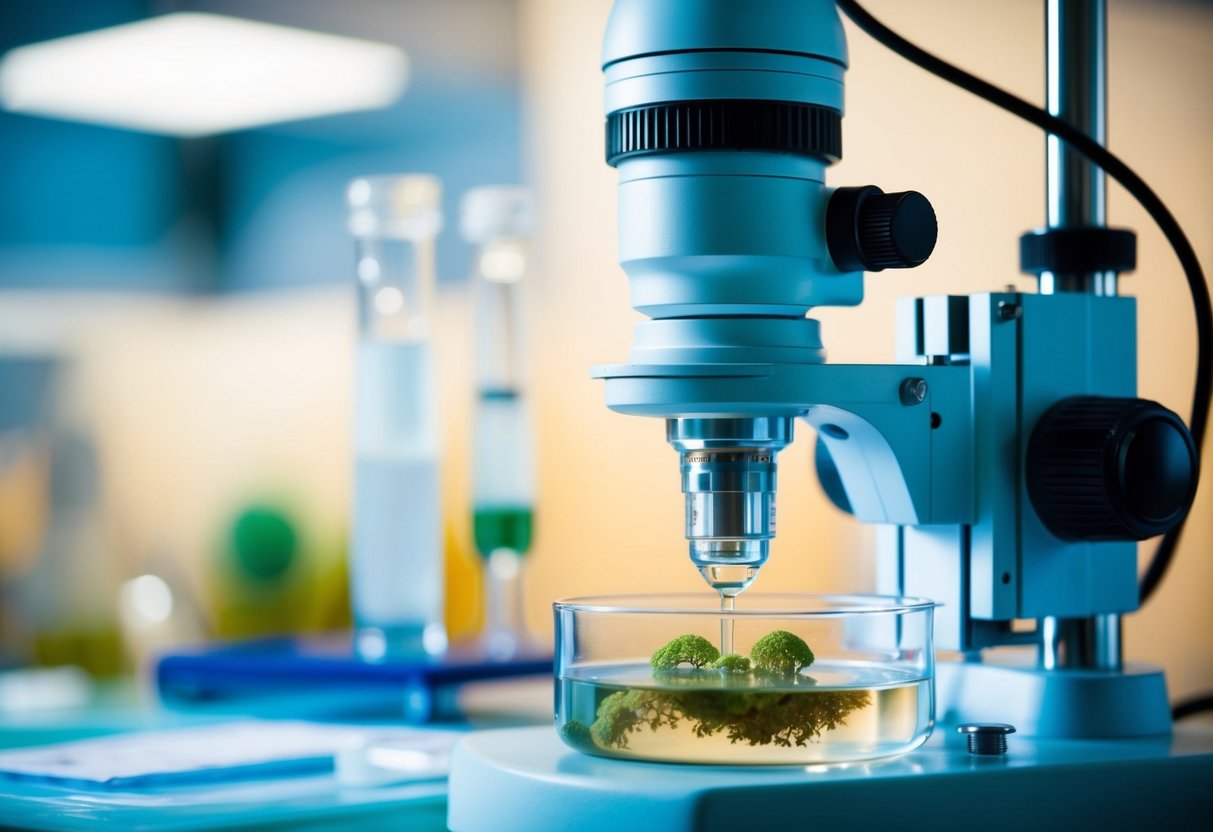
Tracking fungi in drinking water involves specific testing methods and regulatory standards. These help ensure water safety and public health.
Drinking Water Standards
Microbiological drinking water safety typically focuses on bacterial indicators of contamination. However, fungi are not yet widely included in regulations. Sweden is one of the few countries with guidelines for fungi in drinking water.
The United States Environmental Protection Agency (USEPA) has considered adding microsporidia to drinking water regulations. This shows growing awareness of fungal risks.
Most countries lack specific standards for fungi or mycotoxins in drinking water. This gap in regulations may leave water systems vulnerable to fungal contamination.
Mycological Examination Methods
Cultural and molecular methods are used to detect fungi in water.
Cultural methods involve growing fungi on special media. This helps identify species present.
Molecular techniques like DNA analysis can detect fungi more quickly. These methods are becoming more common in water testing.
Regular monitoring of water systems for fungi is important. It helps track changes in fungal populations over time.
Testing for mycotoxins, toxic compounds produced by some fungi, is also crucial. This helps assess potential health risks from fungal contamination.
Preventive Strategies and Recommendations
Keeping drinking water free of fungal contamination requires actions at treatment plants and in homes.
These steps help ensure safe, clean water for everyone.
Treatment Plant Operations
Water treatment plants play a key role in removing fungi from drinking water supplies.
Filtration is a crucial step. Sand filters can trap fungal spores and cells. Activated carbon filters also help remove fungi.
Disinfection is another important process. Chlorine and other chemicals kill many fungal species. UV light treatment is effective against some fungi too.
Regular testing of water quality is essential. This allows quick detection of any fungal issues. Treatment plants should check both raw and treated water samples.
Maintaining clean equipment prevents fungal growth.
Tanks, pipes, and other surfaces need regular cleaning and inspection. This stops biofilms from forming, which fungi can grow in.
Household and Community Practices
At home, people can take steps to reduce fungal risks in their drinking water.
Using water filters on taps or pitchers helps remove fungi that may have entered the system.
Regularly cleaning and replacing these filters is important. Dirty filters can actually increase fungal growth.
Boiling water for at least one minute kills most fungi. This is a good practice when water quality is uncertain.
Storing water properly also matters. Use clean containers and keep them covered. Don’t store water for too long, as this can allow fungi to grow.
Community water systems need proper maintenance.
Regular flushing of water mains helps remove buildup that fungi could grow in. Fixing leaks quickly stops fungi from entering through damaged pipes.
Frequently Asked Questions
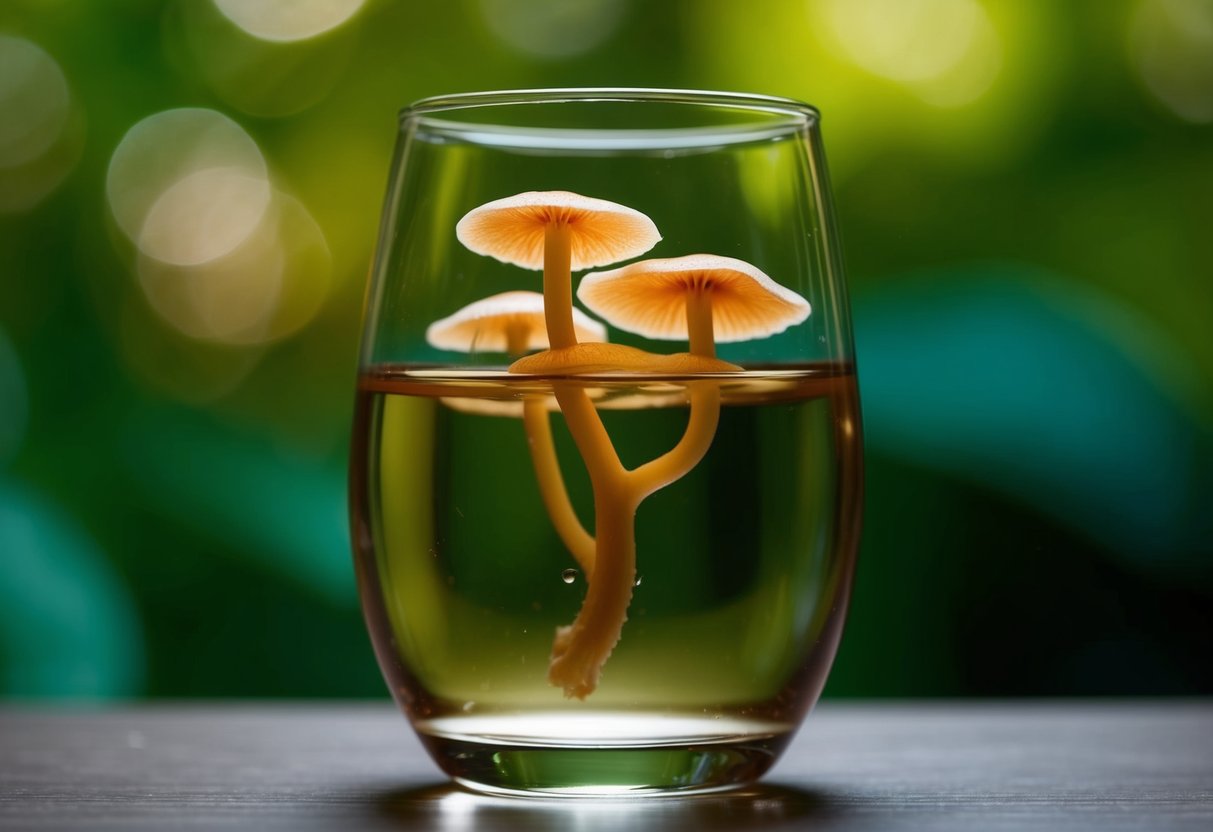
Fungal contamination in drinking water can pose various challenges. Understanding effective treatments, health risks, common fungi types, and prevention methods is crucial for maintaining safe water supplies.
What are the effective methods for treating fungal contamination in drinking water?
Common methods include chlorination and UV disinfection. These techniques can kill fungi in water distribution systems.
Filtration using activated carbon or reverse osmosis can also remove fungal particles from water.
Can drinking water with fungal presence lead to health issues?
Yes, fungal growth in water can cause health problems.
Some fungi produce toxins that may be harmful if ingested. People with weakened immune systems are at higher risk of fungal infections from contaminated water.
Which types of fungi are commonly identified in drinking water systems?
Aspergillus, Penicillium, and Fusarium are often found in water systems. These fungi can form biofilms in pipes and taps. Other common types include Cladosporium and Alternaria.
What are the best practices for preventing fungal growth in water storage tanks?
Regular cleaning and maintenance of tanks is essential.
Ensuring proper sealing to prevent external contamination is important. Maintaining appropriate chlorine levels in stored water can inhibit fungal growth.
Is boiling water an effective way to eliminate fungi from drinking water?
Boiling water can kill most fungi and their spores. It’s a reliable method for small-scale treatment. Boiling for at least one minute is typically sufficient to eliminate fungal contaminants.
What are the signs of fungal contamination in household water supplies?
Visible mold growth around taps or pipes is a clear sign. Musty odors or unusual tastes in water can indicate fungal presence. Discolored water or floating particles may also suggest contamination.