Estrogen in drinking water is a topic that has raised concerns among scientists and the public. This hormone, crucial for human health, can enter our water supply through various means.
Some worry about its potential effects on people and wildlife.
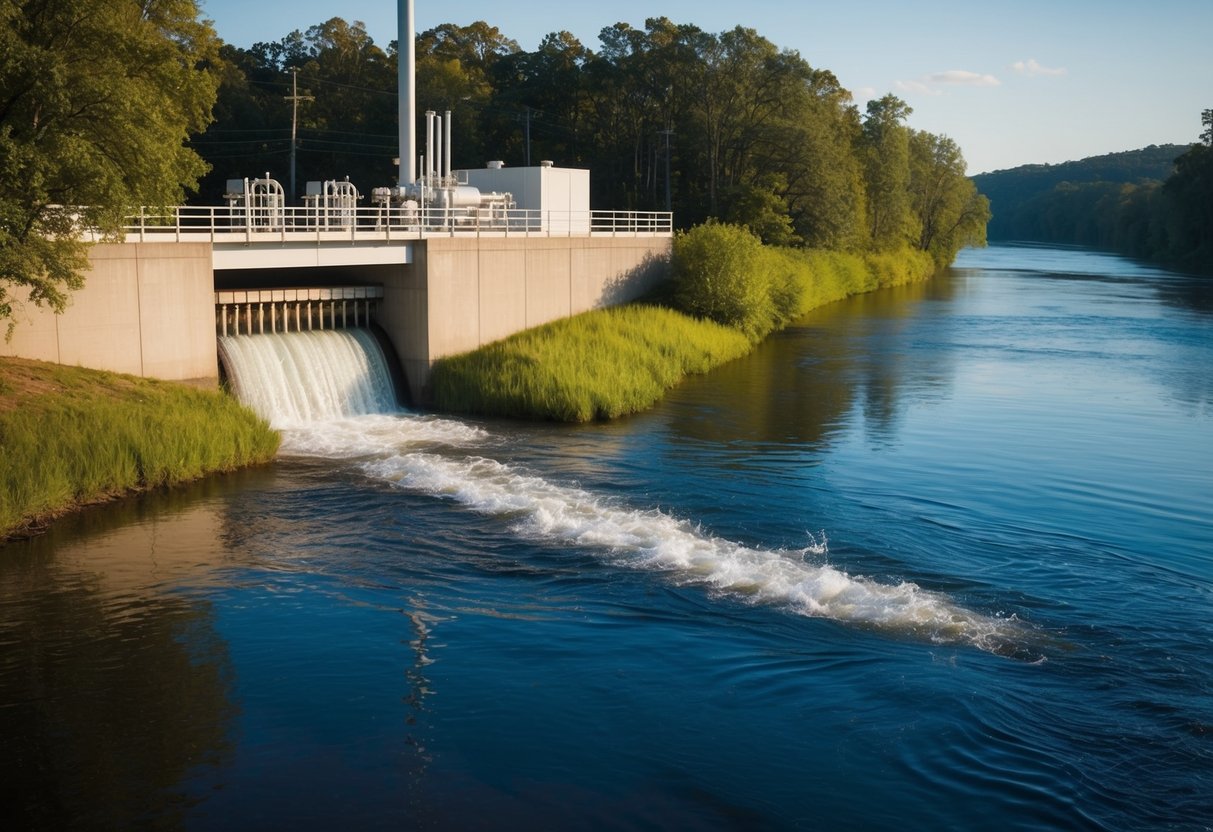
Studies have found very low levels of estrogen in drinking water, generally not enough to pose health risks for humans. Still, researchers continue to monitor the situation closely.
They want to understand if long-term exposure to even tiny amounts could have any impact.
Water treatment plants work hard to remove contaminants, including hormones like estrogen. They use different methods to clean our water and make it safe to drink.
As science advances, these techniques keep improving to address new challenges.
Key Takeaways
- Estrogen levels in drinking water are typically very low
- Water treatment plants use methods to remove hormones and other contaminants
- Ongoing research monitors potential long-term effects of estrogen in water
Estrogen: Hormone Overview
Estrogen is a crucial hormone in the human body. It belongs to a group of steroid hormones that play key roles in reproductive health and development.
There are three main types of natural estrogens:
• 17β-estradiol (E2)
• Estrone (E1)
• Estriol (E3)
17β-estradiol is the most potent and common form in humans. It’s important for female reproductive development and function.
Estrogens have several important functions:
- Regulating the menstrual cycle
- Supporting bone health
- Maintaining cardiovascular health
- Influencing mood and cognitive function
Synthetic estrogens also exist. These are man-made compounds that mimic natural estrogen’s effects. A common example is ethinylestradiol, used in birth control pills.
Estrogen levels naturally fluctuate throughout a person’s life. They’re highest during reproductive years and decrease after menopause.
Too much or too little estrogen can cause health issues. Excess estrogen may increase cancer risk, while low levels can lead to bone loss and other problems.
Estrogens can enter the environment through various routes. This includes human and animal waste, as well as pharmaceutical products.
Their presence in water sources has raised concerns about potential health impacts.
Sources of Estrogen in Drinking Water
Estrogens can enter drinking water from various sources. These include medications, agricultural activities, and industrial processes. Each source contributes differently to estrogen levels in water supplies.
Pharmaceutical Origins
Oral contraceptives and prescribed estrogens are major pharmaceutical sources of estrogen in drinking water. When people take these medications, their bodies excrete some of the hormones.
These end up in sewage systems.
Wastewater treatment plants can’t remove all estrogens. As a result, some pass through into surface waters. These waters often become drinking water sources.
Many common medications contain estrogens or similar compounds. Birth control pills are a prime example. Hormone replacement therapies also contribute.
Agricultural Contributors
Farms add significant amounts of estrogen to water supplies. Livestock waste and animal manure are major sources.
Cattle, pigs, and chickens naturally produce estrogens. Their waste contains these hormones. When it rains, the hormones can wash into streams and rivers.
Some farmers use animal manure as fertilizer. This spreads estrogens over large areas of land. They can then seep into groundwater or run off into surface waters.
Dairy farms are another key source. Cows produce estrogen, especially when pregnant. This hormone ends up in their milk and urine.
Industrial Discharges
Industries release chemicals that act like estrogen into water systems. These are called endocrine disruptors.
Bisphenol A (BPA) is a common industrial chemical. It’s used in plastics and resins. BPA can leach into water from plastic pipes or containers.
Nonylphenol is another industrial estrogen mimic. It’s used in detergents and pesticides. When these products break down, they release nonylphenol into water.
Many industries use coolants and lubricants that contain estrogen-like compounds. These can enter water supplies through spills or improper disposal.
Impacts on Water Supply and Ecology
Estrogen in drinking water can have far-reaching effects on both human health and the environment. These impacts stem from long-term exposure to low levels of hormones and other endocrine disrupting compounds.
Human Health Considerations
Endocrine disrupting compounds (EDCs) in drinking water pose potential risks to human health. Chronic exposure to these micropollutants may interfere with hormone systems.
Some studies link EDCs to increased cancer rates, especially hormone-sensitive cancers. Reproductive issues are another concern, as these compounds can affect fertility and fetal development.
Sensitive groups like pregnant women, children, and the elderly may face higher risks. The full health impacts of long-term, low-dose exposure are still being studied.
Current drinking water treatment methods don’t fully remove all EDCs. This leaves trace amounts in tap water that people consume daily.
Environmental Consequences
Estrogenic compounds in water bodies can disrupt aquatic ecosystems. Fish and amphibians are especially vulnerable to these effects.
Male fish living in contaminated waters may develop female characteristics. This “feminization” can reduce reproduction rates in fish populations.
Synthetic estrogens from birth control pills add to the problem. These potent hormones persist in the environment even at very low concentrations.
Algae and plant life can also be affected by changes in hormone levels in water. This may alter the balance of aquatic food chains.
Monitoring programs track EDC levels in surface waters. However, removing these compounds from the environment remains challenging.
Assessment and Regulatory Insights
Studying estrogen in drinking water requires careful analysis and oversight. Experts use specific methods to gauge risks and set safety rules.
Risk Assessment Methodologies
Scientists measure total estrogenic activity in water samples. This shows the combined effect of all estrogen-like compounds. They also check for individual estrogens.
Risk assessment includes looking at exposure and health impacts. Experts calculate acceptable daily intakes (ADIs) for estrogens. They compare these to estimated water intake rates.
Margins of exposure (MOEs) help judge safety. Higher MOEs mean lower risk. For estrogens in water, scientists aim for large margins.
Background levels matter too. Natural estrogen amounts in food and the body affect how we judge water risks.
Standards and Guidelines
Many places lack clear rules for estrogens in drinking water. Some areas have started to set limits.
The World Health Organization gives guidance on safe levels. But not all countries follow these exactly.
Testing methods vary. This makes it hard to compare results across regions.
Some places focus on specific estrogens. Others look at total estrogenic effects.
Regulatory challenges include dealing with very low concentrations. Lab tests must be very sensitive.
Experts debate how strict limits should be. They weigh health risks against testing costs.
Water Treatment Technologies and Strategies
Drinking water treatment plants use various methods to remove estrogens and other contaminants. Advanced processes can further reduce estrogenic activity in water supplies. Different approaches target specific types of pollutants to ensure clean, safe drinking water.
Drinking Water Treatment
Conventional drinking water treatment includes several steps to remove contaminants. Coagulation and filtration help remove particles from surface water and groundwater. Chlorine disinfection kills harmful microorganisms.
These basic processes can reduce some estrogens, but are not fully effective. Natural estrogens like estradiol may be partially removed. Synthetic estrogens like 17α-ethinylestradiol (EE2) are more resistant to treatment.
Many drinking water plants now use more advanced techniques. Activated carbon filtration can adsorb organic compounds including some pharmaceuticals. Membrane filtration with nanofiltration or reverse osmosis provides an additional barrier.
Removal of Estrogenic Activity
Estrogenic activity in water comes from natural and synthetic estrogens. It also stems from other endocrine disrupting compounds (EDCs). Removing this activity is key for safe drinking water.
Ozonation is effective at breaking down many estrogens and EDCs. It creates highly reactive oxygen species that oxidize contaminants. Ozone can reduce estrogenic activity by over 80% in some cases.
UV light combined with hydrogen peroxide is another strong oxidation method. It generates hydroxyl radicals that destroy estrogens and other organic pollutants. This process works well for treating both surface water and groundwater.
Advanced Treatment Processes
New technologies offer promise for even better removal of estrogens and EDCs. Membrane bioreactors combine biological treatment with membrane filtration. They can achieve over 90% removal of some estrogens.
Enzymatic treatment uses specific enzymes to break down estrogens. This targeted approach is highly effective but still experimental. Advanced oxidation with ferrate is another emerging option. Ferrate acts as both an oxidant and coagulant.
These methods often work best in combination. A multi-barrier approach using several technologies provides the most thorough treatment. Ongoing research aims to optimize these processes for widespread use in drinking water plants.
Frequently Asked Questions
Estrogen in drinking water raises important concerns about health impacts and environmental effects.
Scientists are studying how it affects humans, wildlife, and ecosystems.
What are the effects of estrogen in drinking water on human health?
Estrogen in drinking water may disrupt hormone systems. This could potentially affect reproductive health and development.
More research is needed to fully understand the long-term effects on humans.
How does estrogen in the water supply affect the development of amphibians such as frogs?
Estrogenic compounds in water can interfere with frog development. They may cause abnormal sex organ growth or feminization of male frogs.
This disrupts amphibian populations and breeding patterns.
What are the consequences of pharmaceuticals like birth control pills contributing to estrogen levels in water sources?
Birth control pills and other medications add synthetic estrogens to wastewater. These can persist through water treatment.
The compounds may then affect aquatic life and potentially enter drinking water supplies.
Why are scientists raising alarms over the levels of estrogen in water bodies?
Scientists worry about rising estrogen levels in water. This can harm fish and wildlife populations.
There are also concerns about potential human health effects from long-term low-level exposure.
Can the presence of estrogen in water sources impact male health and fertility?
Some studies suggest estrogen in water may affect male fertility. It could potentially lower sperm counts or alter reproductive organ development.
More research is needed to confirm these effects in humans.
What methods are effective in removing estrogen from drinking water?
Advanced water treatment methods can remove estrogens. These include activated carbon filtration and reverse osmosis.
Some water utilities are exploring new technologies to target these compounds.