Clean water is vital for our health and well-being. Drinking water treatment processes play a key role in making sure the water from our taps is safe to drink. These processes take raw water from rivers, lakes, and wells and turn it into clean, drinkable water.
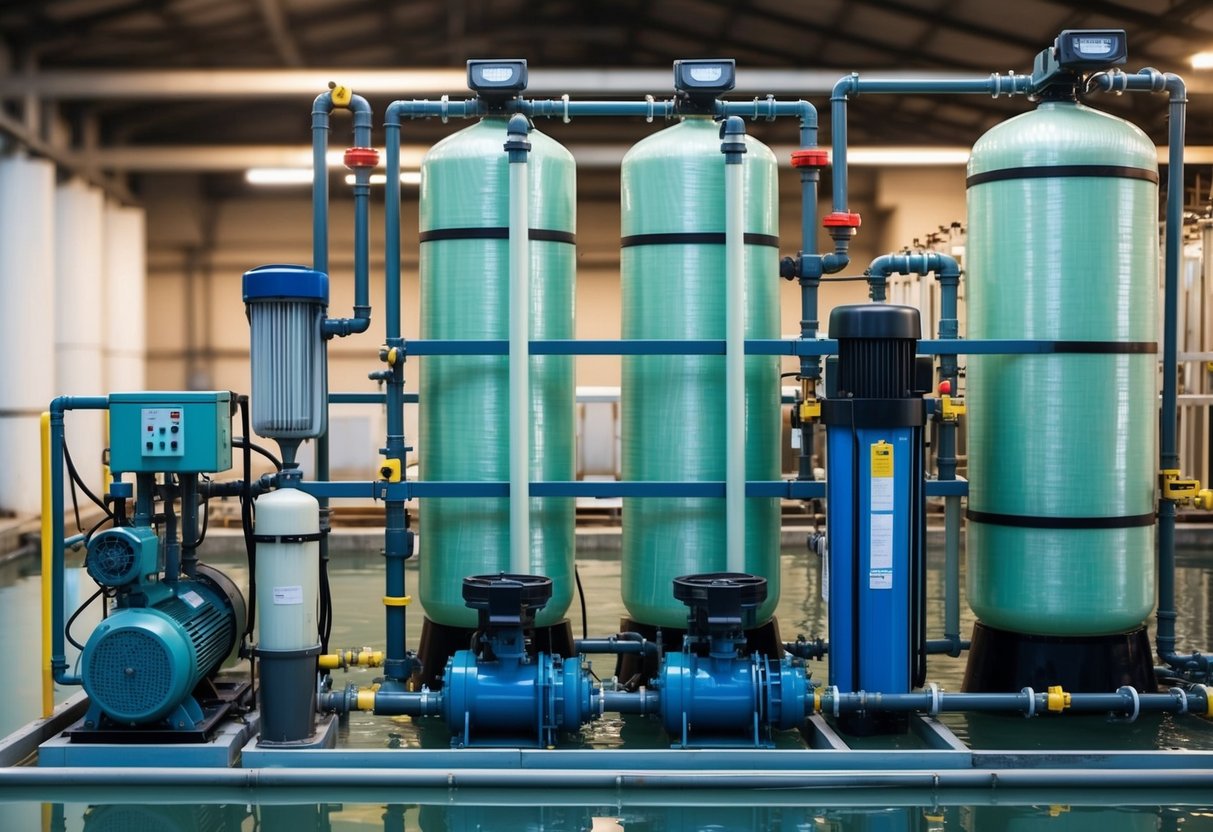
Drinking water treatment uses a mix of physical, chemical, and biological methods to remove dirt, germs, and other harmful things from water. The main steps often include screening out large objects, adding chemicals to clump small particles together, filtering the water, and killing any remaining germs. Some plants also use more advanced techniques to deal with specific pollutants.
Water treatment plants work hard to meet strict rules about water quality. They test the water often to make sure it’s safe. As new pollutants show up, scientists and engineers keep working on better ways to clean our drinking water.
Key Takeaways
- Drinking water treatment removes harmful substances from raw water sources
- Treatment plants use a series of steps to clean and disinfect water
- Regular testing ensures treated water meets safety standards
Overview of Water Treatment
Clean drinking water is essential for public health. Water treatment removes harmful substances and makes water safe to consume. It involves several steps to purify water from various sources.
Significance of Drinking Water Treatment
Water treatment protects people from waterborne diseases. It removes bacteria, viruses, and parasites that can make people sick. Treated water also tastes better and is more appealing to drink.
Treatment plants work 24/7 to provide safe water to homes and businesses. They use different processes to clean water from rivers, lakes, and underground sources.
Clean water is vital for cooking, cleaning, and personal hygiene. It supports healthy communities and prevents the spread of illness.
Common Contaminants in Water
Untreated water can contain many harmful substances. These include:
- Microorganisms (bacteria, viruses, parasites)
- Chemicals (pesticides, heavy metals)
- Sediment and dirt particles
- Organic matter
Some contaminants occur naturally, while others come from human activities. Industrial waste and agricultural runoff can pollute water sources.
Certain contaminants can cause serious health issues. Lead, for example, can harm brain development in children. Nitrates from fertilizers can be dangerous for infants.
Basic Principles of Water Treatment Processes
Water treatment uses physical, chemical, and biological methods. The main steps are:
- Coagulation and flocculation
- Sedimentation
- Filtration
- Disinfection
Coagulation adds chemicals to make small particles clump together. These larger clumps are easier to remove.
Sedimentation allows heavy particles to settle at the bottom of tanks. Filtration then removes smaller particles using sand or other materials.
Disinfection kills remaining germs. Common methods include chlorine, UV light, and ozone. This final step ensures water is safe to drink.
Advanced treatments can remove specific contaminants. These might include activated carbon or membrane filtration.
Pre-Treatment Processes
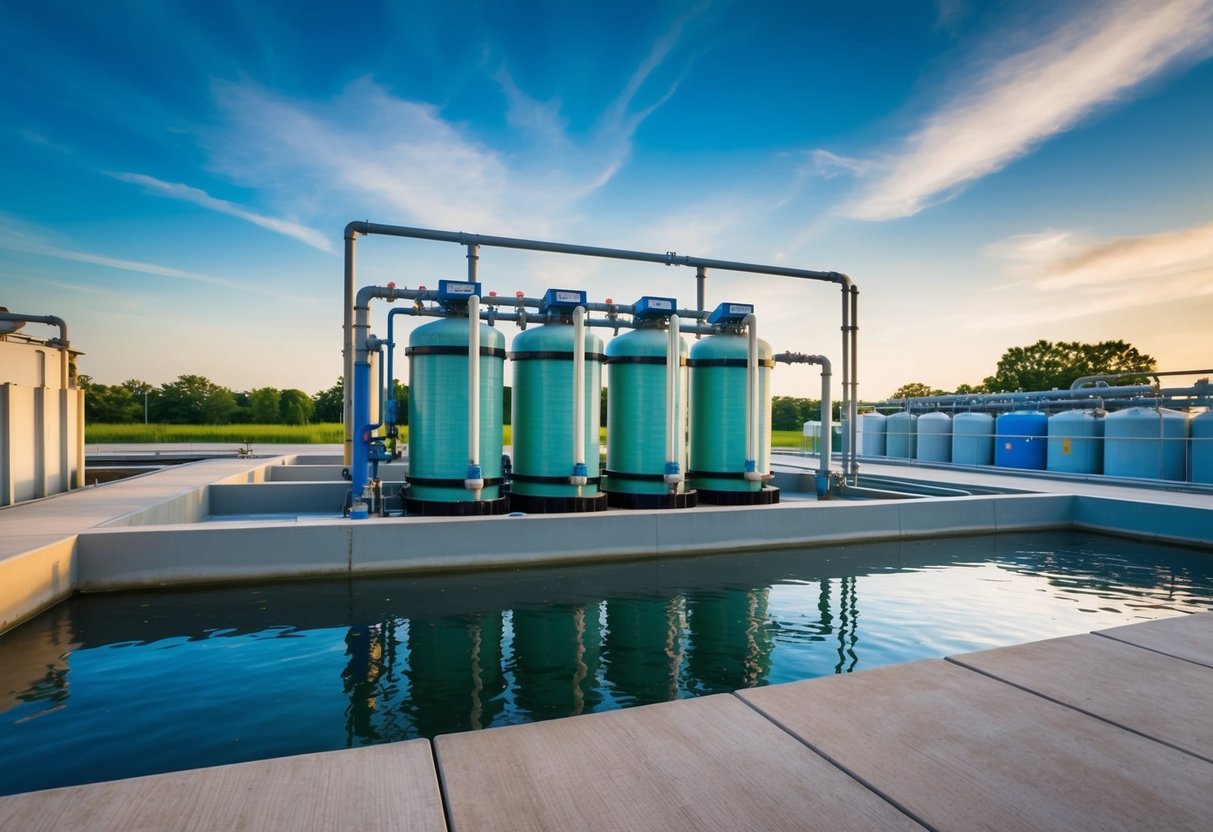
Pre-treatment processes prepare water for main treatment steps. They remove large debris and adjust key water properties. This improves the effectiveness of later treatment stages.
Screening and Pre-Filtering
Screening and pre-filtering remove large objects from raw water. Screens catch debris like leaves, sticks, and trash. They protect pumps and other equipment from damage.
After screening, water passes through gravel and sand filters. These trap smaller particles. The process uses layers of materials with different sizes:
- Coarse gravel (top layer)
- Fine gravel
- Coarse sand
- Fine sand (bottom layer)
This setup catches particles of various sizes. It improves water clarity before main treatment. Regular backwashing cleans these filters to maintain their effectiveness.
Adjusting pH and Alkalinity
Water’s pH and alkalinity affect later treatment steps. Adjusting them improves treatment efficiency.
Chemical addition changes water pH. Common chemicals include:
- Lime (raises pH)
- Soda ash (raises pH)
- Carbon dioxide (lowers pH)
The right pH helps remove metals and minerals. It also impacts disinfection effectiveness.
Alkalinity measures water’s ability to neutralize acids. Higher alkalinity helps maintain stable pH. It prevents rapid changes that can harm treatment processes. Treatment plants may add alkaline materials if needed.
Core Treatment Processes
Drinking water treatment involves several key steps to remove contaminants and ensure safe water. These processes work together to clean and purify water from various sources.
Coagulation and Flocculation
Coagulation and flocculation are the first steps in water treatment. Chemicals are added to the water to make small particles stick together. Common coagulants include aluminum sulfate and ferric chloride.
As the particles clump, they form larger clumps called flocs. These flocs are easier to remove in later steps. The process helps get rid of dirt, bacteria, and other tiny particles in the water.
Operators carefully control the amount of chemicals used. Too little won’t work well, while too much can affect water quality. The right mix depends on the source water and its contents.
Sedimentation
After coagulation and flocculation, the water moves to sedimentation tanks. Here, the water slows down and sits still. This allows the flocs to sink to the bottom of the tank.
The process relies on gravity. Heavier particles settle faster, while lighter ones take longer. Most of the flocs end up at the bottom as a layer of sludge.
Clear water at the top of the tank moves on to the next step. The sludge is removed and treated separately. Sedimentation can remove up to 90% of the solids in the water.
Filtration
Filtration removes smaller particles that didn’t settle out during sedimentation. The water passes through layers of sand, gravel, and sometimes activated carbon.
These filters catch tiny particles like remaining dirt, parasites, and bacteria. Some plants use advanced filters with very small pores to remove even tinier contaminants.
Filters need regular cleaning to work well. This process, called backwashing, pushes clean water backward through the filter to remove trapped particles.
Disinfection
The final core step is disinfection. This process kills harmful microorganisms like bacteria and viruses. Chlorine is the most common disinfectant used in water treatment.
Other options include ultraviolet light and ozone. These methods kill germs without adding chemicals to the water. Some plants use a mix of methods for better results.
Disinfection also helps protect the water as it travels through pipes to homes and businesses. The right amount of disinfectant keeps the water safe without affecting its taste or smell.
Advanced Treatment Techniques
Drinking water treatment has evolved with innovative methods to remove contaminants and improve water quality. These techniques go beyond traditional filtration and disinfection to address emerging pollutants and provide safer drinking water.
Membrane Filtration Technologies
Membrane filtration uses thin layers of material to separate contaminants from water. Reverse osmosis is a popular method that forces water through a semi-permeable membrane, removing salts and other impurities.
Ultrafiltration uses larger pores to remove bacteria and viruses while allowing minerals to pass through. This process is effective for producing high-quality drinking water.
Nanofiltration falls between reverse osmosis and ultrafiltration in terms of pore size. It’s great for softening water and removing specific contaminants like pesticides.
These technologies can be combined in multi-stage systems for even better water purification. They’re becoming more common in both large-scale and home water treatment systems.
Adsorption Processes
Adsorption is a powerful method for removing organic compounds and certain heavy metals from water. Granular activated carbon (GAC) is widely used in water treatment plants.
GAC works by attracting and holding contaminants on its surface. It’s particularly good at removing:
- Organic chemicals
- Taste and odor compounds
- Some heavy metals
The carbon can be regenerated and reused multiple times, making it a cost-effective option. Other adsorbents like zeolites and synthetic resins are also used for specific contaminants.
Regular replacement or regeneration of the adsorbent material is crucial for maintaining effectiveness.
Biological Treatment and Natural Methods
Biological treatment harnesses natural processes to clean water. It’s often used in combination with other methods.
Slow sand filtration is a simple yet effective biological treatment. As water passes through sand, a layer of microorganisms forms on top. This “schmutzdecke” breaks down organic matter and some pathogens.
Constructed wetlands mimic natural water purification processes. They use plants, soil, and microbes to filter water and remove pollutants. These systems can be effective for small communities or as part of a larger treatment process.
Algae-based systems are an emerging technology. Algae can remove nutrients, heavy metals, and some organic compounds from water.
Disinfection and Oxidation
Advanced oxidation processes (AOPs) are powerful methods for destroying hard-to-remove contaminants. They produce highly reactive oxygen species that break down complex molecules.
Ozone is a strong oxidant used in many water treatment plants. It can:
- Kill pathogens
- Remove taste and odor compounds
- Break down organic pollutants
Ultraviolet (UV) light is another effective disinfection method. It damages the DNA of microorganisms, preventing them from reproducing. UV treatment doesn’t add chemicals to the water, making it popular for both large and small-scale systems.
Combining UV with other oxidants like hydrogen peroxide can create even more powerful AOPs. These combinations can tackle a wide range of contaminants, including pharmaceuticals and personal care products.
Post-Treatment and Quality Control
Post-treatment steps ensure drinking water is safe and pleasant to consume. Quality control measures monitor water quality throughout the treatment process and distribution system.
Stabilization
Water stabilization prevents corrosion and mineral buildup in pipes. Treatment plants add chemicals to adjust pH levels and mineral content.
Common additives include:
- Lime or soda ash to increase pH
- Carbon dioxide to decrease pH
- Phosphates to coat pipes
These chemicals help protect infrastructure and prevent metals from leaching into water. Stable water also tastes better and causes less damage to plumbing fixtures.
Fluoridation
Many water systems add fluoride to drinking water to promote dental health. Fluoride strengthens tooth enamel and prevents cavities.
The optimal fluoride level is 0.7 mg/L. Treatment plants carefully control dosing with:
- Fluorosilicic acid
- Sodium fluorosilicate
- Sodium fluoride
Fluoridation is backed by major health organizations. But some areas choose not to fluoridate due to public concerns.
Water Quality Monitoring
Rigorous testing ensures drinking water meets safety standards. Water providers check for contaminants like:
- Bacteria and viruses
- Lead and copper
- Nitrates and pesticides
They use lab tests and online sensors. The World Health Organization sets guidelines for safe levels.
Frequent sampling occurs at:
- Treatment plants
- Storage tanks
- Customer taps
Results are reported to regulators and the public. This monitoring helps catch problems quickly and maintain high water quality.
Environmental Impact and Sustainability
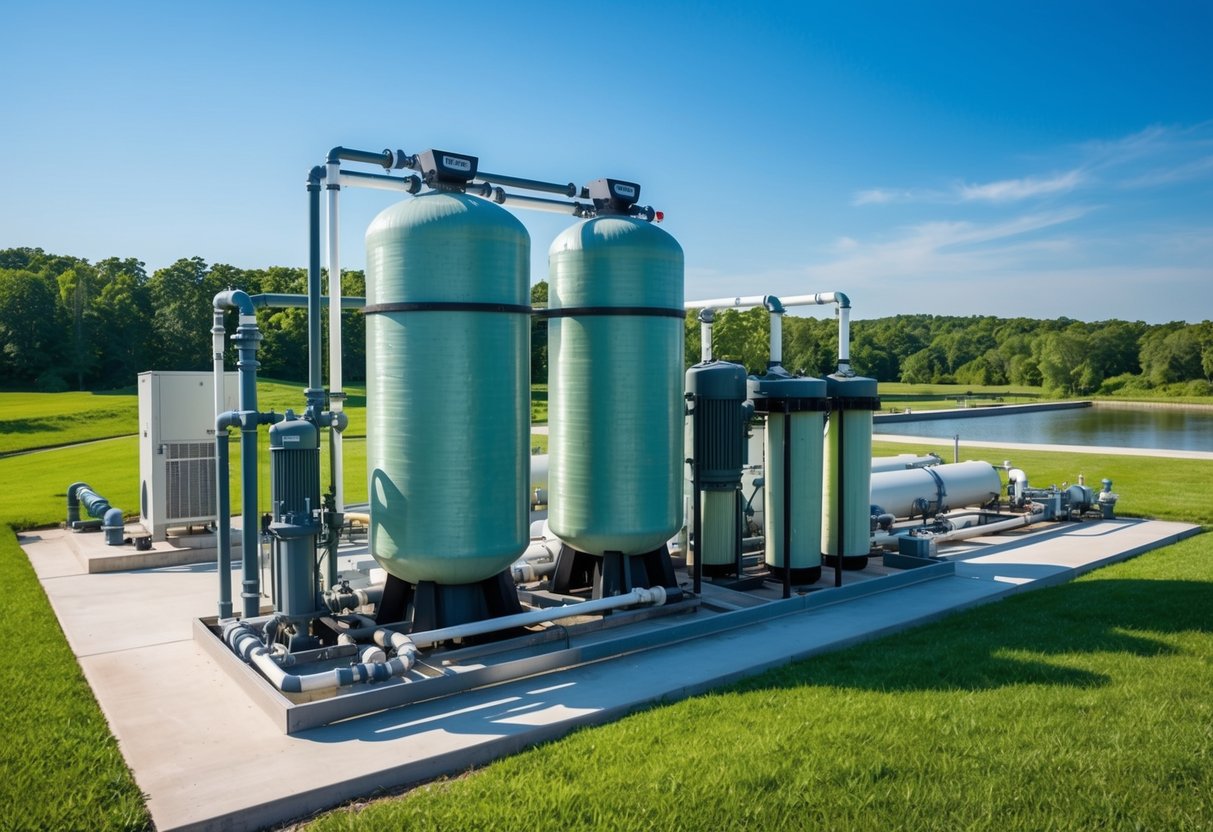
Drinking water treatment processes affect natural ecosystems and require sustainable practices. The environmental footprint of water treatment plants can be significant, but new technologies aim to reduce negative impacts.
Impact on Natural Ecosystems
Water treatment plants can harm nearby ecosystems. They use chemicals that may pollute waterways if not properly managed. The removal of contaminants from drinking water creates waste that needs safe disposal.
Energy use is a big concern. Many treatment steps need lots of power, adding to carbon emissions. This affects air quality and contributes to climate change.
Water intake structures can trap fish and other aquatic life. This disrupts local habitats and food chains. Discharge of treated water can also alter water temperatures and flow patterns in rivers.
Sustainable Water Treatment Practices
New technologies make water treatment greener. Advanced processes remove emerging pollutants while using less energy and chemicals. This cuts down on waste and pollution.
Some plants now use renewable energy like solar panels. This lowers their carbon footprint. Others recycle waste products, turning them into useful materials.
Nanotechnology offers promising solutions for cleaner water treatment. These tiny particles can remove contaminants more efficiently. They also produce less waste.
Water conservation is key. Fixing leaks and encouraging wise water use reduces the load on treatment plants. This saves energy and resources in the long run.
Regulation and Compliance
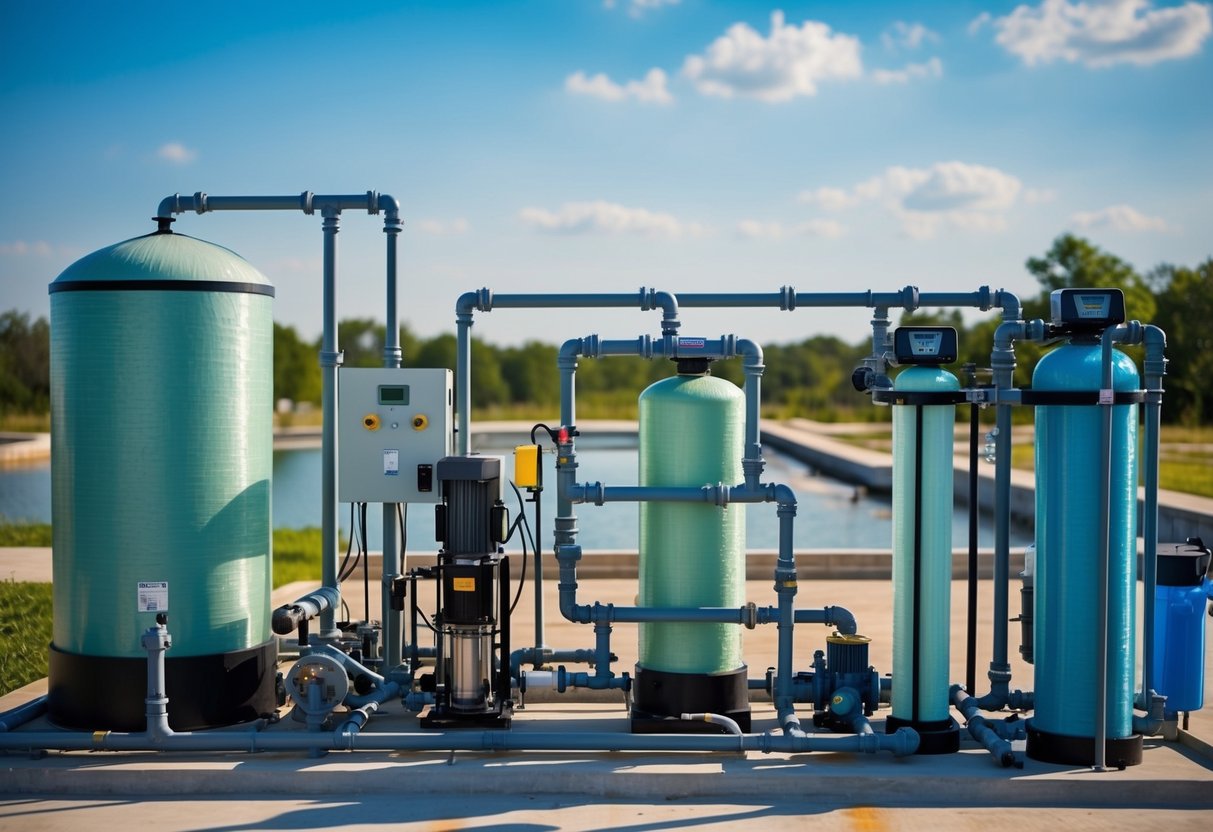
Drinking water regulations set standards for safe water quality. They outline treatment requirements and compliance procedures for water suppliers.
Global and Local Water Standards
The World Health Organization provides global guidelines for safe drinking water. Many countries base their rules on these standards.
In the United States, the Safe Drinking Water Act sets national regulations. States can make stricter rules if needed.
Key standards include limits on contaminants like lead, bacteria, and chemicals. Water suppliers must test regularly and report results.
Some areas have additional local rules based on specific water sources or community needs.
Ensuring Compliance
Water utilities use various methods to meet regulations. Water treatment processes are adjusted to remove contaminants effectively.
Regular testing checks if water meets standards. Utilities must act quickly if problems are found.
Staff training is crucial for proper treatment and testing. Good record-keeping helps track compliance over time.
Some regulations allow time to fix issues. For example, lead reduction rules may give utilities several years to replace pipes.
Penalties for non-compliance can include fines or legal action. Public reporting helps keep utilities accountable to customers.
Challenges and Innovations
Drinking water treatment faces new hurdles as contaminants evolve. At the same time, exciting breakthroughs offer hope for cleaner water. Let’s explore the key issues and promising solutions in this critical field.
Emerging Contaminants
New pollutants threaten water supplies worldwide. Pharmaceuticals and emerging pollutants pose unique challenges for treatment plants. These substances often slip through traditional filters.
Heavy metals remain a serious concern. Lead, arsenic, and mercury can cause severe health problems. Current methods struggle to remove them completely.
Microplastics have also become a major issue. These tiny plastic particles are now found in water sources globally. Their long-term effects on human health are still unknown.
Climate change impacts water quality too. Extreme weather events can overwhelm treatment systems. This leads to increased contamination risks.
Advancements in Treatment Technologies
Nanotechnology offers promising solutions for water treatment. Nanomaterials can target specific contaminants with high efficiency. They show great potential for removing pharmaceuticals and heavy metals.
Membrane filtration keeps improving. New designs allow for better removal of tiny particles. This technology helps tackle microplastics and other emerging pollutants.
UV light disinfection is becoming more powerful and efficient. It can now inactivate a wider range of pathogens. This method reduces the need for chemical treatments.
Solar-powered systems are revolutionizing water treatment in remote areas. They provide clean drinking water without relying on electrical grids. This innovation helps address global water access issues.
Artificial intelligence is enhancing treatment plant operations. It optimizes processes and predicts maintenance needs. This leads to more reliable and efficient water treatment.
Frequently Asked Questions
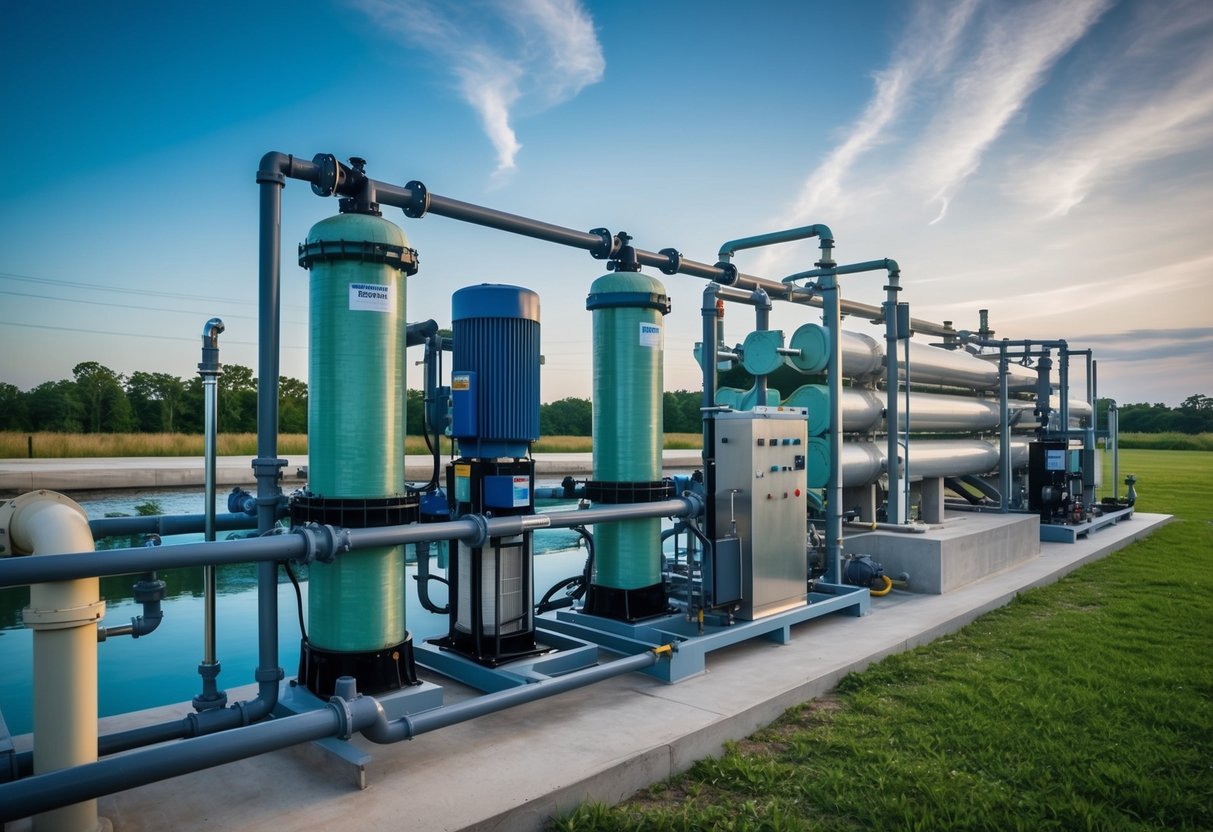
Water treatment plants use various processes to purify drinking water. These processes remove contaminants and ensure safe, clean water for consumption. Common steps include filtration, chemical treatments, and sedimentation.
What is the typical sequence of processes in a municipal water treatment plant?
Municipal water treatment plants follow a series of steps. They start with screening to remove large debris. Next comes coagulation and flocculation to clump small particles. Then sedimentation allows these clumps to settle.
Filtration removes smaller particles. The final steps are disinfection and pH adjustment. This sequence effectively removes contaminants from the water.
How does flocculation contribute to drinking water purification?
Flocculation helps remove tiny particles from water. Chemicals called flocculants are added to the water. These cause small particles to stick together and form larger clumps.
These larger clumps are easier to remove in later steps. Flocculation makes the next steps of sedimentation and filtration more effective.
What are the primary chemical substances used in drinking water treatment?
Common chemicals used in water treatment include chlorine, alum, and lime. Chlorine kills harmful bacteria and viruses. Alum acts as a coagulant to help remove particles.
Lime adjusts the pH of the water. Other chemicals may be used to remove specific contaminants. The choice depends on the water source and local regulations.
How do modern water treatment facilities ensure the removal of contaminants?
Modern facilities use multiple barriers to remove contaminants. They combine physical and chemical processes. Filtration systems catch particles of various sizes.
Chemical treatments target specific contaminants. Facilities also use advanced technologies like UV light and membrane filtration. Regular testing ensures water quality meets standards.
What innovations have been made in the water treatment process in recent years?
Recent innovations focus on efficiency and new contaminants. Membrane technologies like reverse osmosis remove more pollutants. UV disinfection provides an alternative to chemical treatments.
Smart sensors and automation improve process control. New methods target emerging contaminants like pharmaceuticals. These innovations help produce safer water with less waste.
What role does sedimentation play in the water treatment process?
Sedimentation is a key step in water treatment. It allows particles to settle out of the water naturally. After coagulation and flocculation, the water enters large tanks.
Here, gravity pulls down the clumped particles. Clear water from the top moves to the next stage. Sedimentation removes a significant amount of impurities, making later steps more effective.