Clean drinking water is essential for human health and wellbeing. People get their water from different places like lakes, rivers, and underground sources. Drinking water comes from both natural and man-made sources. These sources need protection to keep the water clean and safe.

Water can pick up harmful things as it moves through the ground or sits in lakes. Things like arsenic and chromium can get into water naturally. People’s activities can also add chemicals or germs to water sources. That’s why water often needs cleaning before it’s safe to drink.
Keeping water sources clean is the first step in having safe drinking water. Regular testing helps find problems early. Proper treatment removes harmful things from the water. These steps help make sure people have clean, safe water to drink every day.
Key Takeaways
- Drinking water comes from various natural and artificial sources
- Water sources can contain harmful substances and need protection
- Regular testing and treatment are crucial for safe drinking water
Overview of Drinking Water Sources
Drinking water comes from various natural sources. These sources provide essential water supplies for communities worldwide. The quality and availability of water differ based on the source type and location.
Surface Water
Surface water sources include lakes, rivers, and streams. These provide about 70% of the world’s drinking water. Surface water is easy to access but can be polluted by human activities and natural events.
Lakes are large bodies of freshwater. They often serve as key drinking water sources for nearby cities. Many lakes are man-made reservoirs created by damming rivers.
Streams and rivers flow across land surfaces. They can supply drinking water to multiple communities along their path. River water quality can change quickly due to rainfall or upstream activities.
Groundwater
Groundwater is found in underground spaces between soil and rock particles. It supplies about 30% of the world’s drinking water. Groundwater is usually cleaner than surface water because soil acts as a natural filter.
Wells tap into groundwater for drinking supplies. Shallow wells are more vulnerable to contamination. Deep wells often provide safer, more reliable water.
Groundwater recharges slowly. Overuse can lead to dropping water tables and dry wells. Careful management is needed to ensure sustainable use of this vital resource.
Aquifers
Aquifers are underground layers of rock that hold water. They can be small or cover vast areas. Some major aquifers supply water to millions of people.
Confined aquifers have layers of impermeable rock above and below. This protects the water from surface contamination. Unconfined aquifers are more vulnerable to pollution.
Water moves slowly through aquifers, often taking years or decades. This means pollutants can persist for long periods. Once contaminated, aquifers are very difficult to clean.
Springs
Springs occur where groundwater naturally flows to the surface. They can provide pure, clean drinking water. Many bottled water brands use spring sources.
Hot springs are heated by geothermal energy. While not typically used for drinking, they can supply water for other purposes.
Spring flow can vary with rainfall and seasons. Some springs dry up during droughts. Others maintain steady flow rates year-round.
Rivers
Rivers are major drinking water sources for many cities worldwide. They offer large, renewable water supplies. However, river water often requires extensive treatment before use.
River water quality changes constantly. It’s affected by rainfall, snowmelt, and upstream activities. Monitoring is crucial to ensure safe drinking water.
Many rivers face pollution challenges. Industrial discharges, agricultural runoff, and urban waste can contaminate water. Strong regulations help protect river water quality.
Reservoirs
Reservoirs are artificial lakes created by damming rivers. They store water for drinking, irrigation, and other uses. Reservoirs help balance seasonal water availability.
Large reservoirs can supply water to entire regions. They act as buffers against droughts and floods. However, dam construction can disrupt ecosystems and displace communities.
Reservoir water quality depends on various factors. These include watershed conditions, water depth, and reservoir management practices. Regular monitoring ensures safe drinking water supplies.
Public Water Systems and Safety
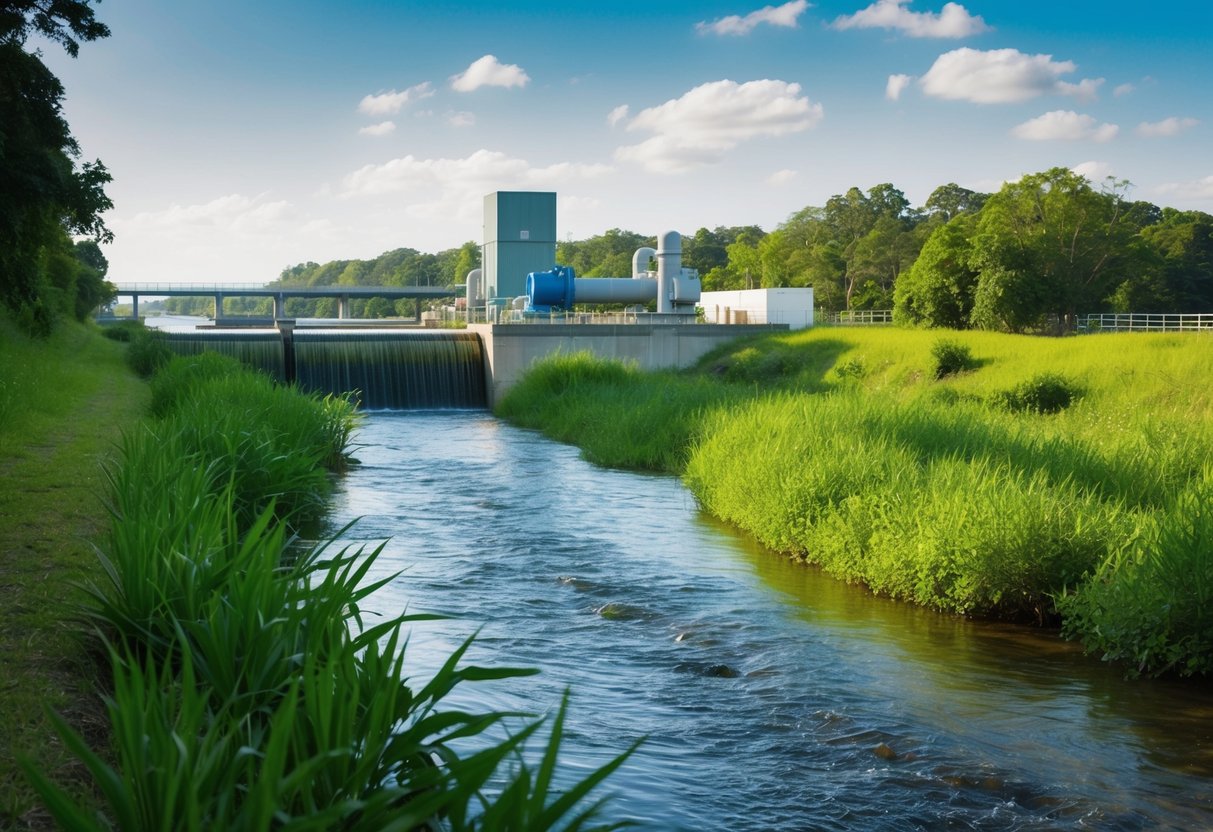
Public water systems provide drinking water to most Americans. These systems are regulated to ensure safety. Private wells and bottled water are other common sources.
Community Water Systems
Community water systems serve over 286 million people in the U.S. The Safe Drinking Water Act sets rules for these systems. The EPA enforces standards for over 90 contaminants.
Water providers must test regularly. They check for bacteria, chemicals, and other harmful substances. If problems are found, they must fix them quickly.
Every year, water systems send out Consumer Confidence Reports. These reports tell customers about their water quality. They list any contaminants found and if the water met safety standards.
Community systems use different treatment methods. These may include:
- Filtration
- Disinfection (like chlorine)
- Removal of specific contaminants
Private Wells
About 15% of Americans use private wells. Wells are not regulated by the EPA. Well owners must ensure their own water safety.
Experts recommend testing well water yearly. Tests should check for:
- Bacteria
- Nitrates
- pH levels
- Other local contaminants
Well owners should protect their water source. This means keeping pollutants away from the well area. Regular maintenance is also key.
If problems are found, well owners may need to:
- Install treatment systems
- Repair the well
- Find a new water source
Bottled Water
Bottled water is regulated as a food product by the FDA. It must meet safety standards similar to tap water.
Types of bottled water include:
- Spring water
- Purified water
- Mineral water
The FDA checks bottling plants and tests water samples. Labels must be truthful about the water source.
Some people choose bottled water for taste or convenience. Others use it when traveling or during emergencies. But it’s often more expensive than tap water.
Water Quality and Contaminants
Drinking water sources can contain various contaminants that affect water quality and safety. These include chemical, biological, and physical pollutants that may pose health risks if not properly treated.
Chemical Contaminants
Chemical contaminants in drinking water can come from natural sources or human activities. Lead and arsenic are two common chemical pollutants that can harm human health.
Lead often enters water through old plumbing systems. It can cause developmental issues in children and kidney problems in adults. Water utilities must monitor lead levels carefully.
Arsenic occurs naturally in some groundwater sources. Long-term exposure may increase cancer risk. Treatment methods like reverse osmosis can remove arsenic from water.
Pesticides and industrial chemicals can also contaminate water supplies. Regular testing helps detect these pollutants. Advanced filtration systems are used to remove many chemical contaminants.
Biological Contaminants
Microorganisms in water can cause illness. Common biological contaminants include:
- Bacteria (e.g. E. coli)
- Viruses
- Parasites (e.g. Cryptosporidium)
These pathogens often enter water sources through fecal contamination. Proper sanitation and water treatment are crucial to prevent waterborne diseases.
Disinfection methods like chlorination kill many harmful microbes. However, some parasites like Cryptosporidium are resistant to chlorine. Additional treatments such as UV light or membrane filtration may be needed.
Regular testing for indicator bacteria helps ensure biological safety. Boil water advisories are issued when contamination is suspected.
Physical Contaminants
Physical contaminants affect the appearance and taste of water. They include:
- Sediment
- Organic matter
- Minerals
While not always harmful, these contaminants can make water unappealing. High levels of sediment can also interfere with disinfection processes.
Filtration systems remove many physical contaminants. This improves water clarity and taste. Some mineral content is beneficial, but excess minerals can cause hard water.
Turbidity, or cloudiness, is a key indicator of physical water quality. Low turbidity usually means better overall water quality and more effective disinfection.
Water Treatment and Regulations
Clean drinking water is essential for public health. Water treatment removes contaminants and makes water safe to drink. Rules ensure water meets safety standards.
Treatment Methods
Water treatment plants use several steps to clean water. First, they add chemicals to make dirt clump together. This process is called coagulation and flocculation. The clumps are then removed through sedimentation.
Next, the water passes through filters to remove tiny particles. Common filter materials include sand and charcoal. This step catches things like dust and parasites.
The final major step is disinfection. Plants often use chlorine to kill germs. Some also use ultraviolet light or ozone. These methods destroy harmful bacteria and viruses.
Many plants also add fluoride to help prevent tooth decay. They may adjust the pH to prevent pipe corrosion too.
Regulatory Standards
The Environmental Protection Agency (EPA) sets rules for drinking water quality in the United States. These rules limit the amounts of certain contaminants allowed in water. Water systems must test their water regularly to check for these substances.
The EPA rules cover over 90 contaminants. These include:
- Microorganisms like E. coli
- Disinfectants and their byproducts
- Inorganic chemicals like lead
- Organic chemicals like pesticides
- Radioactive elements
Water systems must inform customers if their water does not meet EPA standards. They also send annual reports about water quality to customers.
Some states have extra rules beyond the EPA standards. These may cover additional contaminants or have stricter limits.
Health and Environmental Impacts
Drinking water sources have major effects on public health and the environment. The quality of water people drink is directly linked to disease rates and ecosystem health.
Waterborne Diseases
Unsafe drinking water can spread many illnesses. Cholera, typhoid, and hepatitis A are serious waterborne diseases. These can cause severe diarrhea, fever, and liver problems.
Polio and dysentery also spread through contaminated water. Children are most at risk from these diseases.
Proper water treatment is key to stopping these illnesses. Chlorination kills most harmful germs. Filtration removes parasites and other contaminants.
Regular water quality testing helps catch problems early. This prevents disease outbreaks. Public health programs that improve water access save many lives each year.
Environmental Considerations
Water sources affect local ecosystems too. Taking too much water from rivers or lakes harms fish and plants. Groundwater overuse can cause land to sink.
Some water treatment methods have downsides. Desalination creates salty waste that can hurt marine life. Chlorine byproducts may be harmful to animals.
Watershed protection keeps water clean naturally. This means less chemical treatment is needed. It also preserves habitats for wildlife.
Reducing water waste helps the environment. Fixing leaky pipes and using efficient appliances conserves water. This leaves more for nature.
Water Access and Socioeconomic Factors

Access to clean drinking water varies greatly based on economic and social factors. Income levels, education, and location all play a role in determining water sources for different populations.
Global Water Inequality
844 million people worldwide lack access to basic drinking water, with rural areas of low and middle-income countries most affected. Poor communities often rely on unimproved water sources, increasing health risks.
Wealth strongly influences water access. Richer households tend to have safer water sources like piped connections. Poorer families may use less safe options like wells or surface water.
Education also impacts water choices. Higher education levels correlate with improved water access. This link highlights the importance of awareness and knowledge in water decisions.
Economic Growth and Water
As economies develop, water infrastructure typically improves. Growing cities invest in water treatment and distribution systems. However, rapid urbanization can strain existing water supplies.
Economic growth enables better water access but doesn’t guarantee it. Some fast-growing areas still struggle with water quality and reliability. Proper planning and investment are crucial.
Water access affects economic productivity. Poor water and sanitation lead to health issues like childhood stunting and malnutrition. These problems can limit human potential and slow development.
Water Use Beyond Consumption
Water plays a crucial role in many areas beyond direct human consumption. Its uses extend to agriculture and industry, shaping economies and food production worldwide.
Agricultural Dependency
Irrigation is a major use of water in agriculture. Farmers rely on water to grow crops and raise livestock. In many regions, irrigation accounts for the largest share of water use.
Crops like rice and cotton need large amounts of water to thrive. Livestock also require water for drinking and cleaning. Modern farming techniques aim to reduce water waste.
Drip irrigation and water recycling help conserve this precious resource. Some farmers are switching to drought-resistant crops. These changes help agriculture adapt to water scarcity in many areas.
Industrial Demand
Industries use water in many ways. It’s key for cooling, cleaning, and manufacturing processes. Power plants need water to generate electricity.
Factories use water to make products like paper, chemicals, and electronics. Mining operations rely on water for mineral extraction. The food and beverage industry also uses large amounts of water.
Many companies now focus on reducing their water use. They recycle water and use more efficient equipment. Some industries treat and reuse wastewater. These efforts help conserve water and cut costs.
Emerging Challenges and Future Directions
Drinking water sources face new threats from climate change and aging infrastructure. Innovative solutions will be crucial to ensure safe, affordable water for all.
Climate Change Impacts
Rising temperatures and extreme weather events are putting stress on water supplies. Droughts are becoming more frequent in many regions, reducing the availability of freshwater. This makes safely managed drinking water services more challenging to maintain.
Flooding can contaminate water sources with pollutants and pathogens. This threatens both surface water and groundwater quality. Water treatment plants may struggle to handle these new contaminants.
Sea level rise poses a risk to coastal aquifers. Saltwater intrusion can make groundwater undrinkable. Communities may need to find new water sources or invest in desalination technology.
Changing precipitation patterns affect the reliability of reservoirs and rivers. Water managers must adapt their strategies to ensure consistent supply. This may involve building new infrastructure or improving water conservation efforts.
Infrastructure and Technology
Aging water systems in many countries need upgrades. Leaky pipes waste precious resources and can allow contaminants to enter the water supply. Replacing old infrastructure is expensive but necessary for long-term water security.
New materials and smart technologies offer promising solutions. Self-healing pipes could reduce leaks. Advanced sensors can detect contamination quickly, improving water safety.
Innovative treatment methods are emerging to address new challenges. These include:
- Nanotechnology for removing emerging pollutants
- Membrane filtration for desalination
- UV disinfection to kill resistant pathogens
Water reuse and recycling will become more important. Treating wastewater to drinking water standards can create a new source of supply. This helps conserve freshwater resources in water-stressed areas.
Artificial intelligence and big data can improve water management. These tools help predict demand, optimize treatment processes, and detect leaks early.
Frequently Asked Questions
Drinking water comes from various sources and requires different treatment methods. Quality, contamination risks, and sustainability are key factors in evaluating water sources. Testing ensures safety for consumption.
What are the primary sources of drinking water for human consumption?
The main drinking water sources are surface water and groundwater. Surface water includes rivers, lakes, and reservoirs. Groundwater comes from aquifers underground.
Many cities rely on surface water sources for their public water supply. Rural areas often use groundwater from wells.
Which natural sources provide the highest quality of potable water?
Natural springs and deep aquifers often provide high-quality water. These sources are protected from surface contaminants.
Mountain streams can also offer clean water. However, even natural sources need testing to ensure safety.
How do different sources of water get contaminated?
Surface water can be contaminated by runoff, sewage, and industrial waste. Pathogens, chemicals, and sediment are common pollutants.
Groundwater may contain natural minerals or get polluted by leaching from landfills or septic systems. Agricultural chemicals can also seep into aquifers.
What are the methods to determine if a water source is safe for drinking?
Water testing is crucial to check for contaminants. Labs analyze samples for bacteria, chemicals, and other harmful substances.
Home test kits can detect some issues. Regular monitoring ensures ongoing safety, especially for private water supplies.
What are the most sustainable sources of drinking water for long-term use?
Renewable groundwater aquifers are sustainable when not overdrawn. Properly managed surface water bodies can also provide long-term supply.
Rainwater harvesting and water recycling systems offer sustainable options in some areas. Conservation helps maintain water sources for future use.
How do treatment processes vary for different sources of drinking water?
Surface water usually needs more treatment than groundwater. It often requires filtration and stronger disinfection.
Groundwater may only need disinfection if it’s from a deep, protected source. Hard water might go through softening. Each source has unique treatment needs based on its quality.