Clean water is vital for our health and well-being. Yet, many people don’t know about the contaminants that can lurk in their drinking water. These substances come from various sources and can affect our health in different ways.
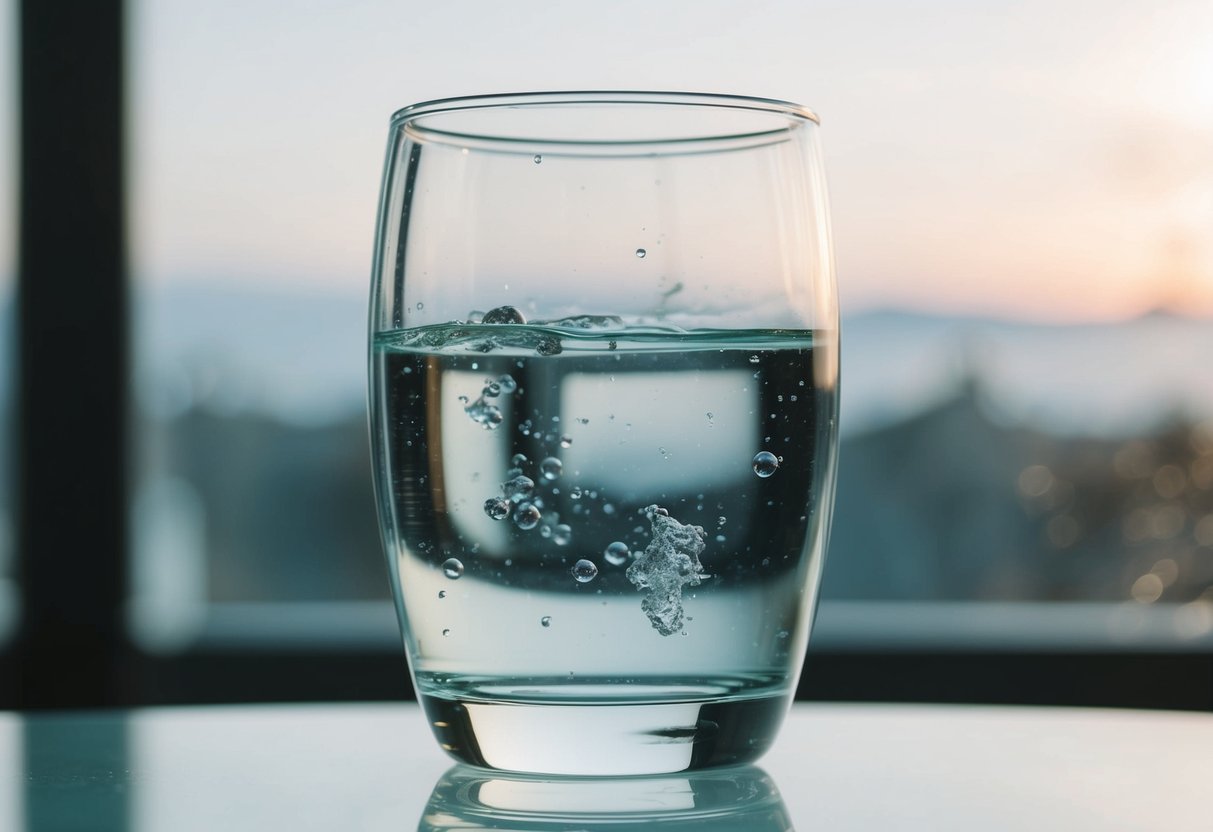
Drinking water contaminants include microbes, chemicals, and other materials that can make water unsafe to drink. They can come from natural sources or human activities. As water moves through the environment, it picks up these contaminants along the way.
Water treatment plants work hard to remove harmful substances from our tap water. But it’s good to know what might be in your water and how to keep it safe. This knowledge can help you make smart choices about your drinking water and protect your family’s health.
Key Takeaways
- Drinking water can contain various contaminants from natural and human-made sources
- Water treatment processes aim to remove harmful substances before water reaches our taps
- Regular testing and following safety guidelines help ensure clean, safe drinking water
Sources of Drinking Water Contaminants
Drinking water can become contaminated from various sources. These include natural processes, human activities, and issues within water distribution systems. Each source introduces different types of pollutants that can affect water quality and safety.
Natural Sources
Natural contaminants often come from the environment. Groundwater can contain arsenic, uranium, and radon from natural deposits in rocks and soil. These elements can leach into water supplies over time.
Surface water may pick up sediment, minerals, and organic matter as it flows. This can affect taste, color, and safety of drinking water.
Some areas have high levels of naturally occurring fluoride or iron in their water sources. While these aren’t always harmful, they can impact water quality.
Human Activities
Human actions are a major source of water pollution. Industries and mining operations can release chemicals into water sources. These may include heavy metals, solvents, and other toxic substances.
Agriculture is another key contributor. Fertilizers and pesticides can run off fields into streams and lakes. They can also seep into groundwater, affecting private wells.
Sewage and septic systems can leak harmful bacteria and viruses into water supplies. Improper waste disposal can introduce pharmaceuticals and other chemicals.
Urban runoff carries oil, road salt, and other pollutants into water bodies. This affects both surface water and groundwater quality.
Water Distribution Systems
Even after treatment, water can become contaminated in distribution systems. Old lead pipes can leach lead into drinking water, posing serious health risks.
Corrosion of pipes can introduce metals like copper and iron. This affects water taste and can cause staining.
Biofilms in pipes may harbor bacteria, leading to recontamination. Breaks in water mains can allow outside contaminants to enter the system.
Improperly maintained storage tanks can also be a source of contamination. They may introduce sediment or allow bacterial growth.
Types of Contaminants in Drinking Water
Drinking water can contain various contaminants that may affect human health. These pollutants fall into four main categories: microbiological, chemical, physical, and radiological.
Microbiological Contaminants
Microbiological contaminants are tiny living organisms that can cause illness. They include bacteria, viruses, and parasites.
E. coli is a common bacterial contaminant found in water. It can cause severe stomach cramps, diarrhea, and vomiting.
Giardia is a parasite that leads to giardiasis, an illness with symptoms like diarrhea, stomach cramps, and nausea.
Viruses such as hepatitis A and norovirus can also be present in contaminated water. These pathogens can cause serious health issues, including liver problems and severe gastrointestinal distress.
Water treatment plants use disinfection methods like chlorination to kill these microorganisms. Regular testing helps ensure that water supplies remain free from harmful microbes.
Chemical Contaminants
Chemical contaminants in drinking water can come from natural sources or human activities. They include both organic and inorganic compounds.
Heavy metals like lead and copper are common inorganic contaminants. Lead can enter water through old plumbing systems and cause developmental issues in children.
Nitrates, often from fertilizers, can be harmful to infants if present in high levels. They can cause a condition called blue baby syndrome.
Fluoride, while added to water in small amounts for dental health, can be harmful in large doses. It may cause dental fluorosis or skeletal problems.
Disinfection byproducts form when chlorine reacts with organic matter in water. Some of these compounds may increase cancer risk with long-term exposure.
Other chemical contaminants include pesticides, industrial chemicals, and pharmaceuticals. Regular water quality testing helps identify and address these issues.
Physical Contaminants
Physical contaminants change the appearance or physical properties of water. They are often visible to the naked eye.
Sediment from soil erosion is a common physical contaminant. It can make water appear cloudy or muddy.
Organic material, such as leaves or algae, can also enter water supplies. This material may affect the taste, smell, or color of water.
Small plastic particles, known as microplastics, are an emerging physical contaminant of concern. Their long-term health effects are still being studied.
Physical contaminants are often removed through filtration processes at water treatment plants. Home water filters can also help remove these particles.
Radiological Contaminants
Radiological contaminants are radioactive elements that can occur naturally in water sources or result from human activities.
Radium, a naturally occurring radioactive element, can be found in some groundwater sources. Long-term exposure may increase cancer risk.
Cesium and plutonium are man-made radioactive elements. They can enter water supplies through improper disposal of nuclear waste or accidents.
Uranium, another naturally occurring radioactive element, can be present in areas with uranium deposits. It may cause kidney damage with long-term exposure.
Water utilities regularly test for radiological contaminants. Treatment methods like ion exchange or reverse osmosis can remove these elements from drinking water.
Health Effects of Contaminants
Drinking water contaminants can cause a range of health problems. These issues vary from short-term illnesses to long-term diseases. Some groups face higher risks from contaminated water.
Acute Effects
Contaminated drinking water can cause quick, severe health problems. These often affect the digestive system. Common symptoms include:
• Nausea
• Vomiting
• Diarrhea
People may also get headaches and fevers. In serious cases, water pollution can lead to infections like typhoid or cholera. These diseases can be life-threatening if not treated.
Bacteria and viruses in water often cause these short-term issues. Chemical pollutants can also trigger acute effects. Symptoms usually start soon after drinking bad water.
Chronic Effects
Long-term exposure to water contaminants can lead to serious health problems. These take time to develop but can be very harmful.
Chemical contaminants in drinking water may cause:
• Cancer
• Nervous system damage
• Reproductive issues
Arsenic in water can lead to skin problems and cancer. Too much lead can harm brain development. Nitrates may cause “blue baby syndrome” in infants.
Some effects may not show up for years. This makes it hard to link them to water quality. Regular testing helps catch problems early.
At-Risk Populations
Certain groups face higher risks from water contaminants. These include:
• Children
• Pregnant women
• Elderly people
• Those with weak immune systems
Young children are more sensitive to lead and other toxins. Their bodies absorb more contaminants relative to their size. This can harm growth and development.
Pregnant women need safe water for their health and their baby’s. Contaminants may cause birth defects or miscarriage.
Older adults and people with health issues may get sick more easily from bad water. Their bodies have a harder time fighting off infections.
Regulatory Framework and Standards
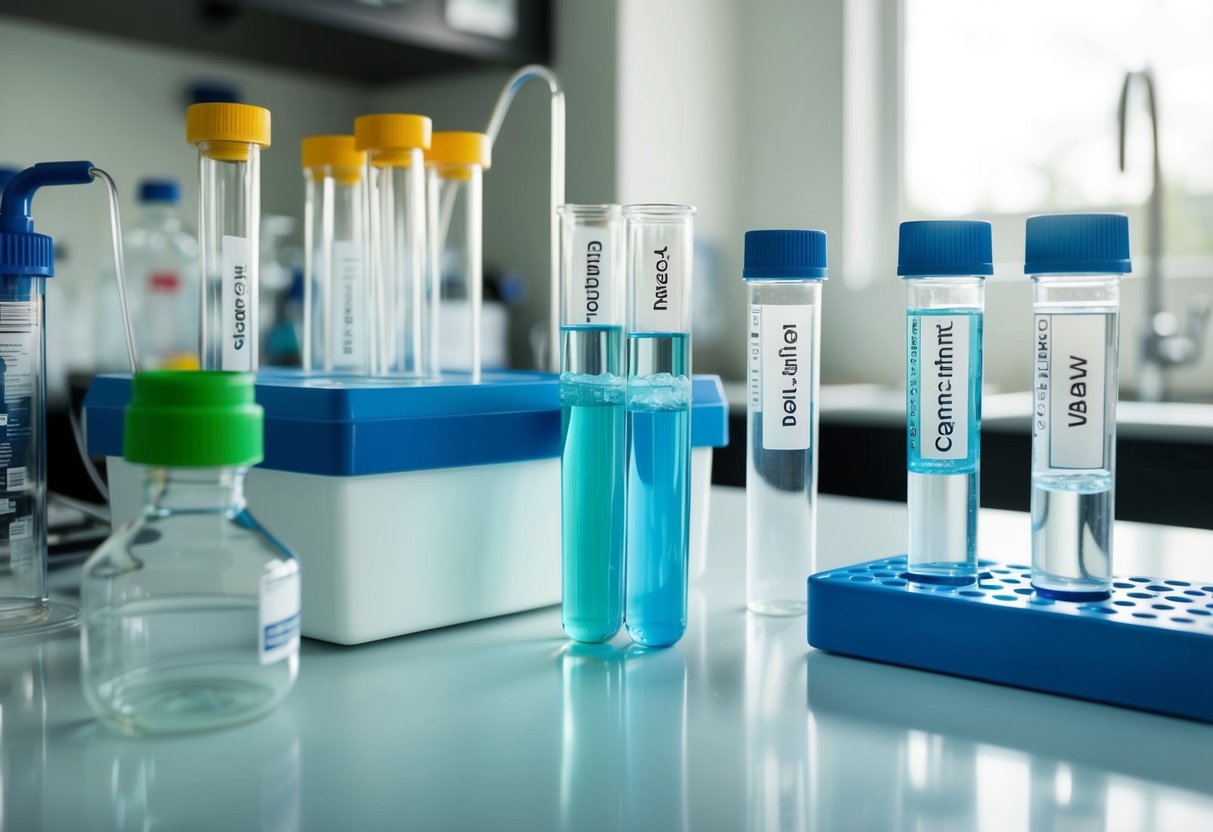
Laws and guidelines set limits for contaminants in drinking water. These rules aim to protect public health and ensure safe water supplies.
Safe Drinking Water Act
The Safe Drinking Water Act is the main U.S. law for drinking water safety. It gives the Environmental Protection Agency (EPA) power to set standards for public water systems. The EPA sets legal limits for over 90 contaminants.
These limits are based on possible health effects. The EPA reviews standards every 6 years. They look at new science about contaminants and health.
Public water systems must test their water regularly. If they find high levels of contaminants, they must fix the problem. They also have to tell customers about water quality each year.
International Guidelines
The World Health Organization (WHO) makes global drinking water guidelines. Many countries use these as a basis for their own rules.
WHO guidelines cover a wide range of contaminants. They set values for chemicals, microbes, and other substances in water. The guidelines are based on health risks.
Countries adapt WHO guidelines to fit local needs. Some set stricter limits than WHO suggests. Others may have looser rules due to cost or technical limits.
Many nations require regular water testing. They also set rules for water treatment and distribution system quality. The goal is to ensure safe drinking water for all.
Water Treatment and Contamination Prevention
Clean drinking water is crucial for health. Effective treatment and prevention methods keep water safe from harmful contaminants.
Filtration Systems
Filtration removes unwanted particles from water. Sediment filters catch larger bits like dirt and rust. Carbon filters trap chemicals and improve taste.
Reverse osmosis pushes water through a special membrane. It can remove many contaminants, including lead and nitrates. This method works well for both tap water and private wells.
Ion exchange systems swap harmful ions for safer ones. They are good at removing minerals that make water “hard.”
Here’s a quick comparison of filtration methods:
| Method | Best for Removing |
|---|---|
| Sediment | Dirt, rust |
| Carbon | Chemicals, odors |
| Reverse Osmosis | Many contaminants |
| Ion Exchange | Minerals |
Disinfection Methods
Disinfection kills germs in water. Chlorine is a common choice for public water systems. It’s cheap and works well. Bleach can be used to disinfect water in emergencies.
UV light is another option. It damages the DNA of microbes, making them harmless. This method doesn’t add chemicals to the water.
Ozone is a strong disinfectant. It kills bacteria and viruses quickly. Water treatment plants often use it.
Some key disinfection methods:
- Chlorine
- UV light
- Ozone
- Bleach (for emergencies)
Addressing Specific Contaminants
Different contaminants need different treatment approaches. PFAS are tough to remove. Special carbon filters or reverse osmosis can help.
Lead often comes from old pipes. Filters certified for lead removal are effective. Replacing lead pipes is the best long-term solution.
Nitrates are a problem in some areas. Ion exchange or reverse osmosis can remove them. Arsenic removal might require special filters or reverse osmosis.
Regular testing is key to spotting problems. Different areas face different risks. Knowing local water issues helps choose the right treatment.
Monitoring and Reporting
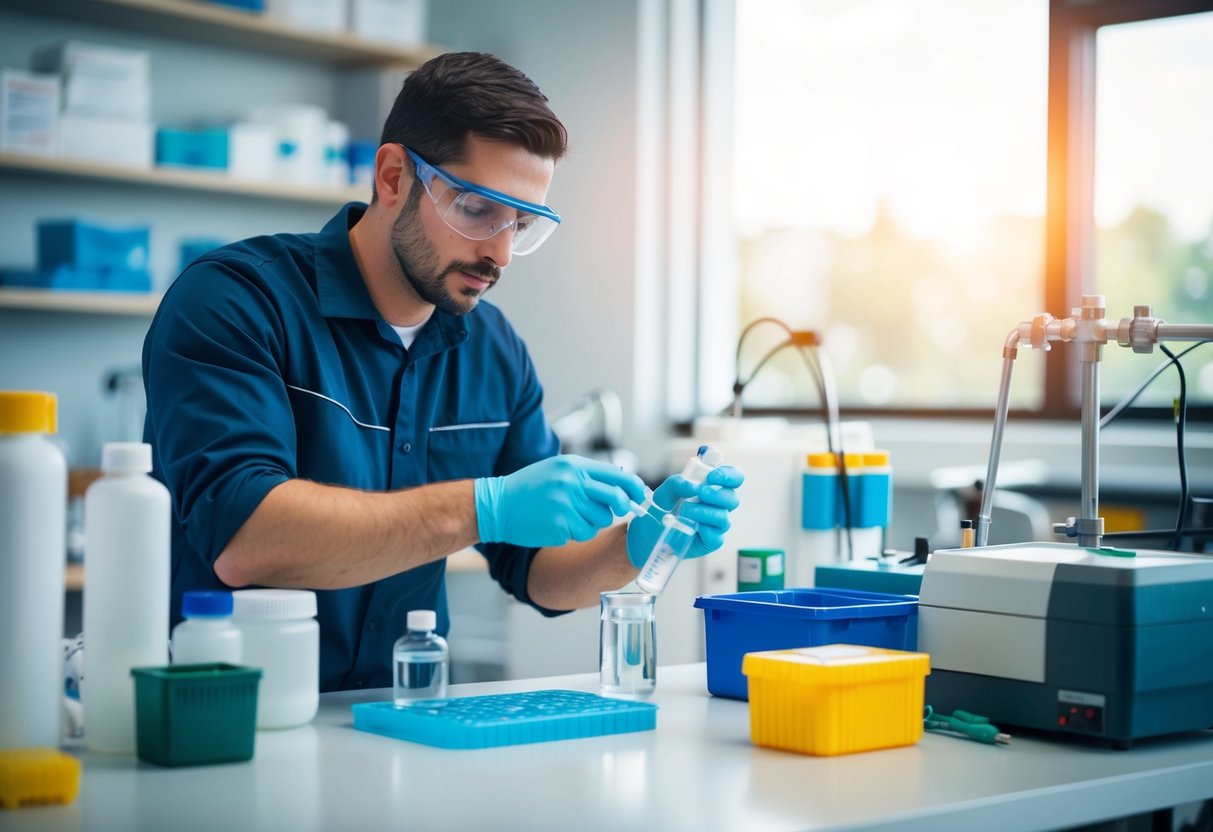
Water suppliers test drinking water often to check for contaminants. They look for things that could make people sick. The Environmental Protection Agency sets rules for how often to test.
Different contaminants need different testing schedules. Some get checked daily, others yearly. Water systems must keep records of all test results.
If tests show high levels of a contaminant, suppliers must act fast. They need to fix the problem and tell people about it. This is called a public notification.
Water systems send reports to customers each year. These reports list what was found in the water. They also say if the water met all the rules.
The EPA checks if water systems follow the rules. Systems that don’t comply can get fines. They may have to make big changes to fix problems.
Some places are trying new ways to test water quality. New tech can find contaminants faster. This helps keep drinking water safe.
Good monitoring and reporting are key to safe drinking water. They help catch problems early. They also let people know what’s in their tap water.
Challenges in Managing Drinking Water Safety
Keeping drinking water safe is hard. Water systems face old pipes, new chemicals, and changing weather. These issues make it tough to provide clean water.
Infrastructure Aging and Degradation
Many public water systems have old pipes and equipment. This can cause problems:
- Lead pipes can leach metal into water
- Old pipes break more often
- Corrosion weakens pipes over time
Fixing old systems costs a lot of money. Small towns often can’t afford repairs. This puts people’s health at risk.
Private wells also face issues. Well owners must test and treat their own water. Many don’t know how to do this right.
Emerging Contaminants
New chemicals show up in water all the time. Some common ones are:
- PFOA and PFOS (found in non-stick pans)
- Pharmaceuticals
- Microplastics
Water plants weren’t built to remove these. Testing for them is hard and costly.
Scientists don’t know the long-term effects of many new chemicals. This makes it hard to set safe levels.
Climate Change Impacts
Weather changes affect water sources in big ways:
- Floods can overwhelm treatment plants
- Droughts make water scarce
- Warmer water helps harmful algae grow
These problems make it harder to treat water. They can also damage pipes and equipment.
Climate change brings new risks to drinking water. Water managers must plan for extreme weather.
Frequently Asked Questions
Drinking water contaminants can come from various sources and pose different health risks. Understanding common contaminants and their effects is crucial for ensuring safe drinking water.
What are the predominant types of contaminants found in drinking water?
The main types of contaminants in drinking water are chemical, physical, and biological. Chemical contaminants include pesticides, heavy metals, and pharmaceuticals. Physical contaminants are particles like sediment or organic material. Biological contaminants consist of bacteria, viruses, and parasites.
How can one identify contamination in their local water supply?
People can check their water quality reports provided by local water utilities. These reports list detected contaminants and their levels. For private wells, regular testing by certified labs is recommended.
Unusual taste, odor, or color in water may indicate contamination. If concerned, individuals should contact their local health department for guidance on testing.
What are the health risks associated with chemical contaminants in drinking water?
Chemical contaminants can cause various health issues. Short-term exposure may lead to stomach discomfort or flu-like symptoms. Long-term exposure to certain chemicals can increase cancer risk or cause organ damage.
Pregnant women, infants, and people with weakened immune systems are often more vulnerable to these contaminants.
Which physical contaminants are most commonly detected in water supplies?
Common physical contaminants include sediment, sand, and rust particles. These can enter water supplies through old pipes or natural sources. While not always harmful, they can affect water’s appearance and taste.
Physical contaminants may also include plastic particles from pollution or microplastics.
How can biological contaminants affect drinking water quality?
Biological contaminants can cause immediate health effects. Bacteria like E. coli can lead to gastrointestinal illness. Viruses may cause more severe diseases.
Parasites such as Giardia and Cryptosporidium can survive in water and cause long-lasting intestinal problems.
What steps should be taken if one is exposed to contaminated drinking water?
If contamination is suspected, stop drinking the water immediately. Use bottled water or boil tap water for drinking and cooking. Contact the local water utility or health department for guidance.
Seek medical attention if experiencing symptoms like severe diarrhea, fever, or stomach cramps. Follow official instructions for treating water or using alternative sources until the issue is resolved.