Dibromochloromethane is a chemical that can form in drinking water when chlorine is used to disinfect it. This compound belongs to a group called trihalomethanes, which can appear when chlorine reacts with organic matter in water.
While chlorine helps keep our water safe from harmful germs, it can also lead to the creation of these byproducts.

The amount of dibromochloromethane in drinking water is usually very small, but it’s still important to monitor. Water treatment plants work hard to keep levels low.
The U.S. Environmental Protection Agency sets limits on how much can be in our tap water to protect public health.
Some studies have looked at possible health effects from long-term exposure to dibromochloromethane. Scientists are still learning about its impacts.
Water utilities test for this compound regularly to make sure it stays within safe limits. If you’re curious about the levels in your area, you can ask your local water provider for their latest water quality report.
Key Takeaways
- Dibromochloromethane forms when chlorine disinfects water containing organic matter
- Water treatment plants monitor and control levels to meet safety standards
- Regular testing ensures dibromochloromethane stays within limits set by health authorities
Properties and Occurrence of Dibromochloromethane

Dibromochloromethane is a common disinfection byproduct found in chlorinated drinking water. It forms when chlorine reacts with organic matter and bromide ions present in water sources.
Chemical Characteristics
Dibromochloromethane is a clear, colorless liquid with a sweet odor. Its chemical formula is CHBr2Cl. At room temperature, it has a boiling point of 120°C and a density of 2.38 g/cm³.
This compound belongs to the trihalomethane group. It’s slightly soluble in water but highly soluble in organic solvents.
Dibromochloromethane is volatile and can easily evaporate from water into the air.
The substance is stable under normal conditions but can decompose when exposed to high temperatures or strong oxidizers.
Sources in Drinking Water
Dibromochloromethane forms as a disinfection byproduct during water treatment. It occurs when chlorine reacts with naturally occurring organic matter and bromide ions in the source water.
The compound is commonly found in chlorinated drinking water systems. Its levels can vary depending on factors like:
- Source water quality
- Amount of organic matter
- Bromide concentration
- Chlorine dose
- Water temperature
- pH level
Dibromochloromethane concentrations tend to be higher in groundwater sources with high bromide content. Surface waters generally have lower levels due to the compound’s volatility.
Public Health Importance
Dibromochloromethane in drinking water poses several health risks. People can be exposed through different routes, and it may cause various health effects ranging from organ damage to cancer.
Exposure Pathways
People can be exposed to dibromochloromethane in drinking water through ingestion, inhalation, and skin contact. Drinking tap water is the main route of exposure.
Showering and bathing can lead to inhalation of dibromochloromethane vapors. The chemical can also be absorbed through the skin during these activities.
Swimming in chlorinated pools is another potential source of exposure. The compound can form when chlorine reacts with organic matter in the water.
Health Effects Overview
Dibromochloromethane can cause several health problems. Short-term exposure may lead to liver and kidney damage.
Long-term exposure is linked to an increased risk of cancer. The chemical is classified as a possible human carcinogen.
Some studies suggest dibromochloromethane may cause:
- Hepatocellular necrosis (liver cell death)
- Nephrosis (kidney damage)
- Immunotoxicity (harm to the immune system)
- Developmental toxicity (harm to unborn babies)
More research is needed to fully understand these effects. Public health officials monitor levels in drinking water to protect people’s health.
Regulations and Guidelines
Rules limit dibromochloromethane in drinking water to protect public health. Experts provide guidance on testing and addressing contamination.
Maximum Contaminant Levels
The U.S. Environmental Protection Agency sets limits for dibromochloromethane in public water systems. The maximum contaminant level goal is zero. The enforceable limit is 0.080 mg/L for total trihalomethanes, which includes dibromochloromethane.
Water utilities must test for these compounds regularly. If levels are too high, they must take steps to reduce them. This may involve changing water treatment methods or finding a new water source.
Some states have stricter limits than the federal rules. California, for example, sets a public health goal of 0.0001 mg/L for dibromochloromethane.
Guidance for Health Professionals
The CDC gives advice to doctors about dibromochloromethane exposure. They explain how to test for it and what health effects to watch for.
Key points include:
- Most people are exposed through drinking water
- Long-term exposure may raise cancer risk
- Blood and urine tests can measure exposure
- There’s no specific treatment for exposure
Health pros should tell patients to use filters or bottled water if their tap water has high levels. They can also suggest ways to reduce exposure while showering or bathing.
Public health agencies offer training on water contaminants for medical staff. This helps them spot and handle possible cases of exposure.
Water Treatment and Contaminant Removal
Water treatment plants use various methods to remove dibromochloromethane and other contaminants from drinking water. These techniques range from basic filtration to advanced chemical processes.
Conventional Treatment Methods
Conventional water treatment starts with coagulation and flocculation. These steps use chemicals to make small particles clump together. The larger clumps are then easier to remove.
Next comes sedimentation. Here, the water sits in tanks so the clumps can sink to the bottom. This gets rid of many impurities.
Filtration is another key step. Water passes through layers of sand, gravel, and charcoal. This traps leftover particles.
Last is disinfection. Plants often use chlorine to kill germs. But chlorine can react with organic matter to form disinfection byproducts like dibromochloromethane.
Advanced Purification Techniques
More advanced methods can better remove dibromochloromethane. One option is activated carbon filtration. This uses special carbon to absorb contaminants.
Reverse osmosis pushes water through a very fine membrane. It can remove up to 99% of contaminants.
UV light treatment kills germs without chemicals. This helps avoid creating new disinfection byproducts.
Ion exchange can remove bromide ions. These ions often lead to dibromochloromethane formation.
Some plants use ozone instead of chlorine. Ozone is a strong disinfectant that doesn’t create as many harmful byproducts.
Assessment of Exposure Risks

Evaluating dibromochloromethane in drinking water requires careful analysis of contamination levels and potential health impacts. Proper risk assessment helps determine safe exposure limits.
Analyzing Contamination Levels
Tap water often contains dibromochloromethane as a disinfection byproduct. Testing is crucial to measure its concentration accurately.
Water utilities regularly sample and analyze drinking water supplies. They use sensitive laboratory equipment to detect even trace amounts.
Typical dibromochloromethane levels in tap water range from 1 to 10 parts per billion. The EPA sets a maximum contaminant level goal of 60 ppb for total trihalomethanes.
Factors affecting contamination include:
- Water source quality
- Disinfection methods used
- Seasonal variations
- Distribution system conditions
Risk Evaluation
Assessing health risks from dibromochloromethane exposure involves comparing detected levels to established safety thresholds. The EPA and other agencies set minimal risk levels based on toxicology studies.
Short-term exposure guidelines help prevent acute effects. Long-term limits aim to reduce potential chronic health impacts, including cancer risk.
Risk assessments consider multiple exposure routes:
- Ingestion of drinking water
- Inhalation of vapors during showering
- Dermal absorption through skin contact
Probabilistic approaches account for variability in exposure and individual susceptibility. This provides a more realistic estimate of population-level risks.
While some studies suggest a link between long-term trihalomethane exposure and bladder cancer, more research is needed. Current evidence indicates the cancer risk from typical dibromochloromethane levels in tap water is low for most people.
Impacts on the Environment

Dibromochloromethane in drinking water can harm aquatic life and contaminate soil. Cleanup of affected areas is challenging but important for protecting ecosystems.
Effects on Aquatic Systems
Dibromochloromethane in water bodies can be toxic to fish and other aquatic organisms. It can disrupt aquatic food chains and reduce biodiversity in lakes and rivers.
High levels may cause:
- Death of sensitive species
- Reproductive problems in fish
- Changes in behavior of aquatic animals
The chemical can build up in sediment at the bottom of water bodies. This creates a long-term source of contamination.
Remediation of Affected Sites
Cleaning up sites contaminated with dibromochloromethane is difficult but crucial. Common methods include:
- Activated carbon filtration
- Air stripping
- Advanced oxidation processes
At hazardous waste sites, soil vapor extraction may be used to remove the chemical from soil. Groundwater pump-and-treat systems can also help remove it from aquifers.
Bioremediation using specialized bacteria is a promising new approach. It can break down dibromochloromethane into less harmful substances.
Proper disposal of industrial waste is key to preventing future contamination. Regular testing of water sources helps detect problems early.
Toxicological Profile

Dibromochloromethane in drinking water poses health risks through different exposure routes. Its effects on the body can be wide-ranging and depend on factors like dose and duration of exposure.
Inhalation and Dermal Absorption
Dibromochloromethane can enter the body through breathing in vapors or skin contact. When showering or bathing in contaminated water, both inhalation and dermal absorption can occur.
Inhalation exposure typically happens from breathing in vapors released from tap water. The chemical can pass from the lungs into the bloodstream.
Dermal absorption occurs when the skin comes in direct contact with contaminated water. The amount absorbed depends on factors like water temperature and exposure time.
While drinking water is the main exposure route, these other pathways can add to the total dose a person receives.
Systemic Effects
Dibromochloromethane can affect multiple body systems. Short-term high-dose exposure may cause:
- Dizziness
- Headache
- Liver and kidney damage
Long-term low-dose exposure has been linked to:
- Increased cancer risk
- Liver and kidney problems
- Neurological effects
Animal studies have shown effects on the liver, kidneys, and nervous system. The lowest-observed-adverse-effect level (LOAEL) for liver effects in rats was 50 mg/kg/day.
No-observed-adverse-effect levels (NOAELs) have been established for some effects. These help determine safe exposure limits.
Preventive Measures and Safety
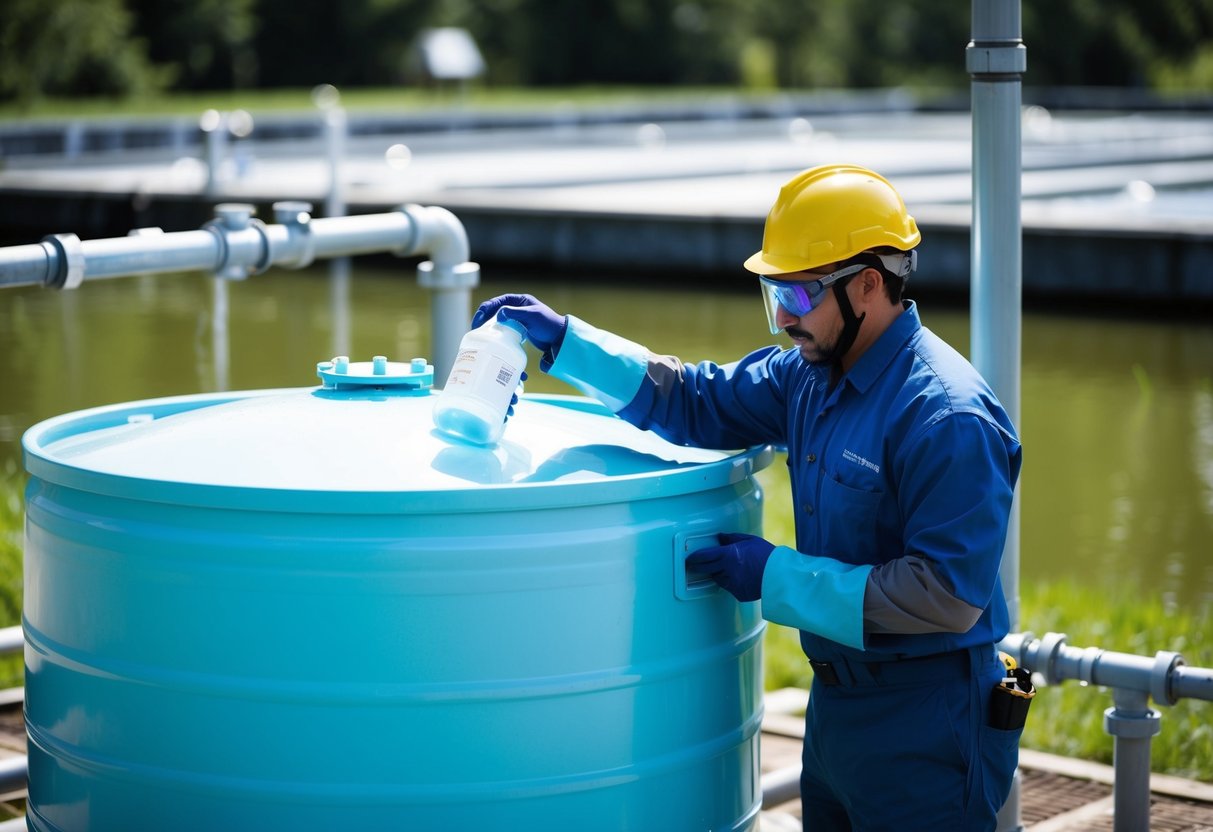
Keeping drinking water safe from dibromochloromethane requires action from water treatment facilities and individuals.
Public Awareness and Education
Public education and personal protection play key roles in reducing exposure risks.
Water utilities should inform residents about dibromochloromethane risks. They can send out yearly water quality reports. These reports should explain test results in simple terms. Public health agencies can create fact sheets about the chemical. Schools can teach students about water safety.
Community events allow experts to answer questions. Social media campaigns spread awareness to more people. Local news stories can highlight the issue. The goal is to help people understand without causing panic.
Personal Protection Strategies
Homeowners can take steps to lower dibromochloromethane in their tap water.
Using a carbon filter is one option. These filters can remove the chemical. Letting water sit in an open container helps it evaporate.
Boiling water does not remove dibromochloromethane. In fact, it can increase the concentration. People should avoid drinking hot tap water. Using cold water for cooking is safer.
Regular testing of well water is important for rural homes. If levels are high, experts can suggest solutions. Staying informed about local water quality helps protect families.
Frequently Asked Questions
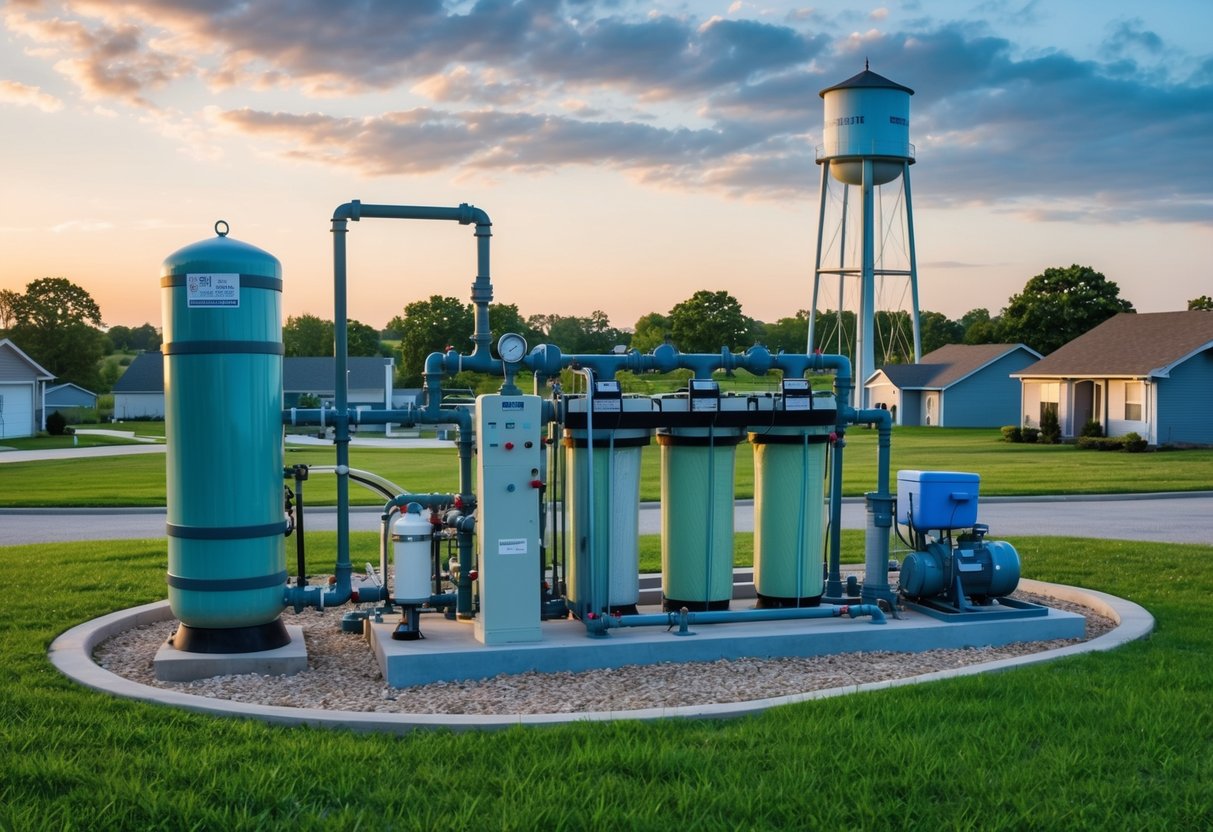
Dibromochloromethane poses health risks when present in drinking water. It can enter water supplies through various means and may be removed using specific treatment methods. Regulations exist to limit its levels in water.
What are the health effects of exposure to dibromochloromethane?
Exposure to dibromochloromethane may cause liver and kidney damage. It is also linked to an increased risk of cancer.
Studies have shown that long-term exposure can lead to reproductive issues. Short-term effects may include dizziness, headaches, and nausea.
How might dibromochloromethane enter the drinking water supply?
Dibromochloromethane often forms as a byproduct of water disinfection. It occurs when chlorine reacts with organic matter in the water.
Industrial runoff can also introduce this chemical into water sources. Agricultural activities may contribute to its presence in groundwater.
What methods are effective for removing dibromochloromethane from water?
Activated carbon filtration is an effective method for removing dibromochloromethane. Reverse osmosis systems can also significantly reduce its levels in water.
Aeration techniques can help remove this chemical from water supplies. UV light treatment may also be used in combination with other methods.
Are there any regulations governing the levels of dibromochloromethane in drinking water?
The Environmental Protection Agency (EPA) regulates dibromochloromethane in drinking water. It sets maximum contaminant levels to protect public health.
Water treatment facilities must regularly test for this chemical. They must report any violations of the established limits to authorities.
What are the potential side effects of consuming water with bromodichloromethane?
Bromodichloromethane exposure may lead to liver and kidney problems. It has been linked to an increased risk of certain cancers.
Some studies suggest it may affect reproductive health. Short-term effects can include irritation of the eyes, nose, and throat.
How does chloroform compare to dibromochloromethane in terms of water contamination risks?
Chloroform is more common in drinking water than dibromochloromethane.
Both are trihalomethanes formed during water disinfection.
Chloroform poses similar health risks to dibromochloromethane. It is also regulated by the EPA to limit exposure through drinking water.