Chlorophyll in drinking water is a topic that has gained attention in recent years. This green pigment found in plants and algae can sometimes make its way into our water supplies.
While it’s not harmful in small amounts, high levels may indicate water quality issues.

Chlorophyll concentrations in drinking water can be used as an indicator of algal growth and potential water quality problems. Water treatment plants monitor chlorophyll levels to ensure safe drinking water for communities.
Too much chlorophyll might mean excess nutrients or algal blooms in the water source.
People often wonder if chlorophyll in water has health benefits. While some claim drinking chlorophyll-rich water is good for you, there’s little scientific evidence to support this.
The main concern with chlorophyll in drinking water is what it might tell us about the overall health of our water sources.
Key Takeaways
- Chlorophyll in drinking water can signal algal growth and potential quality issues
- Water treatment plants monitor chlorophyll levels to ensure safe drinking water
- There’s little evidence that chlorophyll in water offers direct health benefits
Understanding Chlorophyll
Chlorophyll is a vital green pigment found in plants. It plays a key role in photosynthesis and gives plants their characteristic green color.
This molecule has a unique chemical structure that allows it to absorb light energy efficiently.
Chemical Nature of Chlorophyll
Chlorophyll is a complex organic compound. It has a ring structure called a porphyrin, with a magnesium atom at its center. There are several types of chlorophyll, but the most common are chlorophyll a and chlorophyll b.
The chemical formula for chlorophyll a is C55H72MgN4O5. Its structure includes:
- A porphyrin ring
- A long phytol tail
- A central magnesium ion
These features give chlorophyll its light-absorbing properties. The molecule appears green because it absorbs red and blue light while reflecting green light.
Chlorophyll and Photosynthesis
Chlorophyll is crucial for photosynthesis in green plants. It acts as a light-harvesting pigment, capturing energy from sunlight. This energy is then used to drive the photosynthesis process.
During photosynthesis, chlorophyll molecules:
- Absorb light energy
- Excite electrons
- Transfer energy to reaction centers
This process allows plants to convert light energy into chemical energy. The energy is stored in the form of glucose, which plants use for growth and survival.
Chlorophyll is found in chloroplasts, special organelles in plant cells. These chloroplasts contain stacked membrane structures called thylakoids, where the light reactions of photosynthesis occur.
Chlorophyll in the Human Diet
Chlorophyll is a green pigment found in plants that plays a crucial role in photosynthesis. It’s also present in many foods we eat and is available as a supplement.
Sources of Dietary Chlorophyll
Leafy greens are the main source of chlorophyll in our diet. Spinach, kale, and collard greens are especially rich in this compound.
Other good sources include:
- Wheatgrass
- Parsley
- Broccoli
- Green beans
These foods not only provide chlorophyll but also offer other health benefits. They’re packed with vitamins, minerals, and fiber.
Algae like spirulina also contain high levels of chlorophyll. Many people add spirulina powder to smoothies or take it as a supplement.
Liquid Chlorophyll and Supplements
Liquid chlorophyll has gained popularity as a health supplement. It’s often made from chlorophyllin, a water-soluble form of chlorophyll.
People take it for various reasons, including:
- Improving skin health
- Boosting energy levels
- Aiding in detoxification
Chlorophyll supplements come in different forms. These include tablets, capsules, and liquid drops.
It’s important to note that the body may not absorb chlorophyll from supplements as well as from whole foods. The bioavailability of supplements may differ from natural chlorophyll in our diet.
Always consult a healthcare provider before starting any new supplement regimen.
Health Benefits of Chlorophyll
Chlorophyll offers several health advantages when consumed in drinking water or other forms. It can support the body in various ways, from boosting detoxification to potentially fighting cancer.
Detoxification and Antioxidant Properties
Chlorophyll acts as a powerful antioxidant in the body. It helps neutralize harmful free radicals that can damage cells. This green pigment also aids in detoxification by binding to toxins and heavy metals.
Chlorophyll can assist the liver in processing and removing these harmful substances from the body. This detoxifying effect may help reduce the risk of certain diseases and promote overall health.
Some studies suggest chlorophyll might protect DNA from damage caused by toxic compounds. This protection could potentially lower cancer risk and slow aging processes.
Skin Health and Acne Reduction
Chlorophyll may improve skin health and reduce acne. Its anti-inflammatory properties can help calm irritated skin and reduce redness.
Some people use chlorophyll-based products topically or drink chlorophyll water to combat acne. The antioxidant effects may protect skin cells from damage and promote healing.
Chlorophyll might also speed up wound healing. This could be beneficial for those with skin conditions or slow-healing injuries.
Weight Loss and Metabolism Impact
Some research suggests chlorophyll might aid in weight loss efforts. It may help control hunger and reduce cravings, making it easier to stick to a diet.
Chlorophyll could potentially boost metabolism. A faster metabolism can help the body burn calories more efficiently, supporting weight management goals.
Some studies indicate chlorophyll might help regulate blood sugar levels. Stable blood sugar can prevent energy crashes and reduce unhealthy snacking.
Anemia and Red Blood Cell Production
Chlorophyll has a structure similar to hemoglobin, the protein in red blood cells that carries oxygen. This similarity led to research on chlorophyll’s potential to treat anemia.
Some studies suggest chlorophyll might stimulate red blood cell production. More red blood cells can improve oxygen transport throughout the body.
Increased oxygen delivery to tissues could boost energy levels and overall health. However, more research is needed to confirm these effects.
Immune System Enhancement
Chlorophyll may help strengthen the immune system. Its antioxidant properties can protect immune cells from damage.
Some research indicates chlorophyll might stimulate the production of white blood cells. These cells are crucial for fighting off infections and diseases.
Chlorophyll’s anti-inflammatory effects could also support immune function. Reducing chronic inflammation allows the immune system to work more effectively.
Cancer Prevention and Tumor Reduction
Early research suggests chlorophyll might have cancer-fighting properties. It may help prevent the formation of carcinogens in the body.
Some studies indicate chlorophyll could slow tumor growth. It might interfere with cancer cell metabolism and reduce their ability to spread.
Chlorophyll’s antioxidant properties may protect healthy cells from DNA damage. This protection could lower the risk of cells becoming cancerous.
While these results are promising, more research is needed to fully understand chlorophyll’s role in cancer prevention and treatment.
Risks and Considerations

Chlorophyll in drinking water can have some side effects and may interact with certain medications. It’s important to be aware of these potential issues when consuming chlorophyll-containing water.
Potential Side Effects
Drinking water with chlorophyll may cause changes in urine color, usually turning it green. This is harmless but can be surprising.
Some people might experience digestive issues. These can include loose stools or stomach cramps.
While rare, nausea may occur in sensitive individuals. It’s usually mild and temporary.
Chlorophyll can act as an antioxidant in the body. For most people, this is beneficial. But in high doses, it might interfere with other antioxidants.
Interactions with Medications
Chlorophyll may interact with drugs that increase light sensitivity. This could lead to skin reactions in sunlight.
It might affect how quickly the liver breaks down certain medications. This could change their effectiveness.
People taking blood-thinning drugs should be cautious. Chlorophyll has vitamin K, which can interfere with these medications.
Some claim chlorophyll can detoxify the body. But there’s little scientific proof for this. It’s best not to rely on it for detox purposes.
Integrating Chlorophyll into Your Lifestyle
Adding chlorophyll to your daily routine can be simple and beneficial. There are several ways to increase your chlorophyll intake through natural foods, supplements, and recipes.
Incorporating Chlorophyll Through Natural Sources
Green plants are excellent sources of chlorophyll. Leafy vegetables like spinach, kale, and collard greens contain high levels of this nutrient. Eating these foods raw or lightly cooked helps preserve their chlorophyll content.
Fruits and vegetables with green skins, such as green apples and cucumbers, also provide chlorophyll. Herbs like parsley, cilantro, and mint are chlorophyll-rich and easy to add to meals.
A plant-based diet can significantly increase chlorophyll intake. Try adding a green salad to lunch or dinner, or blending green smoothies for breakfast.
Enhanced Beverages: Chlorophyll Water and Drops
Chlorophyll water is a simple way to boost chlorophyll intake. It’s made by adding chlorophyll drops to plain water. These drinks are often found in health food stores.
Liquid chlorophyll supplements, or chlorophyll drops, can be added to any beverage. They’re convenient for those who struggle to eat enough greens.
Chlorophyllin, a water-soluble form of chlorophyll, is often used in these products. It’s easily absorbed by the body.
Chlorophyll-Rich Recipes and Meal Planning
Incorporating chlorophyll-rich foods into meals can be tasty and creative.
Try a green smoothie bowl for breakfast, topped with chia seeds and berries.
For lunch, make a spinach and avocado wrap or a kale Caesar salad.
Dinner could include a side of sautéed greens or a pesto pasta made with fresh basil.
Snack on green apples with almond butter or cucumber slices with hummus. These options provide chlorophyll along with other nutrients.
Meal prep can help ensure a steady intake of chlorophyll-rich foods throughout the week.
Wash and chop greens in advance for quick salads and smoothies.
Frequently Asked Questions
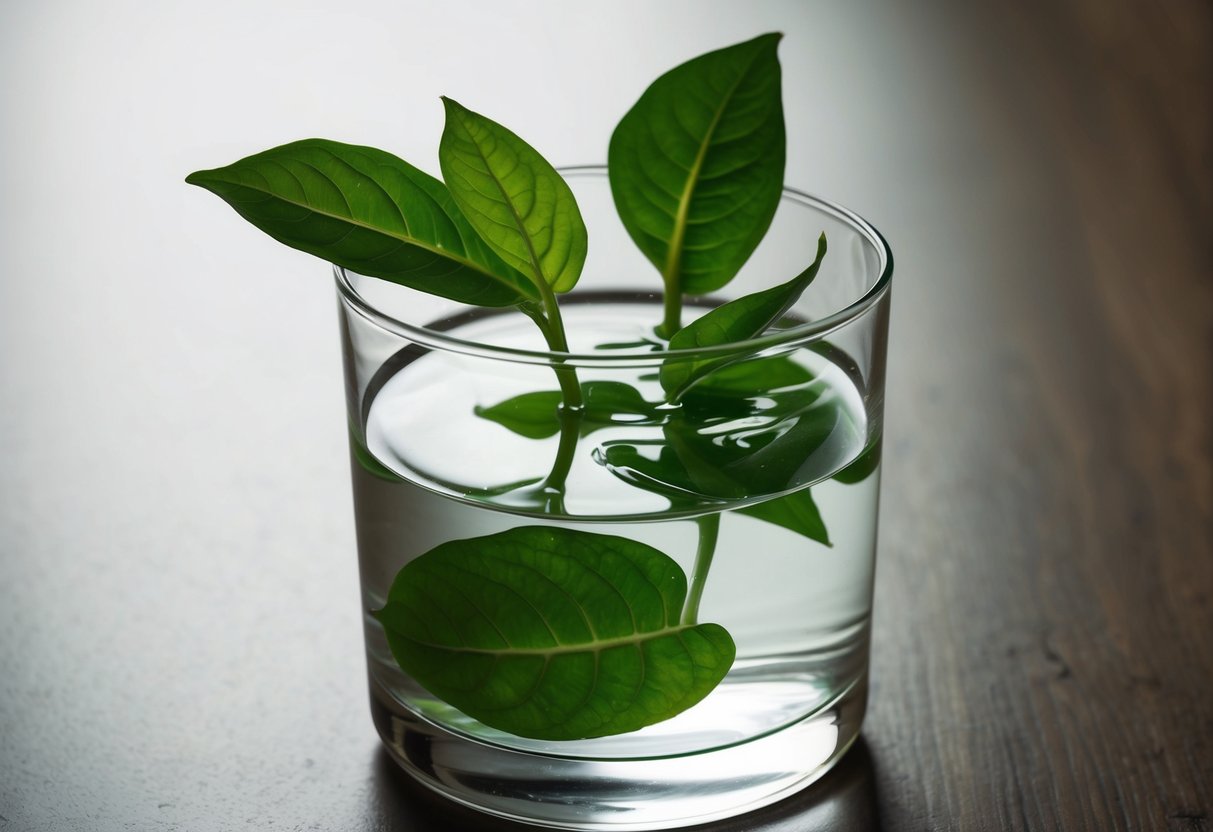
Chlorophyll in drinking water has sparked interest due to its potential effects on health. People have questions about its benefits, side effects, and impact on the body’s chemistry.
What are the potential health benefits of drinking chlorophyll-infused water?
Chlorophyll-infused water may offer some health benefits.
It might help with detoxification and wound healing. Some believe it can boost energy levels and improve digestion.
Proponents claim it may help reduce body odor. There’s also interest in its potential to support weight management.
Are there any known side effects associated with consuming chlorophyll in water?
Consuming chlorophyll in water is generally considered safe for most people.
Some may experience mild side effects like digestive discomfort or green-tinted stools.
In rare cases, it might cause skin irritation or allergic reactions. It’s best to start with small amounts to see how the body reacts.
Can chlorophyll in drinking water impact the pH balance of the body?
Chlorophyll in drinking water likely has minimal impact on the body’s pH balance.
The body tightly regulates its pH levels through various mechanisms.
While chlorophyll is alkaline, the amount typically consumed in water is not enough to significantly alter overall body pH.
How does chlorophyll consumption differ between men and women in terms of benefits?
There’s limited research on gender-specific benefits of chlorophyll consumption.
Both men and women may experience similar general effects from drinking chlorophyll-infused water.
Some women report using it to help with menstrual symptoms, but scientific evidence is lacking. More studies are needed to determine any gender-specific advantages.
Is there a risk of adverse effects when consuming too much chlorophyll in water?
Consuming excessive amounts of chlorophyll in water may lead to digestive issues.
These can include nausea, vomiting, or diarrhea.
It’s important to follow recommended dosages. People with certain health conditions should consult a doctor before adding chlorophyll to their diet.
Does incorporating chlorophyll into your diet have a detoxifying effect on the body?
Some claim chlorophyll has detoxifying properties. It may help remove toxins from the body, though scientific evidence is limited.
Chlorophyll might support the liver’s natural detoxification processes. However, more research is needed to confirm its effectiveness as a detoxifying agent.