Chloroform in drinking water is a concern that affects many communities. This chemical can form when water treatment plants use chlorine to disinfect water supplies.
Long-term exposure to chloroform in drinking water may increase the risk of certain cancers and harm the liver and kidneys.
Studies have shown that even low levels of chloroform can potentially cause health issues over time.
Water utilities monitor chloroform levels to keep them below legal limits, but some experts argue that current standards may not be strict enough to fully protect public health.
Removing chloroform from water can be challenging. Activated carbon filters can help reduce levels in home tap water.
Public water systems also use techniques to minimize chloroform formation during the treatment process. Ongoing research aims to find better ways to provide safe, clean drinking water without harmful byproducts.
Key Takeaways
- Chloroform in drinking water forms as a byproduct of chlorine disinfection
- Long-term exposure may increase cancer risk and damage organs
- Water treatment plants and home filters can help reduce chloroform levels
Understanding Chloroform
Chloroform is a common chemical found in drinking water. It forms when chlorine used to disinfect water reacts with organic matter. Chloroform belongs to a group of chemicals called trihalomethanes.
Chemical Properties
Chloroform is a colorless liquid with a sweet odor. Its chemical formula is CHCl3. At room temperature, it evaporates easily into the air.
Chloroform does not dissolve well in water. It sinks to the bottom of water containers. The chemical breaks down slowly in the environment.
Chloroform can enter the body through drinking water. It also absorbs through the skin and lungs. The liver breaks down chloroform in the body.
Sources of Chloroform
The main source of chloroform in drinking water is water treatment. Chlorine added to kill germs reacts with natural organic matter. This forms chloroform and other trihalomethanes.
Chloroform can also come from:
- Industrial waste
- Septic tanks
- Soil bacteria
Some chloroform in water comes from natural sources. Algae and other plants make small amounts. Forest fires produce chloroform that gets into water.
Water utilities try to reduce chloroform levels. They do this by removing organic matter before adding chlorine. Some use alternative disinfection methods.
Health Effects of Chloroform Exposure
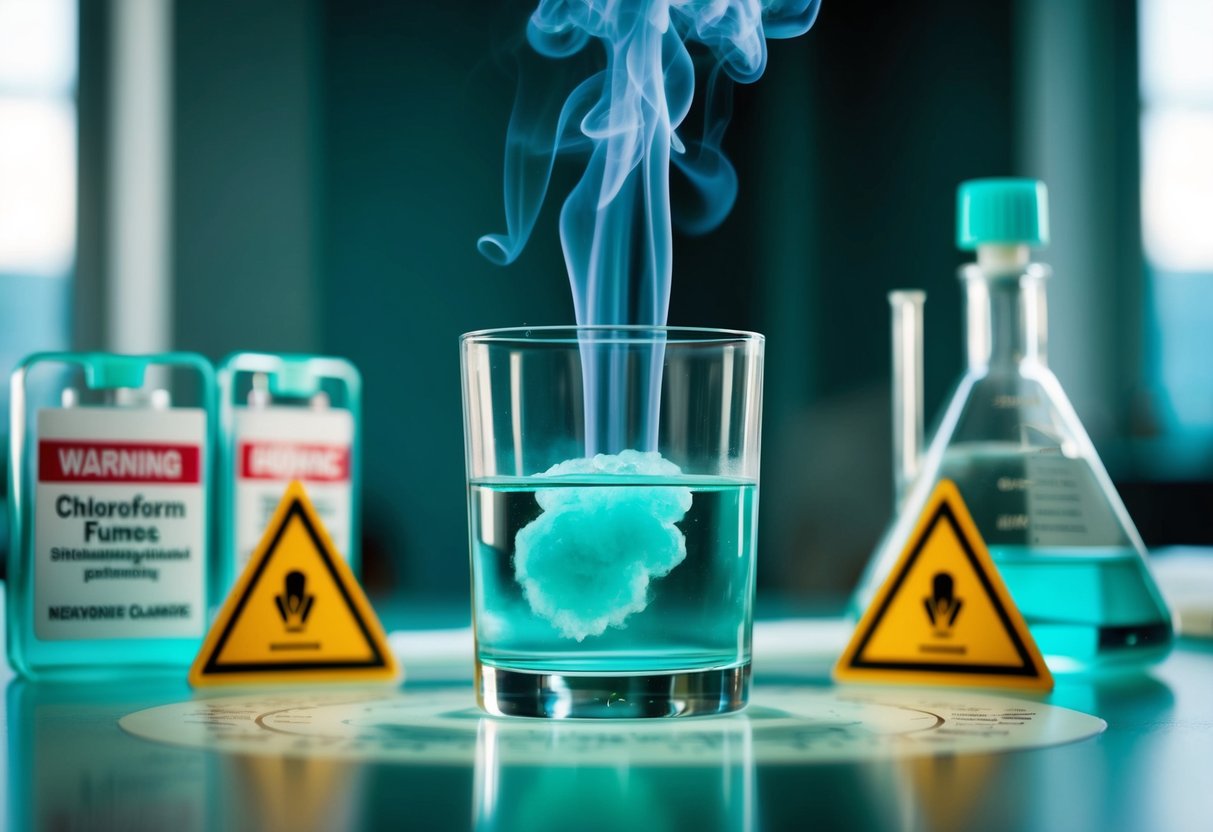
Chloroform in drinking water can have serious health impacts. Exposure can cause both short-term and long-term effects, with risks ranging from mild irritation to potential cancer development.
Short-Term Exposure Risks
Brief contact with chloroform can lead to several health issues. It may cause skin irritation and dryness. Breathing in chloroform vapors can irritate the nose, throat, and lungs.
Higher levels of exposure may result in dizziness, fatigue, and headaches.
In some cases, people may experience nausea or vomiting. Very high levels can even cause loss of consciousness.
The liver and kidneys are also at risk. Short-term exposure can lead to temporary liver and kidney problems.
Long-Term Exposure and Cancer Risk
Long-term exposure to chloroform in drinking water raises more serious health concerns. Studies have linked prolonged chloroform exposure to an increased risk of certain cancers.
The liver and kidneys face the greatest risk. Chronic exposure can lead to liver and kidney damage over time. This damage may increase the risk of cancer in these organs.
Chloroform is considered a potential human carcinogen. Research suggests it may contribute to bladder and colorectal cancer risk. However, more studies are needed to fully understand the link.
Central Nervous System Impact
Chloroform exposure can affect the central nervous system. It acts as a depressant, slowing down brain activity. This can lead to various neurological symptoms.
Common effects include:
- Drowsiness
- Confusion
- Lack of coordination
- Dizziness
In severe cases, it may cause unconsciousness or even coma. Long-term exposure might lead to lasting neurological damage. Memory problems and difficulty concentrating are possible outcomes.
The exact impact depends on the level and duration of exposure. Individual factors like age and overall health also play a role.
Regulatory Standards for Chloroform

Chloroform in drinking water is subject to strict regulations to protect public health. These standards set limits on acceptable levels and require regular testing to ensure compliance.
Environmental Protection Agency (EPA) Guidelines
The EPA sets guidelines for chloroform in drinking water through the National Primary Drinking Water Regulations. These rules aim to limit exposure to potentially harmful chemicals.
Chloroform is regulated as part of a group called trihalomethanes (THMs). The EPA considers the combined concentration of all THMs when setting limits.
Public water systems must follow these guidelines to ensure safe drinking water. The EPA reviews and updates these standards periodically based on new scientific data.
Maximum Contaminant Levels (MCL)
The MCL is the highest level of a contaminant allowed in drinking water. For total trihalomethanes, including chloroform, the MCL is 0.080 milligrams per liter (mg/L) or 80 parts per billion.
This limit applies to the average of samples taken over a year. Water systems must take multiple samples to calculate this average.
The MCL aims to balance health protection with feasibility and cost considerations. It is set as close as possible to the level with no known health effects.
Monitoring and Compliance
Water systems must regularly test for chloroform and other THMs. The frequency of testing depends on the size of the system and previous results.
Large systems typically test quarterly, while smaller systems may test less often. Systems must report their results to state regulatory agencies.
If a system exceeds the MCL, it must notify the public and take steps to reduce THM levels. This may include changes to water treatment processes or source water.
Compliance with these standards is crucial for protecting public health. Water systems work closely with regulators to ensure safe drinking water for their communities.
Chloroform in Water Treatment Processes
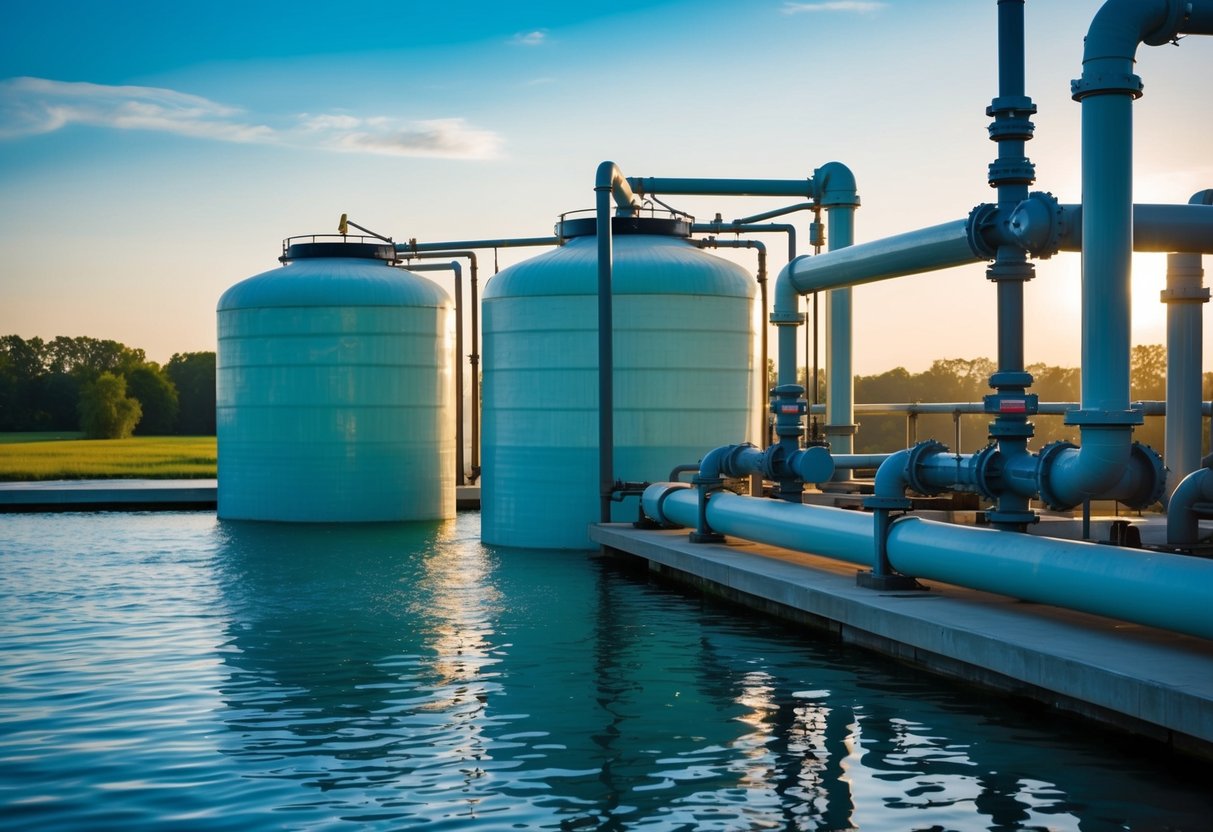
Chloroform forms during water treatment as a byproduct of disinfection. Its levels can be controlled through careful management of treatment processes. Water utilities must balance effective disinfection with minimizing harmful byproducts.
Disinfection Practices
Water treatment plants use disinfection to kill harmful microbes. Chlorination is a common disinfection method for drinking water. Chlorine-based disinfectants react with organic matter in the water.
Other disinfection options include:
- Ultraviolet (UV) light
- Ozone
- Chloramine
Each method has pros and cons. Chlorine is effective and low-cost but can form byproducts. UV and ozone don’t leave residuals to prevent regrowth.
Utilities often use multiple barriers. They may combine methods or use chlorine as a secondary disinfectant.
Formation of Disinfection Byproducts
Disinfection byproducts (DBPs) form when disinfectants react with organic matter. Chloroform is a type of DBP called a trihalomethane (THM).
Factors affecting chloroform formation:
- Amount of organic matter
- Type and dose of disinfectant
- Contact time
- Temperature
- pH
Coagulation, flocculation, and filtration can reduce organic matter before disinfection. This helps lower DBP formation.
Controlling Chloroform Levels
Water utilities use several strategies to limit chloroform and other DBPs:
- Remove organic matter before disinfection
- Use alternative disinfectants
- Optimize disinfectant dose and contact time
- Enhance removal of DBPs after formation
Adsorption with activated carbon can remove chloroform from treated water. Ion exchange is another option.
Utilities monitor THM levels regularly. They must meet regulatory limits for public health protection.
Balancing disinfection and DBP control is an ongoing challenge. Research continues on improving treatment processes.
Detection and Measurement of Chloroform
Chloroform is a common water contaminant that requires careful monitoring. Testing methods aim to detect its presence and measure its concentration in drinking water supplies.
Water Quality Testing
Gas chromatography is a key technique for detecting chloroform in water. This method can find very small amounts, down to parts per billion.
Labs use special tools like flame ionization detectors or electron capture detectors with the gas chromatograph. These help spot chloroform molecules.
Some places have tried simpler ways to test for chloroform. One study looked at a colorimetric method that changes color when chloroform is present. This could make testing easier in some cases.
Regular testing is important. Water suppliers check their water often to make sure it’s safe. They look for chloroform and other chemicals that might be harmful.
Total Trihalomethanes (TTHMs) Measurement
TTHMs include chloroform and similar chemicals. The EPA sets limits on TTHMs in drinking water. Water systems must test for these regularly.
The standard method for measuring TTHMs is EPA Method 551.1. It uses gas chromatography to find the total amount of these chemicals.
TTHM levels in drinking water can vary. Some studies have found amounts from 0.022 to 0.068 mg/L. The EPA limit is 0.080 mg/L.
Water treatment plants work to keep TTHM levels low. They might change how they clean the water if levels get too high. This helps protect people’s health.
Treatment and Removal of Chloroform
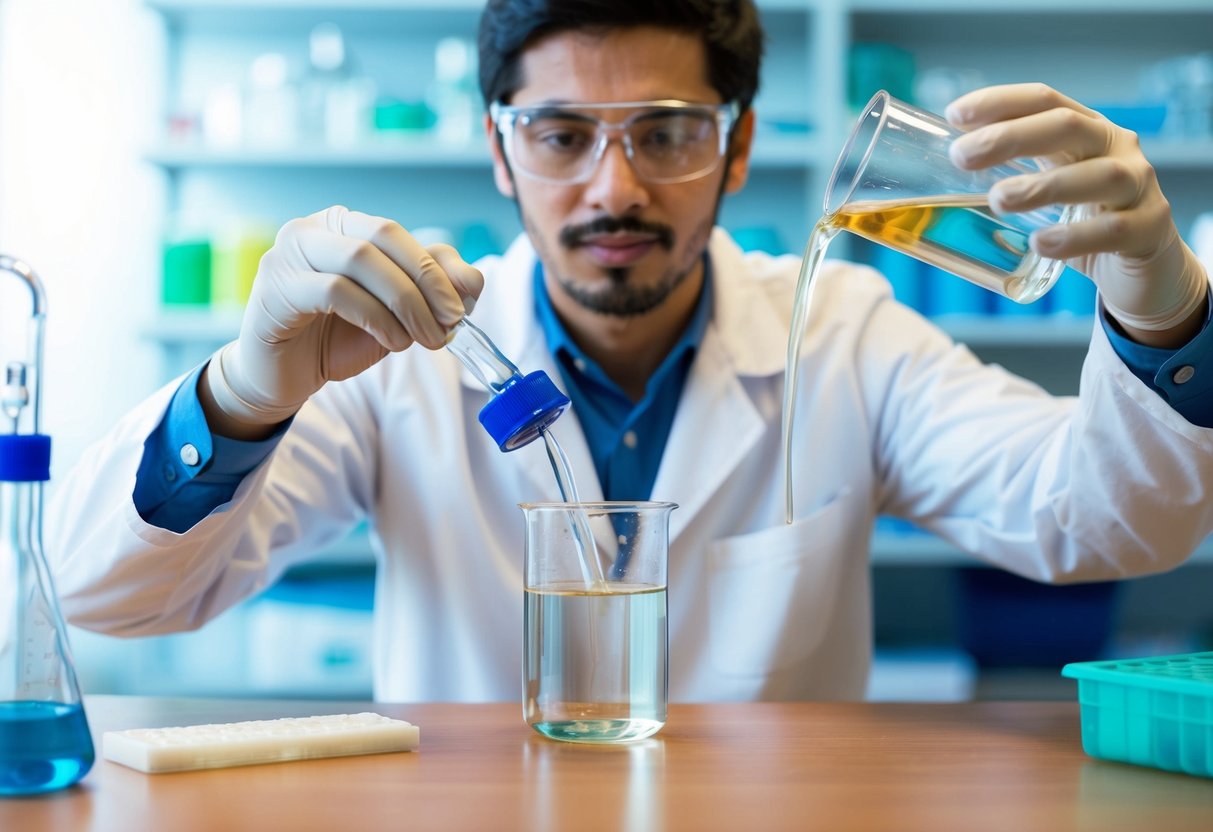
Removing chloroform from drinking water requires specific methods. Some techniques can be done at home, while others need advanced equipment.
At-Home Water Treatment
Activated carbon filters are effective for chloroform removal at home. These filters use special carbon to trap chloroform molecules.
Boiling water can help reduce chloroform levels. The chemical evaporates faster than water when heated.
Letting water sit in an open container allows chloroform to evaporate naturally. This process takes several hours.
Reverse osmosis systems can remove up to 99% of chloroform. These systems force water through a special membrane, leaving contaminants behind.
Advanced Water Treatment Technologies
Water treatment plants use powerful methods to remove chloroform. Aeration is one common technique. It involves bubbling air through water to strip out chloroform.
UV light treatment breaks down chloroform molecules. This method is often combined with other treatments for better results.
High-energy electron beam irradiation can remove chloroform effectively. This advanced method uses a beam of electrons to break down contaminants.
Some plants use alternative disinfectants like chloramine or chlorine dioxide. These chemicals form fewer byproducts like chloroform compared to regular chlorine.
Chloroform and Public Water Systems
Chloroform in drinking water is a concern for public health. Water utilities must follow regulations to keep levels low. They also need to inform consumers about water quality and health guidelines.
Regulations and Water Utilities
Water utilities must test for and control chloroform levels in drinking water. The U.S. Environmental Protection Agency sets limits on total trihalomethanes, including chloroform.
These rules apply to community water systems that serve over 75,000 people. Smaller systems may have different requirements.
Water treatment plants use various methods to reduce chloroform:
- Improved filtration
- Alternative disinfectants
- Removal of organic matter
Regular testing helps utilities track chloroform levels. They must report results to regulators and take action if levels are too high.
Consumer Information and Health Guideline Communication
Water utilities must inform customers about chloroform and other contaminants in their drinking water. This includes sending annual water quality reports.
These reports show:
- Chloroform levels detected
- Health effects of exposure
- Actions taken to reduce levels
The World Health Organization (WHO) provides health guidelines for chloroform in drinking water. These help utilities and health agencies set safe limits.
Consumers can ask their water utility for more information. Some utilities offer:
- Online water quality data
- Tours of treatment plants
- Educational programs
This helps people understand the steps taken to keep their water safe.
Preventive Measures and Consumer Actions
Reducing personal exposure to chloroform in drinking water and engaging in community advocacy are key steps for protecting health. These actions can help limit contact with this potentially harmful substance.
Reducing Personal Exposure
People can take steps at home to lower their contact with chloroform in tap water. Using a carbon filter can help remove chloroform. These filters come in pitcher or faucet-mounted styles.
Letting water sit in an open container for a few hours allows chloroform to evaporate. This works well for drinking water.
Taking shorter, cooler showers cuts down on chloroform inhalation. Hot showers create more steam, which can contain chloroform.
When doing laundry or dishes, using cold water reduces chloroform release. Hot water causes more of the chemical to enter the air.
Community Engagement and Advocacy
People can work together to push for cleaner water. Attending local water board meetings lets residents voice concerns. Asking for water quality reports helps track chloroform levels.
Supporting water treatment upgrades can lead to safer tap water. Some places use methods that don’t need chlorine, cutting chloroform risks.
Backing laws for stricter water testing helps catch problems early. This can prevent high chloroform levels before they happen.
Sharing info about water quality builds community awareness. This encourages more people to take action for cleaner water.
Future Challenges and Research Directions
New threats to drinking water safety are emerging. Scientists are working to understand these issues and develop better ways to protect public health.
Emerging Contaminants Like PFAS
PFAS and GenX chemicals pose growing concerns for drinking water. These synthetic compounds can persist in the environment for long periods. They may cause health problems even at low levels.
Current water treatment methods often fail to remove PFAS completely. Researchers are testing new technologies like activated carbon filtration and reverse osmosis. These may prove more effective at eliminating PFAS.
More studies are needed on the health effects of long-term PFAS exposure. This will help set appropriate safety limits. Improved detection methods are also vital. They will allow water systems to identify contamination quickly.
Epidemiological Studies and Regulations
Large-scale epidemiological studies are crucial for understanding water contaminants‘ health impacts. These studies track populations over time to find links between exposure and disease.
For chloroform and other disinfection byproducts, more research is needed on:
- Cancer risks from long-term exposure
- Effects on pregnancy outcomes
- Impacts on children’s development
Results will inform updated drinking water regulations. Regulators face challenges in balancing disinfection needs with byproduct risks.
New analytical techniques are improving our ability to detect microbial contaminants. This may lead to revised standards for water-borne pathogens. Ensuring consistent compliance across water systems remains an ongoing challenge.
Frequently Asked Questions
Chloroform in drinking water raises concerns about health effects, sources, removal methods, and regulations. People often wonder about potential risks, how it enters water supplies, and ways to detect or eliminate it.
What health risks are associated with chloroform exposure in drinking water?
Long-term exposure to chloroform in drinking water may increase the risk of certain cancers. Studies have found links between chloroform and higher rates of bladder and colorectal cancer.
Chloroform can also affect the liver, kidneys, and central nervous system. Short-term exposure to high levels may cause dizziness, fatigue, and headaches.
How can chloroform enter into a public or private drinking water supply?
Chloroform often forms as a byproduct of water disinfection processes. When chlorine is added to water, it can react with organic matter to create chloroform.
Industrial discharges and improper waste disposal can also introduce chloroform into water sources. Leaks from storage tanks or spills may contaminate groundwater supplies.
What methods are effective for removing chloroform from tap water?
Activated carbon filters can be effective at removing chloroform from drinking water. These filters adsorb organic compounds like chloroform.
Reverse osmosis systems can also reduce chloroform levels. Boiling water or letting it stand may help some chloroform evaporate, but these methods are less reliable.
What are the regulatory standards for chloroform levels in potable water?
The U.S. Environmental Protection Agency sets a maximum contaminant level goal of zero for chloroform in drinking water. The enforceable standard is 80 parts per billion for total trihalomethanes, which includes chloroform.
Many countries have similar standards. Regular testing helps ensure water supplies meet these limits.
How does the presence of chloroform in well water differ from municipal water sources?
Well water typically contains less chloroform than municipal water. This is because well water is not usually chlorinated, reducing the chance for chloroform formation.
However, if a well is contaminated by industrial runoff or other sources, chloroform levels could be high. Regular testing of private wells is important.
What symptoms might indicate the presence of chloroform in water?
Chloroform itself does not cause noticeable symptoms at low levels in drinking water. There is no taste, smell, or visual sign that indicates its presence.
Water quality testing is the only reliable way to detect chloroform. If people experience unexplained health issues, they should have their water tested.