Chloride is a common element found in drinking water. It’s a natural part of many water sources.
People often wonder about its effects on health and taste.
Most drinking water has safe levels of chloride. The amount varies depending on where you live.
Some areas have higher levels due to natural causes or human activities.
Chloride can affect how water tastes. High levels may make water taste salty. It can also impact pipes and appliances over time.
Water treatment plants work to keep chloride at acceptable levels.
Key Takeaways
- Chloride occurs naturally in most drinking water sources
- Safe levels of chloride don’t harm health but can affect taste
- Water treatment helps control chloride in drinking water
Chloride Basics
Chloride plays a key role in drinking water. It affects taste and can come from natural and human-made sources.
Understanding chloride helps us grasp its impact on water quality.
Definition and Role of Chloride
Chloride is a negatively charged ion found in water. It’s essential for life and helps maintain proper fluid balance in the body. In drinking water, chloride is usually paired with sodium, calcium, or magnesium.
Chloride has no color or smell. People can often taste it in water when levels get high.
The taste threshold for chloride is around 250 mg/L. At 1000 mg/L, most people find the taste unpleasant.
While chloride is vital for health, too much can cause problems. High levels may:
- Make water taste salty
- Corrode pipes and appliances
- Harm plants if used for irrigation
Sources of Chloride in Water
Chloride enters water from natural and human activities. Natural sources include:
- Rocks and soil erosion
- Salt deposits
- Seawater intrusion in coastal areas
Human-made sources add significant amounts of chloride to water. These include:
- Road salt for deicing
- Water softeners
- Sewage and septic systems
- Industrial processes
Reducing chloride discharges is important for protecting water quality.
Some areas are looking at alternatives to road salt and better management of water softeners.
Chloride levels in drinking water vary by location. Urban areas often have higher levels due to human activities. Rural areas may have lower levels unless natural sources are present.
Health Impacts of Chloride in Drinking Water
Chloride in drinking water can affect human health in various ways. It plays a role in bodily functions but may also pose risks at high levels. Understanding the balance is key for safe water consumption.
Benefits of Chloride for Health
Chloride is an essential electrolyte for the human body. It helps maintain proper fluid balance and blood volume. Chloride also aids in digestion by forming hydrochloric acid in the stomach.
The body uses chloride to regulate blood pressure. It’s crucial for nerve and muscle function. Chloride supports the immune system by helping white blood cells fight infections.
In drinking water, chloride can improve taste. Some people find water with small amounts of chloride more palatable than pure distilled water.
Risks and Health Concerns
High chloride levels in drinking water may lead to health issues.
Excess chloride intake can cause dehydration and electrolyte imbalance.
People with heart or kidney problems might be more sensitive to high chloride levels. Large amounts of chloride may affect blood pressure and heart function.
Chloride can react with organic matter in water to form harmful byproducts. These compounds might increase cancer risk over long-term exposure.
High chloride levels can corrode pipes, leading to metal contamination in drinking water. This may cause additional health risks from heavy metals.
Recommended Chloride Levels
The World Health Organization doesn’t set a health-based guideline for chloride in drinking water.
They suggest levels below 250 mg/L for taste.
The U.S. Environmental Protection Agency sets a secondary standard of 250 mg/L for chloride. This is based on taste and odor, not health effects.
Dietary reference intakes suggest adults need 1.8-2.3 grams of chloride per day.
Most people get enough chloride from food and don’t need extra from water.
Regular testing of drinking water can help monitor chloride levels. If levels are high, water treatment options are available to reduce chloride content.
Water Treatment Processes
Drinking water treatment involves various methods to remove contaminants and ensure safe consumption. These processes aim to eliminate harmful substances, including chloride, and improve water quality through different techniques.
Conventional Treatment Methods
Conventional treatment processes typically include coagulation, flocculation, sedimentation, and filtration.
Coagulants like aluminum sulfate (alum) or poly-aluminum chloride are added to water to bind small particles together. This forms larger particles called flocs.
The flocs then settle to the bottom of tanks in a process called sedimentation. After sedimentation, the water passes through filters to remove remaining particles.
Common filter materials include sand, gravel, and activated carbon.
Disinfection is the final step. Chlorine is a widely used disinfectant that kills harmful microorganisms. Other options include ultraviolet light and ozone treatment.
Advanced Treatment Options
Advanced treatment methods offer additional ways to purify water.
Reverse osmosis forces water through a semi-permeable membrane, removing many contaminants including chloride. This process is effective but can be energy-intensive.
Ion exchange systems use resin beads to swap ions, reducing levels of certain minerals and salts. This method is particularly useful for softening water and removing specific ions like chloride.
Activated carbon filtration excels at removing organic compounds and improving taste and odor. It can also help reduce chlorine levels after disinfection.
Membrane filtration, such as ultrafiltration and nanofiltration, provides effective barriers against various contaminants. These processes use different pore sizes to target specific types of impurities in the water.
Regulations and Standards
Chloride levels in drinking water are regulated by both domestic and international standards. These guidelines aim to ensure water safety and quality for consumers.
Domestic Regulations
In the United States, the Environmental Protection Agency (EPA) sets standards for chloride in drinking water.
The EPA has established a secondary maximum contaminant level for chloride at 250 mg/L. This level is not enforced but serves as a guideline for aesthetic concerns.
States may have their own regulations that are stricter than federal standards. For example, California has set a recommended maximum level of 250 mg/L and an upper limit of 500 mg/L for chloride in drinking water.
Water utilities must regularly test and report chloride levels to ensure compliance with these standards.
International Guidelines
The World Health Organization (WHO) provides global guidelines for drinking water quality, including recommendations for chloride levels.
WHO does not set a health-based guideline for chloride but notes that levels above 250 mg/L can affect taste.
Many countries base their national standards on WHO guidelines. For instance, the European Union’s Drinking Water Directive sets a parametric value of 250 mg/L for chloride.
Some nations have stricter limits. Japan, for example, has set its standard for chloride in drinking water at 200 mg/L.
Regular monitoring and reporting of chloride levels are common requirements in international regulations to ensure water quality and safety.
Testing and Monitoring Chloride Levels
Water treatment facilities regularly check chloride levels in drinking water. They use various methods to ensure the water is safe and tastes good.
One common way to test for chloride is the argentometric method. This test uses silver nitrate to measure chloride concentrations.
Another option is ion-selective electrodes. These devices can quickly detect chloride ions in water samples.
Colorimetric tests are also popular. They use chemical reactions that change color based on chloride levels.
Many water treatment plants now use online analyzers for continuous monitoring. These tools provide real-time data on chloride concentrations.
Portable test kits allow field technicians to check chloride levels on-site. This helps identify problems in the distribution system quickly.
The World Health Organization suggests chloride levels in drinking water should not exceed 250 mg/L. Higher levels can affect taste and corrode pipes.
Regular testing helps ensure water quality meets safety standards. It also helps detect any sudden changes that might indicate contamination.
Water treatment experts use this data to adjust their processes as needed. This keeps drinking water safe and pleasant-tasting for consumers.
Effects on Plumbing and Appliances
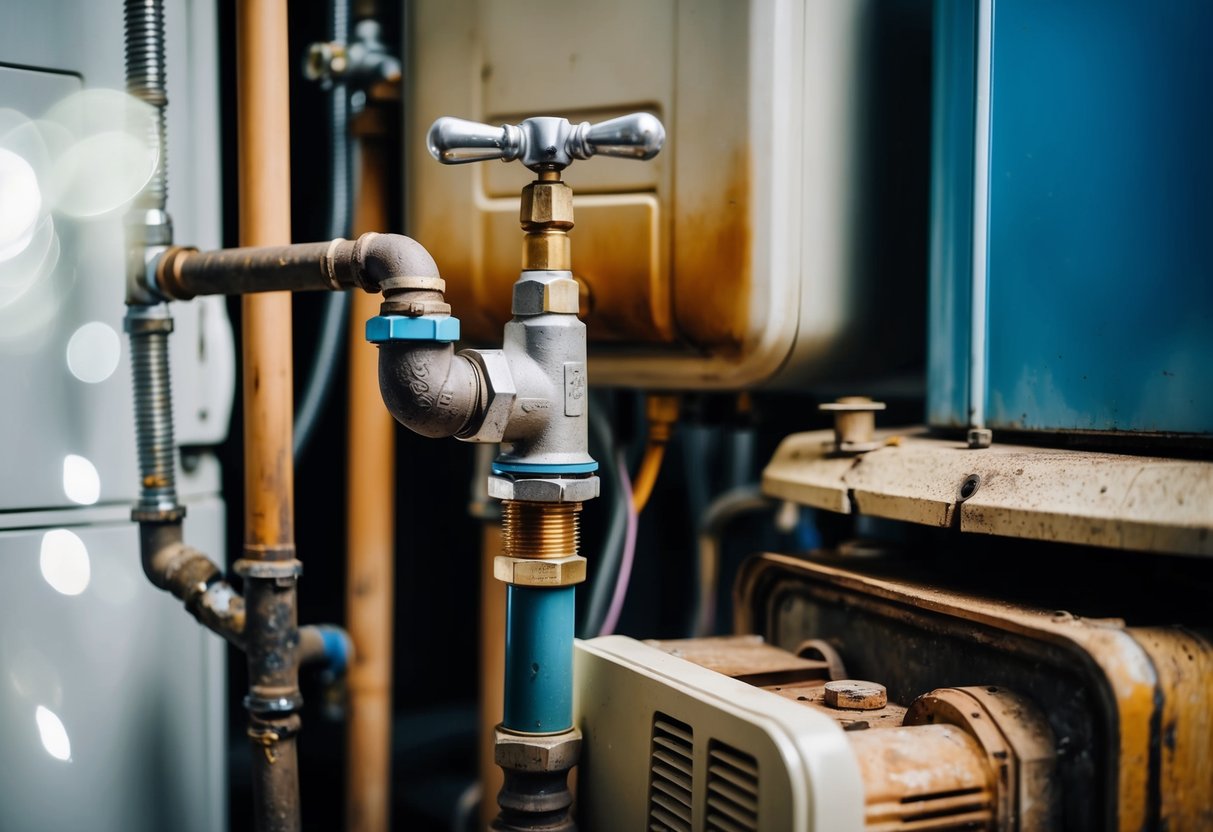
Chloride in drinking water can damage plumbing systems and appliances over time. It corrodes metal pipes, fixtures, and fittings.
High chloride levels cause pitting and weakening of copper and iron pipes. This leads to leaks and pipe failures.
Chloride affects home appliances that use water. It shortens the lifespan of water heaters, dishwashers, and washing machines.
Chloride reacts with metals to form scale buildup inside pipes and appliances. This reduces water flow and efficiency.
Water softeners help remove some chloride, but they impact water quality in other ways. Their use requires careful consideration.
Plastic pipes resist chloride corrosion better than metal. But chloride can still degrade certain plastics over time.
To protect plumbing, experts recommend:
-
Using corrosion-resistant materials
-
Installing water treatment systems
-
Regular maintenance and inspections
-
Flushing pipes after periods of disuse
Monitoring chloride levels helps prevent damage. Water testing can identify problems early before major issues occur.
Public Perception and Education
People’s views on chloride in drinking water vary. Education plays a key role in shaping these opinions. Communities can get involved to improve water safety awareness.
Addressing Misconceptions
Many people worry about chloride in tap water. They may think it’s unsafe or tastes bad. But chloride is often added on purpose to keep water clean.
Water treatment plants use small amounts of chlorine. This kills germs that can make us sick. The chloride left over is not harmful at normal levels.
Some think bottled water is better. In fact, tap water faces more testing. It also has to meet strict safety rules.
Clear facts can change minds. Simple info on water treatment helps people trust their tap water more.
Community Involvement in Water Safety
Local groups can help spread correct info about drinking water. They can work with water companies to share test results.
School trips to water plants teach kids how water is cleaned. This builds trust from a young age.
Towns can hold water tasting events. These show that tap water often tastes as good as bottled water.
Citizen science projects let people test their own water. This hands-on approach builds understanding and trust.
Open houses at water plants let people see the process firsthand. This can ease worries about water safety.
Emerging Research
New studies are looking at better ways to remove chloride from drinking water. Scientists are testing new materials that can trap chloride ions more effectively.
One promising area is using special membranes. These membranes have tiny pores that let water through but block chloride. Researchers are working to make these membranes more efficient and long-lasting.
Another focus is on electrochemical methods to remove chloride. This involves using electricity to pull chloride ions out of water. It may use less energy than other methods.
Some scientists are exploring biological treatments. Certain bacteria can change chloride into harmless compounds. This could be a natural way to clean water.
Researchers are also studying how chloride affects health. They want to know if current safety limits are right. This work may lead to new rules for chloride in drinking water.
New sensing technology is being developed too. It can detect very small amounts of chloride in water. This helps water treatment plants work better.
Scientists are looking at how climate change might increase chloride in water sources. This could affect future water treatment needs.
Frequently Asked Questions
Chloride in drinking water raises several important questions about safety, health effects, and treatment options. The following addresses key concerns related to chloride levels, sources, and impacts on water quality.
What are the safe levels of chloride in drinking water?
The Environmental Protection Agency sets a secondary maximum contaminant level of 250 mg/L for chloride in drinking water. This level is based on taste rather than health concerns.
Higher levels may cause a salty taste but are generally not harmful to health. Some people may notice the taste at levels as low as 100 mg/L.
How can chloride levels in drinking water be reduced?
Reverse osmosis is an effective method for removing excess chloride from water. This process forces water through a semi-permeable membrane, leaving chloride ions behind.
Ion exchange systems can also reduce chloride levels. These systems replace chloride ions with other ions, typically sodium.
What are the health effects of chloride in drinking water?
Chloride in drinking water does not typically cause health problems. Very high levels may lead to a salty taste and increased corrosion of pipes.
People on sodium-restricted diets should be aware that some chloride reduction methods, like ion exchange, can increase sodium levels in water.
What are the normal range values for chloride concentration in drinking water?
Normal chloride levels in fresh drinking water sources usually range from 10 to 250 mg/L. Levels can vary based on geological factors and proximity to saltwater sources.
Municipal water supplies typically maintain chloride concentrations below 250 mg/L to meet taste standards.
How does high chloride content in drinking water occur?
High chloride levels can result from natural sources like rock salt deposits or seawater intrusion in coastal areas. Road salt runoff and water treatment processes can also increase chloride content.
Industrial and agricultural activities may contribute to elevated chloride levels in some water sources.
What is the difference between chloride and chlorine in drinking water?
Chloride is a negatively charged ion found naturally in water. It does not have disinfectant properties and is generally harmless at typical levels.
Chlorine is a disinfectant added to drinking water to kill harmful bacteria. It reacts with water to form hypochlorous acid, which provides the disinfecting action.