Carbonate in drinking water plays a crucial role in water quality and taste. It forms naturally when carbon dioxide dissolves in water, creating carbonic acid. This process leads to the formation of bicarbonate and carbonate ions, which affect the water’s pH level and mineral content.
The amount of carbonate in drinking water impacts its hardness, taste, and potential health effects. Calcium carbonate saturation is an important factor in water supply systems, influencing both water quality and infrastructure maintenance.
Higher levels of carbonate can contribute to scale formation in pipes and appliances, while lower levels may increase water’s corrosiveness.
Carbonate content also affects the corrosion of iron pipes in water distribution systems. The presence of carbonate, along with calcium and pH levels, can impact the formation of protective layers on pipe surfaces. This has implications for both water quality and the longevity of water infrastructure.
Key Takeaways
- Carbonate in drinking water affects its taste, hardness, and pH balance
- Carbonate levels influence scale formation and corrosion in water systems
- Water treatment processes can adjust carbonate content for optimal quality
Chemical Composition of Carbonated Water
Carbonated water contains dissolved carbon dioxide and minerals. Its composition varies based on the type of water and carbonation method used.
Understanding Carbon Dioxide in Water
Carbon dioxide dissolves in water to form carbonic acid. This process gives carbonated water its fizzy taste and slightly acidic nature. The amount of CO2 in carbonated water can range from 1 to 5 volumes, with higher levels creating more bubbles.
When CO2 dissolves in water, it forms carbonic acid (H2CO3). This weak acid partly breaks down into hydrogen ions (H+) and bicarbonate ions (HCO3-). The presence of these ions gives carbonated water a pH between 3 and 4, making it slightly acidic.
The level of carbonation affects the water’s taste and mouthfeel. Highly carbonated waters have a stronger, sharper taste and more intense fizz.
Differences Between Sparkling, Carbonated, and Mineral Waters
Sparkling water can be naturally carbonated from a spring or artificially carbonated. Natural sparkling water contains minerals and gases from its source.
Carbonated water is plain water with added CO2. It may contain small amounts of added minerals for taste.
Mineral water comes from underground sources and contains natural minerals. It can be still or sparkling.
The mineral content in these waters can include:
- Calcium
- Magnesium
- Sodium
- Potassium
- Sulfates
- Bicarbonates
These minerals affect the water’s taste and potential health benefits.
The Role of Minerals in Carbonation
Minerals play a key role in the carbonation process and taste of carbonated waters. Sodium bicarbonate, often found in mineral water, helps stabilize the carbonation.
Carbonate and bicarbonate ions contribute to the water’s alkalinity and can affect its pH. These ions can come from natural sources or be added during processing.
Some common minerals in carbonated waters include:
- Sodium bicarbonate: Adds a slightly salty taste
- Potassium sulfate: Can impart a mineral flavor
- Calcium carbonate: Contributes to water hardness
The mineral content can vary widely between different brands and sources of carbonated water. Natural mineral waters often have a more complex mineral profile compared to artificially carbonated waters.
Health Implications of Carbonated Water
Carbonated water has both positive and negative effects on health. It impacts digestion, dental health, bone strength, and hydration levels in different ways.
Digestion and Gastrointestinal Effects
Carbonated water can aid digestion for some people. It may help relieve constipation and indigestion. The bubbles can create a feeling of fullness, which may reduce appetite.
But carbonation can also cause bloating and gas in sensitive individuals. Some people find it worsens acid reflux symptoms. The effects vary from person to person.
Drinking carbonated water with meals may improve digestion and reduce indigestion. The carbonation stimulates the digestive system. This can help move food through the stomach more quickly.
Influence on Dental Health
Carbonated water is less harmful to teeth than sugary sodas. But it’s more acidic than still water. The acidity can weaken tooth enamel over time.
Plain carbonated water has a pH of about 3-4. This is less acidic than fruit juices or soft drinks. But it’s more acidic than regular water.
To protect dental health:
- Drink carbonated water in moderation
- Use a straw to reduce contact with teeth
- Rinse mouth with plain water after drinking
- Wait 30 minutes before brushing teeth
Skeletal Health and Carbonation
Some worry carbonated drinks lead to calcium loss in bones. But research doesn’t support this for plain carbonated water.
Carbonated water rich in calcium and bicarbonate may even improve bone health. These minerals can help strengthen bones.
The myth about bone loss likely comes from studies on cola drinks. These contain phosphoric acid, which can impact calcium absorption. Plain carbonated water doesn’t have this effect.
Impacts on Hydration and Blood Sugar Levels
Carbonated water hydrates as well as still water. It’s a good option for people who don’t like plain water. This can help them meet daily fluid needs.
It doesn’t raise blood sugar levels. This makes it a better choice than sugary drinks for people watching their blood sugar.
Some carbonated waters contain added minerals. These can provide extra health benefits. But always check labels for hidden sugars or artificial sweeteners.
Nutritional Aspects and Alternatives
Carbonated drinks come in many forms with varying nutritional profiles. The choice of sweeteners and flavoring agents impacts calorie content and health effects.
Caloric Content and Sweeteners
Sugary sodas often contain high amounts of added sugars and calories. A typical 12 oz can has 150-180 calories, mostly from sugar.
Artificial sweeteners offer zero-calorie alternatives. Common ones include:
- Aspartame
- Sucralose
- Stevia
These provide sweetness without calories. But some worry about potential long-term health impacts.
Unsweetened sparkling water has no calories or sweeteners. It’s simply carbonated water, sometimes with natural flavors added.
Natural vs Artificial Sweeteners
Natural sweeteners like cane sugar and honey add calories but may be perceived as healthier. They contain trace nutrients but spike blood sugar similarly to refined sugar.
Artificial sweeteners don’t affect blood sugar. But some studies suggest they may alter gut bacteria or increase cravings.
Flavored sparkling waters often use natural fruit essences. These add taste without calories or artificial ingredients.
When choosing drinks, consider both nutrition and enjoyment. Moderation is key for sugary options. Unsweetened varieties offer hydration without health concerns.
Consumer Choices and Usage
Carbonated water comes in many forms. People can buy ready-made options or make their own at home. Each choice has different features and uses.
Selecting a Sparkling Water Brand
Many brands offer carbonated water. Seltzer is plain water with bubbles. Club soda has minerals added. Tonic water contains quinine and sugar. These drinks differ in taste and use.
Seltzer works well for mixing cocktails or drinking plain. Club soda’s minerals give it a slightly salty taste. It’s good in mixed drinks. Tonic water pairs with gin but is also enjoyed alone.
When choosing, think about:
- Flavor preferences
- Intended use (mixing or solo drinking)
- Nutritional needs (some have added sodium or sugar)
- Price and availability
Consumers have many drink choices today. Reading labels helps pick the right option.
Soda Makers and DIY Carbonation
Home carbonation lets people make fizzy water on demand. Popular tools include soda makers, soda siphons, and seltzer bottles.
SodaStream is a well-known brand of soda maker. It uses CO2 canisters to add bubbles to tap water. This method is:
- Cost-effective for regular sparkling water drinkers
- Environmentally friendly (fewer plastic bottles)
- Customizable (control bubble strength)
Soda siphons are smaller devices. They use small CO2 cartridges. They’re good for making single servings of carbonated water.
DIY carbonation gives control over bubble strength and added flavors. It’s a fun way to enjoy fresh sparkling water at home.
Effects of Carbonated Water on Specific Conditions
Carbonated water has various effects on different health conditions. It can influence weight management, digestive issues, and acid reflux symptoms. Let’s explore how carbonated beverages impact these specific health concerns.
Weight Management and Appetite Control
Carbonated water may help with weight control. It can make people feel full, which might lead to eating less. Some studies suggest that carbonated drinks can affect hunger hormones.
Drinking carbonated water before meals may reduce food intake. This effect could be useful for those trying to lose weight. The bubbles in the water take up space in the stomach.
Carbonated beverages can impact the oral cavity and potentially influence appetite. However, more research is needed to fully understand this link.
Implications for Irritable Bowel Syndrome (IBS)
For people with IBS, carbonated water’s effects can vary. Some find it helps, while others experience more discomfort.
Carbonated drinks may increase gas and bloating in some IBS patients. This can worsen symptoms for those sensitive to carbonation.
On the other hand, some people report that carbonated water helps relieve constipation. The bubbles might stimulate the digestive system and promote bowel movements.
It’s important for IBS sufferers to pay attention to their body’s reactions. What works for one person may not work for another.
Gastroesophageal Reflux Disease and Carbonated Water
People with gastroesophageal reflux disease (GERD) should be cautious with carbonated drinks. The bubbles can cause the stomach to expand, potentially worsening acid reflux symptoms.
Some individuals find that carbonated water triggers heartburn. This is because it can increase pressure in the stomach, pushing acid up into the esophagus.
However, not everyone with GERD reacts the same way to carbonated water. Some may be able to drink it without issues. It’s best for those with GERD to consult their doctor about carbonated beverage consumption.
Environmental and Economic Considerations
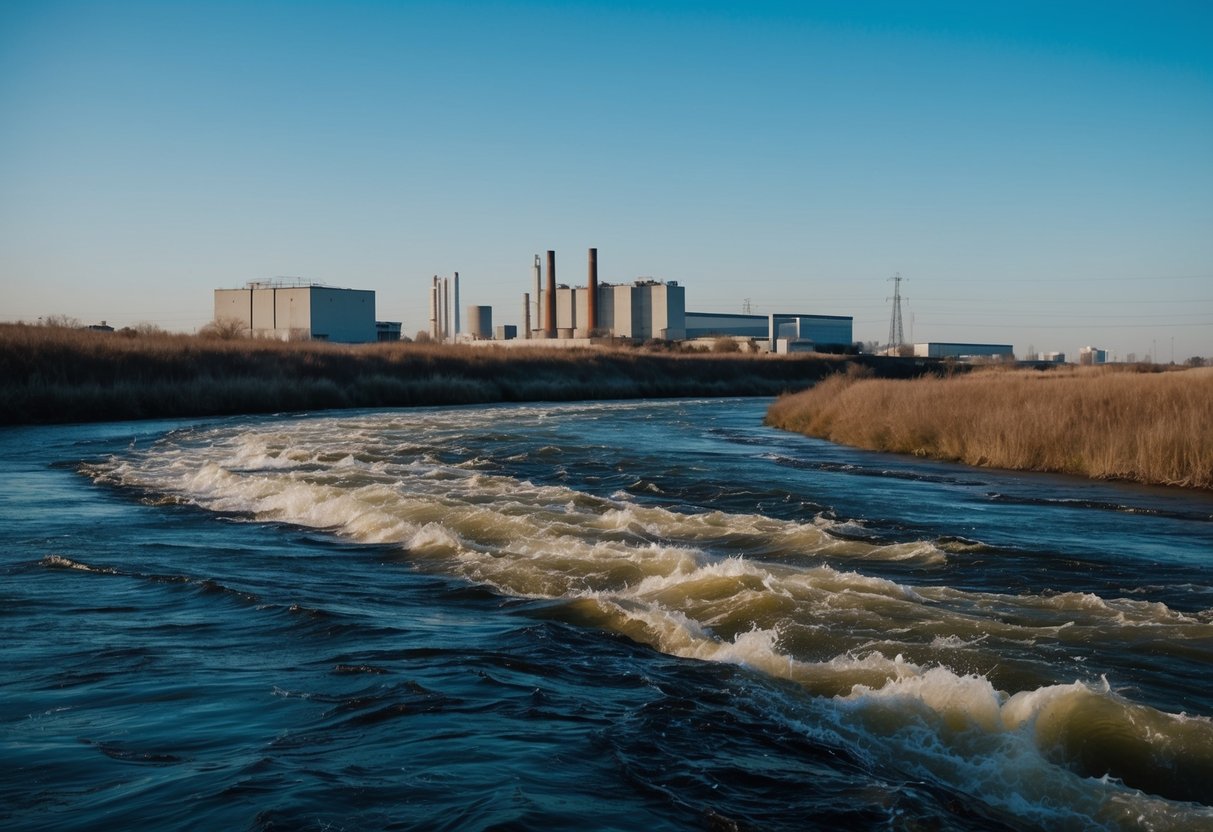
Carbonated water production and consumption have significant environmental and financial impacts. The carbon footprint of manufacturing and the costs associated with carbonated beverages affect both producers and consumers.
Carbon Footprint of Carbonated Water Production
The production of carbonated beverages contributes to greenhouse gas emissions. Carbon dioxide is a key ingredient in carbonated drinks and sparkling mineral water. Meanwhile, CO2 canisters used in DIY carbonation also have environmental impacts.
Soft drink manufacturing requires energy for carbonation, bottling, and transportation. This increases the carbon footprint of these products. Meanwhile, plastic bottles and aluminum cans used for packaging add to the environmental burden.
Sugary drinks often have a larger carbon footprint due to the additional ingredients and processing involved. Some companies are working to reduce their environmental impact by using more efficient production methods and sustainable packaging.
Costs Associated with Carbonated Beverages
The price of carbonated drinks includes production, packaging, and distribution costs. CO2 is a major expense for manufacturers. Fluctuations in CO2 prices can affect the final cost of carbonated beverages.
For consumers, store-bought carbonated drinks are generally more expensive than tap water. DIY carbonation can be a cost-effective alternative, but it requires an initial investment in equipment.
Water quality affects treatment costs for beverage companies. Hard water may need additional processing, increasing production expenses. These costs are often passed on to consumers in the price of carbonated drinks.
Taxes on sugary drinks in some regions have increased the price of certain carbonated beverages. This has led to shifts in consumer behavior and product reformulations by manufacturers.
Frequently Asked Questions
Carbonate in drinking water raises several important questions about health effects, water quality, and treatment methods. Common concerns include potential impacts on health, ways to reduce carbonate levels, and how carbonates affect water taste and hardness.
What are the potential health effects of carbonate in drinking water?
Carbonates in drinking water are generally considered safe. They can provide small amounts of essential minerals like calcium and magnesium. In some cases, carbonates may help reduce heartburn symptoms. However, very high levels could potentially cause minor digestive issues in sensitive individuals.
How can carbonate levels be reduced in home water supplies?
Water softeners can reduce carbonate levels by removing calcium and magnesium. Meanwhile, reverse osmosis systems are also effective at removing carbonates. Boiling water will not reduce carbonate content. For minor reductions, activated carbon filters may help.
What does a high concentration of carbonate indicate in water quality tests?
High carbonate levels often indicate hard water. This suggests the presence of dissolved minerals like calcium and magnesium. It may point to water that has passed through limestone or other carbonate-rich rock formations.
Are there any specific filtration methods effective at removing carbonates from water?
Reverse osmosis is highly effective at removing carbonates. Ion exchange water softeners can also reduce carbonate levels. Meanwhile, distillation will remove most carbonates. Some specialized chemical treatments can precipitate carbonates out of solution.
How does the presence of carbonates in water impact its taste and hardness?
Carbonates contribute to water hardness. Hard water can leave mineral deposits on fixtures and affect soap lathering. Meanwhile, carbonates may impart a slightly alkaline or mineral taste to water. Some people find this taste pleasant, while others prefer softer water.
What is the recommended level of carbonate in drinking water for safety and health?
There is no strict health-based limit for carbonates in drinking water. The World Health Organization does not set a specific guideline.
Water hardness, which includes carbonates, is often recommended to be below 300 mg/L as calcium carbonate for practical reasons.