Bleach is a common household item with many uses, including water disinfection.
In emergencies or when safe drinking water isn’t available, adding bleach to water can kill harmful germs.
The right amount of bleach can make water safe to drink without causing health problems.
Using bleach to treat water is cheap and easy.
Many people keep bleach at home, making it a handy option when other water treatment methods aren’t available.
But it’s crucial to use the correct amount. Too little won’t kill all the germs, while too much can be unsafe to drink.
Bleach treatment works best on clear water. If the water is cloudy, it should be filtered first.
The treated water may have a slight chlorine smell, but this means it’s working to kill dangerous microbes.
Let the treated water sit for a while before drinking to allow the bleach to do its job.
Key Takeaways
- Bleach can make water safe to drink when used correctly
- The right amount of bleach kills germs without harming health
- Clear water should be used, and treated water needs time to sit before drinking
Bleach and Its Chemical Composition
Bleach is a powerful cleaning agent and disinfectant. Its main active ingredient is sodium hypochlorite, which contains chlorine. These chemicals work together to kill germs and remove stains.
Sodium Hypochlorite as a Disinfectant
Sodium hypochlorite is the key component in household bleach. It has the chemical formula NaClO.
This compound breaks down into sodium and hypochlorite ions in water.
The hypochlorite ion is a strong oxidizing agent. It attacks the cell walls of bacteria and viruses. This destroys harmful microorganisms in water and on surfaces.
Typical household bleach contains 3-8% sodium hypochlorite. The rest is mostly water. Some bleach products also have small amounts of other chemicals. These may include:
- Sodium hydroxide
- Sodium carbonate
- Sodium chloride
- Sodium polyacrylate
Chlorine as a Water Treatment Agent
Chlorine is widely used to treat drinking water. It can be added as chlorine gas or as sodium hypochlorite solution. Both forms create hypochlorous acid in water.
Hypochlorous acid is very effective at killing germs. It can eliminate:
- Bacteria
- Viruses
- Parasites
Chlorine also oxidizes organic matter in water. This helps remove bad tastes and odors.
The amount of chlorine used is carefully controlled. Too much can create harmful byproducts.
Water treatment plants usually aim for 0.2 to 1 mg/L of free chlorine in tap water. This provides ongoing disinfection as water travels through pipes.
Safety and Effectiveness of Bleach in Water Purification
Bleach is a common and low-cost option for purifying water. It can kill harmful germs but needs proper use to be safe and work well.
Risks and Benefits in Using Bleach
Bleach, or sodium hypochlorite, can make water safer to drink. It kills many germs that cause illness.
The right amount of bleach is 5 mg per liter of water. This level is safe to drink and cleans the water well.
But bleach has some downsides. It can make water taste and smell bad. Some people don’t like this and may not want to drink the treated water. Also, bleach doesn’t work as well if the water is very dirty.
Using too much bleach can be harmful. It might cause stomach problems or other health issues. Always measure bleach carefully when adding it to water.
Comparison With Boiling and Other Disinfection Methods
Boiling is another way to make water safe. It kills germs by using heat.
Boiling works well but uses fuel and takes time to cool the water.
Bleach is often quicker and easier than boiling. It’s good for treating large amounts of water.
Unlike boiling, bleach keeps working to kill germs for a while after treatment.
Other methods like filters or UV light can also clean water. Filters remove dirt and some germs. UV light kills germs but doesn’t remove dirt. Each method has good and bad points.
Bleach is cheap and easy to find. This makes it useful in many places, especially during emergencies.
Guidelines for Using Bleach to Disinfect Drinking Water
Bleach is an effective way to make water safe for drinking. The key steps are preparing the right bleach solution, allowing enough contact time, and adjusting for cloudy water. Following these guidelines helps ensure proper disinfection.
Correct Bleach Solution Preparation
To disinfect water with bleach, use regular unscented household bleach with 5-6% sodium hypochlorite.
Add 8 drops (1/8 teaspoon) of bleach per gallon of clear water. For larger amounts, add 1/4 teaspoon per 2 gallons or 1 teaspoon per 8 gallons of water.
Use a clean dropper or measuring spoon to add the bleach.
Stir the water well and let it stand for the appropriate contact time before use.
Store the disinfected water in clean, covered containers. Plastic containers with tight-fitting lids work well. Avoid using containers that previously held toxic substances.
Appropriate Contact Time for Disinfection
After adding bleach, let the water stand for at least 30 minutes before use. This contact time allows the chlorine to kill harmful microorganisms in the water.
For colder water temperatures below 50°F (10°C), increase the contact time to 60 minutes. Warmer water temperatures speed up the disinfection process.
After the contact time, the water should have a slight chlorine odor. If it doesn’t, repeat the dosage and let stand for another 15 minutes.
If the chlorine taste is too strong, let the water stand exposed to air for a few hours or pour it between clean containers several times.
Dealing With Cloudy Water
Cloudy or murky water requires extra treatment. Double the amount of bleach used for clear water.
Add 16 drops (1/4 teaspoon) of bleach per gallon of cloudy water.
Let the treated cloudy water stand for 1 hour. If the water does not turn clear after an hour, filter it through a clean cloth before using. Then add the normal bleach dose and let stand for 30 minutes.
For very cloudy water, consider boiling instead of using bleach. Boil the water for 1 minute (3 minutes at high altitudes) to ensure proper disinfection.
Impact of Bleach on Health and Environment
Chlorine in drinking water affects various microorganisms and has potential long-term health effects. It kills harmful pathogens but may also impact beneficial bacteria.
Microorganisms Affected by Chlorination
Chlorine in drinking water effectively kills many harmful microbes. It destroys bacteria like E. coli and Salmonella that can cause serious illnesses.
Viruses such as hepatitis A and rotavirus are also inactivated by chlorine. These viruses often spread through contaminated water.
Chlorine is effective against protozoa like Giardia. This parasite causes diarrheal disease and is common in untreated water sources.
Some microorganisms are more resistant to chlorine:
- Cryptosporidium
- Certain strains of E. coli
- Mycobacterium avium
While chlorine kills many germs, it may also reduce beneficial bacteria in the gut when consumed regularly.
Long-Term Effects of Consuming Chlorinated Water
Drinking chlorinated water over time may have some health impacts. Studies have found links to:
- Increased risk of bladder cancer
- Potential reproductive issues
- Slight alterations in gut bacteria
Chlorine can react with organic matter in water to form byproducts called trihalomethanes. These compounds may increase cancer risk slightly when consumed over many years.
Some people report skin irritation or respiratory issues from chlorinated water. However, most health organizations consider these risks minor compared to the benefits of clean water.
Practical Tips for Home Water Treatment
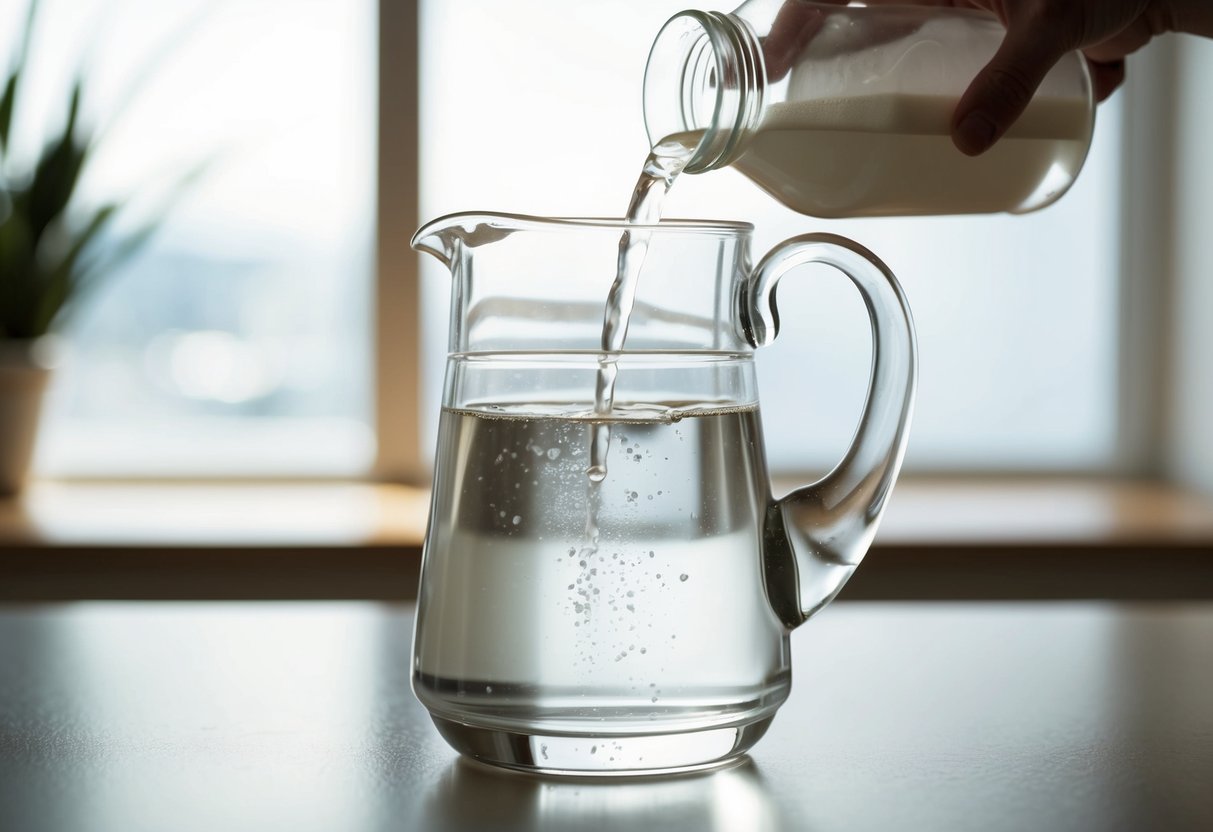
Treating drinking water at home is simple and effective. The right methods can make water safe while improving its taste and smell.
Ensuring a Clean Container for Disinfection
Start with a clean container. Wash it thoroughly with soap and hot water. Rinse well to remove all soap residue. This prevents contamination.
For plastic containers, use unscented household bleach. Mix 1 teaspoon of bleach with 1 quart of water. Swish this solution around the container. Let it sit for 30 seconds. Pour out the solution and air dry the container.
Glass containers can be sanitized with boiling water. Fill the container with water and bring it to a boil for 1 minute. Let it cool before use.
Always use containers meant for food or drink. Avoid containers that held chemicals or non-food items.
Removing Unpleasant Chlorine Odor and Taste
Chlorine keeps water safe but can affect taste and smell. There are easy ways to improve disinfected water.
Let the water stand for a few hours. The chlorine smell will fade on its own. Keeping it in the fridge speeds this up.
Pour water back and forth between two clean containers. This helps chlorine evaporate faster. Do this 10 times for best results.
Add a pinch of salt per quart of water. This can balance out the chlorine taste.
Use a water filter pitcher. Many remove chlorine along with other impurities. Change filters regularly for best results.
Lemon slices can mask chlorine taste. Add a few to a pitcher of treated water.
Alternatives to Bleach in Water Disinfection
Bleach is not the only way to make water safe to drink. Other options can clean water without using harsh chemicals. Some choices are easy to find at stores, while others use what nature provides.
Bottled Water as a Substitute
Bottled water is a quick fix for clean drinking water. It comes ready to drink and doesn’t need extra work. Most bottled water goes through filters to remove dirt and germs. Some brands use special processes like reverse osmosis or UV light to clean the water even more.
Bottled water is easy to find in stores.
It’s handy for trips or when tap water isn’t safe. But it costs more than tap water and creates plastic waste. Some people worry about chemicals from plastic bottles getting into the water.
Natural Methods to Purify Water
Nature offers ways to clean water without chemicals. Boiling is one of the oldest and most trusted methods. It kills harmful germs in about one minute of rolling boils.
Sunlight can also make water safer. The SODIS method uses clear plastic bottles left in direct sun for 6 hours. UV rays kill many germs.
Sand and gravel filters can catch dirt and some germs. These filters are cheap to make at home. They work well with other methods like boiling.
Plant seeds can help too. Moringa seeds can clean dirty water. Crush the seeds and stir them into water. The seeds pull dirt and some germs out as they settle.
Frequently Asked Questions
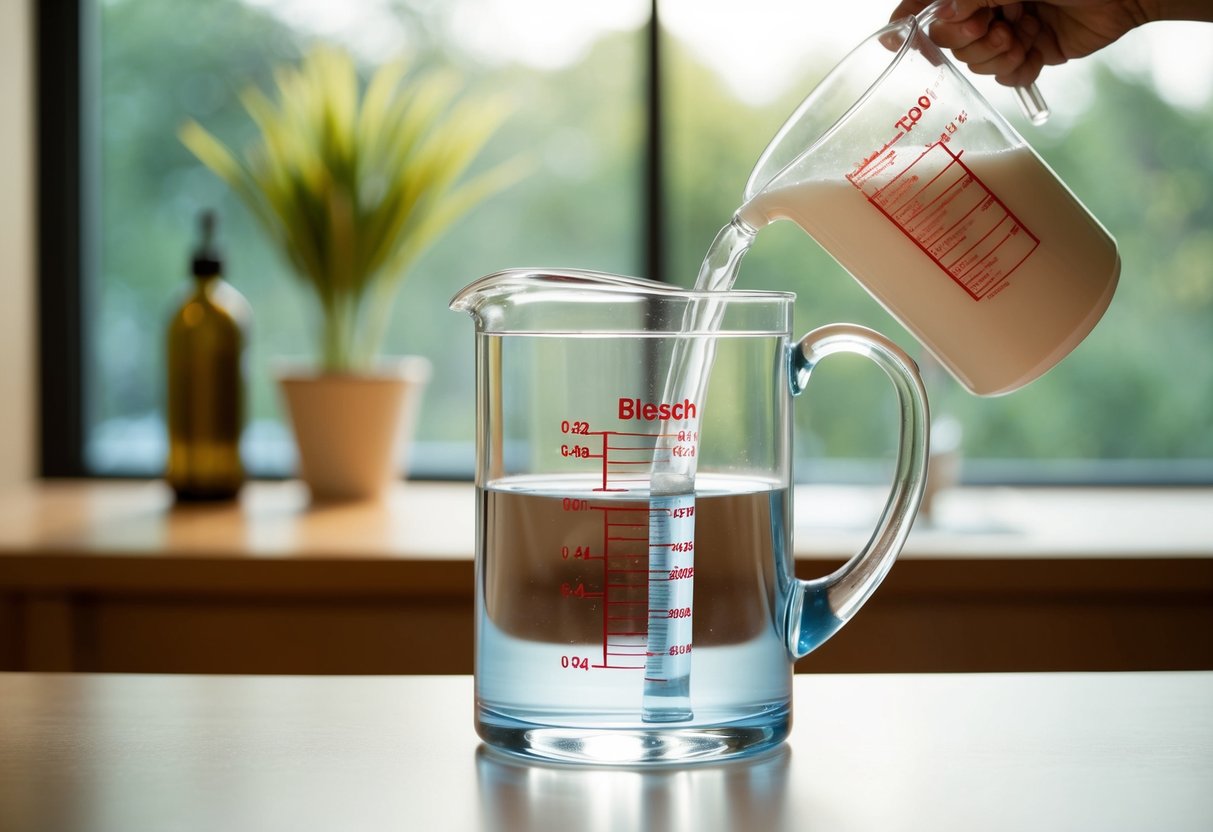
Bleach is commonly used to purify drinking water, but there are important guidelines and considerations to keep in mind.
How can bleach be neutralized in a drinking water supply?
Bleach in drinking water can be neutralized using vitamin C (ascorbic acid). Add about 1 gram of vitamin C powder per gallon of treated water. Stir well and let it sit for a few minutes.
Another option is to use sodium thiosulfate. Add a small amount to the water and mix thoroughly. This chemical reacts with chlorine to form harmless byproducts.
What are the EPA guidelines for using bleach to purify drinking water?
The EPA recommends adding 1/8 teaspoon (8 drops) of unscented household bleach per gallon of clear water. For cloudy water, use 1/4 teaspoon (16 drops) per gallon.
Mix well and let stand for 30 minutes before use. The treated water should have a slight chlorine odor. If not, repeat the dosage and wait 15 more minutes.
What are the health considerations when using bleach for water purification?
Using the correct amount of bleach is crucial. Too much can be harmful, while too little may not effectively kill pathogens.
Drinking water with high levels of chlorine can cause stomach discomfort and other health issues.
People with thyroid problems or on low-sodium diets should consult a doctor before regularly consuming chlorinated water. Long-term exposure to high levels of chlorine byproducts may increase cancer risk.
Can the taste and smell of bleach in drinking water be reduced, and how?
To reduce the taste and smell of bleach, let the treated water stand uncovered for a few hours. This allows the chlorine to dissipate naturally.
Pouring the water back and forth between two clean containers can also help remove the chlorine taste and odor. Using a water filter with activated carbon can further improve taste and smell.
How should bleach be used to disinfect a private well?
To disinfect a private well, first calculate the well volume. Add 1 quart of unscented household bleach for every 100 gallons of water in the well.
Mix the bleach with a few gallons of water and pour it into the well. Run water through all taps until you smell chlorine. Let it sit for 24 hours, then flush the system until the chlorine smell is gone.
What practices should be followed when storing water treated with bleach?
Store treated water in clean, airtight containers. Keep them in a cool, dark place away from direct sunlight.
Plastic containers are often preferred for storing chlorinated water.
Label containers with the date of treatment. Replace stored water every six months.
Before use, check for any unusual odors or appearance. If in doubt, retreat the water before consuming.