Beryllium is a metal that can be found in small amounts in water sources. Its presence in drinking water can affect our health.
The safe level of beryllium in drinking water is 4 parts per billion, as set by the U.S. Environmental Protection Agency.
People can be exposed to beryllium through different ways, including drinking water.
The amount of beryllium in drinking water is usually very low, but it’s still important to monitor.
Water treatment plants work to remove beryllium and other metals from our water supply.
Scientists have studied the effects of beryllium on health for many years. They use special tools to measure how much beryllium is in water samples.
This helps keep our drinking water safe and lets us know if there are any problems that need to be fixed.
Key Takeaways
- Beryllium in drinking water is strictly regulated to protect public health.
- Water treatment processes aim to remove beryllium from public water supplies.
- Regular testing helps ensure beryllium levels in drinking water remain below safety limits.
The Basics of Beryllium
Beryllium is a rare metal with unique properties. It has several important uses but can be toxic if not handled properly. Let’s explore the key aspects of beryllium, its compounds, and how people might be exposed to it.
Characteristics of Beryllium
Beryllium is a lightweight, strong metal. It’s silver-gray in color and has a low density.
Beryllium is very stiff and resists heat well. It doesn’t conduct electricity easily.
Some key facts about beryllium:
- Atomic number: 4
- Melting point: 1287°C (2349°F)
- Boiling point: 2470°C (4478°F)
- Density: 1.85 g/cm³
Beryllium is used in many industries because of these special traits. It makes alloys stronger and lighter. This is helpful for making parts for airplanes and spacecraft.
Common Beryllium Compounds
Beryllium often combines with other elements to form compounds. These compounds have different uses and properties than pure beryllium.
Some common beryllium compounds include:
- Beryllium oxide: A ceramic used in electronics
- Beryllium chloride: Used to make pure beryllium metal
- Beryllium fluoride: Found in some special types of glass
Beryl is a mineral that contains beryllium. It forms colorful gems like emeralds and aquamarines. Beryllium hydroxide is another compound found in nature.
Sources of Beryllium Exposure
People can come into contact with beryllium in different ways. Most exposure happens in workplaces that use beryllium.
Common sources of beryllium exposure include:
- Mining and processing beryllium ore
- Making products with beryllium metal or alloys
- Burning coal and oil, which releases beryllium into the air
Beryllium can also be found in small amounts in soil and water. Some groundwater sources may contain beryllium. This can lead to low levels in drinking water.
Most people only encounter tiny amounts of beryllium in their daily lives. Higher exposure usually happens in industrial settings.
Beryllium in Water Systems
Beryllium enters water systems through natural processes and human activities. Its presence in drinking water can be a health concern, requiring careful monitoring and analysis.
Natural Occurrence in Water
Beryllium occurs naturally in some water sources due to rock weathering. Rivers and groundwater may contain small amounts of this element. Beryllium levels in surface waters typically range from 0.01 to 1.0 μg/L.
In areas with beryllium-rich geology, concentrations can be higher. Some minerals like beryl and bertrandite slowly release beryllium into water over time.
Rainwater and snow can also pick up beryllium dust from the air, adding to surface water levels.
Beryllium Through Industrial Discharge
Industrial activities can increase beryllium in water systems. Metal processing, electronics manufacturing, and aerospace industries often use beryllium.
Wastewater from these facilities may contain beryllium compounds. If not properly treated, this can lead to higher levels in nearby water bodies.
Mining operations can also expose beryllium-containing rocks, leading to increased runoff into streams and rivers.
Proper waste management and water treatment are key to limiting industrial beryllium discharge.
Analytical Procedures for Detection
Detecting beryllium in water samples requires sensitive analytical methods. Common techniques include:
- Inductively Coupled Plasma Mass Spectrometry (ICP-MS)
- Atomic Absorption Spectroscopy (AAS)
- Graphite Furnace Atomic Absorption (GFAA)
These methods can detect beryllium at very low levels, often below 1 part per billion.
Water samples need careful handling to avoid contamination. Acidification helps preserve beryllium for analysis.
Turbidity can interfere with some detection methods, so water samples may need filtering before testing.
Health Implications of Beryllium

Beryllium exposure can lead to serious health problems. The severity depends on how much beryllium enters the body and how long the exposure lasts. Different types of contact with beryllium affect the body in various ways.
Toxicity and Health Effects
Beryllium is toxic to humans. It can harm many body systems. The lungs are most at risk. Even small amounts can cause problems.
Breathing in beryllium dust or fumes is very dangerous. It can lead to lung damage and breathing issues. Some effects show up right away. Others take years to appear.
Swallowing beryllium is less harmful. The body doesn’t absorb much through the gut. But it can still cause stomach pain and sickness.
Skin contact may lead to rashes or sores. In rare cases, beryllium can enter the body through cuts.
Oral, Inhalation, and Dermal Exposure
Drinking water with beryllium is not very risky. The levels in most water are low. The body doesn’t take in much beryllium this way.
Breathing beryllium is the biggest danger. It can happen in factories or mines. Welding or grinding metals with beryllium creates harmful dust.
Touching beryllium can irritate the skin. It may cause bumps or sores. People with skin problems are more at risk.
Chronic Beryllium Disease and Other Conditions
Chronic Beryllium Disease (CBD) is the most serious effect. It’s a lung disease that can be deadly. CBD can start years after exposure ends.
Signs of CBD include:
- Coughing
- Shortness of breath
- Feeling tired
- Weight loss
Beryllium may raise the risk of lung cancer. It can also cause other lung problems like scarring.
Some people get allergic to beryllium. This can lead to skin rashes or breathing trouble. The immune system becomes overactive.
Regulations and Guidelines
Governments and health organizations have set standards for beryllium in drinking water. These rules aim to protect public health by limiting exposure to this metal.
World Health Organization Standards
The World Health Organization (WHO) provides guidance on beryllium in drinking water. WHO suggests a limit of 0.012 mg/L for beryllium. This level is based on health risks and available treatment methods.
Many countries use WHO guidelines to set their own rules. Some nations adopt stricter limits. Others may have less strict standards due to local conditions or resources.
Drinking Water Regulations
In the United States, the Environmental Protection Agency (EPA) oversees drinking water quality. The EPA has not set a legal limit for beryllium in public water systems. Instead, they have a non-enforceable health goal of 0.004 mg/L.
Other countries have their own rules:
- Canada: 0.004 mg/L (maximum acceptable concentration)
- European Union: No specific limit for beryllium
- Australia: 0.06 mg/L (health-based guideline value)
Reference Materials and Limits
Scientists use reference materials to test for beryllium in water. These are samples with known amounts of beryllium. They help labs make sure their tests are accurate.
Some key reference points for beryllium in water include:
- Detection limit: Often around 0.0002 mg/L
- Reporting limit: Typically 0.001 mg/L
- Action level: Varies by location, but often 0.004 mg/L
Public health officials use these values to decide when to take action. If water tests show levels above these limits, they may need to treat the water or find a new source.
Environmental Impact and Occupational Safety
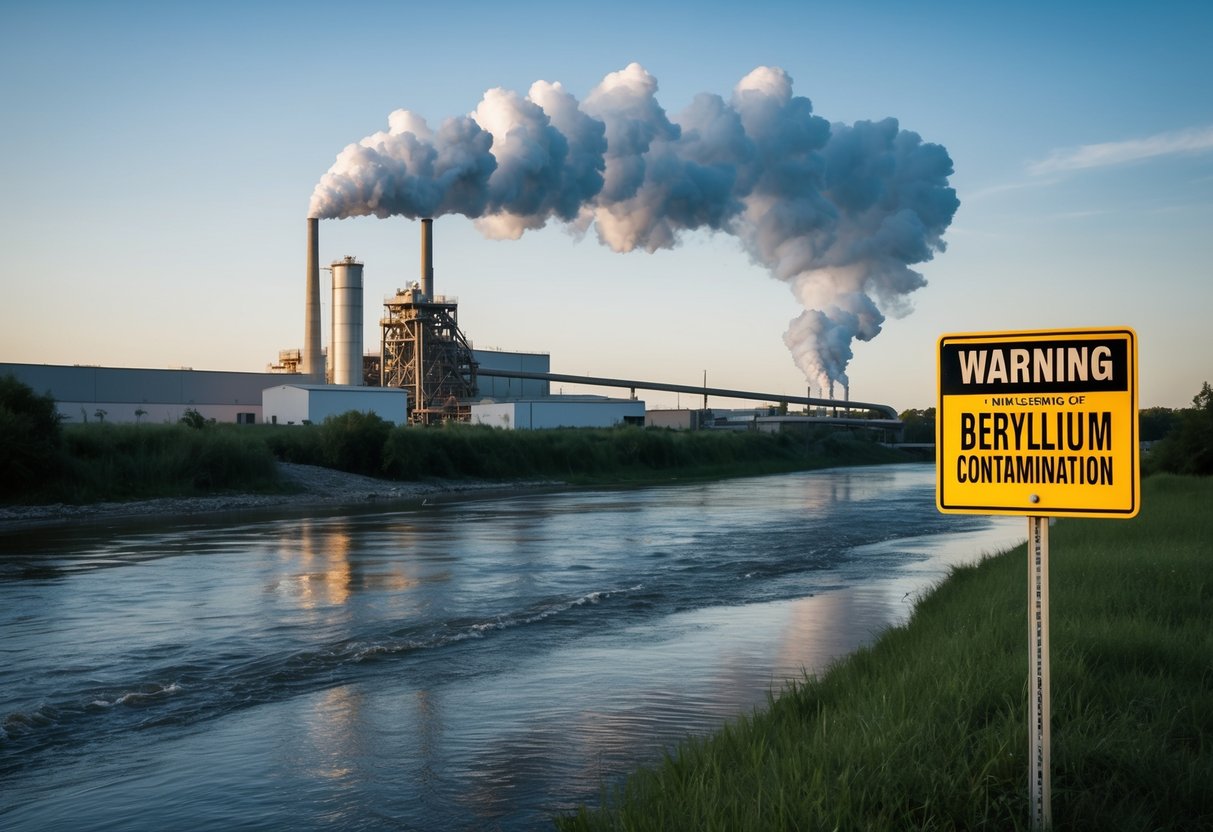
Beryllium can affect both the environment and worker health. Its presence in various industries poses risks that require careful management and safety measures.
Industries at Risk
Several industries face beryllium exposure risks. These include:
- Aerospace
- Electronics manufacturing
- Nuclear power
- Metal recycling
- Dental labs
Workers in these fields may inhale beryllium dust or fumes. This can lead to serious lung problems. Proper safety gear and handling methods are crucial.
Environmental Matrices and Soil Properties
Beryllium can spread through air, water, and soil. Its behavior depends on local conditions. In soil, beryllium binds to particles. This affects how it moves through the environment.
Factors influencing beryllium in soil:
- pH level
- Organic matter content
- Clay content
- Moisture
Soil properties impact beryllium’s mobility. Acidic soils may release more beryllium into groundwater. This can increase risks to drinking water sources.
Safety Protocols and Hygiene
Strict safety measures protect workers from beryllium exposure.
Key protocols include:
- Proper ventilation systems
- Personal protective equipment (PPE)
- Regular air quality monitoring
- Decontamination procedures
Good hygiene is vital.
Workers must wash hands and change clothes before leaving work areas.
Engineering controls help limit beryllium dust. These include enclosed processes and wet cleaning methods.
Training programs teach workers about beryllium risks.
They learn safe handling techniques and emergency procedures.
Regular health check-ups monitor for early signs of beryllium-related illness.
Analytical and Management Strategies

Keeping beryllium levels in check requires careful monitoring, risk assessment, and public health measures. These strategies help protect communities from potential harm caused by this metal in drinking water.
Monitoring Beryllium Levels
Analytical techniques for beryllium detection in water have improved over time.
Common methods include:
- Atomic absorption spectroscopy
- Inductively coupled plasma mass spectrometry
- Graphite furnace atomic absorption
These tools can detect beryllium at very low levels, often below 0.1 parts per billion.
Regular testing of water sources is key to identifying contamination early.
Water treatment plants use these methods to check beryllium concentrations.
They also test for other heavy metals at the same time through multi-elemental analysis.
Risk Assessment and Remediation
When beryllium is found in drinking water, experts assess the risk to human health.
They consider factors like:
- Concentration of beryllium
- Exposure duration
- Local population demographics
If levels are too high, remediation steps begin.
Water treatment techniques can remove beryllium from drinking water. These may include:
- Ion exchange
- Reverse osmosis
- Activated carbon filtration
Areas near beryllium manufacturing sites often need more frequent testing and stronger remediation efforts.
Public Health Recommendations
Public health officials play a crucial role in protecting communities from beryllium exposure.
They provide guidance on:
- Safe drinking water practices
- Home water testing options
- Health effects of beryllium exposure
When contamination occurs, they may advise:
- Using bottled water for drinking and cooking
- Installing home water filtration systems
- Seeking medical attention if symptoms appear
Education is vital.
Officials create materials to inform the public about beryllium risks and safety measures.
They also work with local governments to enforce drinking water standards and improve water infrastructure.
Additional Considerations

Beryllium exposure extends beyond drinking water. Other sources like consumer products, food, and ongoing research all play important roles in understanding beryllium’s impact on human health.
Beryllium in Other Consumer Products
Beryllium finds its way into various everyday items.
Some dental alloys contain small amounts of beryllium. Certain electronic devices use beryllium components.
Sports equipment like golf clubs may incorporate beryllium for its lightweight strength. Some specialized tools and aerospace parts also contain this element.
While these products typically pose low risks, proper handling and disposal are crucial. Damaged items could potentially release beryllium particles.
Dietary Exposure Through Food
Trace amounts of beryllium can be found in many foods.
Fruits, vegetables, and grains may absorb beryllium from soil or water. Some seafood can also contain small quantities.
Daily dietary exposure is usually very low. The exact amount varies based on food choices and growing conditions. Most people consume less than 0.1 micrograms of beryllium per day through food.
Cooking methods generally don’t affect beryllium levels in food. However, using beryllium cookware could potentially increase exposure.
Advancements in Beryllium Research
Scientists continue to study beryllium’s health effects.
New detection methods allow for more precise measurements in water and food.
Research now focuses on long-term, low-level exposure impacts. Studies are exploring potential links to various health conditions.
Improved risk assessment tools help evaluate beryllium in different environments. This includes groundwater, soil, and air quality assessments.
Researchers are also investigating safer alternatives for industrial uses. This could reduce overall beryllium exposure in the future.
Frequently Asked Questions
Beryllium in drinking water raises important concerns about health risks, detection methods, and removal techniques. People often wonder about safety limits and how contamination happens.
What are the health risks associated with beryllium in drinking water?
Beryllium can be toxic to humans. It may cause lung problems if breathed in. Drinking water with beryllium might lead to intestinal issues.
Long-term exposure could increase cancer risk. The effects can vary based on how much beryllium is in the water and how long someone drinks it.
How can beryllium be detected in water supplies?
Water testing labs use special tools to find beryllium.
They often use a method called mass spectrometry.
This test can spot very small amounts of beryllium in water. Home test kits are not reliable for beryllium detection.
What methods are effective for removing beryllium from drinking water?
Reverse osmosis systems can remove beryllium from water. Ion exchange filters also work well.
Activated carbon filters may help, but they’re not as effective. Large-scale water treatment plants use more complex systems to clean water.
What is the maximum contaminant level for beryllium in drinking water set by regulating bodies?
The U.S. Environmental Protection Agency sets limits for beryllium in drinking water.
The current limit is 4 parts per billion.
This level aims to protect public health. Some countries may have different limits.
How does beryllium contamination typically occur in water sources?
Beryllium can get into water from rocks and soil.
It can also come from industrial waste.
Mining and processing of beryllium can pollute nearby water sources. Some pesticides containing beryllium might contaminate groundwater.
Are home water filtration systems effective in filtering out beryllium?
Some home filters can remove beryllium. Reverse osmosis systems are the most effective.
Not all filters work equally well.
It’s important to choose a filter certified to remove beryllium.