Benzene in drinking water is a serious health concern that affects many communities. This colorless chemical compound can enter water supplies through industrial activities, leaks from underground storage tanks, and natural sources.
Exposure to benzene in drinking water can increase the risk of cancer and other health problems.
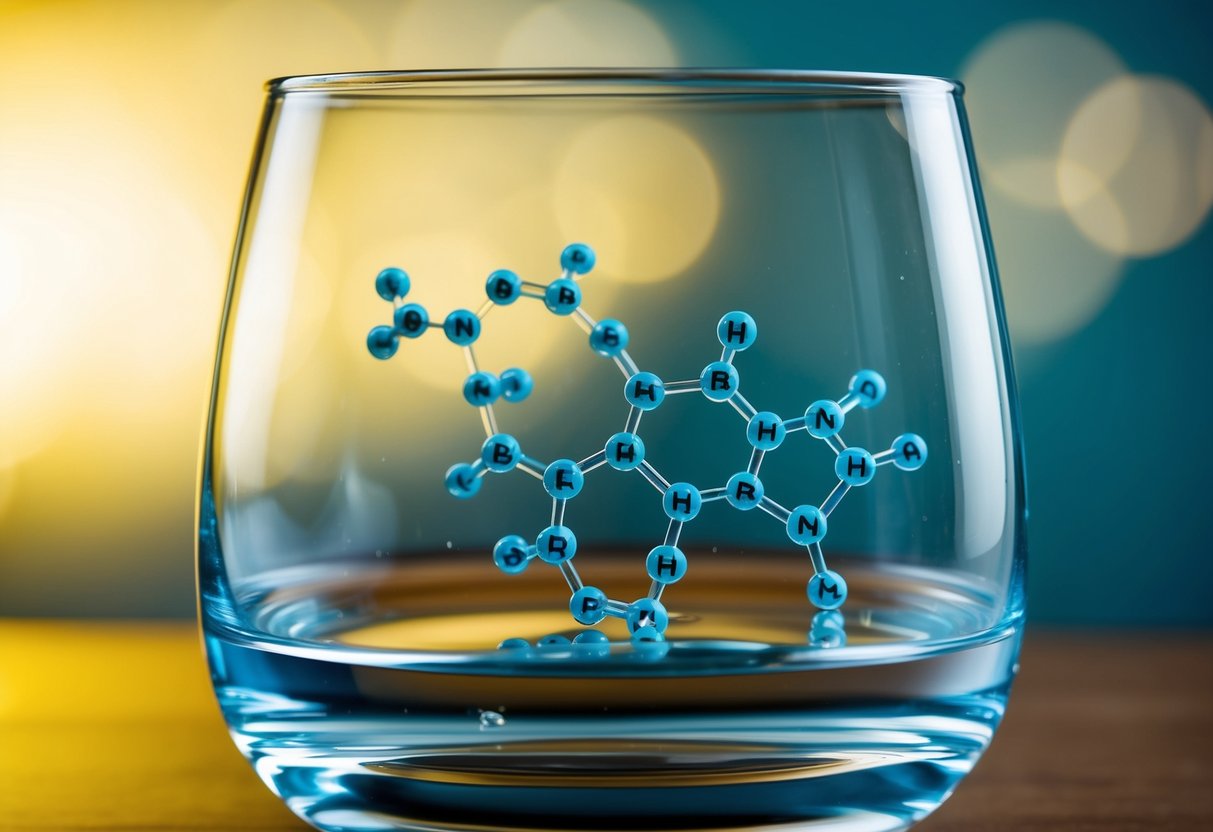
Testing for benzene in water is crucial to ensure safety. Water treatment plants and regulatory agencies monitor benzene levels to keep them below legal limits.
Home water filters can help remove benzene, but it’s important to choose the right type of filter.
People living near industrial areas or oil and gas production sites may face a higher risk of benzene contamination in their water. Regular testing and awareness of potential sources can help protect against exposure.
Key Takeaways
- Benzene in drinking water can cause serious health issues, including cancer
- Regular testing and proper filtration can reduce exposure to benzene
- Areas near industrial or oil production sites may have higher benzene risks
Understanding Benzene
Benzene is a common chemical compound with wide-ranging uses and sources. It has distinct properties that make it valuable in industry but also pose risks to human health and the environment.
Chemical Properties and Sources
Benzene is a clear, colorless liquid with a sweet smell. Its chemical formula is C6H6, forming a ring-like structure. Benzene boils at 176°F (80°C) and freezes at 41.9°F (5.5°C).
This compound occurs naturally in some foods and in crude oil. Volcanoes and forest fires also release benzene.
Industrial processes create most of the benzene in our environment. Oil refineries, chemical plants, and other facilities produce it as a byproduct or intentionally.
Benzene Uses in Industry
Many industries rely on benzene as a key ingredient. It helps make plastics, resins, synthetic fibers, and nylon.
Benzene is also important in producing some types of:
- Lubricants
- Dyes
- Detergents
- Drugs
- Pesticides
The chemical industry uses benzene to create other chemicals. These include styrene, cumene, and cyclohexane.
Natural and Industrial Emissions
Natural benzene sources include volcanoes and forest fires. But human activities release much more benzene into the air, water, and soil.
Gasoline is a major source of benzene emissions. Car exhaust, fuel evaporation, and gas station fumes all contain benzene.
Industrial sites like chemical plants and oil refineries emit benzene. It can enter the air through leaks or planned releases.
Tobacco smoke also contains benzene. Both smokers and those exposed to secondhand smoke breathe it in.
Some consumer products release small amounts of benzene. These include glues, paints, furniture wax, and detergents.
Health Effects of Benzene
Benzene exposure can lead to serious health problems. It affects the body in different ways depending on how much and how long a person is exposed.
Acute Exposure Symptoms
Short-term exposure to high levels of benzene can cause immediate health effects. These include:
- Drowsiness
- Dizziness
- Rapid heart rate
- Headaches
- Tremors
- Confusion
In extreme cases, very high levels of benzene can lead to unconsciousness or even death. The central nervous system is particularly affected by acute benzene exposure.
Chronic Exposure and Diseases
Long-term exposure to benzene, even at lower levels, can cause severe health issues. The main concerns are:
• Bone marrow damage
• Anemia
• Weakened immune system
Benzene is also a known carcinogen. It can cause:
- Leukemia
- Multiple myeloma
- Other blood cancers
Studies have linked benzene to myelodysplastic syndromes and aplastic anemia. These conditions affect blood cell production and can be life-threatening.
Vulnerable Populations and Health Risks
Some groups are at higher risk from benzene exposure:
-
Pregnant women: Benzene can lead to low birth weight and delayed bone formation in babies.
-
Children: Their developing bodies are more sensitive to benzene’s effects.
-
People with pre-existing blood disorders: They may be more susceptible to benzene’s impact on blood cells.
Workers in industries that use benzene face increased risks. Proper safety measures are crucial in these settings.
The elderly may also be more vulnerable due to weaker immune systems and slower chemical processing in their bodies.
Regulations and Public Health
Benzene in drinking water is strictly regulated due to its health risks. Government agencies set limits and provide guidelines to protect public health.
Maximum Contaminant Levels (MCLs)
The Environmental Protection Agency (EPA) sets MCLs for benzene in drinking water. The current MCL is 5 parts per billion (ppb). This limit aims to reduce health risks from long-term exposure.
Water suppliers must test for benzene regularly. If levels exceed the MCL, they must take action to lower them. This may include:
- Treating the water
- Finding new water sources
- Fixing contaminated wells
Environmental and Health Agencies
Several agencies work to protect public health from benzene exposure:
- EPA: Sets and enforces drinking water standards
- World Health Organization (WHO): Provides global guidelines
- State agencies: May set stricter limits than federal ones
These groups study benzene’s effects and update regulations as needed. They also provide information to the public about water quality and safety.
Public Health Goals and Recommendations
Public health goals for benzene are often lower than MCLs. The California Environmental Protection Agency’s Office of Environmental Health Hazard Assessment set a public health goal of 0.15 ppb.
To reduce benzene exposure, experts recommend:
- Using carbon filters on taps
- Drinking bottled water if concerned about tap water quality
- Proper disposal of hazardous waste to prevent groundwater contamination
Regular testing of private wells is crucial, as they are not covered by EPA regulations.
Exposure and Contamination Sources
Benzene can enter drinking water through various means. People may also be exposed to benzene at work or in their daily lives. Consumer products and lifestyle choices can add to benzene exposure.
Drinking Water Contamination
Benzene can get into drinking water from industrial sites, gas stations, and landfills. It can seep into groundwater and wells. The Environmental Protection Agency sets limits for benzene in public water systems.
Well water may have higher benzene levels than treated city water. Regular testing is important for private wells.
Bottled water is regulated differently. Some brands may contain trace amounts of benzene.
Occupational and Environmental Exposure
Many jobs involve benzene exposure. Oil refineries, chemical plants, and gas stations are high-risk workplaces. Safety gear and proper ventilation help protect workers.
Outdoor air pollution is another source. Car exhaust releases benzene. Living near busy roads or industrial areas increases exposure risk.
Cigarette smoke contains benzene. Smokers and those around them breathe in more benzene than non-smokers.
Consumer Products and Lifestyle Factors
Everyday items may contain benzene. These include:
- Paints and glues
- Cleaning products
- Some plastics
Using these products in poorly ventilated areas raises benzene levels in indoor air.
Spending time in traffic or at gas stations increases benzene exposure. Proper use and storage of household chemicals can reduce risks.
Certain hobbies, like model building or painting, may involve benzene-containing products. Good ventilation and safety practices are key when enjoying these activities.
Detection and Measurement of Benzene
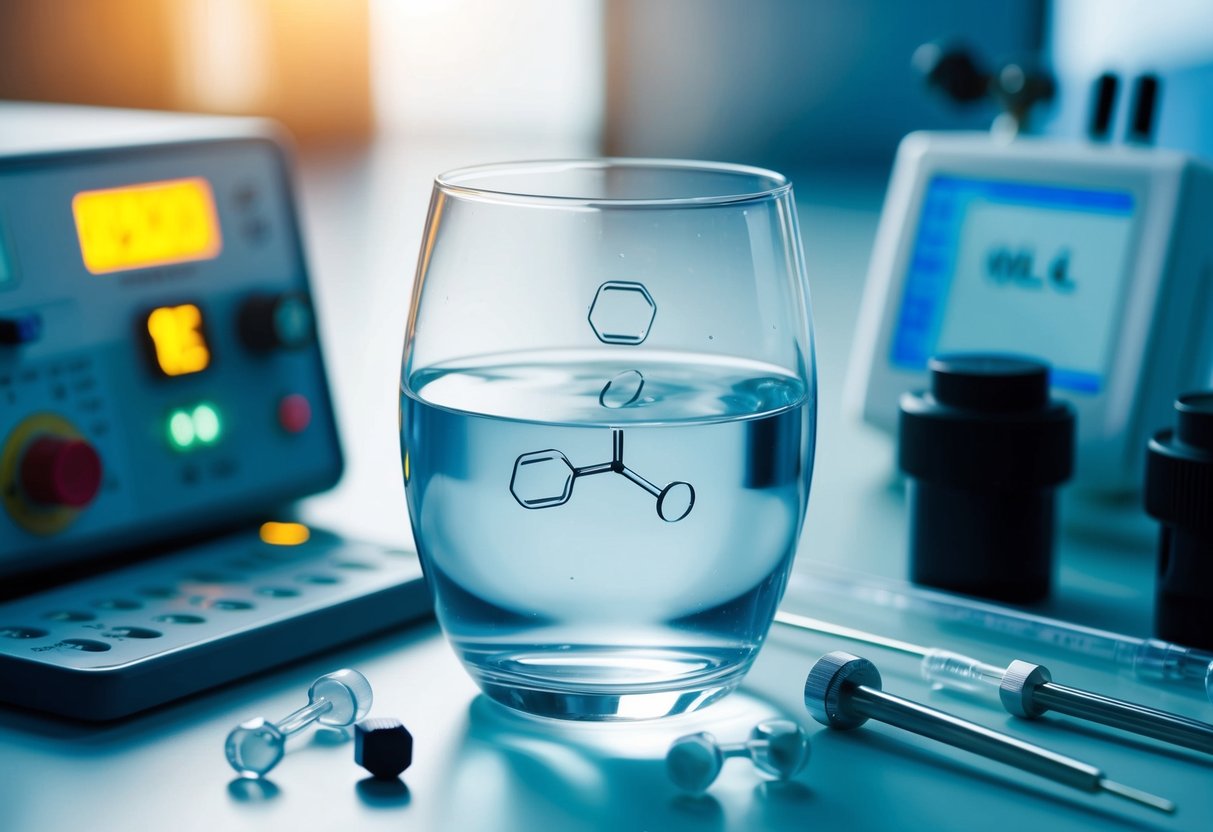
Detecting and measuring benzene in drinking water is crucial for public health. Accurate testing methods and biomarkers help identify contamination and exposure risks.
Water Testing for Benzene
UV absorption spectroscopy can detect benzene in water at parts per billion levels. This method uses light in the 220-280 nanometer range to measure benzene concentrations.
Gas chromatography is another common technique for benzene detection. It separates and analyzes chemical compounds in water samples.
Mid-infrared spectroscopy offers simultaneous measurement of benzene, toluene, and xylenes in water. This method is useful for testing groundwater, surface water, and seawater.
Portable devices allow for on-site benzene testing. These tools can quickly screen water samples for contamination.
Benzene Metabolites and Biomarkers
Benzene metabolites in urine indicate recent exposure. S-phenylmercapturic acid (S-PMA) is a specific biomarker for benzene.
Blood tests can measure benzene levels directly. This method is useful for assessing acute exposure.
Exhaled breath analysis detects benzene vapors. It’s a non-invasive way to screen for exposure.
Long-term benzene exposure can be assessed through complete blood count tests. These tests look for changes in blood cell production.
Prevention and Mitigation
Protecting drinking water from benzene contamination requires a multi-faceted approach. Key strategies include reducing benzene at the source, using effective water treatment methods, and keeping the public informed about safety measures.
Reducing Benzene in Drinking Water
Preventing benzene from entering water sources is crucial. Industries must follow strict regulations to limit benzene emissions. This includes proper disposal of industrial waste and regular equipment maintenance.
Monitoring groundwater and surface water for benzene levels helps detect problems early. Quick action to stop leaks or spills can prevent widespread contamination.
Some areas have revised fuel standards to lower benzene content. This helps reduce the risk of benzene entering water supplies through leaks or accidents.
Water Treatment Techniques and Filters
Water treatment plants use several methods to remove benzene:
- Activated carbon filtration
- Air stripping
- Advanced oxidation processes
Home water filters with activated carbon can also help remove benzene. It’s important to change filters regularly for best results.
Antiseep collars on pipes can reduce benzene breakthrough by up to 60%. This simple addition helps protect water as it moves through distribution systems.
Public Awareness and Safety Measures
Education is key to protecting people from benzene exposure.
Public health agencies should provide clear information about:
- Benzene health risks
- Signs of water contamination
- How to test home water supplies
- Proper use of water filters
In areas with known benzene issues, officials may advise using bottled water for drinking and cooking.
Regular water testing helps ensure safety measures are working.
Communities can set up alert systems to quickly inform residents about any benzene-related water problems.
This allows people to take immediate action to protect their health.
Industrial and Global Context
Benzene plays a significant role in various industries worldwide.
Its production, uses, and regulation have far-reaching impacts on global commerce and environmental policies.
Benzene Production and Volume
Benzene is produced on a massive scale globally.
In 2020, the worldwide production of benzene reached over 50 million metric tons. The chemical is mainly derived from petroleum and coal tar.
Major producers include the United States, China, and South Korea.
These countries account for a large portion of global benzene output.
The production process often involves catalytic reforming of naphtha.
This method yields high-purity benzene for industrial use.
Industries and Benzene-Related Products
Benzene is a key ingredient in many everyday items.
It’s used to make plastics, dyes, and detergents.
The chemical industry relies heavily on benzene.
It’s essential for producing:
- Nylon and synthetic fibers
- Resins and adhesives
- Lubricants and rubbers
- Drugs and pesticides
Benzene is also crucial in the manufacturing of styrene, a precursor to polystyrene.
This versatile plastic is used in packaging and insulation.
International Perspectives on Benzene Regulation
Countries worldwide have set strict limits on benzene exposure.
The World Health Organization recommends a maximum of 10 parts per billion in drinking water.
The European Union has stringent regulations. They limit benzene content in gasoline to 1% by volume.
In the United States, the Occupational Safety and Health Administration (OSHA) sets workplace exposure limits.
They require employers to monitor benzene levels and provide protective equipment.
Many nations are working to reduce benzene emissions from industrial processes.
This includes better containment and waste management at hazardous waste sites.
Frequently Asked Questions
Benzene in drinking water raises important health and safety concerns.
Testing methods, removal techniques, contamination sources, and prevalence in different water supplies are key issues to address.
What are the health effects of benzene exposure through drinking water?
Benzene exposure through drinking water can lead to serious health issues.
It is linked to an increased risk of cancer, especially leukemia. Prolonged exposure may damage bone marrow and affect blood cell production.
Short-term effects can include dizziness, rapid heart rate, and headaches.
Benzene can also harm the immune system and increase the risk of infections.
What methods are available to effectively remove benzene from drinking water?
Several methods can remove benzene from drinking water.
Activated carbon filtration is a common and effective technique. It absorbs benzene molecules as water passes through.
Reverse osmosis systems can also filter out benzene.
Air stripping is another method, where air is bubbled through the water to remove volatile compounds like benzene.
How can one test the presence of benzene in drinking water?
Professional lab testing is the most accurate way to detect benzene in drinking water.
Water samples are collected and analyzed using gas chromatography.
Home test kits are available but may be less reliable.
These often use colorimetric methods to indicate the presence of volatile organic compounds, including benzene.
What are the common sources that contribute to benzene contamination in water supplies?
Industrial discharges and leaks from underground storage tanks are major sources of benzene contamination.
Gasoline spills can also introduce benzene into groundwater.
Landfills and improper disposal of chemical waste may lead to benzene seeping into water supplies.
Natural sources like petroleum deposits can contribute to benzene in groundwater as well.
What is the solubility of benzene in water and how does it affect its presence in drinking water?
Benzene has low solubility in water, about 1.8 grams per liter at room temperature.
This means it doesn’t dissolve easily in water.
Due to its low solubility, benzene often forms a separate layer on top of water.
This can make it challenging to detect and remove from water supplies.
How prevalent is benzene in bottled water compared to tap water?
Benzene is generally less prevalent in bottled water than in tap water.
Bottled water undergoes more rigorous testing and treatment before distribution.
However, some studies have found trace amounts of benzene in certain bottled beverages.
These levels are typically below regulatory limits but highlight the need for ongoing monitoring.