Barium is a naturally occurring element found in many water sources. While small amounts are common, high levels of barium in drinking water can pose health risks.
Exposure to excessive barium through drinking water may lead to increased blood pressure and kidney problems.

Some areas have higher concentrations of barium in groundwater due to geological factors. Public water systems regularly test for barium and other contaminants to ensure safety.
The U.S. Environmental Protection Agency sets a limit of 2 milligrams per liter for barium in drinking water.
People with private wells should test their water for barium and other metals. If high levels are found, treatment options like ion exchange or reverse osmosis can remove barium from drinking water.
Regular testing helps ensure water remains safe to drink.
Key Takeaways
- Barium occurs naturally in water but high levels may cause health issues
- Public water systems monitor barium levels to meet safety standards
- Private well owners should test for barium and treat water if needed
Overview of Barium

Barium is a silvery-white metallic element found in the earth’s crust. It belongs to the alkaline earth metals group and has unique properties that make it useful in various industries.
Chemical Properties
Barium has an atomic number of 56 and a symbol Ba. It’s soft, shiny, and reacts quickly with air. Barium is never found pure in nature due to its high reactivity. It forms compounds with other elements easily.
Barium has a low melting point of 727°C (1341°F). It’s denser than water and sinks in it. When exposed to air, it forms a thin oxide layer that protects it from further corrosion.
Common Barium Compounds
Barium sulfate is a white, odorless powder used in medical imaging. It’s insoluble in water and safe for human consumption. Doctors use it as a “contrast agent” for X-rays of the digestive system.
Barium carbonate is a white solid used in rat poison and brick making. It’s toxic if swallowed. Barium carbonate is also used in ceramic glazes and to remove sulfur from glass.
Barium chloride is a salt that dissolves easily in water. It’s used to make pigments, other barium compounds, and in some industrial processes. Barium chloride is toxic and must be handled with care.
Barium in the Environment
Barium enters the environment through both natural processes and human activities. It can be found in soil, water, and air due to erosion of rocks and minerals. Human sources like industrial emissions also contribute to barium levels.
Natural Occurrence
Barium occurs naturally in the Earth’s crust. It is present in many types of rocks and minerals. Groundwater erosion can release barium into water sources. Some common barium-containing minerals include:
- Barite (barium sulfate)
- Witherite (barium carbonate)
- Hollandite (barium manganese oxide)
Weathering of these minerals leads to barium in soil and water. Volcanic eruptions can also release barium into the air. Natural barium levels are typically low in most environments.
Anthropogenic Sources
Human activities significantly increase barium in the environment. Major sources include:
- Industrial processes
- Fossil fuel combustion
- Waste incineration
Burning coal and other fuels releases barium into the air. Mining and refining of barium ores can contaminate surrounding areas. Oil and gas drilling may use barium compounds, potentially polluting soil and water.
Industrial wastewater can contain high barium levels. This may lead to increased concentrations in rivers and lakes. Some pesticides and fertilizers also contain barium, adding to soil contamination.
Human activities have made barium pollution a growing concern. Its spread in the environment requires careful monitoring and control measures.
Health Implications of Barium
Barium in drinking water can affect human health in various ways. Its toxicity profile, general health effects, and cardiovascular impacts are important to understand.
Toxicity Profile
Barium can be toxic to humans when consumed in large amounts. It mainly affects the kidneys, heart, and nervous system. The toxicity depends on the form of barium and how much is ingested.
Soluble barium compounds are more dangerous than insoluble ones. They can be absorbed by the body more easily. Barium chloride and barium carbonate are examples of toxic forms.
The body can handle small amounts of barium. But high doses can lead to poisoning. Symptoms may include:
- Nausea and vomiting
- Stomach pain
- Muscle weakness
- Breathing difficulties
Health Effects of Barium
Long-term exposure to barium through drinking water can cause various health issues. These effects can be more severe in certain groups.
Children, pregnant women, and the elderly are at higher risk. Their bodies may be more sensitive to barium’s effects. Possible health problems include:
- Kidney damage
- High blood pressure
- Changes in heart rhythm
- Gastrointestinal disturbances
In rare cases, barium poisoning can be fatal. This usually happens only with very high doses. Most people don’t encounter such levels in everyday life.
Cardiovascular Implications
Barium can have significant effects on the cardiovascular system. It can influence heart function and blood pressure.
Studies have shown that barium exposure may lead to:
- Increased blood pressure
- Irregular heartbeat
- Changes in heart muscle contraction
These effects are usually seen with higher levels of barium. But even low levels over time might cause problems. People with existing heart conditions should be extra careful.
Regular check-ups can help monitor any cardiovascular changes. This is especially important for those living in areas with high barium levels in water.
Barium in Drinking Water
Barium can enter drinking water through natural and human-made sources. Elevated levels may pose health risks. Regular testing helps ensure water safety.
Sources of Contamination
Barium enters drinking water from rocks and soil. It occurs naturally in some areas. Erosion of deposits containing barium can increase levels in groundwater.
Human activities also contribute. These include:
- Oil and gas drilling
- Metal refining
- Coal burning
- Pesticide use
Barium can leach from pipes and plumbing fixtures too. Old water systems may have higher levels.
Elevated Levels of Barium
The U.S. EPA set a limit of 2 mg/L for barium in drinking water. Levels above this may cause health issues. Exposure to high-dose barium can affect the heart, blood pressure, and nerves.
Symptoms of barium exposure include:
- Breathing difficulties
- Increased blood pressure
- Stomach irritation
- Muscle weakness
Long-term effects are still being studied. Some research links barium to kidney problems and hearing loss.
Assessment and Monitoring
Regular testing is key to ensuring safe drinking water. Public water systems must check for barium. Private well owners should test their water too.
Labs can measure barium levels accurately. If levels are high, treatment options exist. These include:
- Ion exchange
- Reverse osmosis
- Lime softening
Water softeners can also remove barium from drinking water. This helps protect health and improve water quality.
Regulatory Standards and Guidelines
Different countries and organizations set limits for barium in drinking water. These standards aim to protect public health. The World Health Organization and the United States Environmental Protection Agency have key guidelines.
Global Standards
The World Health Organization (WHO) sets global drinking water guidelines. The WHO guideline value for barium in drinking water is 1.3 mg/L. This value is based on health effects from long-term exposure.
Many countries use the WHO guidelines as a basis for their own standards. Some nations set stricter limits, while others may have higher allowable levels.
The European Union, for example, does not have a specific standard for barium in drinking water. Instead, they focus on other contaminants.
National Primary Drinking Water Regulations
In the United States, the Environmental Protection Agency (EPA) sets drinking water standards. The EPA’s maximum contaminant level (MCL) for barium is 2 mg/L.
This standard is part of the National Primary Drinking Water Regulations. These rules apply to all public water systems in the U.S.
The EPA reviews and updates these standards regularly. They consider new scientific data and improved testing methods. Water suppliers must test for barium and ensure levels stay below the MCL.
Some U.S. states have chosen to set even stricter limits for barium in drinking water. These tougher standards provide extra protection for residents.
Risk Assessment and Management

Barium in drinking water poses health risks that require careful evaluation and control. Proper detection methods and mitigation strategies are key to protecting public health.
Detecting and Measuring Barium
Groundwater erosion can lead to barium in drinking water. To assess risks, accurate measurement is crucial. Water utilities use atomic absorption spectrometry to detect barium levels.
The U.S. Environmental Protection Agency sets a maximum contaminant level of 2 mg/L for barium in drinking water. Regular testing helps ensure compliance with this standard.
Home test kits are available for consumers, but lab testing provides more reliable results. If high levels are found, further investigation is needed to determine the source.
Risk Mitigation Strategies
When barium exceeds safe levels, action is needed. Water treatment systems can remove barium from drinking water.
Options include:
- Ion exchange
- Reverse osmosis
- Lime softening
For small-scale use, activated alumina filters are effective. Regular maintenance of these systems is important for continued protection.
Public education about barium risks helps communities stay informed. Water utilities should notify customers promptly if high levels are detected.
In areas with naturally high barium, finding alternative water sources may be necessary. Bottled water can serve as a temporary solution while long-term fixes are implemented.
Barium Removal Techniques
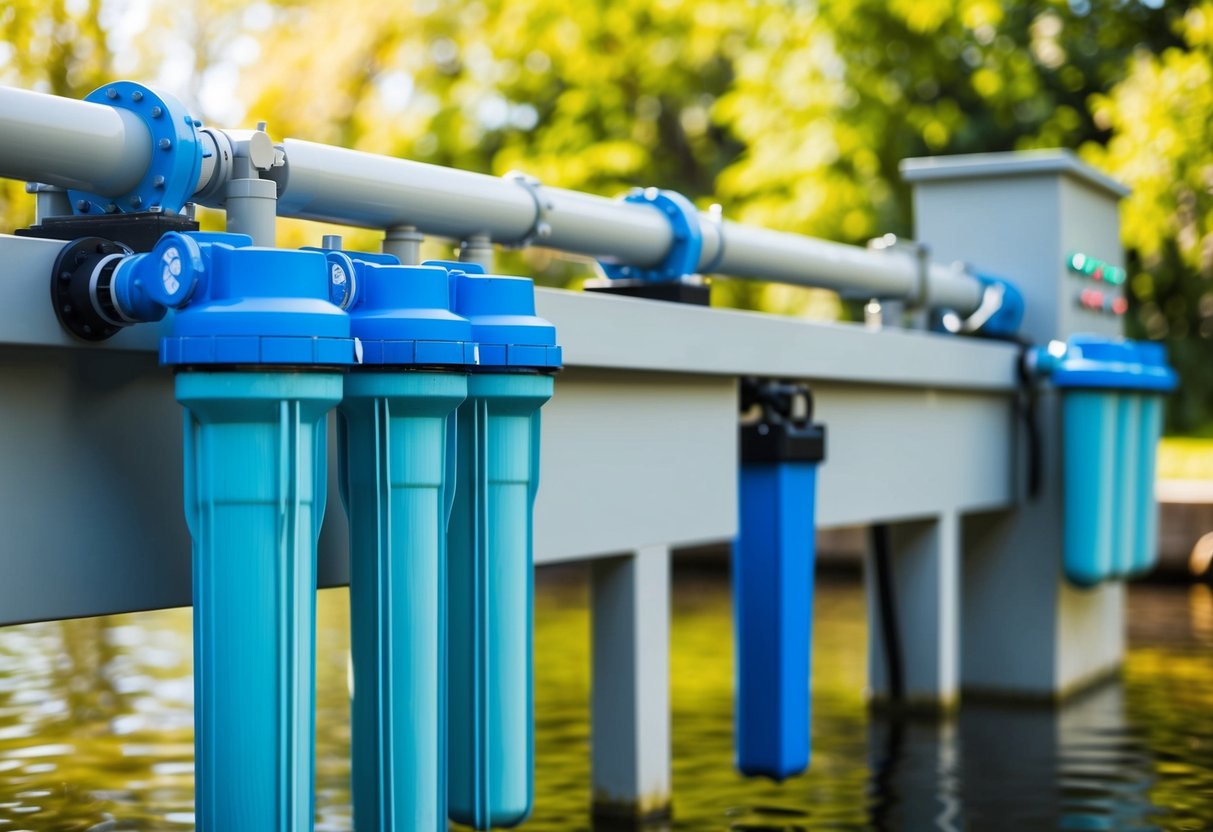
Removing barium from drinking water requires specific treatment methods. These include both common and advanced approaches to make water safe for consumption.
Conventional Treatment Methods
Ion exchange is a popular way to remove barium from water. This process uses special resins to swap barium ions for safer ones.
The resin beads attract and hold onto barium, releasing harmless ions instead.
Lime softening is another standard method. It involves adding lime to water, which makes barium form solid particles. These particles then settle out of the water. Filters can catch any remaining bits.
Reverse osmosis pushes water through a very fine membrane. This membrane blocks barium and other large particles while letting clean water pass through.
It’s good for home use but can be costly for large systems.
Advanced Purification Processes
Electrodialysis uses electricity and membranes to pull barium out of water. The electric current moves barium ions through special membranes, separating them from the clean water.
Nanofiltration is like a super-fine strainer for water. It uses tiny pores to catch barium while letting water molecules flow through. This method works well for removing other harmful substances too.
Some new methods use special materials that grab onto barium. These include things like activated carbon with added chemicals.
They can trap barium as water flows past them.
Related Contaminants in Drinking Water
Drinking water can contain various harmful substances besides barium. These contaminants may come from natural sources or human activities. They can cause health problems if present in high amounts.
Cadmium
Cadmium in water often comes from industrial waste and old pipes. It can build up in the body over time.
Long-term exposure may lead to kidney damage and brittle bones.
People who smoke or work with metals face a higher risk. Cadmium levels in U.S. drinking water are usually low. But some areas have higher amounts due to pollution.
The EPA limits cadmium in drinking water to 5 parts per billion. Home water filters can remove cadmium if it’s a concern.
Chromium
Chromium exists in two forms: chromium-3 and chromium-6. Chromium-3 is an essential nutrient. Chromium-6 can be harmful.
Chromium-6 may cause cancer if breathed in. Its effects when swallowed are less clear.
It can enter water from natural deposits or industrial runoff.
The EPA sets a limit of 100 parts per billion for total chromium in drinking water. Some states have stricter rules for chromium-6.
Regular testing can check chromium levels in water. Reverse osmosis filters can remove this metal if needed.
Lead
Lead is a serious health threat, especially for children. It can damage the brain and nervous system.
Lead in water often comes from old pipes and plumbing.
Even low levels of lead can be harmful. There is no safe level of lead exposure for children. Pregnant women and infants are also at high risk.
The EPA requires action if lead exceeds 15 parts per billion in drinking water. Many cities are working to remove lead pipes from their water systems.
Using cold water for drinking and cooking can reduce lead exposure. Flushing pipes before use also helps.
Nitrate
Nitrate in water often comes from fertilizers and animal waste. It’s a bigger problem in rural areas with many farms.
High nitrate levels can be dangerous for babies.
Nitrate can cause “blue baby syndrome” in infants. This serious condition reduces oxygen in the blood. Adults with certain health issues may also be at risk.
The EPA limits nitrate in drinking water to 10 parts per million. Wells in farming areas should be tested regularly for nitrate.
Boiling water does not remove nitrate. Special filters or treatment systems are needed to reduce high nitrate levels.
Selenium
Selenium is a nutrient the body needs in small amounts. But too much can be harmful.
It can enter water from natural sources or industrial pollution.
High selenium intake may cause hair loss, nail problems, and nerve damage. The risk is higher in areas with selenium-rich soils.
The EPA sets a limit of 50 parts per billion for selenium in drinking water. Most public water supplies stay well below this level.
Reverse osmosis filters can remove excess selenium from water. Regular testing is important in areas known to have high selenium levels.
Public Health Initiatives
Addressing barium in drinking water requires a mix of education and policy changes. These efforts aim to protect public health by reducing exposure to high barium levels.
Community Education
Public health officials work to inform people about barium in drinking water.
They create easy-to-understand materials about barium’s health effects. These include fact sheets, videos, and social media posts.
Local health departments hold town halls to answer questions. They explain how to test well water for barium. Officials also teach about water filters that remove barium.
Schools add lessons on safe drinking water to their science classes. Students learn to spot signs of water contamination. They also discover how barium enters water supplies.
Policy and Legislation
Governments set legal limits for barium in public water. The U.S. Environmental Protection Agency caps it at 2 mg/L. Water suppliers must test for barium regularly.
Some areas require well owners to test their water yearly. If levels are high, they must treat the water or find a new source. Grants help low-income families pay for water treatment.
Laws push industries to cut barium waste. Strict rules govern how companies dispose of barium-rich materials. Fines punish those who pollute water sources with barium.
Frequently Asked Questions
Barium in drinking water raises important concerns about safety standards, health impacts, and contamination sources. Proper understanding of these issues helps ensure safe water consumption.
What regulatory standards govern the acceptable levels of barium in drinking water?
The U.S. Environmental Protection Agency sets a maximum contaminant level for barium in drinking water at 2 mg/L. This standard aims to protect public health while balancing feasibility and cost considerations.
Water suppliers must test for barium and ensure levels stay below this limit. Some states may have stricter standards.
How does barium in drinking water impact human health?
Barium exposure through drinking water can affect various body systems. The kidneys are particularly sensitive to long-term barium exposure.
High doses may cause changes in heart rhythm, blood pressure, and nerve responses. Children and pregnant women face higher risks from barium exposure.
Are there any notable side effects associated with exposure to barium?
Short-term exposure to high levels of barium can cause nausea, vomiting, and diarrhea.
Muscle weakness and changes in blood pressure may also occur.
Long-term exposure might lead to kidney damage. In severe cases, barium poisoning can cause difficulty breathing and heart rhythm problems.
What methods are effective for removing barium from drinking water?
Ion exchange and reverse osmosis systems can effectively remove barium from water. Activated carbon filters may also help reduce barium levels.
For whole-house treatment, water softeners can be useful. Boiling water does not remove barium and may actually increase its concentration.
What are common symptoms indicating potential barium poisoning from water?
Early signs of barium poisoning include vomiting, abdominal cramps, and diarrhea. These symptoms may appear within hours of exposure.
More severe cases might show muscle weakness, breathing difficulties, or changes in heart rhythm. If these symptoms occur after drinking water, seek medical attention promptly.
What are the primary sources through which barium contamination occurs in water supplies?
Barium can enter water supplies through natural processes like erosion of barium-containing minerals.
Industrial activities, such as drilling operations and manufacturing, may also contribute.
Improper disposal of barium-containing products can lead to groundwater contamination.
Some regions have naturally higher levels of barium in soil and rock formations.