Atrazine is a common weed killer used in farming. It can get into our drinking water from fields where it’s sprayed.
This has made some people worry about their water safety.
The U.S. Environmental Protection Agency sets a limit of 3 parts per billion of atrazine in drinking water to protect public health. Water companies test for it to make sure levels stay low.
Some places have higher amounts than others.
Studies have looked at how atrazine in water might affect people. Researchers have examined links between atrazine exposure and birth outcomes. They want to know if it could cause problems during pregnancy.
More research is needed to fully understand the risks.
Key Takeaways
- Atrazine is a pesticide that can enter drinking water from farm runoff.
- The EPA limits atrazine in drinking water to 3 parts per billion.
- More studies are needed to determine atrazine’s health effects.
Atrazine Overview
Atrazine is a widely used herbicide in agriculture that has raised concerns about its presence in drinking water. It has been the subject of regulations and standards to protect public health.
Chemical Profile
Atrazine is a synthetic chemical compound used as an herbicide. It belongs to the triazine class of herbicides.
Atrazine works by inhibiting photosynthesis in weeds. Its chemical formula is C8H14ClN5.
Atrazine is a white, crystalline solid at room temperature. It has low solubility in water but can persist in the environment.
The half-life of atrazine in soil ranges from weeks to several months depending on conditions.
Use in Agriculture
Atrazine is one of the most commonly used herbicides in American agriculture. It helps control broadleaf and grassy weeds in crops like:
- Corn
- Sorghum
- Sugarcane
Farmers apply atrazine before and after planting. It is often used along with other herbicides like glyphosate.
Atrazine improves crop yields by reducing weed competition for water and nutrients.
The widespread use of atrazine has led to concerns about runoff into water sources. This has prompted ongoing study of its environmental impacts.
Regulation and Standards
The Environmental Protection Agency (EPA) regulates atrazine use under the Federal Insecticide, Fungicide, and Rodenticide Act (FIFRA). The EPA has set standards for atrazine in drinking water under the Safe Drinking Water Act.
The current federal legal limit for atrazine in drinking water is 3 parts per billion (ppb). This is the maximum contaminant level (MCL) allowed.
Some states have stricter standards.
The EPA reviews atrazine regulations periodically. They consider new research on health effects and environmental impacts.
Balancing agricultural benefits with potential risks remains an ongoing challenge.
Atrazine in Drinking Water
Atrazine is a widely used herbicide that can find its way into drinking water sources. It poses risks to human health and the environment when present in water supplies.
Sources of Contamination
Atrazine enters drinking water mainly through agricultural runoff. Farmers apply it to crops like corn and sugarcane to control weeds.
Rain and irrigation wash atrazine from fields into nearby streams and rivers.
The chemical can seep into groundwater as well. This affects both surface water and underground aquifers used for drinking supplies.
Urban areas also contribute to atrazine pollution. People use it on lawns and gardens. Stormwater carries it into local waterways.
The EPA monitors atrazine levels in public water systems. But private wells may have higher, undetected amounts.
Health Implications
Exposure to atrazine in drinking water raises public health concerns. Studies link it to several health issues.
Atrazine may disrupt the endocrine system. This can affect hormones and reproduction. Pregnant women exposed to atrazine face higher risks.
Research shows links between atrazine and:
- Low birth weight
- Preterm delivery
- Reproductive system problems
Some studies suggest a possible connection to ovarian cancer. But more research is needed to confirm this link.
The EPA sets limits on atrazine in drinking water. Yet, even low levels might cause harm over time.
Environmental Impact
Atrazine harms more than human health. It also damages aquatic ecosystems.
Fish and amphibians are very sensitive to this chemical. It can cause:
- Deformed limbs in frogs
- Reduced reproduction in fish
- Changes in fish behavior
Atrazine runoff affects entire aquatic communities. It kills algae and disrupts the food chain.
The chemical persists in the environment. It breaks down slowly, especially in cold water. This means its effects can last long after it’s applied.
Efforts to reduce atrazine use aim to protect both human health and nature. But its widespread use makes this a complex challenge.
Detection and Monitoring
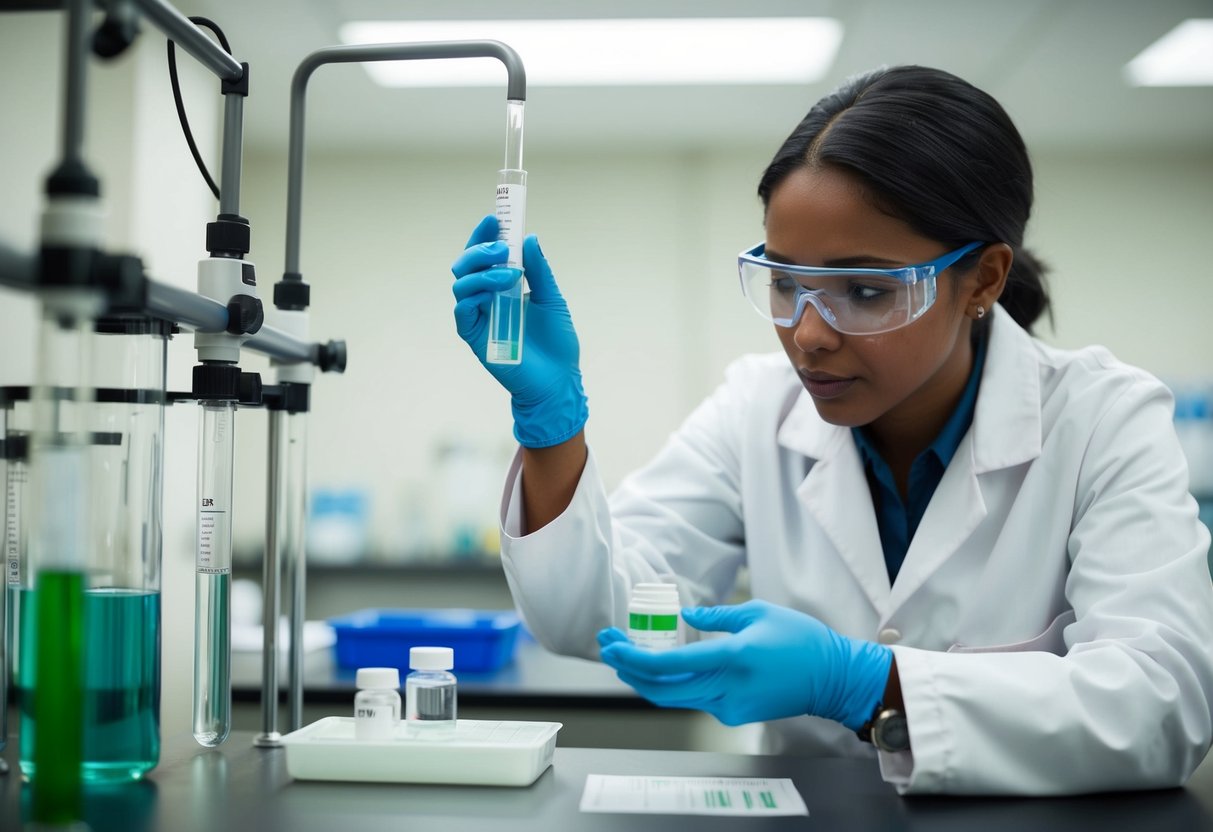
Water systems regularly check for atrazine in drinking water. They use specific methods to find and measure this pesticide. The EPA also has programs to track atrazine levels across the country.
EPA Monitoring Programs
The EPA runs the Atrazine Monitoring Program to check atrazine levels in public water systems. This program focuses on areas where atrazine use is high.
It collects data from community water systems in many states.
The program tests water samples throughout the year. It looks at both raw and treated water. This helps track how well treatment methods work to remove atrazine.
Results from this monitoring help the EPA make rules about atrazine use. They also guide water treatment plans in affected areas.
Testing Methods
Labs use different ways to test for atrazine in water. Gas chromatography-mass spectrometry (GC-MS) is a common method. It can detect very small amounts of atrazine.
Immunoassays are another testing option. These tests are faster and cheaper than GC-MS. They work well for initial screening of water samples.
Some new methods can find even lower levels of atrazine. These include special sensors that can detect tiny amounts in tap water.
Water systems also test for deethylatrazine. This is a breakdown product of atrazine. Its presence can show past atrazine contamination.
Risk Management and Prevention
Protecting drinking water from atrazine contamination requires careful assessment, effective treatment, and strong regulations. Communities and water utilities can take steps to reduce risks and ensure safe water supplies.
Risk Assessment
Ecological risk assessments help determine atrazine’s potential impacts on aquatic ecosystems and human health. These assessments look at atrazine concentrations in surface waters and groundwater. They also examine exposure pathways and effects on plants and animals.
The Environmental Protection Agency (EPA) sets safety thresholds based on this data. Currently, the EPA’s maximum contaminant level for atrazine in drinking water is 3 parts per billion.
Regular water quality monitoring is crucial. It helps detect any violations of safety standards. Many states have programs to test rural wells for pesticides like atrazine.
Water Treatment Solutions
Water treatment plants can remove atrazine through various methods:
- Activated carbon filtration
- Reverse osmosis
- Ozonation
- Advanced oxidation processes
Home water filters with activated carbon can also reduce atrazine levels. However, their effectiveness varies. Consumers should look for filters certified to remove atrazine.
Regular maintenance of treatment systems is key. This ensures they continue to work properly. Water utilities must also stay up-to-date on the latest treatment technologies.
Policy and Regulation
The Safe Drinking Water Act gives the EPA authority to regulate contaminants like atrazine. The agency sets and enforces standards for public water systems.
Some key regulatory measures include:
- Setting maximum contaminant levels
- Requiring monitoring and reporting
- Mandating public notifications of violations
States can set stricter standards than federal limits. Some have banned or restricted atrazine use to protect water supplies.
Agricultural policies also play a role. Best management practices for atrazine use can reduce runoff into water sources. These include buffer zones near waterways and proper application techniques.
Frequently Asked Questions
Atrazine in drinking water raises important concerns about health impacts, environmental effects, and regulatory standards. Common questions address human and wildlife risks, safe exposure levels, and removal methods.
What are the potential health impacts of atrazine on human males?
Atrazine exposure may affect male reproductive health. Studies suggest it could lower sperm count and quality in men. Some research links atrazine to hormone disruption and potential fertility issues.
How does atrazine affect amphibians such as frogs?
Atrazine can disrupt frog development and reproduction. It may cause male frogs to develop female traits. This chemical has been linked to reduced immune function in amphibians.
What is the safe level of atrazine in drinking water according to health regulations?
The U.S. Environmental Protection Agency set a maximum contaminant level of 3 parts per billion for atrazine in drinking water. The European Union limit is much lower at 0.1 μg/L.
What are the known side effects of atrazine exposure?
Short-term atrazine exposure may cause skin and eye irritation. Long-term exposure has been linked to hormone imbalances and reproductive issues. Some studies suggest connections to certain cancers, but more research is needed.
Which regions or states have reported the presence of atrazine in their drinking water supplies?
Ohio reported atrazine contamination in some public water systems.
A study found 33 million Americans were exposed to atrazine through drinking water.
Quebec, Canada also detected atrazine in drinking water supplies.
What methods are effective at removing atrazine from drinking water?
Activated carbon filtration can remove atrazine from water.
Reverse osmosis systems are also effective.
Some water treatment plants use advanced oxidation processes to break down atrazine.