Asbestos in drinking water is a concern that has gained attention in recent years. This naturally occurring mineral, once widely used in construction and manufacturing, can find its way into water supplies through various means.
Ingesting asbestos fibers through drinking water may pose health risks, particularly when exposure occurs over long periods.

Asbestos fibers have been found in the drinking water supplies of several cities. These fibers can enter water systems through the erosion of natural deposits or the breakdown of asbestos-containing materials used in water distribution systems.
While the presence of asbestos in water does not always mean immediate danger, it’s important to be aware of potential risks and take steps to ensure safe drinking water.
Studies have shown that asbestos-contaminated drinking water can impact household air quality. This highlights the need for proper water treatment and regular testing to minimize exposure risks.
Many countries have implemented regulations and guidelines to monitor and control asbestos levels in drinking water, aiming to protect public health.
Key Takeaways
- Asbestos can enter drinking water through natural deposits or aging infrastructure.
- Long-term exposure to asbestos in water may pose health risks to consumers.
- Regular water testing and proper treatment are essential for ensuring safe drinking water.
What Is Asbestos?
Asbestos is a group of naturally occurring minerals made up of thin, durable fibers. It was widely used in construction and manufacturing for decades due to its heat-resistant properties. Asbestos poses serious health risks when its fibers are inhaled.
Types of Asbestos
There are six main types of asbestos minerals:
- Chrysotile (white asbestos)
- Amosite (brown asbestos)
- Crocidolite (blue asbestos)
- Anthophyllite
- Tremolite
- Actinolite
Chrysotile is the most common type, making up about 95% of asbestos in products. It has curly fibers that can be woven. The other types have straight, needle-like fibers. All types can be harmful if inhaled.
History of Asbestos Use
Asbestos use dates back thousands of years. Ancient civilizations used it in cloth and pottery. Its fire-resistant qualities made it popular in the Industrial Revolution.
In the 20th century, asbestos became widely used in:
- Building materials (insulation, roofing, tiles)
- Vehicle parts (brake pads, clutches)
- Textiles and fabrics
- Asbestos cement products
Its use peaked in the 1970s before health concerns emerged.
Asbestos Ban and Regulations
As health risks became clear, many countries began to regulate or ban asbestos. The U.S. Environmental Protection Agency (EPA) banned some asbestos products in 1989. This ban was later overturned, but strict regulations remain.
Today, over 60 countries have banned asbestos. The U.S. still allows some uses but heavily regulates them. Key regulations include:
- Bans on new uses of asbestos
- Strict controls on existing asbestos in buildings
- Safety rules for asbestos removal
- Limits on asbestos in products and drinking water
These rules aim to protect public health while allowing limited, controlled use of asbestos.
Asbestos in the Environment
Asbestos occurs both naturally and due to human activities. It can be found in various parts of the environment, posing potential health risks.
Natural Occurrences
Asbestos forms naturally in certain rock formations. It’s often found in serpentine rocks and other metamorphic rocks. These rocks can erode over time, releasing asbestos fibers into the air and soil.
Naturally occurring asbestos is most common in mountainous areas. It can also be present in valleys and along fault lines. When undisturbed, it usually doesn’t pose a major health risk.
Weather and natural events can disturb asbestos-containing rocks. This includes:
- Earthquakes
- Landslides
- Heavy rainfall
These events can release asbestos fibers into the air and water.
Asbestos in Soil and Bedrock
Asbestos can be present in soil and bedrock due to natural formations or human activities. In areas with naturally occurring asbestos, the soil may contain asbestos fibers.
Construction and farming in these areas can disturb the soil. This can release asbestos fibers into the air. Drinking water can be contaminated when it flows through asbestos-containing soil or bedrock.
The amount of asbestos in soil varies widely. It depends on:
- Local geology
- Past industrial activities
- Weathering of asbestos-containing materials
Testing can determine asbestos levels in soil and bedrock. This is important before starting construction projects in high-risk areas.
Asbestos from Mining and Industries
Mining and industrial activities are major sources of environmental asbestos. Asbestos mining releases large amounts of fibers into the air and surrounding areas.
Mining areas often have high levels of asbestos in water and soil. This can spread to nearby communities. Mining tailings, the leftover material from mining, can contain asbestos. These tailings can contaminate soil and water sources.
Other industries that can release asbestos into the environment include:
- Construction
- Shipbuilding
- Automotive manufacturing
Improper disposal of asbestos-containing materials can also lead to environmental contamination. This is why strict regulations exist for asbestos handling and disposal.
Airborne asbestos from these sources can travel long distances. It can settle in soil and water far from its original source.
Asbestos in Drinking Water
Asbestos can enter drinking water through various sources. It poses potential health risks when ingested. Regular testing and proper water treatment are crucial to ensure safe drinking water.
Sources of Contamination
Asbestos can contaminate drinking water from natural deposits and human activities. Natural erosion of asbestos-containing rocks and soil can release fibers into water sources.
Industrial processes and waste disposal are major human-caused sources. Asbestos mines near water supplies can lead to contamination. Construction and demolition of buildings with asbestos materials can also release fibers into the environment.
Weathering of asbestos-containing materials like roofing and siding can wash fibers into water. Old dump sites may leach asbestos into groundwater. Some water treatment chemicals used in the past contained asbestos, potentially contaminating supplies.
Asbestos-Cement Pipes in Water Systems
Many water systems use asbestos-cement pipes to distribute drinking water. These pipes can release asbestos fibers as they age and deteriorate.
Factors affecting fiber release include:
- Water acidity
- Flow rate
- Pipe age
- Water temperature
Acidic water tends to corrode pipes more quickly, increasing fiber release. High flow rates can also wear down pipe walls faster.
The Environmental Protection Agency (EPA) regulates asbestos levels in drinking water. They set a maximum contaminant level of 7 million fibers per liter for fibers longer than 10 micrometers.
Testing and Monitoring Water Quality
Regular testing is essential to detect asbestos in drinking water. Water suppliers must monitor asbestos levels to comply with EPA regulations.
Common testing methods include:
- Transmission electron microscopy (TEM)
- Scanning electron microscopy (SEM)
- Phase contrast microscopy (PCM)
TEM is the most accurate method for identifying and counting asbestos fibers. It can detect very small fibers and distinguish between different types of asbestos.
Water treatment plants use various techniques to remove asbestos. These include coagulation, sedimentation, and filtration. Filtered tap water often contains fewer asbestos fibers than untreated water.
Home water filters can provide extra protection. Look for filters certified to remove asbestos particles.
Health Implications of Asbestos
Asbestos exposure through drinking water poses serious health risks. Research links ingested asbestos to increased cancer rates and other diseases. Health organizations have established guidelines to protect public safety.
Asbestos Exposure and Cancer Risk
Studies suggest that ingesting asbestos fibers in drinking water may raise cancer risk. The tiny fibers can pass through the digestive system and potentially cause damage. Some research indicates higher rates of gastrointestinal cancers in areas with asbestos-contaminated water.
While the link is not definitively proven, experts advise caution. The World Health Organization classifies asbestos as a known carcinogen. Even low levels of exposure may increase cancer risk over time.
Specific cancers potentially linked to ingested asbestos include:
- Stomach cancer
- Colorectal cancer
- Esophageal cancer
Specific Asbestos-Related Diseases
Asbestos exposure can lead to several serious health conditions. Mesothelioma, an aggressive cancer affecting the lining of the lungs and abdomen, is strongly associated with asbestos. This rare cancer often develops decades after initial exposure.
Other asbestos-related diseases include:
- Asbestosis: Scarring of lung tissue
- Pleural plaques: Thickening of the lung lining
- Lung cancer
These conditions can significantly impact lifespan and quality of life. Early detection and treatment are crucial for managing asbestos-related illnesses.
Health Canada and WHO Guidelines
Health Canada and the World Health Organization have established guidelines for asbestos in drinking water. These aim to minimize health risks while acknowledging practical considerations.
WHO guidelines state there is no safe level of asbestos exposure. They recommend water suppliers take all reasonable steps to reduce asbestos levels. Health Canada sets a maximum acceptable concentration of 7 million fibers per liter.
Both organizations emphasize:
- Regular water testing
- Proper maintenance of water infrastructure
- Replacing asbestos-cement pipes when possible
These guidelines help protect public health while balancing technical and economic factors.
Regulatory Standards and Safety Measures
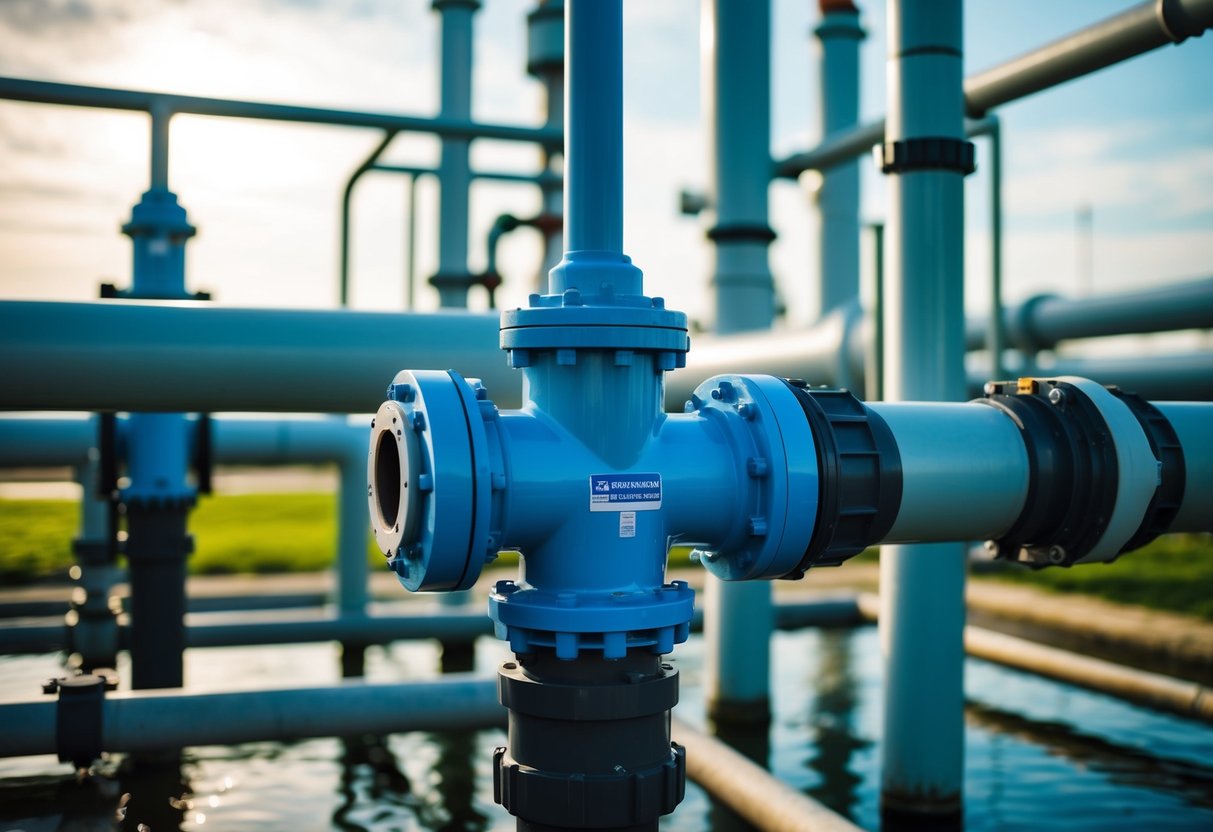
Governments set rules for asbestos in drinking water. These rules aim to keep people safe. They cover how much asbestos can be in water and what to do about it.
Asbestos Concentration Limits
The Environmental Protection Agency (EPA) sets limits for asbestos in U.S. drinking water. The current limit is 7 million fibers per liter (MFL) for fibers longer than 10 micrometers. This rule helps protect public health.
Water systems must test for asbestos. If levels are too high, they must fix the problem. The EPA checks these test results. They make sure water systems follow the rules.
Some countries have stricter limits. Others don’t regulate asbestos in water at all. The World Health Organization (WHO) gives advice on safe levels worldwide.
Controlling Asbestos in Water Supplies
Water systems use different methods to control asbestos.
One key step is fixing or replacing old pipes.
Many older water pipes contain asbestos. As they break down, fibers can get into the water.
Filtration is another important method.
Special filters can remove asbestos fibers from water.
Large water systems often use these filters.
Regular testing helps find problems early.
If tests show high levels, water systems must act fast.
They might need to use different water sources or improve their treatment methods.
Public Health Initiatives
Many countries have programs to teach people about asbestos risks.
These programs often focus on both air and water exposure. They help people understand how to stay safe.
Some areas offer free water testing for homes.
This helps find problems in private wells or old plumbing.
If tests show high levels, experts can suggest ways to fix it.
Public health offices also track asbestos-related health issues.
This data helps them know if current rules are working.
It can also show where more action is needed.
Schools often get special attention.
Many older school buildings have asbestos materials.
Regular checks help keep students and staff safe.
Asbestos Management and Removal
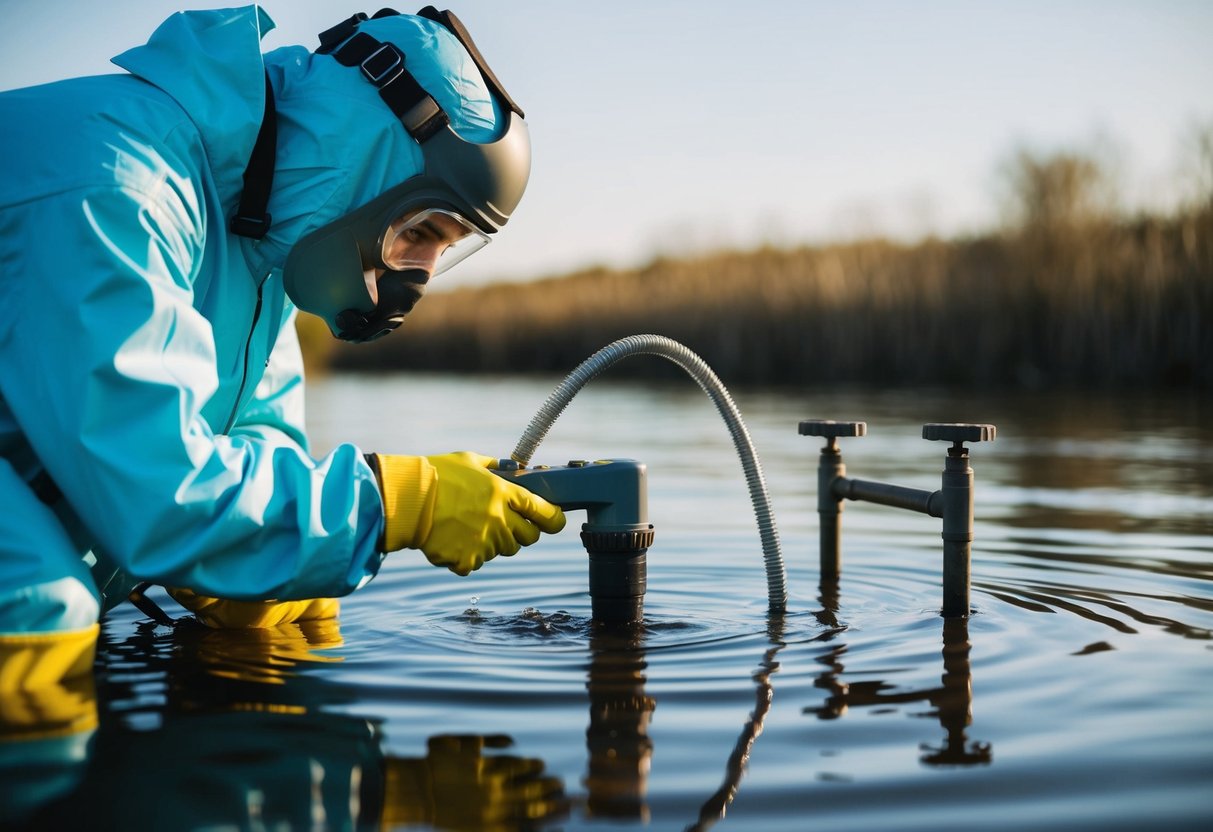
Proper handling of asbestos is crucial for protecting public health.
Safe practices must be followed when dealing with asbestos in buildings and water systems.
Handling Asbestos in Buildings
Asbestos was commonly used in building materials before its health risks were known. It can be found in insulation, floor tiles, and other parts of older structures.
Building owners should have asbestos-containing materials inspected regularly.
Damaged asbestos must be repaired or removed by trained professionals.
Workers need proper protective equipment when handling asbestos.
This includes respirators, disposable coveralls, and gloves.
Asbestos fibers should not be disturbed, as this can release them into the air.
Intact asbestos materials are often safer left in place than removed.
Renovation and Demolition Protocols
Special care is needed when renovating or demolishing buildings with asbestos.
The work area must be sealed off to prevent asbestos from spreading.
Air filters and negative air pressure systems help contain fibers.
Wet methods are used to reduce dust when removing asbestos materials.
All asbestos waste must be bagged and labeled properly.
Workers decontaminate before leaving the work zone.
After removal, the area is thoroughly cleaned and air tested to ensure no asbestos remains.
Only when tests show the air is safe can the space be used again.
Disposal of Asbestos Materials
Asbestos waste requires special handling and disposal.
It can’t go in regular trash or construction debris.
Asbestos-containing waste must be wetted, sealed in leak-tight containers, and labeled.
It’s then taken to landfills licensed to accept asbestos.
Some countries allow asbestos cement pipes to be buried in place rather than removed.
This can reduce the risk of fiber release during excavation.
Asbestos waste should never be crushed or broken up.
This can release dangerous fibers into the air and water.
Proper disposal is key to protecting workers and the public from asbestos exposure.
Strict regulations govern how asbestos waste is handled and where it can be disposed of.
Prevention and Public Awareness
Stopping asbestos from getting into drinking water is very important.
Old pipes made with asbestos can break down over time. This can let asbestos fibers get into the water supply.
Water systems need to check their pipes often.
If they find asbestos pipes, they should replace them.
This helps prevent asbestos exposure through drinking water.
People should know about the risks of asbestos in water.
Public awareness can help keep everyone safe. Here are some key points:
- Asbestos fibers are too small to see
- They can cause health problems if swallowed
- Old buildings may have asbestos in pipes
Water filters can help remove asbestos from tap water. But not all filters work for this.
People should look for filters that say they remove asbestos.
Regular water testing is also important.
This can find asbestos before it becomes a big problem.
If tests show asbestos, people should use other water sources until it’s fixed.
While asbestos in water is rare, it’s still a concern. Being aware and taking steps to prevent it can protect people’s health.
Frequently Asked Questions
Asbestos in drinking water raises important concerns about detection, health effects, and solutions. Key issues include testing methods, potential symptoms, recommended actions, and alternatives to asbestos pipes.
What are the methods for analyzing asbestos contamination in drinking water?
Scientists use electron microscopy to analyze water samples for asbestos fibers. This technique can detect even tiny fibers.
Other methods include light microscopy and X-ray diffraction.
Water filtration systems capture fibers for analysis.
Labs then count and measure the fibers to determine contamination levels.
Can asbestos from water pipes affect health, and what are the symptoms of exposure?
Asbestos in water may pose health risks, but evidence is limited.
Possible symptoms include abdominal pain and digestive issues.
Long-term exposure might increase cancer risk. However, drinking water exposure differs from inhaling asbestos fibers.
What is the recommended action if asbestos is detected in home drinking water?
If tests show asbestos, homeowners should install filters certified to remove asbestos fibers.
Reverse osmosis and certain activated carbon filters work well.
Replacing old pipes is another option.
Consulting local water authorities for guidance is advisable.
How do you test for the presence of asbestos in residential water supply systems?
Homeowners can collect water samples and send them to certified labs.
The lab will use specialized equipment to detect asbestos fibers.
It’s important to follow proper sampling procedures.
Multiple samples may be needed for accurate results.
What has been done to regulate and prevent asbestos contamination in municipal water systems?
Many countries have set limits on asbestos in drinking water.
Water treatment plants use filtration to remove fibers.
Regular testing of water supplies helps detect contamination.
Old asbestos pipes are being replaced in many areas.
What alternatives are available for replacing old asbestos water pipes?
Modern alternatives include PVC, ductile iron, and copper pipes. These materials don’t contain asbestos and are safer for drinking water.
Some cities use pipe lining techniques to seal old pipes without replacing them. This can be a cost-effective solution.