Antimony is a chemical element that can be found in drinking water. It’s important to know about its presence and potential effects on health.
The safe limit for antimony in drinking water is 5 micrograms per liter, as set by many regulatory agencies.

Antimony can enter water sources through natural processes and human activities. It’s used in various industries, which can lead to its release into the environment.
While low levels of antimony are common, higher concentrations may pose health risks.
Removing antimony from drinking water is possible through different treatment methods.
These include coagulation, flocculation, and sedimentation. Water treatment plants use these techniques to ensure the water that reaches our taps is safe to drink.
Key Takeaways
- Antimony in drinking water has a safety limit of 5 micrograms per liter.
- Both natural processes and human activities can introduce antimony into water sources.
- Water treatment methods can effectively remove antimony from drinking water.
Properties of Antimony in Context
Antimony is a chemical element with unique properties that affect its behavior in drinking water. It exists in different forms, with antimony trioxide being a common one.
Antimony can dissolve in water, especially at higher temperatures. When water bottles are stored in hot places like car trunks, antimony levels may increase.
Some key properties of antimony include:
- Metallic luster
- Brittle texture
- Poor conductor of heat and electricity
Antimony compounds are used as flame retardants in many products. This industrial use can lead to antimony entering water sources.
Like other heavy metals, antimony can be toxic to humans in high doses. Its presence in drinking water is regulated in many countries.
The chemical behavior of antimony in water depends on factors like:
• pH level
• Temperature
• Presence of other substances
Public Health Concerns
Antimony in drinking water poses several health risks. Exposure can lead to both short-term and long-term health issues. Regulatory bodies have set standards to protect public health.
Health Effects of Antimony Exposure
Antimony exposure through drinking water can cause various health problems. Short-term effects may include nausea, vomiting, and diarrhea. Long-term exposure has been linked to more serious issues.
Prolonged intake of antimony can affect the heart, lungs, and liver. It may also increase the risk of certain cancers. Some studies suggest antimony could be a potential carcinogen.
Pregnant women and young children are more vulnerable to antimony’s effects. It can cross the placenta and may affect fetal development.
Comparing Antimony with Similar Contaminants
Antimony shares similarities with other metal contaminants in drinking water. Like arsenic and lead, it can accumulate in the body over time.
Compared to arsenic, antimony is generally less toxic. However, it still poses significant health risks at higher concentrations.
Unlike lead, which mainly affects the nervous system, antimony primarily targets the gastrointestinal tract and cardiovascular system.
Both antimony and arsenic can occur naturally in water sources. They can also be introduced through industrial pollution.
Regulatory Standards and World Health Organization Guidelines
The [U.S. Environmental Protection Agency (EPA) has set a maximum contaminant level](https://www.mdpi.com/1660-4601/7/12/4267) for antimony in drinking water at 6 parts per billion (ppb). This standard is part of the National Primary Drinking Water Regulations.
The World Health Organization (WHO) guidelines for drinking-water quality recommend a slightly higher limit of 20 ppb for antimony.
Many countries have adopted these standards or set their own limits. Regular testing of public water supplies helps ensure compliance with these regulations.
Water treatment methods like reverse osmosis and activated carbon filtration can effectively remove antimony from drinking water.
Sources of Antimony in Drinking Water

Antimony can enter drinking water through various pathways. These include leaching from pipes, industrial pollution, and its presence alongside other contaminants.
Leaching from Pipes and Plumbing
Antimony often enters drinking water through plumbing materials. Some pipes and fittings contain antimony, which can slowly dissolve into the water over time.
Older plumbing systems are more likely to leach antimony. This is especially true in areas with acidic or soft water, which can speed up the leaching process.
Heat also plays a role. Hot water tanks and pipes can increase antimony levels in drinking water. Regular testing of household water can help detect this issue early.
Industrial Discharge and Environmental Contamination
Industrial activities are a major source of antimony in water supplies. Mining, smelting, and manufacturing processes often release antimony into the environment.
Natural phenomena and human activities can spread antimony in soil and water. Weathering of rocks and volcanic activity naturally release small amounts of antimony.
Improper disposal of electronics and batteries can lead to antimony contamination. These items often contain antimony compounds that can leach into groundwater.
Agricultural runoff may also contribute to antimony levels in water sources. Some pesticides and fertilizers contain trace amounts of this element.
Correlation with Other Heavy Metals
Antimony often appears alongside other heavy metals in drinking water. This is because many contamination sources release multiple pollutants at once.
Lead and copper are common companions of antimony in water systems. Old pipes that leach antimony may also release these metals.
Arsenic frequently occurs with antimony in areas with natural mineral deposits. Both elements can contaminate groundwater through similar processes.
Testing for antimony should include checks for other metals. A comprehensive water quality analysis can reveal patterns of contamination and help identify the source.
Water treatment methods that remove antimony often also reduce levels of other heavy metals. This makes addressing antimony contamination an effective way to improve overall water quality.
Analytical Methods for Detection
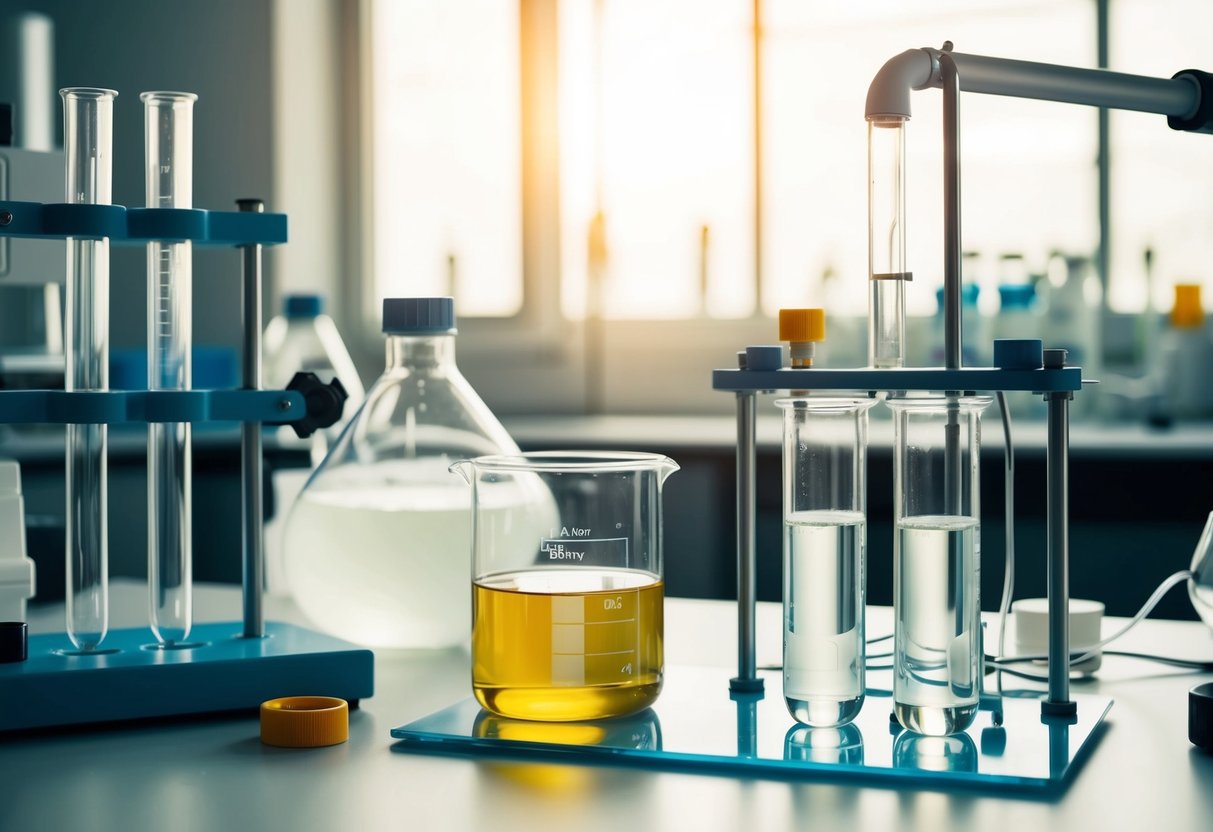
Detecting antimony in drinking water requires specialized techniques. These methods allow for precise measurement of antimony levels and help assess overall water quality.
Current Technologies for Antimony Measurement
Analytical methods for antimony detection include chromatographic and spectroscopic techniques. Atomic absorption spectrometry is a common approach. It can measure antimony at very low levels.
Another method is inductively coupled plasma mass spectrometry (ICP-MS). This technique offers high sensitivity and accuracy. It can detect multiple elements at once.
X-ray fluorescence is useful for quick, non-destructive testing. It works well for solid samples.
• Atomic absorption spectrometry
• Inductively coupled plasma mass spectrometry
• X-ray fluorescence
Electrochemical methods are also gaining popularity. They allow for on-site testing with portable devices.
Assessment of Water Quality
Water quality assessment goes beyond just measuring antimony. It looks at many factors that affect safety and taste.
pH levels, turbidity, and dissolved solids are key indicators. These are often tested alongside antimony concentrations.
Microbiological testing checks for harmful bacteria. This is crucial for ensuring water is safe to drink.
Many water treatment plants use online monitoring systems. These provide real-time data on water quality. They can quickly detect changes that may indicate contamination.
The Environmental Protection Agency sets standards for drinking water. These guidelines help determine if water is safe for consumption.
Regular testing and reporting are essential. They help maintain public trust in water supplies.
Water Treatment Techniques for Antimony

Removing antimony from drinking water requires specific treatment methods. These techniques vary in their effectiveness and complexity, with some better suited for different levels of contamination.
Traditional Treatments and Their Efficacy
Coagulation is a common method for antimony removal. It uses chemicals like ferric chloride to bind antimony particles. This process forms larger clumps that can be filtered out more easily.
Adsorption is another widely used technique. It employs materials that attract and hold antimony molecules on their surface. Activated carbon is a popular choice for this method.
These traditional methods work well for low to moderate antimony levels. Their effectiveness can vary based on water chemistry and the form of antimony present.
Advanced Treatment Methods
Reverse osmosis is a highly effective advanced treatment. It forces water through a membrane, leaving antimony and other contaminants behind. This method can remove over 95% of antimony in many cases.
Ion exchange is another sophisticated approach. It swaps antimony ions for harmless ones using special resins. This technique is particularly useful for removing specific forms of antimony.
These advanced methods often produce cleaner water. They can handle higher antimony concentrations but may be more expensive to implement and maintain.
Removal Mechanisms and Challenges
Antimony removal works through various mechanisms. These include charge neutralization, physical trapping, and chemical reactions. The success of each method depends on the antimony’s chemical form and the water’s properties.
One challenge is the presence of competing ions. These can interfere with antimony removal, making the process less effective. pH levels also play a crucial role, affecting how well treatments work.
Another issue is the formation of antimony complexes. These can be harder to remove and may require combined treatment approaches. Proper monitoring and adjustment of treatment methods are key to overcoming these challenges.
Mitigating Antimony Exposure

Reducing antimony in drinking water requires action from both public water systems and individual households. Effective strategies exist at multiple levels to limit exposure to this contaminant.
Best Practices for Public Water Systems
Public water systems play a crucial role in controlling antimony levels. They must regularly test water sources and implement treatment methods when needed.
Coagulation-filtration is an effective technique for removing antimony. This process uses chemicals to bind antimony particles, which are then filtered out.
Reverse osmosis is another powerful method. It forces water through a membrane, trapping antimony and other contaminants. Some systems use activated carbon filtration, which can absorb antimony from water.
Public water providers should also monitor their distribution systems. Old pipes can leach antimony into water. Replacing or lining these pipes can help reduce contamination.
Protective Measures for Individual Households
Homeowners can take steps to further reduce antimony exposure. Installing a point-of-use filter is a good start.
Look for filters certified to remove antimony, such as reverse osmosis or activated carbon systems.
For those who prefer bottled drinking water, choose brands that use glass or stainless steel containers. Some plastics, like polyethylene terephthalate (PET), can leach antimony into water.
Flushing taps before use, especially after periods of non-use, can help. This removes water that’s been sitting in pipes, potentially collecting contaminants.
Testing home water regularly is important. If high antimony levels are found, consult with local health authorities for guidance on next steps.
Antimony in Bottled Water
Bottled water can contain antimony due to its use in plastic containers. The levels and safety of antimony in bottled water depend on factors like storage conditions and bottle materials.
Assessing the Safety of Bottled Waters
Antimony concentrations in bottled water are usually low. Most brands meet safety guidelines set by health organizations.
Regular testing checks antimony levels. Agencies like the FDA monitor bottled water quality in the U.S.
Storage conditions affect antimony content. Heat and sunlight can increase antimony leaching.
Some studies found higher antimony in bottled water compared to tap water. But levels were still below health limits in most cases.
Consumers can check bottle labels for storage instructions. Proper storage helps keep antimony levels low.
Migration of Antimony from Plastic Containers
Antimony can leach from plastic bottles into water over time. The main source is polyethylene terephthalate (PET) plastic.
Factors affecting antimony migration:
- Storage temperature
- Exposure to sunlight
- Bottle color
- Storage time
Higher temperatures speed up antimony leaching. Sunlight exposure also increases migration rates.
Clear bottles may allow more antimony leaching than colored ones. Longer storage times can lead to higher antimony levels.
Antimony migration is usually slow. Proper storage and quick consumption help minimize exposure.
Environmental Impact and Aquatic Life

Antimony in drinking water can harm aquatic ecosystems and pose challenges for balancing water sanitation with environmental health. Its effects ripple through food chains and impact diverse species.
Effect of Antimony on Aquatic Ecosystems
Antimony enters water sources through natural processes and human activities. It can build up in sediments and aquatic organisms, affecting the whole ecosystem.
Fish and other aquatic life may suffer from exposure to high levels of antimony. In freshwater systems, antimony can change how plants and animals grow and reproduce. Some creatures are more sensitive to it than others, which can upset the balance of species in a habitat.
Antimony’s toxicity depends on its form and the water conditions. It can be more harmful when combined with other pollutants. Scientists study these effects to set safe limits for aquatic life.
Balancing Sanitation and Environmental Health
Water treatment often uses antimony compounds to kill germs. This helps protect public health. But too much antimony can harm the environment when it enters rivers and lakes.
Water managers face a tricky task. They must clean drinking water while also protecting aquatic life. This requires careful monitoring of antimony levels in treated water.
New technologies aim to reduce antimony use in water treatment. Some methods remove it from wastewater before release, while others find safer alternatives for disinfection.
Rules and guidelines help strike a balance. They set limits on antimony in drinking water and in water released to the environment. These standards aim to protect both human and aquatic health.
Frequently Asked Questions
Antimony in drinking water can pose health risks. Safety guidelines and testing methods aim to protect public health. Contamination sources and treatment options are key to managing antimony levels.
How does antimony affect human health?
Antimony can cause stomach pain and vomiting if swallowed. High levels may lead to liver and kidney damage. Long-term exposure might result in heart problems.
Skin contact with antimony can cause rashes. Breathing in antimony dust may irritate the lungs and cause breathing issues.
What are the recommended levels of antimony in drinking water according to health guidelines?
The World Health Organization suggests a maximum of 20 micrograms per liter of antimony in drinking water. The U.S. Environmental Protection Agency sets a stricter limit of 6 micrograms per liter.
These guidelines aim to protect public health while considering practical water treatment abilities.
What are common sources of antimony contamination in drinking water?
Mining activities can release antimony into water sources. Industrial waste from factories that make plastics or electronics may contain antimony.
Older plumbing fixtures and pipes can leach antimony into drinking water. Some water treatment chemicals also contain trace amounts of antimony.
What methods are typically used to test for antimony in water?
Labs often use atomic absorption spectroscopy to detect antimony in water. This method can measure very small amounts of the element.
Another common test is inductively coupled plasma mass spectrometry. This test is highly accurate and can detect multiple metals at once.
Can antimony in drinking water lead to cancer?
Some studies suggest a possible link between antimony exposure and certain cancers. However, more research is needed to confirm this connection.
The International Agency for Research on Cancer lists antimony trioxide as possibly carcinogenic to humans. This classification is based on limited evidence.
What treatment solutions are available for reducing antimony levels in water supplies?
Reverse osmosis systems can effectively remove antimony from water. These systems force water through a special membrane that traps contaminants.
Activated carbon filters can also reduce antimony levels. These filters use specially treated carbon to absorb antimony and other impurities.
Ion exchange is another method used to remove antimony. This process replaces antimony ions with safer ions, like sodium or potassium.