Aluminium is a common element found in drinking water. It can enter water supplies naturally or through water treatment processes.
Many people wonder if aluminium in their tap water is safe to drink.
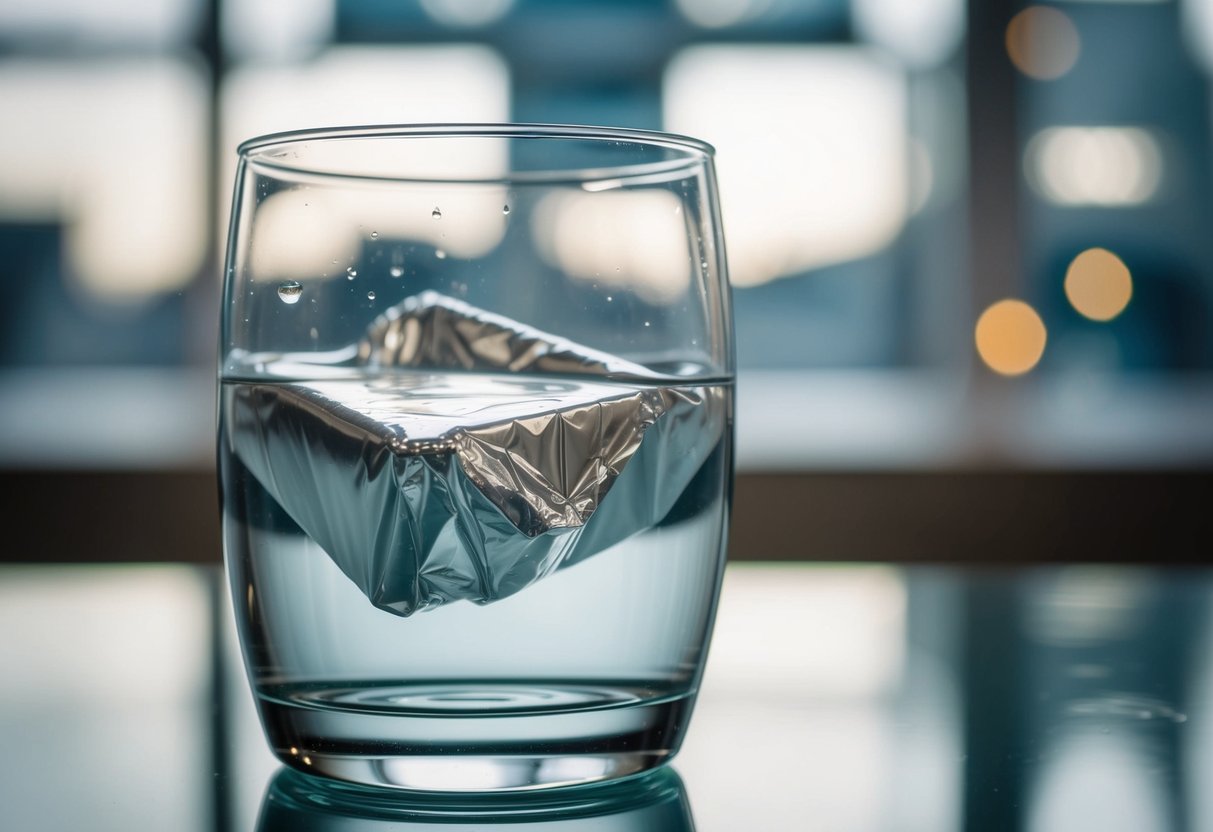
The World Health Organization (WHO) says aluminium levels up to 0.2 mg/L in drinking water are not harmful to human health. Most water supplies contain much lower amounts. Still, some worry about potential long-term effects of aluminium exposure through drinking water.
Water treatment plants often use aluminium-based chemicals to remove impurities. This can slightly increase aluminium levels in treated water.
Experts continue to study the impacts of aluminium in drinking water to ensure public safety. New methods aim to reduce aluminium while still providing clean, safe water.
Key Takeaways
- Aluminium in drinking water is generally within safe limits set by health organizations
- Water treatment processes can affect aluminium levels in tap water
- Ongoing research examines potential health effects of long-term aluminium exposure
Aluminium in Drinking Water: Overview
Aluminium is present in many drinking water sources. Its levels are regulated by health organizations due to potential health concerns.
Sources of Aluminium
Aluminium enters drinking water through natural and human-made processes. It occurs naturally in soil and rocks, leaching into water sources. Water treatment plants also use aluminium-based coagulants to remove impurities.
In untreated groundwater, aluminium levels are usually low. Surface waters can have higher concentrations due to acidic rain dissolving aluminium from soil.
Some household plumbing materials contain aluminium, which can leach into tap water. Older aluminium cookware may also add small amounts to water and food.
Regulatory Standards
The World Health Organization (WHO) and many countries set guidelines for aluminium in drinking water. These aim to balance health concerns with water treatment needs.
The WHO suggests a practical level of 0.1 to 0.2 mg/L of aluminium in drinking water. The U.S. Environmental Protection Agency (EPA) recommends keeping levels below 0.05 to 0.2 mg/L.
Some European countries have stricter limits. The UK, for example, sets a maximum of 0.2 mg/L for large water supplies.
Regulators continue to review these standards as new research emerges on aluminium’s health effects.
Health Effects of Aluminium
Aluminium exposure through drinking water has raised concerns about potential health impacts. Research has focused on possible links to neurological disorders and other health issues.
Aluminium and Alzheimer’s Disease
Aluminium in drinking water has been studied as a potential risk factor for Alzheimer’s disease. Some studies suggest a connection, but the evidence is not conclusive.
The World Health Organization has reviewed the data on aluminium and Alzheimer’s. They found that results are mixed and more research is needed.
Aluminium can cross the blood-brain barrier. This has led to theories about its role in cognitive decline. However, many experts believe other factors play a larger role in Alzheimer’s development.
Other Health Concerns
Aluminium toxicity can affect other body systems. High levels may impact bone health and potentially lead to osteomalacia.
Some studies have looked at aluminium’s effects on kidney function. People with impaired kidneys may be at higher risk of aluminium buildup in their bodies.
Skin irritation and respiratory issues have been reported with occupational aluminium exposure. These effects are less common from drinking water sources.
The risk of health problems likely depends on the amount and duration of aluminium exposure. Most people do not experience adverse effects from typical levels in drinking water.
Water Treatment Processes
Water treatment involves several steps to make water safe for drinking. Two key processes are coagulation and flocculation, which often use aluminium-based chemicals.
Coagulation and Flocculation
Coagulation is a crucial step in water treatment. It helps remove tiny particles that make water cloudy.
Water treatment plants add chemicals called coagulants to the water. These chemicals cause small particles to stick together and form larger clumps.
Flocculation follows coagulation. It involves gentle mixing of the water. This mixing helps the small clumps join into bigger clumps called flocs. These flocs are easier to remove from the water later on.
The main goal of these steps is to reduce turbidity. Turbidity is a measure of how cloudy the water is. Lower turbidity means cleaner-looking and safer water.
Aluminium-Based Coagulants
Aluminium sulfate, also known as alum, is a common coagulant in water treatment. It’s effective at removing particles and some dissolved substances from water.
When added to water, alum forms sticky particles. These particles attract and trap:
- Dirt
- Bacteria
- Natural organic matter (NOM)
Alum works well in a wide range of water conditions. It can adjust to changes in water quality, like after heavy rain.
Some water treatment plants use a process called enhanced coagulation. This uses more alum to remove even more NOM from the water. NOM can react with chlorine and create harmful byproducts, so removing it is important.
Aluminium Chemistry in Water
Aluminium in water undergoes complex chemical reactions. These reactions depend on factors like pH and concentration. The resulting aluminium species can vary widely in their properties and effects.
Hydrolysis of Aluminium
When aluminium salts dissolve in water, they go through hydrolysis. This process creates different hydrolysis products. The main ones are:
- Monomeric Al species (single aluminium atoms)
- Medium polymerised Al species (small groups of aluminium atoms)
- Colloidal Al species (larger clusters)
The type and amount of each product depends on the water’s conditions. Temperature and the presence of other substances can affect hydrolysis too.
Chemical modelling helps predict which species will form. This is useful for understanding aluminium’s behavior in different water sources.
Influence of pH on Aluminium Species
The pH value of water greatly affects aluminium chemistry. It determines which aluminium species are most common.
At low pH (acidic conditions):
- Monomeric Al species dominate
- Al3+ ions are more prevalent
At neutral pH:
- Medium polymerised Al species increase
- Al(OH)3 becomes more common
At high pH (basic conditions):
- Colloidal Al species form
- Al(OH)4- becomes the main form
These changes impact aluminium’s solubility and reactivity in water. They also affect how aluminium interacts with other substances in the water.
Understanding pH effects is crucial for water treatment. It helps optimize processes to remove aluminium effectively.
Managing Aluminium Levels in Water
Controlling aluminium concentrations in drinking water is crucial for public health. Proper treatment techniques can reduce excess aluminium and minimize potential risks.
Optimisation of Coagulation Process
The coagulation process plays a key role in managing aluminium levels. Water treatment plants use aluminium-based coagulants to remove impurities.
Optimizing the coagulant dose is essential to prevent excess residual aluminium.
Operators must carefully monitor pH levels during coagulation. The ideal pH range for aluminium removal is typically between 5.5 and 7.5.
Regular testing of treated water helps ensure optimal coagulation.
Jar tests can determine the most effective coagulant dose. These tests simulate the coagulation process on a small scale.
By adjusting dosages, operators can find the right balance between impurity removal and residual aluminium.
Removal of Excess Aluminium
Even with optimized coagulation, some excess aluminium may remain. Additional treatment steps can further reduce aluminium levels in drinking water.
Filtration is an effective method for removing particulate aluminium. Sand filters or activated carbon filters can trap aluminium particles.
Regular backwashing of filters prevents aluminium buildup and maintains efficiency.
pH adjustment after filtration can help remove dissolved aluminium. Raising the pH slightly causes aluminium to form larger particles that are easier to remove. This process is known as post-precipitation.
Advanced treatment methods like reverse osmosis or ion exchange can remove even more aluminium. These techniques are especially useful in areas with naturally high aluminium levels in source water.
Emerging Trends in Aluminium Removal
New methods are improving how we take aluminium out of drinking water. These advances focus on better coagulation and fresh treatment approaches.
Advanced Coagulation Methods
Pre-hydrolysed aluminium coagulants are gaining popularity. These include polyaluminium chlorides and sodium aluminate. They form stronger, more stable polyaluminium species in water.
These coagulants work better at low temperatures. They also need less pH adjustment. This makes the treatment process simpler and cheaper.
Researchers are fine-tuning the coagulation properties of these compounds. The goal is to remove more aluminium with less chemical use.
Some new coagulants combine aluminium with other metals. This creates a synergistic effect, boosting removal rates.
Alternative Treatment Technologies
Electrocoagulation is an emerging method for aluminium removal. It uses electricity to create coagulating agents directly in the water.
This process needs no chemicals. It produces less sludge than traditional methods. Electrocoagulation can remove other contaminants along with aluminium.
Adsorption techniques are also advancing. New materials like activated carbon and zeolites show promise. They can trap aluminium ions effectively.
Membrane filtration is getting better too. Newer membranes can catch smaller aluminium particles. This makes the water cleaner.
Frequently Asked Questions
Aluminum in drinking water raises important concerns about safety levels, health effects, and removal methods.
Understanding these issues can help people make informed decisions about their water consumption.
What are the safe levels of aluminum in drinking water?
The World Health Organization suggests a guideline value of 0.2 mg/L for aluminum in drinking water. Many countries have adopted this standard or similar limits.
In the United States, the Environmental Protection Agency recommends a secondary maximum contaminant level of 0.05 to 0.2 mg/L for aluminum in drinking water.
What effects can aluminum in drinking water have on health?
Long-term exposure to aluminum in drinking water may be linked to neurological issues. Some studies have suggested a possible connection to Alzheimer’s disease, though more research is needed.
High aluminum levels can also cause water to appear cloudy or colored, affecting its taste and appearance.
Are there any side effects associated with aluminum exposure through water?
Potential side effects of excessive aluminum intake may include digestive problems, bone disorders, and kidney issues. These effects are more likely in people with kidney disease or those exposed to very high levels.
Some individuals may experience skin irritation from bathing in water with elevated aluminum content.
How is aluminum used in water treatment processes?
Aluminum compounds are often used as coagulants in water treatment. These chemicals help remove particles and impurities from raw water.
The process can sometimes lead to increased aluminum levels in treated water if not properly managed.
What methods are effective in removing aluminum from drinking water?
Reverse osmosis is highly effective at removing aluminum from water. This process forces water through a semi-permeable membrane, filtering out contaminants.
Activated alumina filtration and ion exchange systems can also reduce aluminum levels in drinking water.
What health symptoms can be indicative of excessive aluminum intake?
Symptoms of excessive aluminum intake may include confusion, muscle weakness, and bone pain. In severe cases, seizures and speech problems might occur.
These symptoms are rare from drinking water alone and are more commonly associated with other sources of aluminum exposure.