Algae can cause problems in water filters, affecting both the quality and taste of drinking water. These tiny organisms can clog filters and reduce their effectiveness.
Proper filtration methods are crucial for removing algae and ensuring clean, safe water.
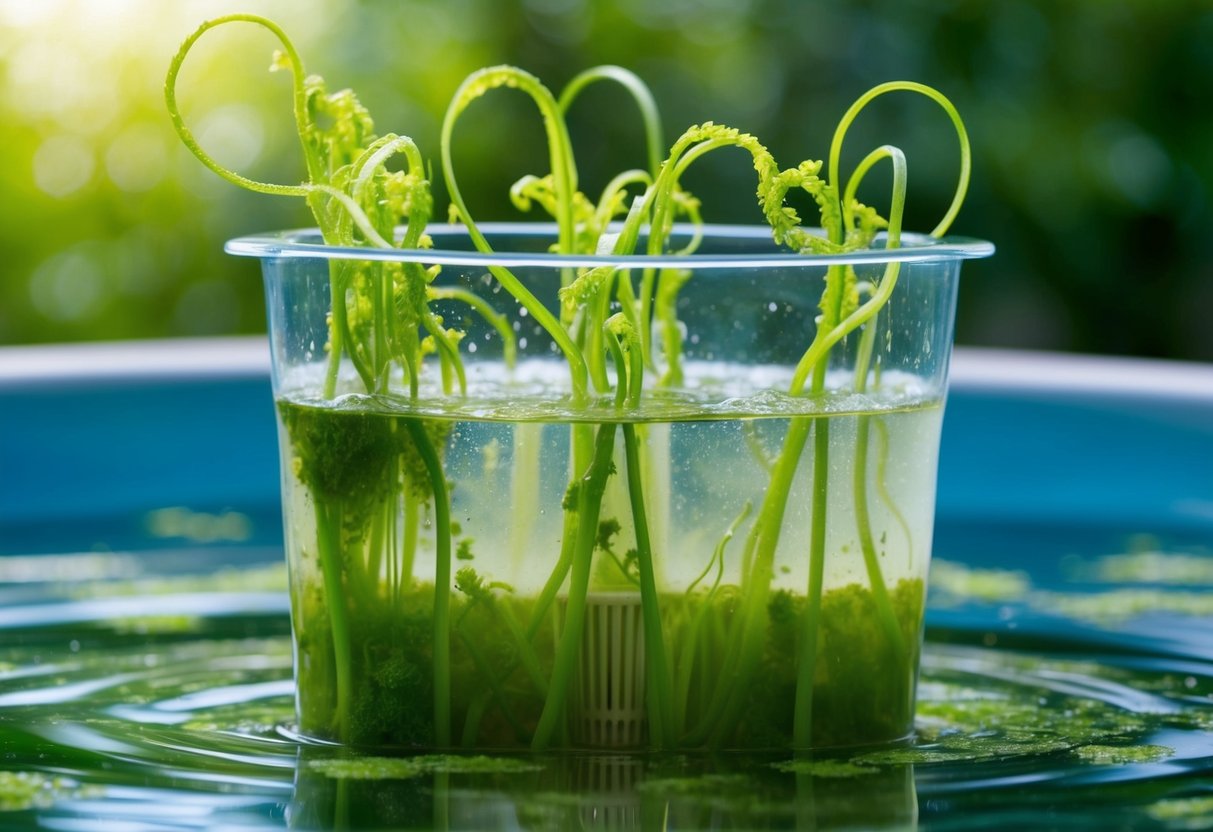
Some algae types can be harmful to health if consumed in large amounts. They may release toxins or cause unpleasant tastes and odors in water.
Filter-clogging algae can also decrease the efficiency of water treatment plants, leading to higher costs and maintenance issues.
Choosing the right water filter system is important for dealing with algae. Some filters are better at removing these organisms than others.
Regular maintenance and cleaning of filters can help prevent algae buildup and ensure optimal performance.
Key Takeaways
- Algae in water filters can affect water quality and taste.
- Proper filtration methods are essential for removing algae effectively.
- Regular maintenance of water filters helps prevent algae-related issues.
Understanding Algae in Water Systems
Algae are tiny plant-like organisms that can grow in water systems. They need sunlight and nutrients to thrive. Algae can cause problems in filters and water supplies.
Characteristics of Algae
Algae are simple organisms that live in water. They can be single-celled or form colonies. Most algae make their own food through photosynthesis.
Algae grow fast in warm, sunny conditions. They need nutrients like nitrogen and phosphorus. Some types can double their numbers in just a few hours.
Algae come in many colors. Green, blue-green, and brown are common. The color depends on the type of algae and its pigments.
Some algae float freely in water. Others attach to surfaces like rocks or pipes. Certain blue-green algae may need special treatment in water supplies.
Common Types of Algae in Water
Green algae are very common in freshwater. They can be single cells or form long chains. Green algae often make water look cloudy or green.
Blue-green algae, also called cyanobacteria, can cause big problems. Some types make toxins that harm animals and humans. They often form scums on water surfaces.
Diatoms have glass-like shells made of silica. They are important food for many water animals. Diatoms can clog filters in water treatment plants.
Algae in water treatment systems can affect taste and smell. They may also interfere with disinfection processes.
Impacts of Algae on Water Quality
Algae in water can produce toxins and affect the taste and appearance of drinking water. These issues can make water unsafe and unpleasant to consume.
Toxins and Contaminants
Some algae produce harmful toxins that can contaminate drinking water supplies. These toxins may cause health problems if consumed.
Common algal toxins include microcystins and anatoxins. They can harm the liver and nervous system.
Water treatment plants must remove these toxins to make water safe. This often requires special filtration methods.
Algal blooms can also lead to higher levels of organic matter in water. This may create harmful byproducts during the disinfection process.
Regular testing is needed to check for algal toxins in water sources. Early detection helps prevent contaminated water from reaching consumers.
Effects on Turbidity and Taste
Algae can significantly impact water quality by increasing turbidity. Turbidity makes water cloudy or murky.
High turbidity:
- Makes water less appealing to drink
- Reduces the effectiveness of disinfection
- Can clog water filters more quickly
Algae also affect the taste and odor of water. They may produce compounds that give water an earthy or musty flavor.
These taste issues:
- Decrease customer satisfaction
- May lead people to seek alternative water sources
- Can be costly for water treatment plants to address
Water utilities often use activated carbon filters to remove taste and odor compounds. This adds to treatment costs and complexity.
Water Filtration Technologies
Water filtration methods remove algae and other contaminants from water supplies. These techniques use physical, chemical, and biological processes to clean water.
Some common approaches include mechanical filters, chemical treatments, biological systems, and UV light.
Mechanical Filtration Methods
Mechanical filters trap algae and particles as water passes through. Sand filtration is a basic method that catches larger algae. It uses layers of sand and gravel to filter water.
Cartridge filters offer more precise filtration. They come in different sizes to remove tiny algae cells. Membrane filters, like reverse osmosis, can block even the smallest algae.
Backwashing cleans mechanical filters. This process flushes water backward through the filter to remove trapped algae. Regular backwashing keeps filters working well.
Chemical Treatments in Filtration
Chemical treatments kill or clump algae for easier removal. Chlorine is a common choice. It destroys algae cells and stops them from growing back.
Coagulants like alum make algae cells stick together. This forms larger clumps that filters can catch more easily. Activated carbon absorbs organic matter from algae. It also improves taste and smell.
Ozone is a strong oxidizer that breaks down algae. It leaves no chemical traces in the water. Potassium permanganate is another oxidizer that turns algae brown so filters can catch it.
Biological Filtration Approaches
Biological filters use helpful bacteria to break down algae. These bacteria grow on filter media like plastic beads or ceramic rings. As water flows by, the bacteria eat algae and other organic matter.
Slow sand filters combine mechanical and biological filtration. A layer of helpful microbes grows on top of the sand. This “schmutzdecke” layer eats algae as water passes through.
Algae-based treatments use certain algae species to clean water. These algae absorb nutrients that harmful algae need to grow. This method is still new but shows promise.
UV Treatment for Algae
UV light damages algae DNA. This stops them from reproducing. UV systems use special lamps that shine on flowing water. The light kills or disables most algae types.
UV treatment works best after filtration. Particles in the water can block UV rays. Clear water lets the light reach more algae cells. UV also works well with other methods like chlorine.
UV systems need regular maintenance. The lamps wear out over time and need replacement. Keeping the lamp surfaces clean ensures the UV light reaches the water.
Preventing and Removing Algae in Household Water Systems
Algae can cause problems in home water systems. There are ways to stop algae from growing and get rid of it if it’s already there.
Strategies for Algae Prevention
Regular cleaning of water filter systems helps prevent algae growth. Homeowners should change filters often and rinse storage tanks.
Limiting light exposure is key. Covering outdoor tanks and pipes stops sunlight from reaching the water.
Adding small amounts of chlorine to the system can stop algae. A few drops of bleach per gallon of water is often enough.
Regular testing of water quality helps catch problems early. This allows for quick action before algae takes hold.
Effective Algae Removal Techniques
If algae is present, microstraining can remove it from water. This uses very fine screens to filter out algae cells.
Shock chlorination is a strong method to kill existing algae. This involves adding a high dose of chlorine to the system for a short time.
UV light treatment can also kill algae. Special lamps installed in the water system zap algae as water flows by.
For stubborn cases, draining and scrubbing the entire system may be needed. This is hard work but very effective at removing all traces of algae.
Selecting the Right Water Filter System
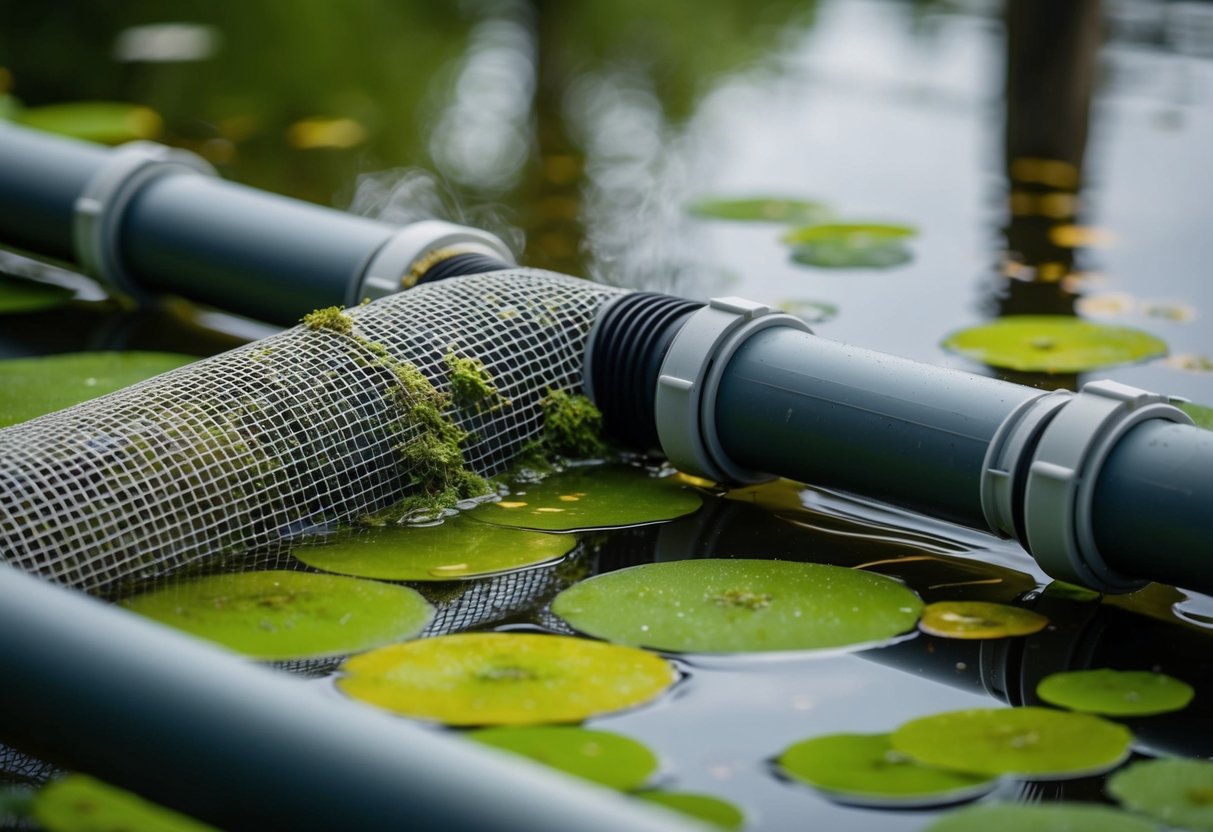
Choosing a water filter system depends on your specific needs and household setup. The right filter can remove algae and other contaminants, providing clean drinking water for your home.
Whole House Water Filter Considerations
Whole house water filters treat water as it enters your home. These systems can remove algae and other impurities from all water sources in the house.
Key factors to consider:
- Filter capacity
- Flow rate
- Maintenance requirements
- Installation space
Larger homes may need filters with higher flow rates. Regular maintenance is crucial for optimal performance. Some systems use multiple stages of filtration for better results.
Whole house filters can be more expensive upfront but offer comprehensive protection. They help extend the life of appliances by reducing mineral buildup.
Under Sink Water Filter Benefits
Under sink water filters provide filtered water at specific taps. These systems are ideal for kitchens or bathrooms where clean drinking water is most needed.
Benefits include:
- Easy installation
- Lower cost than whole house systems
- Targeted filtration for drinking and cooking water
Under sink filters often use multi-stage filtration to remove various contaminants. This can include sediment filters, activated carbon, and reverse osmosis membranes.
These systems take up less space and are easier to maintain. They can be a good choice for renters or those on a budget. Some models offer advanced features like UV sterilization for extra protection against microorganisms.
Maintenance and Care of Water Filters
Proper upkeep of water filters is crucial for their effectiveness against algae and other contaminants. Regular maintenance ensures clean water and extends the filter’s lifespan.
Routine Replacement of Filter Cartridges
Filter cartridges need regular replacement to maintain optimal performance. Check the manufacturer’s guidelines for the recommended replacement schedule. This often ranges from 3-6 months, depending on water quality and usage.
Clogged filters can harbor algae and bacteria, reducing filtration efficiency. Signs it’s time to replace include:
- Decreased water flow
- Unusual tastes or odors
- Visible debris in filtered water
When replacing, carefully follow the installation instructions. Ensure a proper seal to prevent water bypass.
Regular System Checks and Cleaning
Routine inspections help catch issues early. Check the filter housing monthly for leaks or damage.
Clean the exterior with a mild soap solution.
For multi-stage systems, clean pre-filters more frequently. This helps prevent algae buildup and extends the life of main filter cartridges.
Disinfect the system periodically, especially if algae growth is a concern. Use a diluted bleach solution or specialized cleaning products. Flush thoroughly before use.
Monitor water pressure. A sudden drop may indicate a clogged filter needing attention.
Challenges with Different Water Sources
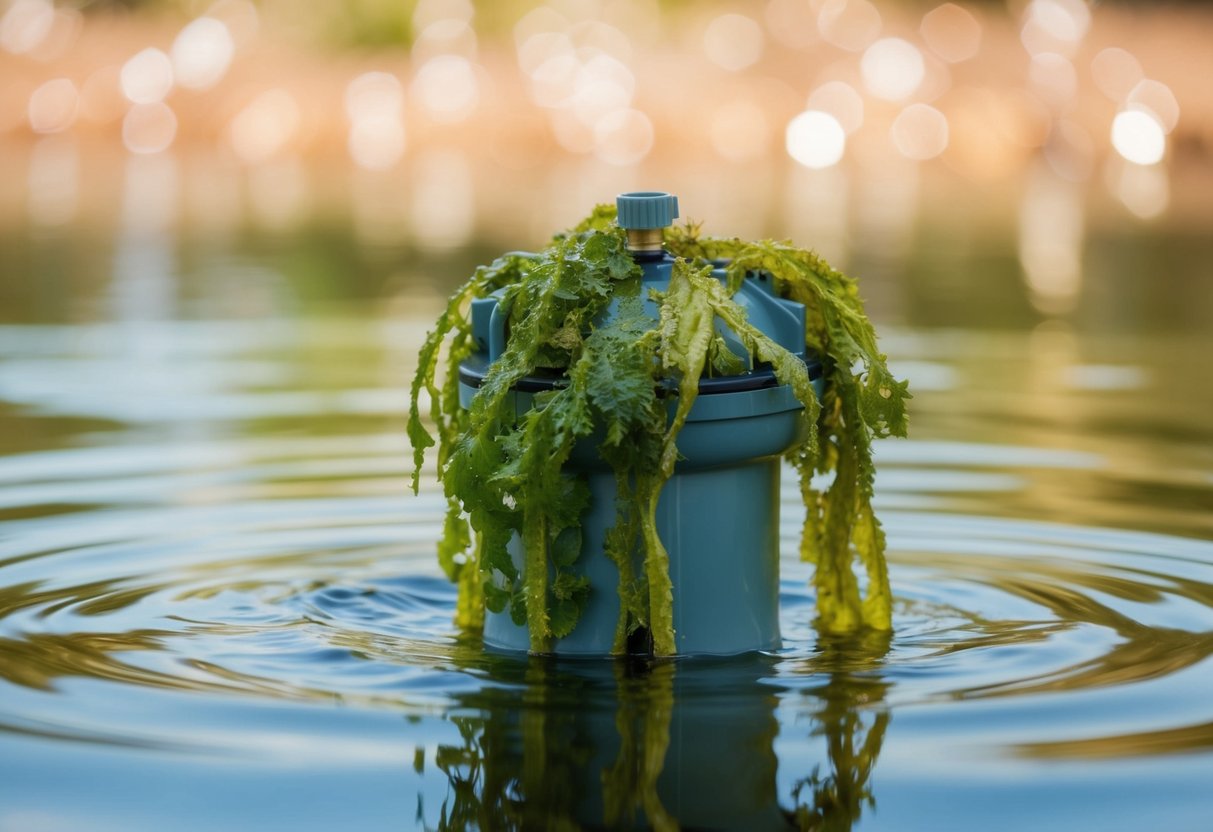
Algae growth can vary based on the water source. Well water and city water each present unique issues when it comes to managing algae buildup in filters.
Addressing Algae in Well Water
Well water often contains more nutrients that feed algae. These nutrients come from soil and rocks. Iron and manganese are common in well water. They help algae grow faster.
Algae thrive in still water found in wells. This makes it harder to control. Well owners may need stronger filters to remove algae. Regular testing is key to catch problems early.
Some wells have high levels of organic matter. This can clog filters quickly. It also gives algae more food. Well owners should check their filters more often.
Managing Algae Issues in City Water
City water goes through treatment plants. This removes most algae before it reaches homes. But some algae can still grow in pipes and tanks.
Chlorine in city water helps control algae. But it can wear off over time. This lets algae grow again. Homeowners may need to add extra filtration.
Sunlight can cause algae growth in clear pipes. Using opaque pipes or covering them can help. City water systems may flush pipes regularly to remove buildup.
Seasonal changes affect algae in city water. Warmer months often see more growth. Water providers may adjust treatment methods throughout the year.
Future Innovations in Algae Control and Water Filtration
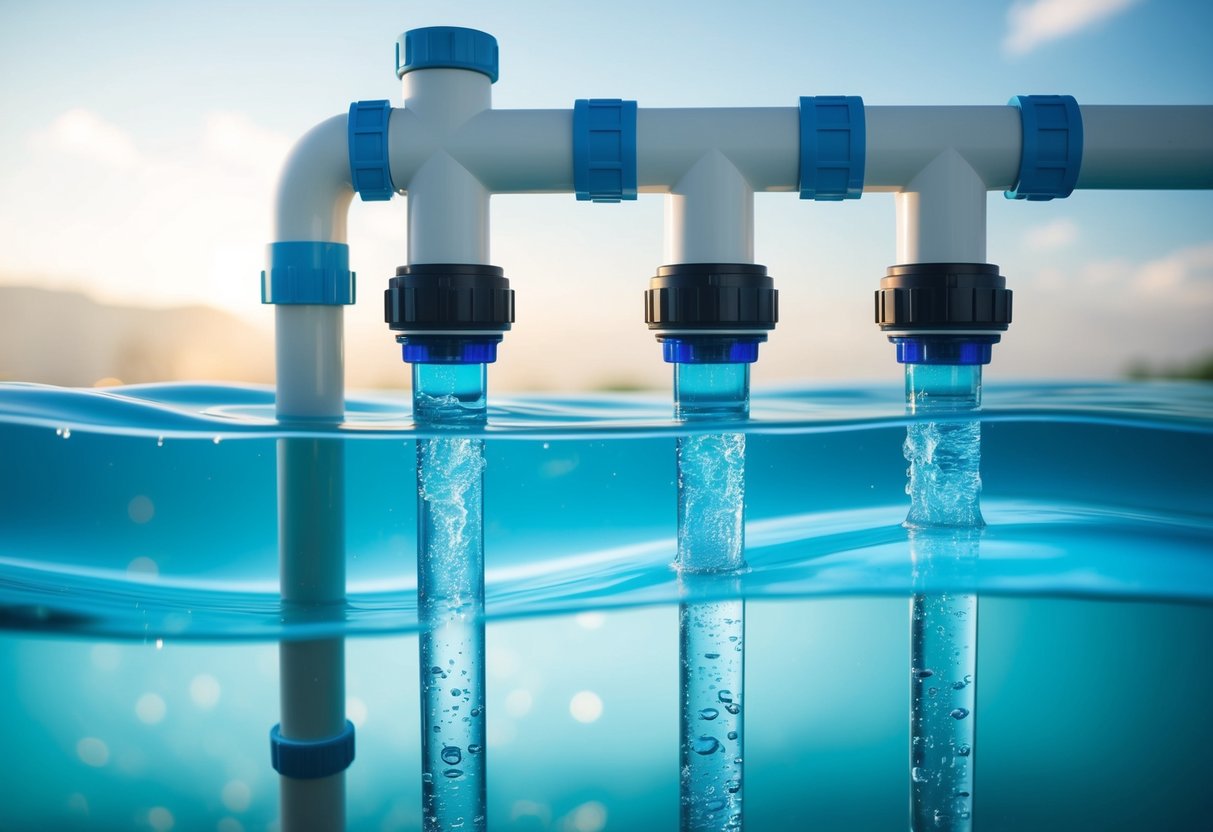
New technologies are emerging to tackle algae issues in water filtration systems. These aim to improve water quality and prevent algal blooms.
One exciting development is the use of advanced nanotechnology in water purification. Nanoparticles can target and remove specific algae species more effectively than traditional methods.
Researchers are also exploring innovative biological solutions. These include:
- Engineered microorganisms to consume excess nutrients
- Specially bred algae-eating fish for natural control
- Plant-based filters that absorb pollutants
Improved filtration techniques are being developed to remove even the smallest algae particles. These new filters can catch microalgae that slip through conventional systems.
Smart monitoring systems are another promising area. These use sensors and AI to detect algal growth early. This allows for quicker, more targeted treatment.
Scientists are working on sustainable methods to prevent algal blooms. These focus on reducing nutrient pollution in water sources. Strategies include better wastewater treatment and eco-friendly farming practices.
The future of algae control may also involve harnessing algae’s potential. Some species can be used for biofuel production or as natural fertilizers. This turns a water quality problem into a valuable resource.
Frequently Asked Questions
Algae growth in water filters is a common issue that can affect water quality and filtration efficiency. Understanding the causes, risks, and prevention methods is crucial for maintaining clean and safe drinking water.
What causes algae to grow in a water filter?
Algae thrive in water filters due to several factors. Sunlight exposure is a primary contributor, as it promotes photosynthesis. Nutrients from organic matter in the water also feed algae growth.
Warm temperatures and stagnant water create ideal conditions for algae multiplication. In some cases, algae may enter the system through the filter itself or other water sources.
How can I remove algae from my home water filtration system?
Cleaning the filter system regularly is essential for algae removal. Disassembling and scrubbing components with a mild bleach solution can be effective.
Flushing the system with clean water helps eliminate loose algae. Replacing filter cartridges and other parts may be necessary for severe infestations.
What are the potential risks of consuming water with algae from a filter?
Drinking water containing algae can lead to various health issues. Some algae produce toxins that may cause gastrointestinal problems or skin irritation.
Algae can also affect water taste and odor, making it unpleasant to drink. In rare cases, certain algal blooms can produce more serious toxins that pose greater health risks.
Why is there algae in my water purifier despite regular maintenance?
Even with proper maintenance, algae can still appear in water purifiers. Sunlight exposure may be a factor if the system is near windows or outdoors.
High nutrient levels in the water source can contribute to persistent algae growth. Ineffective cleaning methods or missed areas during maintenance might also allow algae to survive and reproduce.
Can green algae in water filters pose health hazards?
Green algae in water filters can potentially cause health issues. While many types are harmless, some may produce compounds that affect water quality and safety.
Certain green algae species can release toxins that irritate the skin or cause digestive problems if consumed. It’s best to address any visible algae growth promptly to minimize potential risks.
What steps can be taken to prevent the growth of algae in water tanks and filters?
Limiting light exposure is crucial for preventing algae growth.
Covering tanks and using opaque materials for outdoor systems can help.
Regular cleaning and maintenance of filters and tanks is essential.
Ensuring proper water circulation and avoiding stagnation can also inhibit algae development.
Using algae-resistant materials and specialized filters designed to remove algae can provide additional protection.
Monitoring water quality and addressing issues promptly helps maintain a clean system.